
Do Praying Mantises Care for Their Young? The Honest Answer
Hello mantis friend, have you ever watched a female mantis, poised like a living sculpture, and wondered if she feels a flicker of motherly instinct for the tiny lives she creates?
No, praying mantises do not care for their young in any way we might recognize as parenting. The moment her egg case, or ootheca, is securely fastened to a twig, her role is complete.
This topic is wonderfully complex because their entire reproductive strategy is a masterclass in evolutionary efficiency, not tenderness.
In this article, we will explore the surprising details behind this behavior, including:
- The precise process of how a female mantis builds and abandons her egg case.
- Why this hands-off approach is actually a successful survival strategy for the species.
- Common myths about mantis maternal behavior that need gentle correcting.
- What you can realistically expect if you’re raising mantises from an ootheca yourself.
What Does Parental Care Mean for Praying Mantises?
Parental care simply means a parent providing any form of protection, food, or shelter to increase their offspring’s chances of survival. For most insects, this is a foreign concept-they lay their eggs and depart, leaving the young to fend entirely for themselves. Think of ants tirelessly feeding their larvae or a female burying beetle preparing a carcass for her hatchlings; these are rare examples of insect devotion.
Praying mantises operate on a completely different reproductive strategy. Their life history is built on quantity, not quality. A female’s primary evolutionary goal is to produce as many offspring as possible, investing her energy into creating robust egg cases rather than prolonged care. This strategy is highly effective in the wild, where sheer numbers overcome high mortality rates.
Several misconceptions cloud our understanding of their behavior.
- Many believe a female standing near her ootheca is guarding it, when she is likely just resting.
- The idea that mothers recognize or interact with their hatched nymphs is a myth born from anthropomorphism.
- Observing a female on her egg case for days does not constitute active brood protection; it is usually coincidence.
The Female Mantis and Her Egg-Laying Role
The female’s entire parental role is condensed into the masterful creation of the ootheca, a foamy, protective egg case. This process is her ultimate act of care, a biological feat that shelters the next generation through harsh conditions. She begins by secrecing a frothy liquid from her abdomen, which she whips into a stiff, meringue-like foam.
Here is the remarkable, step-by-step construction of an ootheca.
- The female finds a suitable branch or stem and begins depositing the initial layer of foam.
- She carefully lays dozens or even hundreds of eggs into this soft, sticky foundation.
- She covers the eggs with more layers of foam, sculpting the ootheca into its final shape with her abdomen.
- The foam hardens within hours, forming a tough, weatherproof casing that camouflages the eggs inside.
Once this architectural marvel is complete, her job is done. Females do not practice nest guarding or brood protection; they abandon the ootheca immediately after its completion. Any continued presence is typically due to the site also being her chosen territory.
Key behaviors surrounding this event highlight her instinctual drive.
- Meticulous site selection is paramount for the ootheca’s survival.
- She often chooses a time of day when she is least likely to be disturbed.
- The entire egg-laying process can take several hours, requiring immense energy and focus.
How Mantises Choose Safe Spots for Their Eggs
A female mantis is an expert surveyor of real estate. Her choice of an egg-laying site is influenced by a critical balance of safety and stability. She instinctively seeks locations that minimize predation risk and offer environmental protection from wind, rain, and direct sun. The underside of a sturdy twig or the hidden corner of a cage frame are prime examples of her logic at work. To set up a perfect mantis breeding enclosure, replicate those safe, sheltered spots with a stable microclimate and a secure surface for egg sacs. This design encourages natural oviposition and makes monitoring easier.
From our own terrariums, we have seen this careful deliberation firsthand. Our Ghost Mantis, Luna, consistently chose the highest, most secluded silk flower in her enclosure, a spot that offered cover and a gentle microclimate. In contrast, Moss, our Giant Asian Mantis, preferred the broad, flat surface of a vertically placed cork bark, a location that perfectly mimicked a tree trunk in the wild.
Is There Evidence of Egg Guarding in Mantises?
The romantic notion of a mother mantis standing watch over her eggs is just that-a notion. For the overwhelming majority of the over 2,400 mantis species, there is no scientific evidence of maternal care or egg guarding after the ootheca hardens. The female’s departure is the rule, not the exception.
Documented exceptions are incredibly rare and fascinating. The species Bolbe pygmaea has been observed exhibiting a form of maternal care, with the female remaining with her ootheca until the nymphs hatch. Another potential example involves females of certain genera staying near the ootheca, but this is often linked to the site serving as a basking or feeding spot rather than active defense. In the world of pet mantises, what looks like guarding is almost always simple coincidence.
Life After Hatching: Do Nymphs Receive Any Care?
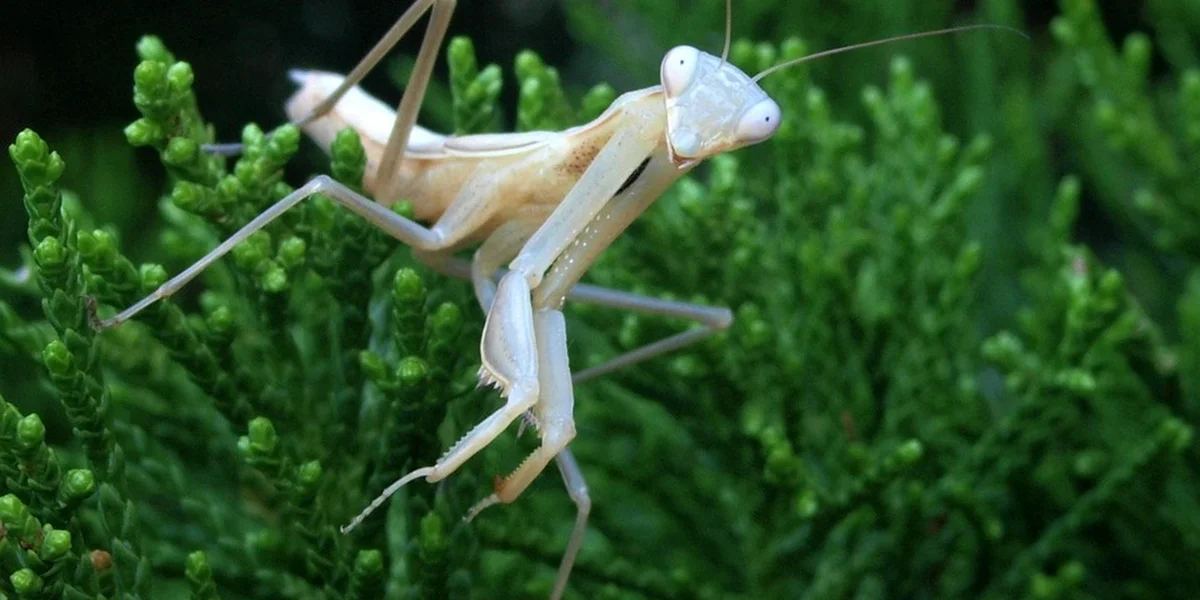
Once the ootheca-that sturdy, foam-like egg case-splits open, dozens of tiny nymphs tumble out into the world. They face immediate threats, from siblings turning cannibalistic in crowded spaces to birds and spiders lurking nearby. Nymphs must fend for themselves from the very first moment, with no parental guidance or protection.
- They quickly disperse to reduce competition and cannibalism risks.
- Nymphs hunt minuscule prey like fruit flies or aphids using their innate striking instincts.
- They seek sheltered spots to avoid predators and harsh weather.
- Regular molting allows them to grow, shedding skin every few weeks.
- They rely on camouflage and stillness to stay undetected in their environment.
Mantises do not feed or nurse their young because their solitary nature and energy-efficient reproductive strategy prioritize laying many eggs over individual care. This hands-off approach lets females focus on survival and future breeding, rather than exhausting resources on offspring that are born ready to hunt. To safely introduce male and female mantises for breeding, use a neutral, spacious enclosure and supervise their first encounters. If aggression or cannibalism occurs, separate them immediately.
Environmental Influences on Offspring Survival
Temperature and humidity play huge roles in whether an ootheca hatches successfully or fails. Warmer conditions speed up incubation, while proper moisture prevents the eggs from drying out. Getting these factors right can mean the difference between a bustling hatch and a silent, unviable case. Along the way, many hobbyists encounter issues like mold growth or humidity swings. Knowing common problems and practical solutions can boost your chances of a successful praying mantis egg hatching.
| Condition | Ideal for Oothecae | Poor for Oothecae |
|---|---|---|
| Temperature | 22-28°C (steady, mild warmth) | Below 18°C or above 32°C (too cold or hot) |
| Humidity | 60-80% (moist but not soggy) | Below 40% or consistently wet (dries out or molds) |
| Ventilation | Gentle airflow to prevent stagnation | Stagnant or overly drafty air |
To replicate these in captivity, place oothecae in a well-ventilated container away from direct heat or cold drafts. Mist the enclosure lightly every other day to maintain humidity without soaking the eggs.
Managing Temperature and Humidity for Healthy Hatching
- Use a small heat mat on one side of the enclosure to create a gentle warmth gradient.
- Monitor with a thermometer and hygrometer, aiming for 24-26°C and 70% humidity.
- Mist with lukewarm water in the mornings to mimic natural dew.
- Avoid placing oothecae near windows or vents where temperatures fluctuate wildly.
- Check daily for mold or dryness, adjusting misting frequency as needed.
When we cared for Moss’s ootheca, we kept it in a shaded terrarium with a steady 25°C and daily light misting. Watching dozens of nymphs emerge healthy and active felt like a quiet victory, their tiny forms darting like emerald sparks in the humid air.
Are There Exceptions to No Parental Care in Mantises?
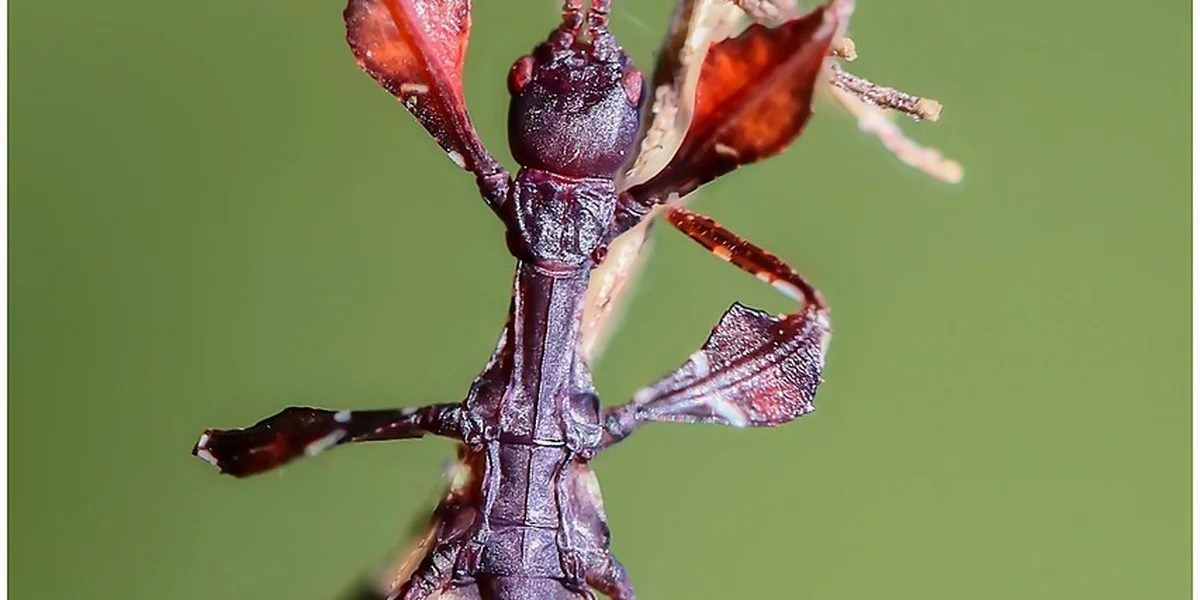
While most mantis species follow the rule of laying eggs and moving on, a few remarkable exceptions show glimmers of maternal care. These rare behaviors remind us that nature always has its surprises, even in the insect world. As the mantis grows, its behavior can change across life stages. Nymphs and adults often differ in feeding and defense strategies.
- Some African mantis species, like Sphodromantis lineola, may guard their ootheca for a short period after laying it, standing watch to deter predators.
- In certain tropical species, females might remain near the egg case until it hardens, using their bodies to shield it from harsh weather or pests.
- A handful of mantises exhibit subtle paternal care, such as males in isolated cases staying close to eggs, though this is exceedingly uncommon and not well-documented.
For pet mantis owners, this means observing your mantis closely after she lays an ootheca-you might catch a brief moment of vigilance, like how our Ghost Mantis, Luna, often lingered near her egg case for a day or two. In captivity, this behavior rarely requires intervention, but it deepens our appreciation for their instinctual drives.
Practical Tips for Supporting Mantis Offspring in Captivity
Raising mantis nymphs successfully hinges on careful preparation and a gentle touch. We’ve found that mimicking their natural habitat with small adjustments makes all the difference in survival rates. To support that, create a naturalistic, safe habitat for your praying mantis with proper ventilation and perches that resemble their wild environment. This kind of setup reduces stress and promotes healthier molts.
- Start by placing the ootheca in a well-ventilated container with slight humidity-a light misting every few days keeps it from drying out without encouraging mold.
- House nymphs in separate small enclosures, like deli cups with mesh lids, to prevent cannibalism; we use tiny branches for perching and paper towel substrates for easy cleaning.
- Feed hatchlings with fruit flies or pinhead crickets as soon as they emerge, offering food daily to support rapid growth through early instars.
- Reduce stress by maintaining stable temperatures around 75-80°F and avoiding sudden movements near their space, which can trigger aggressive behavior.
- Monitor molting cycles closely-provide plenty of vertical surfaces for nymphs to hang from, and ensure high humidity during sheds to prevent stuck skin.
From our experience with Moss, the Giant Asian Mantis, we learned that spacing out feedings and using multiple food sources curbs cannibalism in group settings. Patience and routine help nymphs thrive, turning those fragile early days into a rewarding journey of growth.
FAQs on Mantis
Do male mantises participate in parenting?
No, male mantises do not participate in parenting after mating. In extremely rare cases, some species may show brief paternal care, but this is not typical behavior.
How long does mantis egg case protection last?
For the vast majority of species, egg case protection does not occur as females abandon the ootheca immediately. In the few documented exceptions, any guarding behavior typically lasts only until the ootheca hardens or, rarely, until hatching.
Do mantises provide any care to nymphs after hatching?
No, mantises do not provide any care or nourishment to nymphs once they hatch. The young are fully independent and must hunt and survive on their own from the moment they emerge. For beginners, the first 30 days are critical, and this is the focus of a complete mantis nymph survival guide. In those early weeks, you’ll need proper prey, safe housing, and stable conditions to help your nymph thrive.
A Gentle Keeper’s Reflection
Praying mantises entrust their young’s survival to you, not themselves, so focus on creating a stable, humid home for the ootheca until the nymphs emerge ready to fend for themselves. We recommend monitoring temperature closely and gently misting the egg case to mimic natural dew. Temperature and humidity really matter—the eggs need a stable, moderately humid environment to hatch. Too much moisture or heat can harm the ootheca, so keep conditions steady.
Responsible mantis keeping means observing your pet’s behaviors and adapting care as they grow, ensuring each life stage is met with kindness and knowledge. This naturally connects to a complete care, handling, and behavior guide for pet praying mantises. Stay curious and connected with fellow enthusiasts to deepen your understanding of these fascinating creatures.
Further Reading & Sources
- Ootheca Life Cycle Praying Mantis Egg – USMANTIS
- Observing the Praying Mantis Life Cycle with Your Children – Connecting with Littles
- Does the praying mantis take care of its offspring? – Quora
- How to Raise Baby Praying Mantis’ : 6 Steps – Instructables
Rowan Hale is a lifelong insect enthusiast who fell in love with mantises for their calm presence, alien elegance, and surprising personalities. After years of keeping and raising a variety of species, Rowan shares practical tips, creative insights, and real-world experience to help others enjoy the quiet magic of mantis care. From setting up the perfect enclosure to understanding their subtle behaviors, Rowan invites readers into a gentle, curious world where every tiny movement feels like a discovery.
Egg Care