
Common Problems and Solutions for Praying Mantis Egg Hatching
Hello fellow mantis friend,
That moment you first spot the delicate, frothy ootheca in your mantis’s enclosure is pure magic-a tiny, papery promise of new life. We’ve felt that same flutter of anticipation with our own mantises, like watching Luna, our Ghost Mantis, carefully sculpt her first egg case.
Successfully hatching praying mantis eggs often comes down to managing a few key environmental factors: humidity, temperature, and patience. The process seems straightforward, but it’s deceptively complex, with many small variables influencing the final outcome.
An ootheca isn’t just an egg; it’s a sophisticated, weatherproof nursery. Inside its protective foam, dozens of tiny mantis nymphs develop, entirely dependent on the world you create for them outside of that case. Understanding the egg-laying process can help you provide the best environment for your pet mantis.
We’ll walk through the most frequent hurdles keepers face, from oothecae that never hatch to the tragic sight of a collapsed egg case.
- Why some oothecae don’t hatch on schedule.
- How to spot the subtle signs of a healthy, developing ootheca.
- Simple adjustments to humidity and warmth that make all the difference.
- What to do if your egg case appears moldy or damaged.
Understanding Your Mantis Ootheca
An ootheca is the protective foam-like case where your mantis lays her eggs, and it serves as a safe nursery for the developing nymphs. This sturdy structure shields the eggs from drying out, predators, and sudden temperature shifts, giving the next generation their best start. When Luna laid her first ootheca, we watched it form—a papery, tan-coloured capsule that she carefully attached to a twig, much like a tiny, natural sculpture. For anyone keeping mantises, an ootheca care guide can help you monitor humidity and temperature for better hatch rates. It also covers placement, inspection, and safe handling of the egg case.
- Signs of a healthy egg case include a firm texture that doesn’t give when pressed gently, uniform brown or tan colouring, and no visible cracks or holes.
- Early issues to spot are discolouration like dark patches or a greenish tinge, soft spots that feel spongy, or any unusual dampness.
Signs of a Healthy Ootheca
- Check for a sturdy, papery shell without cracks by running a light finger over it-it should feel dry and intact, not brittle or flaky.
- Observe consistent brown or tan colouring across the surface, which indicates proper development and lack of stress.
- Note absence of foul odors or wetness; a healthy ootheca smells earthy and neutral, not musty or sour.
Common Ootheca Issues to Watch For
- Mold and fungus growth often start from excess humidity or poor ventilation, and they can spread quickly, suffocating the eggs inside. We’ve noticed that a faint white fuzz or black spots signal it’s time to improve air flow and reduce misting.
- Desiccation from low humidity causes the ootheca to shrink and harden, making it difficult for nymphs to emerge; in dry spells, we add a light daily mist to keep it supple.
- Threats from predators like ants or parasites such as tiny wasps can invade the case, so we always inspect for small holes or unusual activity around it.
Diagnosing Hatching Problems
If your ootheca isn’t hatching, it could be due to infertility, environmental stress, or hidden infestations. We’ve learned that patience and careful observation are key—sometimes a slight adjustment in care can turn things around. For instance, with Sprig’s ootheca, a delay taught us to check for subtle signs like colour changes or lack of nymph movement. For breeders facing these issues, an ootheca not hatching troubleshooting checklist can help diagnose problems quickly, covering fertility, incubation conditions, and potential pests. A concise checklist guides you through steps like verifying temperature, humidity, and incubation duration.
- To identify infertile or nonviable eggs, look for oothecae that remain unchanged for weeks, feel overly light, or show no response to gentle stimuli.
- Effects of mold, temperature shocks, and parasites can drastically reduce hatch rates; mold introduces toxins, sudden chills stall development, and parasites consume the eggs from within.
- Normal hatch timing varies by species but typically falls within 4-8 weeks; delays often stem from inconsistent temperatures or low humidity, so we monitor closely and adjust conditions gradually.
Identifying Infertile or Nonviable Eggs
- Look for shriveled or discoloured ootheca-if it appears sunken or has turned dark grey, the eggs may not be viable.
- Monitor for lack of movement or development over weeks; a healthy ootheca might show slight swelling or tiny cracks as hatching nears.
- Test viability with gentle misting and observation; a light spray can sometimes stimulate activity, but if nothing changes after a few days, it’s likely infertile.
Mold, Fungus, and Parasite Risks
- Mold spreads through spores in damp conditions, damaging eggs by blocking oxygen and releasing harmful substances. In our setups, we’ve found that increasing ventilation and wiping affected areas with a dry cloth can prevent further growth.
- Common parasites include parasitic wasps that lay eggs inside the ootheca; signs are tiny exit holes or a hollow sound when tapped.
- To reduce infestation risks, we isolate new oothecae for a week, keep enclosures clean, and avoid introducing wild-caught prey that might carry pests.
Setting Up the Perfect Incubation Environment
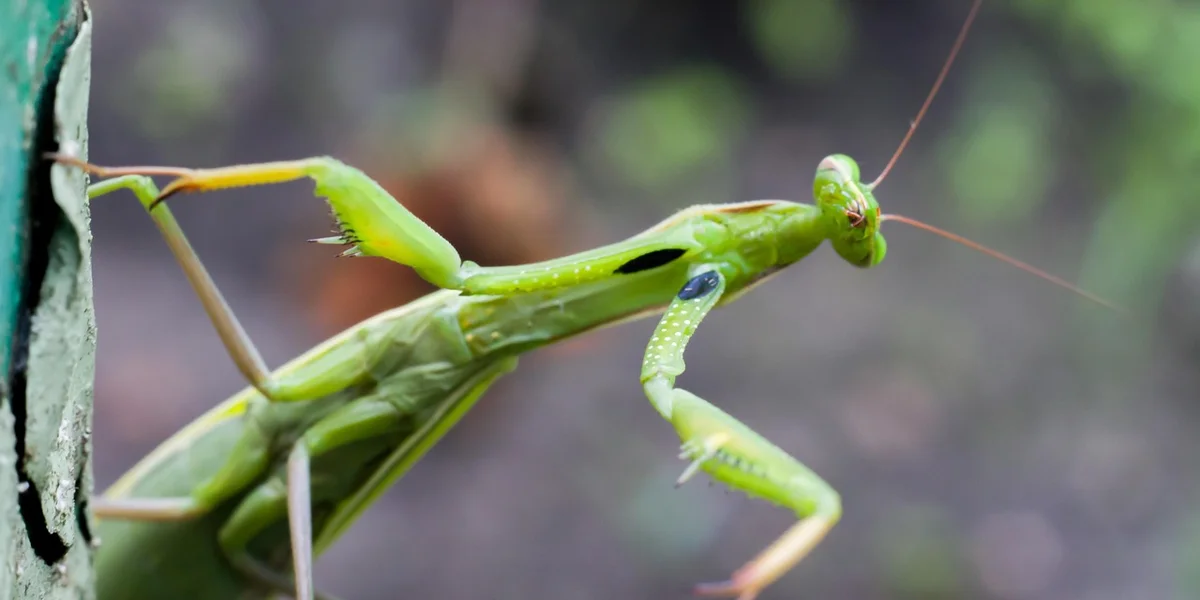
Creating the right home for your mantis ootheca ensures those tiny nymphs emerge healthy and strong. We find that mimicking their natural habitat with precise warmth, moisture, and fresh air makes all the difference in hatching success.
- Optimal temperature ranges vary by species; for instance, Ghost Mantises like Luna thrive at 22-26°C, whilst Giant Asian Mantises such as Moss prefer 25-30°C.
- Humidity requirements often sit between 60-80%, and a fine mist from a spray bottle keeps levels ideal without drenching the eggs.
- Ventilation needs include gentle airflow to ward off condensation and mold, which can harm developing nymphs.
Temperature and Humidity Control
Balancing heat and moisture is a delicate dance that rewards careful attention. Steady conditions prevent stress on the ootheca and support uniform hatching. Recognizing the nine common ootheca care mistakes helps you avoid issues that prevent hatch success. Stay mindful of these pitfalls as you monitor temperature and humidity.
- Maintain steady warmth by placing a heat mat on one side of the enclosure or choosing a consistently warm room spot.
- Use digital hygrometers to monitor moisture levels accurately, checking them daily for any shifts.
- Adjust misting frequency based on species; tropical types may need light sprays every other day, while others require less.
Ventilation and Airflow Essentials
Fresh air circulation is just as vital as humidity for a thriving incubation space. Proper airflow stops stagnant conditions that invite mold and keeps your mantis eggs breathing easily.
- Emphasize a balance between humidity and air quality by ensuring vents or holes allow moisture to escape without drying out the environment.
- Suggest container types like plastic tubs with small drilled holes or mesh cages that offer adequate airflow whilst retaining warmth.
- Warn against overcrowding multiple oothecas in one container and avoid poor placement in drafty or overly humid areas.
Preventing and Solving Hatching Issues
Even with a perfect setup, small missteps can lead to hatching challenges. Proactive care and gentle handling from storage to post-hatch give your nymphs the best start in life. To hatch praying mantis eggs successfully, follow a simple step-by-step process. Begin with proper storage, then keep humidity and temperature steady as the eggs hatch.
- Provide best practices for ootheca storage by keeping them in a stable, undisturbed location until the hatch window nears.
- Offer steps for sanitation and handling, such as washing hands before contact, to boost survival rates and reduce contamination risks.
- Guide on post-hatch care for soft shell nymphs, focusing on their fragility and immediate needs for food and shelter.
Storage and Handling Before Hatch Window
How you store the egg case before hatching sets the stage for a smooth emergence. Gentle, consistent conditions protect the ootheca from damage and ensure nymphs develop properly.
- Store in a clean, dry container with slight ventilation, like a small jar with a breathable lid, to prevent moisture buildup.
- Avoid direct light exposure and temperature fluctuations by placing the container in a shaded, room-temperature area.
- Handle gently when moving or inspecting the egg case to prevent cracks or dislodgement that could harm the embryos inside.
Sanitation and Post-Hatch Strategies
Once those tiny mantises arrive, a clean environment and thoughtful care keep them safe and growing. Regular upkeep and smart housing choices reduce risks like mold and crowding right after hatching. Knowing common mistakes to avoid when setting up your first mantis habitat can help you start on the right foot. Avoid overcrowding, use appropriate enclosure sizes, and ensure clean, well-ventilated housing from day one.
- Recommend regular cleaning by wiping down surfaces and removing any debris to prevent mold and bacterial growth.
- Describe how to manage crowding after hatching by transferring nymphs to separate small enclosures if numbers are high, minimizing cannibalism.
- Tips for feeding and housing newborn nymphs include offering flightless fruit flies and using deli cups with ventilation for their first homes.
FAQs on Mantis
Can mantis eggs hatch outside of their usual season?
Yes, mantis eggs can hatch outside their typical season if kept in controlled indoor conditions that simulate spring or summer warmth. In warm indoor conditions, eggs often hatch within roughly one to three weeks, depending on species and temperature. However, this may require careful monitoring to ensure the nymphs develop healthily and have access to proper food sources post-hatch.
What predators or parasites threaten mantis eggs?
Common predators like ants or birds may consume the ootheca, while parasites such as tiny wasps can lay eggs inside, leading to infestations. To minimize risks, inspect the egg case regularly and maintain a clean, secure enclosure away from potential invaders.
Are there safe methods to incubate mantis egg cases indoors?
Yes, safe indoor incubation involves using a well-ventilated container with consistent temperature and humidity levels tailored to the species. Avoid direct heat sources and ensure gentle airflow to prevent mold while supporting steady development.
Gentle Reminders for Your Mantis Egg Journey
Keep humidity levels steady and temperatures warm to support healthy nymph emergence, and always inspect oothecae for signs of mold or dehydration before taking action. A calm, watchful approach helps you catch issues early and adjust care without stress.
Responsible mantis keeping means learning from each hatch and adapting your methods to meet your pet’s unique needs. We encourage you to observe, ask questions, and grow alongside your mantis–every small lesson enriches your caregiving journey. For more insights, check out our complete guide on handling and behavior.
Further Reading & Sources
- Care for Mantis Eggs | Mantid Forum – Mantis Pet & Breeding Forum
- r/mantids on Reddit: Psa, praying mantis eggs do not take 6 to 8 weeks weeks to hatch, and it’s best not to believe the instructions if you ever end up ordering some
- breeding – When will mantis eggsacks hatch if kept at room temperature? – Pets Stack Exchange
- Ootheca Life Cycle Praying Mantis Egg – USMANTIS
Rowan Hale is a lifelong insect enthusiast who fell in love with mantises for their calm presence, alien elegance, and surprising personalities. After years of keeping and raising a variety of species, Rowan shares practical tips, creative insights, and real-world experience to help others enjoy the quiet magic of mantis care. From setting up the perfect enclosure to understanding their subtle behaviors, Rowan invites readers into a gentle, curious world where every tiny movement feels like a discovery.
Egg Care