
Are Stick Bugs and Praying Mantises the Same?
Hello, mantis friend. You’ve likely seen them both perched like living sculptures in terrariums or gardens-the slender stick insect and the poised praying mantis. They share a quiet grace and a talent for blending into leaves and twigs, which often leads to the question: are they simply two forms of the same remarkable creature?
No, stick bugs and praying mantises are not the same; they belong to entirely different insect orders with distinct anatomies, diets, and behaviors.
While they’re both masters of camouflage and share a world of six-legged wonders, their similarities are mostly skin-deep. Telling them apart involves looking beyond their plant-like disguises to their body shape, how they hunt, and even the way they hold themselves.
Here’s a quick look at what sets them apart:
- Body shape: Mantises have triangular heads and grasping forearms; stick insects are uniformly slender.
- Diet: Mantises are fierce predators; stick insects are peaceful herbivores.
- Hunting style: Mantises ambush prey; stick insects rely on stillness to avoid becoming a meal.
Introducing Stick Insects and Praying Mantises
Stick insects, often called stick bugs, belong to the order Phasmatodea and excel at mimicking twigs or leaves with their elongated bodies. Praying mantises, from the order Mantodea, are known for their predatory nature and distinctive folded forelegs. We find both in gardens and forests, where their plant-like appearances help them stay hidden from predators and prey alike. Especially in gardens, which are often maintained to attract beneficial insects.
| Trait | Stick Insects | Praying Mantises |
|---|---|---|
| Body Shape | Long, slender, and cylindrical | Robust with a triangular head |
| Camouflage Style | Mimicry of stems or leaves | Cryptic coloring to blend into surroundings |
| Typical Behaviors | Slow, deliberate movement; herbivorous feeding | Active hunting; predatory strikes |
Many people mix them up because both insects sport green or brown hues and often perch motionless on vegetation. Their shared habit of staying still for long periods makes them tricky to tell apart at a quick glance.
Key Differences in Appearance and Behavior
-
Compare physical features: Mantises have raptorial forelegs equipped with spines to seize prey, while stick bugs feature slender, uniform legs for gripping branches. My mantis Moss uses his forelegs like tiny grappling hooks, snatching flies with lightning speed. Wing development varies-some mantises and stick insects can fly, but mantis bodies are more compact and angular.
-
Detail behavioral contrasts: Mantises are carnivorous hunters that stalk live insects, whereas stick bugs are herbivores content with munching on leaves. Movement patterns reveal mantises as patient ambushers, and stick bugs as slow, steady climbers. Daily activity differs too; mantises are often diurnal, while many stick insects are more active at night.
-
Use bullet points to list standout traits:
- Camouflage vs. Mimicry: Mantises rely on camouflage to surprise prey, but stick bugs use mimicry to avoid detection altogether.
- Sexual Dimorphism: In mantises, females are larger and may exhibit cannibalistic tendencies; stick insect females are often bulkier and sometimes lack wings.
These differences show how each insect has evolved to thrive in its own niche, from stealthy predation to peaceful plant-eating.
Taxonomy and Evolutionary Paths
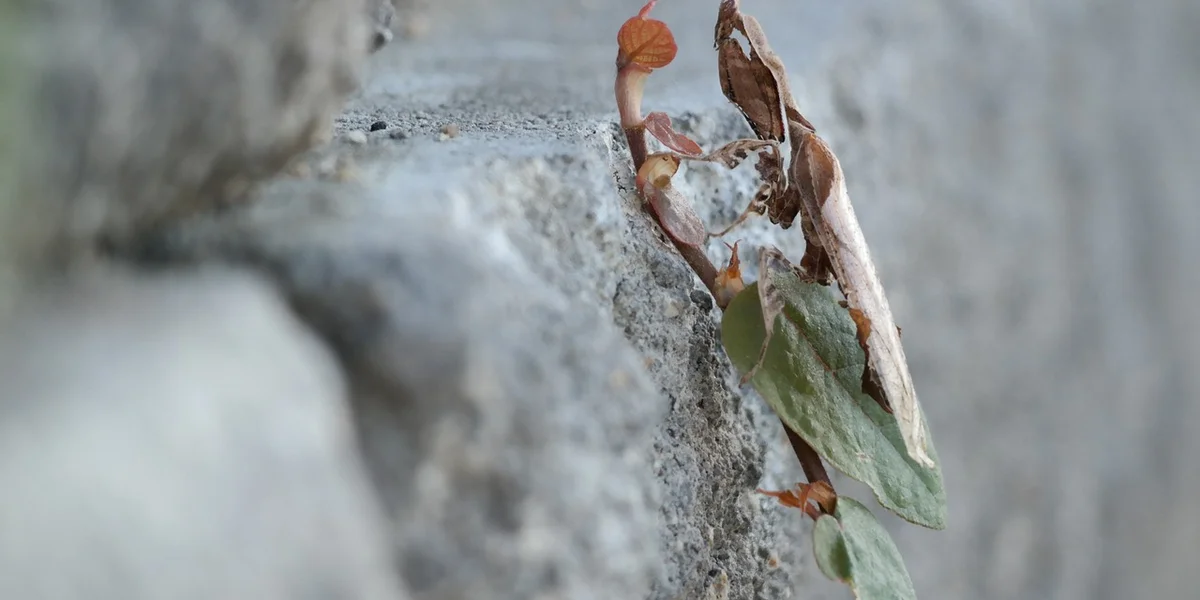
When we look at stick bugs and praying mantises through a scientific lens, they belong to entirely different orders within the insect world. Stick insects fall under Phasmatodea, while praying mantises are classified under Mantodea, both stemming from the class Insecta but diverging sharply in their evolutionary journeys. This separation means they share a common ancestry as insects but have developed unique traits over millions of years. That contrast also becomes evident when you compare praying mantises to grasshoppers: mantises are ambush predators with grasping forelegs, while grasshoppers are primarily herbivores that rely on jumping to escape threats.
Their evolutionary adaptations reflect starkly different survival strategies. Praying mantises evolved as active hunters, with raptorial forelegs that snap shut like traps to catch prey, whereas stick insects perfected the art of hiding, using camouflage to blend into foliage and avoid predators. Curiously, mantises rely on depth cues to judge distance before striking, a key aspect of their hunting behavior. Observing them at different depths and in various lighting reveals how their stalking and ambush tactics adapt to their surroundings. This hunting versus hiding divide shapes everything from their body shapes to their behaviors in the wild.
To help visualize these differences, here’s a simple table comparing their taxonomic hierarchy and typical geographic distribution:
| Taxonomic Level | Praying Mantis (Mantodea) | Stick Bug (Phasmatodea) | Common Geographic Regions |
|---|---|---|---|
| Kingdom | Animalia | Animalia | Worldwide |
| Phylum | Arthropoda | Arthropoda | Global, especially warm areas |
| Class | Insecta | Insecta | Varied habitats |
| Order | Mantodea | Phasmatodea | Mantises in tropics to temperate zones; stick bugs in forests and gardens |
From our time caring for mantises like Moss, our Giant Asian Mantis, we’ve noticed how his keen eyes and quick strikes stem from an evolutionary need to ambush live food. In contrast, stick insects rely on stillness and mimicry, much like how a twig might go unnoticed in a breeze, emphasizing how their paths split to suit predatory or herbivorous lifestyles.
Lifecycle and Reproductive Strategies
-
Both stick bugs and praying mantises undergo incomplete metamorphosis, meaning they hatch from eggs into nymphs that resemble smaller adults and molt several times before reaching maturity. However, mantis nymphs often start hunting almost immediately, while stick bug nymphs focus on feeding and growing, with subtle differences in how quickly they develop wings or coloration. For instance, our Ghost Mantis Luna molted through five stages, each time gaining more of her leaf-like frills, whereas stick insect nymphs might take longer to achieve full camouflage.
-
Reproductive methods show a clear contrast: mantises lay eggs in protective ootheca cases-foamy structures that harden to shield dozens of eggs from predators and weather. Stick bugs, on the other hand, typically drop individual eggs that resemble seeds or plant debris, relying on dispersal and camouflage for survival rather than grouped protection. This means mantis keepers might find a single ootheca in the enclosure, whilst stick bug owners spot tiny, scattered eggs that blend into the substrate.
-
Mating habits and lifespans vary notably between the two. Praying mantises are known for potential sexual cannibalism, where females may consume males during mating, though this isn’t universal, and their lifespan usually spans 6 to 12 months from egg to adult. Stick bugs have less dramatic mating rituals and can live longer, often 1 to 2 years, with species like the Indian stick insect laying eggs without needing males in some cases. In our care, Moss lived a vibrant 10 months, full of curious exploration, while stick insects we’ve observed tend to have a slower, more steady life cycle.
Pet Care Compared: Mantis vs Stick Bug
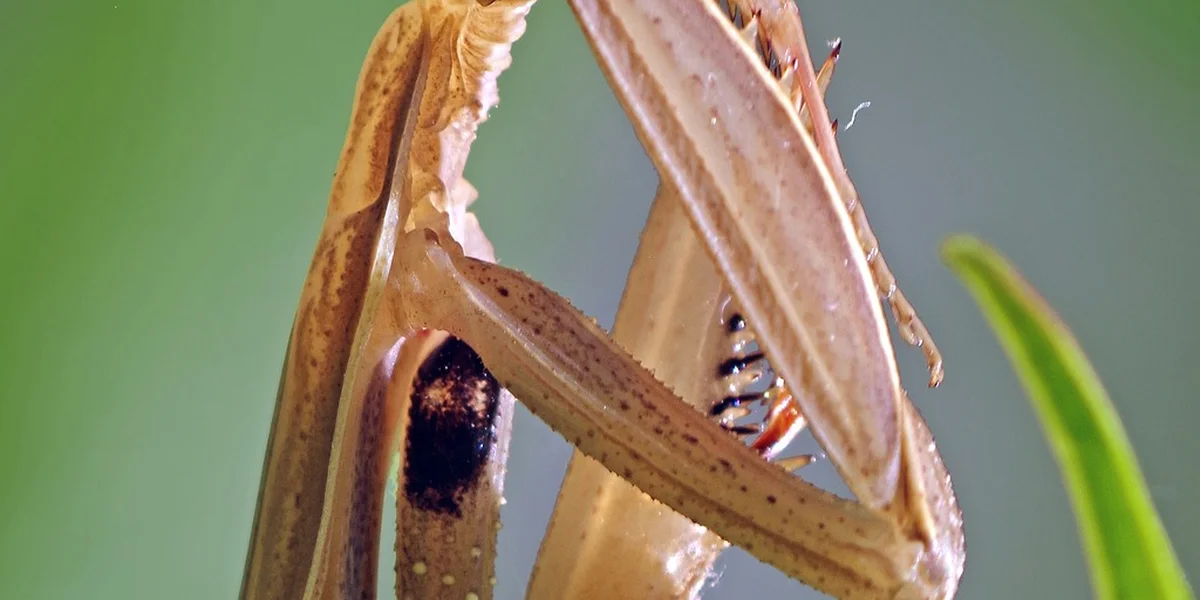
When you bring home a mantis or stick bug, their care routines feel worlds apart-one is a patient hunter, the other a gentle grazer. We find that understanding their unique needs helps you create a safe, comfortable home for each.
Enclosure Setup: Vertical Climbers vs Horizontal Wanderers
Mantises thrive in tall spaces where they can climb and perch, while stick bugs prefer wide areas to roam and feed. Choosing the right enclosure shape is the first step to keeping your pet healthy and content.
- Mantises need vertical terrariums at least twice their height, with branches or mesh for climbing; humidity stays between 50-70%, and temperatures range from 20-30°C.
- Stick bugs do best in horizontal enclosures with ample floor space for walking and resting; aim for 60-80% humidity and temperatures of 18-26°C.
My Ghost Mantis, Luna, loves her tall jar home-she perches high, watching the world like a tiny green sentinel. Stick bugs, in contrast, feel safest when they can stretch out on fresh leaves without bumping into walls.
Diet and Feeding: Live Prey vs Fresh Foliage
Mantises hunt live insects, while stick bugs nibble on leaves—their diets reflect their natural behaviors. For a practical feeding guide, a comprehensive list of insects mantises commonly eat can help you choose appropriate prey. Feeding them correctly ensures they get the nutrients they need without stress.
- Mantises eat live prey like fruit flies or small crickets; adults feed every 2-3 days, and juveniles may need daily meals.
- Stick bugs consume fresh leaves such as bramble or ivy; replace leaves daily to keep them crisp and clean.
Watching my Giant Asian Mantis, Moss, strike at a cricket is a lesson in precision, while stick bugs quietly munch like miniature gardeners. Stick bugs rarely need extra water if their leaves are moist, but mantises benefit from light misting to drink droplets.
Beginner Care Tips: Step-by-Step Guidance
Starting with a mantis or stick bug is rewarding if you follow these simple steps. We’ve found that a calm routine helps both pets settle in quickly.
- Set up the enclosure with proper ventilation and substrate-use coconut fiber for mantises and paper towel for stick bugs to maintain humidity.
- Monitor temperature and humidity daily with a gauge; adjust with misting or a heat mat if needed.
- Stick to a feeding schedule: offer mantises prey that’s smaller than their head, and provide stick bugs with pesticide-free leaves.
- Handle gently and sparingly; let mantises walk onto your hand, and support stick bugs’ long bodies to avoid leg loss.
- Watch for common health issues: mantises may struggle with molting if humidity is low, and stick bugs can suffer from dehydration or moldy leaves.
My Orchid Mantis, Sprig, once had a tricky molt, but a warm mist helped her shed smoothly. Regular checks for sluggishness or discoloration can catch problems early, keeping your pet thriving.
Can You Keep Them Together? A Practical Guide
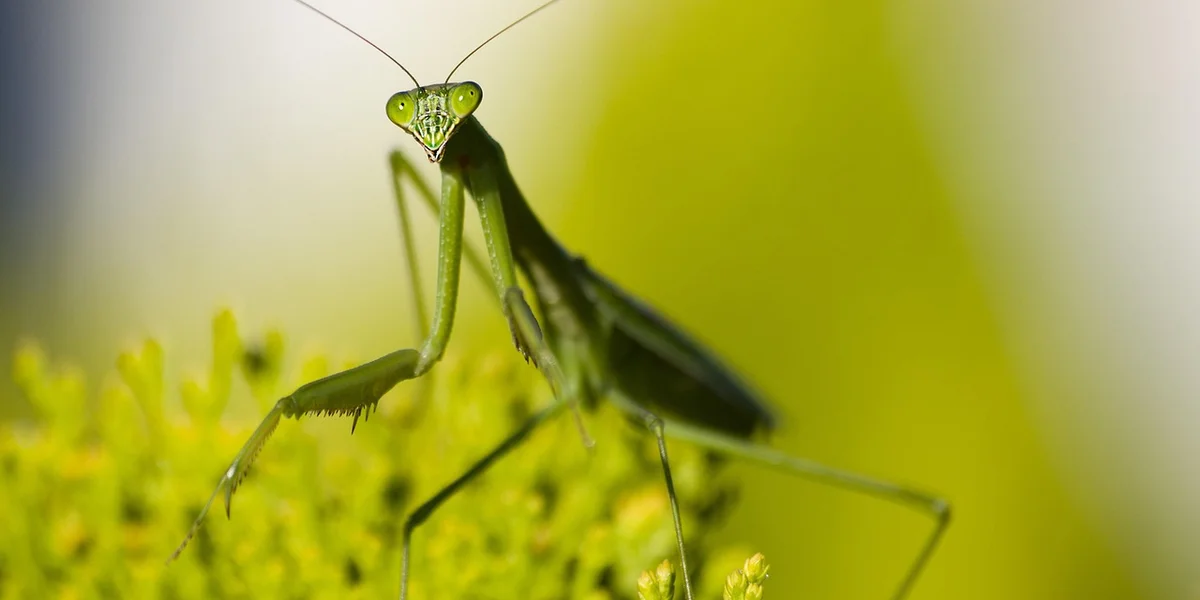
It might seem charming to house mantises and stick bugs in one tank, but their needs clash in ways that can harm them. We always advise against mixing these species to prevent stress and danger. Even when kept in the same room, place each species in its own enclosure to prevent conflicts. That way you can enjoy keeping multiple mantis species without the risks of mixing them.
Cohabitation Risks: Predation, Stress, and Habitat Conflicts
Mantises see stick bugs as food, and their different habitat needs lead to constant tension. Even in a large enclosure, the risk of predation or stress is too high for a peaceful home. For a practical feeding plan, see the ultimate guide to gut-loading feeder insects mantises. It explains how to select and gut-load prey to maximize nutrition while minimizing stress.
- Predation: Mantises are hunters and may attack stick bugs, especially during feeding times.
- Stress: Stick bugs become anxious around predators, reducing their feeding and activity levels.
- Habitat conflicts: Mantises need vertical space and lower humidity, while stick bugs require horizontal room and higher moisture-mixing leads to poor conditions for both.
I once placed a stick bug near Moss’s enclosure out of curiosity, and he immediately stalked it like prey. Stick bugs rely on camouflage to hide, but in close quarters, they can’t escape a mantis’s keen eyes.
Alternatives for Shared Spaces: Safe and Simple Solutions
If you love both species, keep them in separate enclosures side by side for easy care. This way, you can enjoy their unique behaviors without putting either at risk.
- Use individual terrariums tailored to each pet’s needs-tall for mantises, wide for stick bugs.
- Create species-specific setups with appropriate plants and decor; for example, add fake flowers for mantises and real foliage for stick bugs.
- Monitor each enclosure separately to maintain ideal humidity, temperature, and cleanliness.
In my setup, Luna’s vertical home sits next to a stick bug habitat, and both pets seem more relaxed apart. Separate spaces let you give each creature the focused care it deserves, from misting schedules to feeding routines.
Personal Anecdotes: Why Mixing Isn’t Worth the Risk
From experience, trying to house them together often ends in loss or injury. We’ve learned that their safety comes first, even if it means extra enclosures.
When Sprig was young, I considered a shared tank but saw how she eyed moving leaves-a stick bug’s slow crawl would have been irresistible. Stick bugs are fragile, and a mantis’s strike can happen in seconds, so it’s kinder to keep them in their own worlds.
Making the Right Choice for Your Home
-
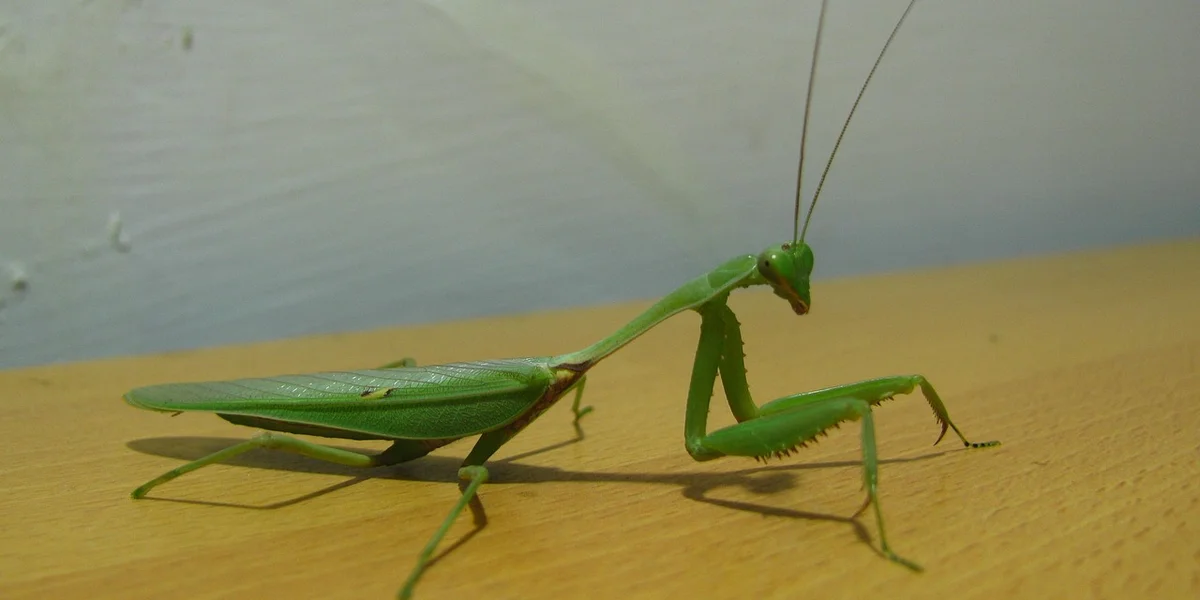
When you’re new to keeping insects, praying mantises often shine for their interactive nature, while stick bugs appeal if you prefer a low-maintenance companion. Mantises like our Ghost Mantis, Luna, tilt their heads and track movement, making feedings feel like a shared moment. These features—head-turning, keen eyes, and swift ambush legs—are what makes mantises so special. Their unique biology blends predator finesse with interactive behavior that keeps the experience engaging. Stick insects, in contrast, spend most days motionless, blending into foliage—ideal if your schedule is busy or you enjoy quiet observation.
We find mantises respond to gentle handling and routine, whereas stick bugs thrive with minimal disturbance. Starting with a mantis can feel like caring for a tiny, watchful friend, while stick bugs offer a peaceful, almost meditative presence.
-
Consider your space, time, and what you love to watch-each species fits different lifestyles. Here’s a quick look at the pros and cons to guide your decision.
Praying Mantises
- Pros:
- Interactive and curious-they’ll often perch on your hand.
- Compact enclosures fit on a desk or shelf.
- Thrilling to watch hunt live prey like fruit flies.
- Cons:
- Need daily misting and regular feeding.
- Live food can be messy or require breeding.
- Shorter lifespan, usually under a year for many species.
Stick Bugs
- Pros:
- Low upkeep-fresh leaves and occasional misting suffice.
- Long-lived, some species survive several years.
- Calm display pets, perfect for a serene corner.
- Cons:
- Fragile bodies can break if handled roughly.
- Need taller tanks for climbing and molting.
- Less personality; they rarely interact directly.
If you have limited space, a mantis enclosure tucks neatly away, but stick bugs demand vertical room to stretch and hide. Time-wise, mantises ask for a few minutes daily, whilst stick bugs might only need attention weekly.
- Pros:
-
We always suggest beginning with one species to build confidence before expanding your insect family. For beginners, choosing the right mantis species is key to a successful start. Choose a hardy mantis like the Giant Asian or a robust stick insect such as the Indian Stick-both forgive beginner mistakes. Once you’re comfortable, you might add a second tank; we started with Moss, our male mantis, and later welcomed a stick insect colony for variety.
Your interest will grow as you learn their rhythms-maybe you’ll crave the excitement of mantis feeding time or the tranquility of stick bug care. Trust your instincts; there’s no rush to collect them all at once.
Questions from Fellow Mantis Friends
How can I tell if my mantis is about to molt?
Look for reduced appetite and increased stillness, as mantises often stop eating and cling to a secure spot before shedding. Their exoskeleton may appear dull or cloudy, and they might hang upside down to facilitate the molting process.
What should I do if my stick bug loses a leg?
Remain calm and ensure the enclosure is clean to prevent infection, as stick bugs can regenerate legs during subsequent molts. Avoid handling them until they recover and provide fresh, easy-to-reach foliage to reduce stress on their injured body.
Are there any plants that are toxic to mantises or stick bugs?
Yes, avoid using plants treated with pesticides or toxic species like oleander, as residues can harm mantises through their prey or stick bugs through direct consumption. Stick to safe, pesticide-free options such as bramble, oak, or rose leaves to keep your pets healthy.
Your Mantis Keeping Path Ahead
Stick insects and praying mantises may both captivate with their slender forms, but their care requirements are worlds apart. Focus on providing a predator-friendly setup with proper perches and live prey to keep your mantis thriving in its unique role.
Embrace the role of a mindful keeper by observing your mantis’s habits and adjusting care as needed. We find that continuous learning through trusted sources or fellow enthusiasts enriches both your experience and your mantis’s well-being.
Further Reading & Sources
- Stick mantis – Wikipedia
- r/Entomology on Reddit: Is this a stick insect or a praying mantis?
- What Is The Difference Between A Walking Stick & A Praying Mantis? – Sciencing
- Pet Care Reptile & Critter Care Keeping Praying Mantises & Stick Insects
Rowan Hale is a lifelong insect enthusiast who fell in love with mantises for their calm presence, alien elegance, and surprising personalities. After years of keeping and raising a variety of species, Rowan shares practical tips, creative insights, and real-world experience to help others enjoy the quiet magic of mantis care. From setting up the perfect enclosure to understanding their subtle behaviors, Rowan invites readers into a gentle, curious world where every tiny movement feels like a discovery.
Common Species