
Safe Mantis Breeding: Introducing Male and Female Step-by-Step
Published on: February 6, 2026 | Last Updated: February 6, 2026
Written By: Rowan Hale
Hello, fellow mantis friend,
There’s a quiet thrill in watching a male mantis approach a female, a dance of life that’s both beautiful and perilous. In that moment, the soft rustle of leaves and the still, focused energy in the air remind us how delicate this process can be.
Safely introducing a male and female mantis for breeding hinges on careful timing, a neutral setup, and close supervision to prevent aggression.
Breeding mantises isn’t simple—their solitary instincts mean they might see each other as prey rather than partners. From my own mishaps with mantises like Luna, I’ve learned that rushing this can lead to heartbreaking outcomes. In this guide, I’ll walk through the mantis mating mistakes new breeders make when mating praying mantises and how to avoid them. Understanding these pitfalls can help you plan more safely and increase your chances of a successful pairing.
Here’s a quick look at what we’ll cover to guide you through it smoothly:
- Choosing the perfect moment when both mantises are mature and receptive
- Setting up a stress-free, spacious environment to encourage calm behavior
- Monitoring interactions closely for any signs of danger or disinterest
- Using gentle techniques to support a successful mating without force
Preparing Your Mantises for Mating
Before introducing your mantises, we focus on selecting healthy, mature individuals to set the stage for success. Choosing mantises that are fully grown and free from recent molts reduces the risk of injury or refusal during mating. This aligns with line-breeding practices and ethical guidelines for mantises. Careful, welfare-conscious choices help maintain healthy lineages as part of a responsible selective-breeding approach.
- Sex them accurately by examining physical differences, which we will detail in the next section.
- Check that neither has molted in the last week, as fresh molts mean they are too vulnerable for breeding.
- Consider species temperament-calm pairs like Ghost Mantises often mate more smoothly than aggressive types.
- Keep age differences minimal; adults of similar maturity levels tend to interact better.
- Quarantine new mantises for three to five days in a separate enclosure to watch for signs of illness.
This quarantine period acts like a gentle buffer, letting you spot any health issues before they spread. We always do this with our mantises, like Luna, to ensure everyone starts in top condition.
Identifying Male and Female Mantises
Sexing mantises is easier when you know what to look for in their bodies. Males typically have slender abdomens and longer antennae, while females are broader with stouter builds.
- Abdomen shape: Males are trim like a willow branch, females are rounded like a dewdrop.
- Antennae size: Male antennae are feathery and extended, perfect for sensing mates, whereas female antennae are shorter and more practical.
- Body length: Females are often larger; in species like the Giant Asian, females can be twice the size of males.
Think of it as comparing a whisper to a hum-subtle but distinct once you notice. This analogy helps beginners grasp the differences without feeling overwhelmed.
Ensuring Readiness and Health
Confirm both mantises are well-fed and relaxed to prevent stress-related issues. A satiated mantis is far less likely to view its partner as a meal.
- Feed them generously with live prey, such as fruit flies or small crickets, 24 hours before introduction.
- Watch for calm behavior-steady perching and slow movements indicate low stress.
- Avoid breeding if you see signs of impending molt, like dull skin or reduced appetite.
With our mantis Moss, we wait until he actively hunts and shows no molting cues. Timing breeding around molting cycles is key to a safe encounter.
Creating a Safe Breeding Enclosure
Set up an enclosure that feels like a natural, secure space for courtship. An ideal size is at least three times the length of your largest mantis to allow room for movement and escape. To create a naturalistic safe habitat for your praying mantis, incorporate branchy, leafy décor and safe hiding spots that resemble its wild environment. Use pesticide-free plants and provide good ventilation to maintain stability and reduce stress.
Use materials like mesh or acrylic with a secure lid to prevent escapes. Essential elements include hiding spots, perches, and gentle vegetation to mimic their habitat.
- Hiding spots: Small cork bark tubes or folded leaves offer retreats if things get tense.
- Perches: Twigs and branches at varying heights support mating positions and reduce falls.
- Gentle vegetation: Soft fake plants or live pothos leaves add cover without sharp edges.
Maintain temperature between 75-85°F and humidity around 60-70% with a gentle misting. Stable conditions help mantises feel comfortable and focused on breeding. Note that different mantis species have different optimal temperature and humidity ranges, so tailor the setup to the species you keep. Some tropical species thrive at higher humidity and warmer temperatures, while others from drier environments do better with lower humidity.
Enclosure Setup and Environment
Arrange the enclosure to encourage natural behaviors and safety. Place structures like branches horizontally and vertically to give options for perching and mating.
- Start with a substrate layer, such as coconut fiber, to hold moisture and provide footing.
- Add stable perches and hiding spots, ensuring they won’t shift or collapse during activity.
- Use a low-wattage heat lamp or mat on one side for warmth, and mist lightly to maintain humidity.
Keep the environment consistent by checking temperature and moisture daily. Regular monitoring prevents stress from sudden changes, much like tending a delicate terrarium.
Feeding and Stress Reduction
Feed both mantises a hearty meal before introduction to reduce cannibalistic urges. To tell if your mantis is hungry or full, observe their behavior after feeding. Hungry mantises will actively stalk and strike at prey, while full mantises tend to ignore prey or rest. Offer prey until they show no interest, which usually means they are full and less aggressive.
Place the enclosure in a quiet corner away from loud noises and frequent movement. A calm setting helps mantises stay relaxed, making the breeding process smoother and safer. You can learn more about creating the ideal environment in how to set up the perfect breeding enclosure for mantises.
Introducing the Mantises Safely
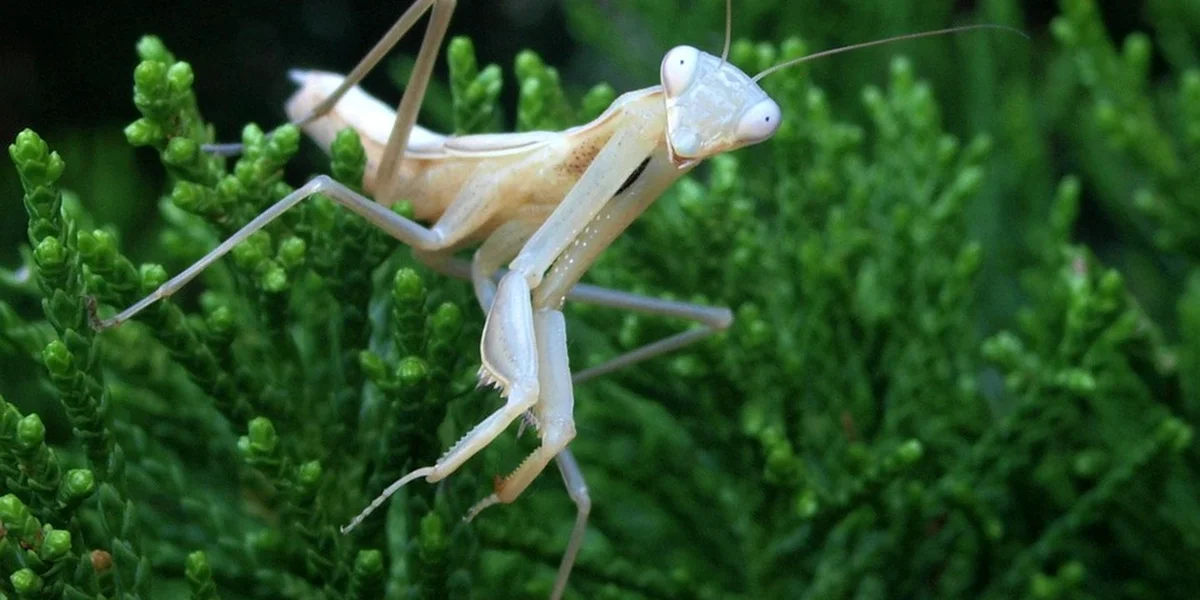
We find that a gentle, watchful approach makes all the difference when first bringing your mantises together.
Supervised sessions allow you to step in quickly if tensions rise, keeping both insects safe and reducing stress.
- Follow a slow step-by-step process that prioritizes calmness, starting with short meetings and building up only if both mantises remain relaxed.
- Observe closely for pheromone cues like antennae flicking or subtle body vibrations, which signal readiness or caution.
- Schedule introductions for about a week after the female’s final molt, when her new exoskeleton has hardened and she’s more likely to accept a mate.
Step-by-Step Introduction Process
- Let the male explore the breeding enclosure first so he can settle in and feel less threatened by the new environment.
- Add the female carefully, perhaps on a low branch, and watch for aggressive stances such as raised forelegs or rapid lunges.
- Begin with brief 10-minute sessions, gradually extending the time if they show calm behaviors like slow movements or mutual ignoring.
Recognizing Early Courtship Signs
Early interactions often reveal whether your mantises are curious or confrontational.
Courtship behaviors include gentle swaying, antennae quivering, and the male making cautious, circling approaches toward the female.
- Look for curiosity in relaxed postures and slow head tilts, while aggression shows in sudden strikes, flared wings, or defensive poses.
- With our Ghost Mantis Luna, we’ve noticed her leaflike frills quiver softly when she’s interested, but if she snaps her arms up, we know to intervene.
Observing the Mating Ritual and Copulation
Once introductions go smoothly, you might witness the intricate dance of mantis mating.
Common rituals include the male leaping onto the female’s back, her remaining still, and copulation lasting from 20 minutes to several hours.
- Describe behaviors like the male’s cautious mount, the female’s receptive stillness, and occasional gentle touches with antennae.
- Intervene only if aggression spikes, using a soft mist of water or a gentle brush to distract them without disrupting copulation.
- Successful mating often ends with the male quickly dismounting and the female appearing calm, sometimes grooming herself afterwards.
Monitoring for Aggression and Safety
Staying vigilant helps prevent injuries during this delicate process.
If you need to separate them, use a smooth stick to guide them apart slowly, avoiding any sudden pulls that could harm their limbs.
- Feed the female a substantial meal, like a plump cricket, before the meeting to curb her hunting instincts and make her less likely to see the male as prey.
- Keep a small container handy to safely isolate either mantis if things turn tense, ensuring a stress-free escape.
Species-Specific Mating Tips
Different mantis species have unique courtship styles that affect how you manage their pairings.
Ghost Mantises tend to be more passive and slow-moving, while Giant Asian mantises often display bolder, more energetic approaches.
- For Ghost Mantises like Luna, expect prolonged, gentle interactions with less risk of cannibalism, making them ideal for beginners.
- Giant Asian males, such as our Moss, may court with vigorous sways and quick leaps, requiring closer supervision to avoid female aggression.
- Orchid Mantises like Sprig can be shy initially, but once comfortable, they engage in delicate, almost floral-like movements during mating.
After Mating: Care and Egg Case Handling
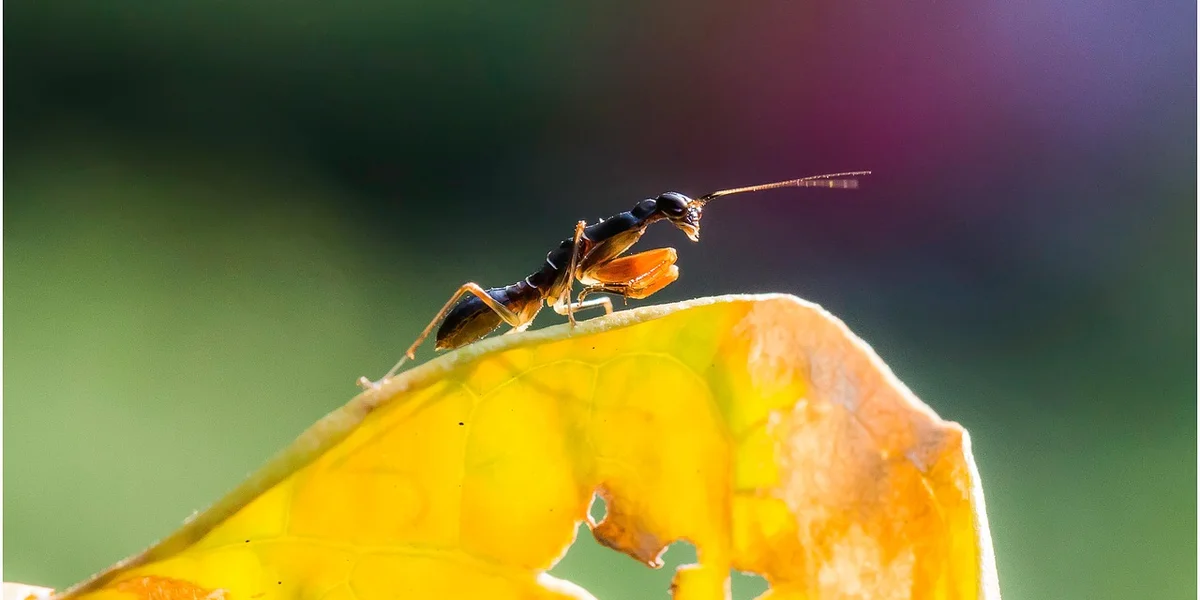
Once mating concludes, we focus on restoring both mantises’ energy and comfort. Offer a hearty meal to both the male and female within hours of separation, as this replenishes their strength after the intense activity.
- Feed nutrient-rich prey like gut-loaded crickets or small roaches to support recovery.
- Perform gentle health checks by observing movement and appetite; look for any limping or reluctance to eat.
- Reduce stress by placing each mantis in a quiet, familiar enclosure with minimal disturbances.
To encourage ootheca formation, adjust their surroundings subtly. A slight boost in humidity-around 60-70%-mimics the damp, nurturing conditions that prompt egg-laying, much like a soft morning dew in a woodland terrarium.
- Provide a high-protein diet with varied insects to fuel ootheca development.
- Ensure peaceful settings by avoiding loud noises or sudden temperature changes.
Handling the egg case requires a delicate touch to protect the future nymphs. Wait until the ootheca hardens, usually within a day, before gently transferring it to a ventilated container with stable humidity.
- Use a soft brush or your fingers to carefully detach the ootheca from its attachment point.
- Store it in a small deli cup or similar container with a moist paper towel to maintain moisture.
- Keep the container in a warm, shaded area away from direct heat or drafts.
Encouraging Ootheca Development
Small environmental adjustments can make a big difference in egg case production. Increasing humidity by lightly misting the enclosure daily helps simulate the humid microclimates mantises seek for laying eggs.
- Maintain temperatures between 75-80°F (24-27°C) for optimal comfort.
- Offer hiding spots like leaves or bark to make the female feel secure and less stressed.
Timing is key-ootheca typically appear within one to three weeks after a successful mating. From our time with Sprig, we noticed her ootheca emerged about ten days post-mating, nestled quietly among the orchid leaves.
Long-Term Health Considerations
Separating the mantises immediately after mating prevents repeated stress and potential aggression. House them in individual enclosures to allow for rest and reduce the risk of injury from further encounters.
- Monitor for signs of fatigue, such as reduced activity or refusal to eat, and offer extra hydration with gentle misting.
- Watch for injuries like torn limbs or antennae; if spotted, provide a calm environment and easy-to-catch prey.
In our care, Moss showed slight lethargy after breeding, so we gave him space and frequent small meals to bounce back. Regular observation helps catch issues early, ensuring both mantises thrive long after the breeding process.
Preventing Cannibalism and Common Issues
Reducing cannibalism risks starts with thoughtful setup and timing. Introduce the pair in a spacious enclosure to give the male room to escape if needed, much like providing open ground in a forest clearing.
- Time introductions for evenings or early mornings when mantises are naturally calmer.
- Use distraction feeding by offering the female a large prey item just before introducing the male.
If cannibalism occurs, remember it’s a natural behavior in mantises and not a failure on your part. Praying mantises are true carnivores, and occasional cannibalism can be part of their natural behavior. Quickly remove any remains and focus on comforting the surviving mantis with a peaceful environment and extra food.
- Adjust future attempts by waiting a week or two before retrying, and consider using a larger or more complex habitat.
- Observe the female’s feeding response; a well-fed female is often less aggressive.
Minimizing Aggression During Breeding
Strategic approaches can lower aggression and improve mating success. Introduce the male after the female has eaten her fill, as this reduces her hunting instincts and makes her more receptive.
- Schedule interactions at night under dim lighting to capitalize on their subdued activity levels.
- Recognize early stress signals like rapid antennae flicking or defensive postures, and separate them gently if needed.
With Luna, we learned that a calm introduction in low light helped her stay relaxed, avoiding any sudden strikes. Keeping a watchful eye allows you to intervene before tensions escalate, fostering a safer breeding experience.
Handling Unsuccessful Mating Attempts
Not every pairing will result in mating, and that’s perfectly normal in mantis care. If the first attempt fails, wait about a week before retrying to give both mantises time to recover and reduce stress.
- Adjust the setup by adding more foliage or changing the introduction location to improve compatibility.
- Consider the individuals’ temperaments; some mantises simply aren’t a good match, much like in any social dynamic.
We’ve had pairs that needed multiple tries, and patience often pays off. Embrace the process as a learning opportunity, and don’t be discouraged-each attempt teaches you more about your mantises’ unique behaviors.
Common Mantis Queries
How can I tell if the ootheca is fertile and will hatch?
A fertile ootheca often darkens and hardens over time, but confirmation usually comes when nymphs emerge after several weeks. Maintain stable humidity and temperature to support development until hatching occurs.
What should I do if the male seems too timid or refuses to approach the female?
Give the male more time to acclimate in the breeding enclosure and try reintroducing him after a day or two. Ensuring he is well-fed and reducing environmental stressors can boost his confidence for mating.
How do I manage the health of mantises after multiple breeding sessions?
Offer nutrient-rich meals and extended rest periods between attempts to prevent fatigue and stress. Regularly check for injuries or behavioral changes, and house them separately to minimize repeated aggression.
Your Guide to a Smooth Mantis Pairing
Before bringing your mantises together, check that both are healthy and at the right life stage for breeding. Always supervise their meeting in a calm, neutral space to reduce stress and prevent aggression. If you’re following a step-by-step guide to breed mantis species successfully, these prep checks lay the foundation. A careful, methodical approach increases the chances of a successful pairing.
As caring keepers, we must prioritise our mantis’s safety and comfort in every step. Embrace ongoing learning through reliable resources to deepen your understanding of their unique needs.
Further Reading & Sources
- Breeding praying mantises | Keeping Insects
- Breeding mantids | Jenny Read
- Praying Mantid caresheet – Amateur Entomologists’ Society (AES)
- Breeding Carolina Mantises – PanTerra Pets
Rowan Hale is a lifelong insect enthusiast who fell in love with mantises for their calm presence, alien elegance, and surprising personalities. After years of keeping and raising a variety of species, Rowan shares practical tips, creative insights, and real-world experience to help others enjoy the quiet magic of mantis care. From setting up the perfect enclosure to understanding their subtle behaviors, Rowan invites readers into a gentle, curious world where every tiny movement feels like a discovery.
Breeding Practices