
Praying Mantis Egg Temperature and Humidity Guide
Published on: March 8, 2026 | Last Updated: March 8, 2026
Written By: Rowan Hale
Hello, mantis friend.
Picture those tiny, papery lanterns clinging to a twig in your terrarium-each ootheca holds a miniature world waiting to stir. The secret to coaxing that world to life lies in two gentle forces: warmth and moisture.
Most praying mantis eggs thrive between 20-30°C (68-86°F) with humidity levels of 40-60%, though some tropical species prefer slightly warmer, damper conditions.
But these numbers only tell part of the story. Even small shifts can delay hatching or affect the health of your future nymphs. We’ve hatched dozens of oothecae over the years-from our Ghost Mantis Luna’s delicate cases to Moss the Giant Asian’s sturdier pods-and learned that steady conditions matter just as much as the perfect range.
Here’s what we’ll cover:
- Ideal temperature ranges for common mantis species
- How to measure and adjust humidity safely
- Affordable tools to monitor your ootheca’s environment
- Seasonal tips for overwintering temperate egg cases
Getting to Know the Mantis Ootheca
An ootheca is the protective egg case where mantis eggs develop, and it often looks like a small, foamy pouch attached to twigs or leaves. Each species has its own ootheca style, from the rough, sandy texture of a Giant Asian Mantis case to the smoother, leaf-like shape of a Ghost Mantis’s. When Luna, our Ghost Mantis, laid her first ootheca, it clung delicately to a branch with a misty brown hue that blended into her habitat. We’ve found that gently observing these cases helps you spot signs of health, like a firm feel and consistent color.
Oothecae can vary in size and placement based on the mantis type, so it’s wise to note where yours is located. Handling them with care prevents damage, as the outer foam shields the eggs from predators and drying out. In our experience, a well-formed ootheca feels slightly spongy but resilient, much like a damp piece of bark. If you notice any cracks or discoloration, it might need a closer look to ensure the eggs inside are safe.
- Common ootheca traits: foam-like exterior, attached to stable surfaces, color ranges from tan to dark brown.
- Species examples: Orchid Mantis oothecae are often smaller and paler, while others like the Chinese Mantis have larger, rugged cases.
- Monitoring tips: Check for mold or shrinkage weekly, and avoid moving the ootheca unless necessary.
Creating the Ideal Incubation Environment
Setting the Right Temperature Range
Mantis eggs thrive in warm conditions, typically between 20°C and 30°C (68°F to 86°F), depending on the species. Keeping the temperature steady mimics the natural warmth of spring, encouraging the nymphs to develop without stress. For Moss, our Giant Asian Mantis, we used a simple heat mat set to 25°C, which worked a treat for his ootheca’s hatch. Fluctuations can delay hatching, so we recommend using a thermometer to monitor it daily. Temperature also affects growth after hatch. Warmer, steady conditions within the species’ range typically speed up molts and development, while fluctuations or extremes can delay growth or affect final size. For more information on the temperature effects on mantis development, check out this resource.
You can adjust temperatures with household items like a warm room or a shaded windowsill. Avoid direct sunlight or cold drafts, as extreme changes might harm the delicate eggs inside. If the air feels too cool, placing the enclosure near a consistent heat source, such as a router or lamp, can provide a gentle boost. We’ve seen better results with gradual warming rather than sudden shifts.
- Use a digital thermometer to track temperatures accurately.
- Opt for heat mats or room heaters set on low for controlled warmth.
- Check species-specific needs; for instance, tropical mantises prefer the higher end of the range.
Managing Humidity and Moisture Levels
Humidity levels around 50% to 70% help prevent the ootheca from drying out, creating a cozy, humid microclimate. Light misting with warm water every few days maintains moisture without soaking the eggs, much like a soft morning dew. When caring for Sprig’s Orchid Mantis ootheca, we misted it lightly until the surface glistened, which kept it supple and healthy. Too much moisture can lead to mold, so aim for a balance where the air feels fresh and damp.
Signs of low humidity include a brittle or shrinking ootheca, while excess dampness may cause fuzzy growth. We use a hygrometer to measure humidity and adjust by increasing ventilation or misting as needed. In our setups, a small dish of water nearby or a lightly damp paper towel can boost humidity naturally. Remember, a well-hydrated ootheca should feel firm but not wet to the touch.
- Tools for humidity control: hygrometers, spray bottles with fine mist, and ventilation holes.
- Routine checks: Mist every 2-3 days, and ensure the enclosure isn’t airtight to allow airflow.
- Troubleshooting: If mold appears, reduce misting and gently wipe the ootheca with a dry cloth.
Step-by-Step Incubation Process
Essential Supplies for Incubation
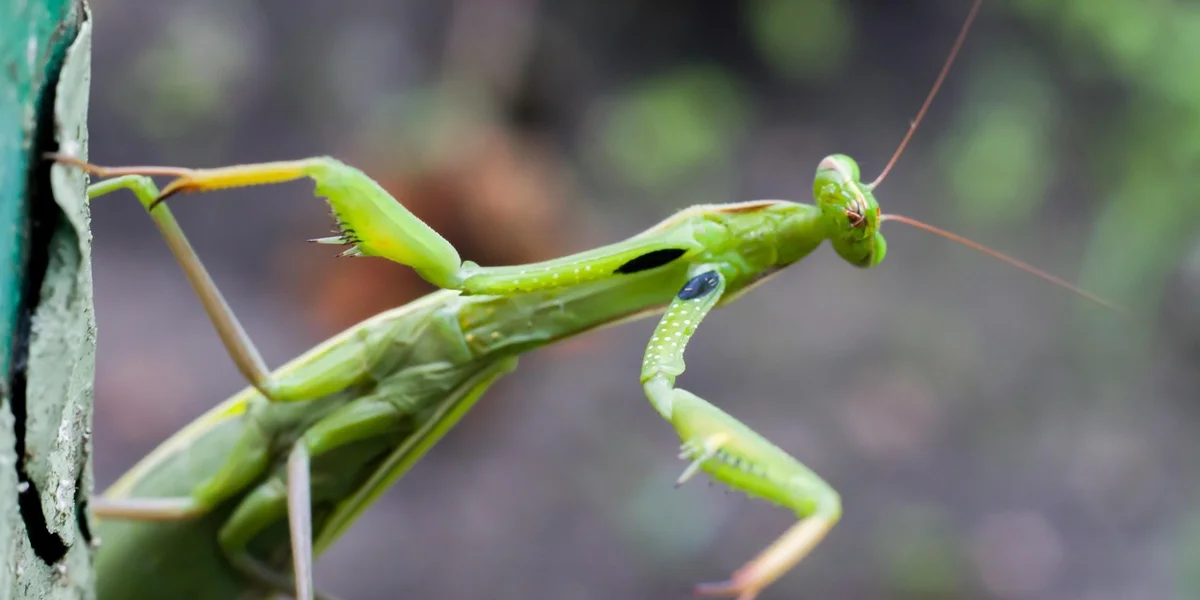
Gathering the right tools before starting makes everything smoother. You’ll need a small, ventilated container like a deli cup or mesh habitat. A reliable digital thermometer and hygrometer are non-negotiable for accurate readings. A fine mist spray bottle for distilled or purified water is gentler on the ootheca than tap water. For heat, a simple heat mat placed near the enclosure works wonders, but never directly underneath it. Having these items ready transforms a potentially stressful process into a calm, manageable routine.
Step 1: Prepare the Incubation Space
Choose a quiet location away from direct sunlight, drafts, and heavy household traffic. A stable surface like a shelf or desk is perfect. Set up your empty container and place your thermometer and hygrometer inside. Give them an hour to stabilize so you know your starting readings are correct. This initial calibration period helps you establish a reliable environmental baseline from day one.
Step 2: Position the Ootheca Safely
Handle the egg case with extreme care, using soft-tipped tweezers if needed. The ootheca should be positioned exactly as the mother mantis left it; the top is usually flatter, and the bottom may have a seam. If it was attached to a twig or lid, keep it attached. Suspend it from the top of the enclosure or secure it to a side wall using a tiny dab of non-toxic glue or a piece of string. Correct orientation is vital, as flipping it can trap the nymphs inside when they try to emerge. This section is part of a care guide for praying mantis egg cases (ootheca). For detailed steps on hatchling care, refer to our ootheca care guide.
Step 3: Regulate Temperature and Humidity
This is the heart of the incubation process. For most common species like the Giant Asian or European mantis, aim for a steady temperature between 72-82°F (22-28°C). Humidity should hover around 50-60%. Use your heat mat on a low setting placed to the side of the container to create a gentle warmth gradient. Lightly mist the sides of the enclosure once daily, avoiding spraying the ootheca directly to prevent mold. A consistent, gentle warmth and moderate humidity mimic the safe spring conditions that trigger natural hatching.
Step 4: Monitor and Make Adjustments
Check your thermometer and hygrometer at least twice a day, morning and evening. If humidity drops, mist the sides of the enclosure again. If it’s too high, increase ventilation by slightly enlarging the air holes. With my Ghost Mantis Luna’s ootheca, I found a small cup of water with a paper towel wick inside the enclosure provided a wonderfully steady humidity release. Daily monitoring is your best defense against the slow, creeping changes that can compromise an egg case.
Step 5: Watch for Hatching Signs
As hatching nears, you might notice subtle changes. The ootheca may darken slightly or appear more “puffed out.” Tiny, almost invisible exit holes might become apparent at the seam. The most exciting sign is seeing miniature, translucent mantis nymphs pressed against the inside of their foam casing. Once you see this, reduce misting slightly but ensure a small container of fruit flies is ready. These final visual cues are the quiet, thrilling payoff for your weeks of patient care, especially when you’ve been following a comprehensive hatching day countdown and checklist.
Troubleshooting Common Incubation Issues
Low Humidity and Egg Desiccation
An ootheca that looks shrunken, brittle, or is cracking is a classic sign of low humidity. The foam-like structure dries out, making it impossible for the nymphs to push their way out. If you catch this early, increase misting frequency and consider placing a small, shallow water dish inside the incubation container. Preventing desiccation is far easier than reversing it, which is why daily humidity checks are so critical.
Excess Humidity and Mold Growth
A fuzzy white or green coating on the ootheca signals a humidity problem. While the egg case has natural antifungals, it can be overwhelmed. Immediately stop misting and increase air flow dramatically. You can gently dab visible mold spots with a cotton swab dipped in a diluted vinegar solution (one part vinegar to ten parts water). Mold thrives in stagnant air, so good ventilation is just as important as the right moisture level.
Temperature Extremes and Fluctuations
Consistency is key. Temperatures dipping below 65°F (18°C) can dramatically slow or halt development, while spikes above 90°F (32°C) can be fatal. Avoid placing enclosures near windows or heat vents. Using a heat mat connected to a simple thermostat is the most reliable way to prevent these dangerous swings. Think of incubation like baking; a steady, even heat gives you the best results, not a wildly fluctuating oven.
When Hatching Doesn’t Occur
If the expected hatching window passes with no activity, don’t lose hope immediately. Some species undergo diapause, a natural hibernation period, and may need a cool period before warming triggers hatching. Gently inspect the ootheca; if it remains firm and heavy, the eggs are likely still viable. If it feels light, hollow, or crumbles easily, it may be infertile. Patience is a mantis keeper’s greatest virtue, as some oothecae can take many months before the magic happens.
Species-Specific Temperature and Humidity Needs
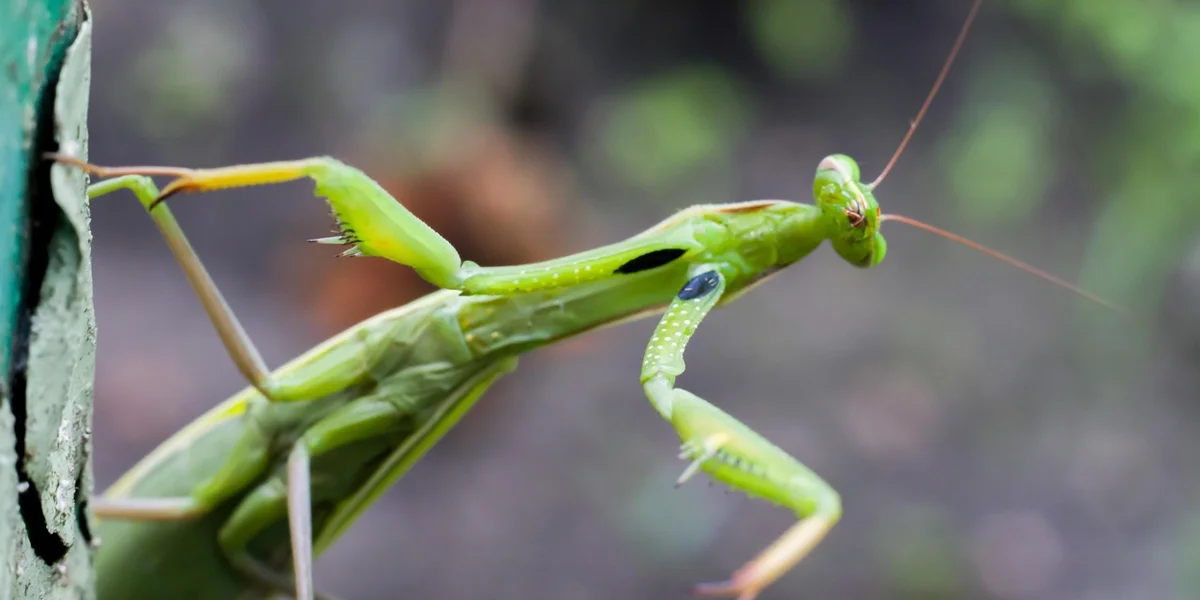
Not all mantis eggs are created equal. Each species has evolved to thrive in its own native climate, and their oothecae generally require specific care to ensure successful hatching. Providing the right conditions is the first loving gift you give your future hatchlings.
Common Pet Species and Their Requirements
Let’s explore the needs of some popular pet mantises. Think of their ootheca as a tiny, self-contained greenhouse, waiting for the right weather to sprout.
- Giant Asian Mantis (Hierodula membranacea): These robust mantises enjoy warm, humid conditions. Their oothecae do best at 75-85°F (24-29°C) with 60-70% humidity. My male, Moss, hatched from an ootheca I kept on the warmer end of that scale, and the nymphs were incredibly energetic from the start.
- Ghost Mantis (Phyllocrania paradoxa): Hailing from warmer parts of Africa, Ghosts prefer it a touch hotter and more humid. Aim for 80-88°F (27-31°C) and 70-80% humidity. My Ghost, Luna, emerged from an ootheca I kept at a steady 82°F, and the tiny, leaf-like nymphs were a wonder to behold.
- Orchid Mantis (Hymenopus coronatus): This species is more delicate. They need high, consistent humidity but not excessive heat. Keep their ootheca at 75-80°F (24-27°C) with a higher humidity range of 80-90%. My juvenile, Sprig, thrived after hatching in these conditions, her pink and white colours vivid and healthy.
- European Mantis (Mantis religiosa): Being a temperate species, they are more forgiving. A temperature of 70-80°F (21-27°C) and 50-60% humidity is often sufficient. Their oothecae are built to withstand cooler nights, making them a great choice for beginners.
Creating the Perfect Microclimate
How do you actually achieve these specific conditions? It’s simpler than you might think.
- Find a Stable Location: Place the ootheca’s enclosure in a quiet spot away from direct sunlight, which can cause dangerous temperature spikes. A high shelf or a dedicated cabinet often works well.
- Gentle Heating: For most species, a low-wattage heat mat placed on one side of the enclosure creates a gentle temperature gradient. This allows the ootheca to experience subtle, natural warmth without overheating.
- Maintaining Humidity: Lightly mist the sides of the enclosure and any foliage near the ootheca once a day. We never spray the ootheca itself directly, as this can promote mold growth. A small, shallow water dish in the enclosure can also help raise ambient humidity.
| Species | Ideal Temperature | Ideal Humidity |
|---|---|---|
| Giant Asian | 75-85°F (24-29°C) | 60-70% |
| Ghost Mantis | 80-88°F (27-31°C) | 70-80% |
| Orchid Mantis | 75-80°F (24-27°C) | 80-90% |
| European Mantis | 70-80°F (21-27°C) | 50-60% |
Caring for Hatchlings and Beyond
The moment the first tiny mantis emerges is pure magic. Your care now shifts from incubating eggs to supporting dozens of fragile, new lives. This stage requires a gentle touch and quick preparation. From egg to adult, steady care guides each molt and growth. Monitor moisture, food, and space to support them all the way to adulthood.
The First 48 Hours
Hatchlings, called L1 nymphs, are incredibly vulnerable. Their first days set the stage for their entire development. A day-by-day look at raising hatchlings is captured in the L1 nymph diaries.
- Do Not Disturb: For the first day or two, the nymphs will not eat. They are absorbing their yolk sac and hardening their exoskeleton. It’s best to observe quietly and avoid any handling.
- Critical Humidity: The enclosure humidity must remain high during this period. Soft, humid air prevents their delicate bodies from drying out before their first molt. A fine mist on the enclosure walls each morning is perfect.
- Safe Housing: A well-ventilated container with plenty of fine mesh or netting for them to hang from is essential. They need to be upside-down to molt successfully.
Feeding Your Tiny Predators
After their initial hardening period, the hunt begins. Their prey must be smaller than the space between their eyes.
- First Meal: Flightless fruit flies (Drosophila melanogaster) are the ideal first food. They are small, slow-moving, and highly nutritious. You can culture them yourself or purchase cultures online.
- Feeding Schedule: Offer a light dusting of fruit flies every two to three days. There should always be a few flies wandering about for the nymphs to catch. Remove any uneaten flies after 24 hours to keep the enclosure clean.
- Hydration: Nymphs get most of their moisture from their prey and from drinking tiny water droplets after misting. A small, shallow bottle cap filled with wet cotton wool provides a safe drinking spot without drowning risk.
Managing the Brood
You will likely have more nymphs than you can keep. Planning ahead prevents overcrowding and ensures each mantis has the best chance at life.
- Separation is Key: Mantis nymphs are cannibalistic. They must be separated into individual enclosures within a week of hatching. Small deli cups or specially designed mantis enclosures work wonderfully.
- Finding Homes: Be prepared to rehome most of the nymphs. Connect with local pet stores, reptile expos, or online mantis communities. It’s a lovely way to share the joy of these creatures.
- Selecting Keepers: If you wish to keep a few, choose the most active and robust-looking nymphs. Watch for those that are alert, have a good feeding response, and molt without complication.
Common Mantis Queries

How does humidity directly affect the developing mantis eggs inside the ootheca?
Proper humidity keeps the ootheca’s foam-like structure supple, allowing the nymphs to push their way out when it’s time to hatch. If the humidity is too low, the case can become hard and brittle, trapping the nymphs inside.
Is it safe to mist the ootheca directly with water?
It is generally recommended to mist the sides of the enclosure and the surrounding foliage instead of spraying the ootheca directly. Directly misting the egg case can sometimes promote mold growth, which can harm the developing eggs.
What are the visual signs that my mantis egg case has the correct humidity?
A healthy ootheca with good humidity will feel firm but slightly spongy and will not show any signs of shrinking or cracking. You should not see any fuzzy mold growth, which would indicate the environment is too damp.
A Gentle Farewell on Mantis Egg Care
Keep your mantis eggs in a warm, stable spot with balanced humidity to encourage healthy hatching. We find that mimicking their natural environment with steady warmth and gentle moisture makes all the difference for those tiny lives. To hatch praying mantis eggs successfully, follow these step-by-step tips. We’ll guide you through the essential steps from setup to emergence.
As mantis keepers, we grow alongside our pets by staying attentive and curious about their needs. Embrace the journey of learning—it deepens your bond and ensures your mantis thrives from egg to adult. A complete care and handling guide for praying mantises can help you apply those lessons with safe, humane handling. It also details behavior cues to guide you through every life stage.
Further Reading & Sources
- breeding – When will mantis eggsacks hatch if kept at room temperature? – Pets Stack Exchange
- What Temperature Release Praying Mantises
- Praying Mantid caresheet – Amateur Entomologists’ Society (AES)
- Care for Mantis Eggs | Mantid Forum – Mantis Pet & Breeding Forum
Rowan Hale is a lifelong insect enthusiast who fell in love with mantises for their calm presence, alien elegance, and surprising personalities. After years of keeping and raising a variety of species, Rowan shares practical tips, creative insights, and real-world experience to help others enjoy the quiet magic of mantis care. From setting up the perfect enclosure to understanding their subtle behaviors, Rowan invites readers into a gentle, curious world where every tiny movement feels like a discovery.
Temperature and Humidity