
When and How Do Praying Mantis Lay Their Eggs?
Hello mantis friend, picture this: a delicate green form perched on a leaf, motionless until she begins crafting a frothy, sculpted cradle for her future young. Praying mantises lay their eggs primarily in late summer or autumn, creating sturdy, foam-like cases called oothecae that shield the eggs through winter. We’ve watched our own Ghost Mantis, Luna, take her time selecting the perfect spot, a quiet ritual that speaks to nature’s careful planning.
Yet, the process isn’t always straightforward-factors like species, temperature, and even the mantis’s age can shift the timing and technique. That’s why we’re here to gently guide you through the details, so you can support your mantis with confidence. In this section, we’ll touch on the key takeaways:
- Optimal seasons and triggers for egg-laying in different mantis types
- Step-by-step how mantises build and attach their oothecae
- Simple ways to recognize when your mantis is preparing to lay
- Tips for safeguarding oothecae in home enclosures
What Is a Praying Mantis Ootheca?
An ootheca is the foam-like egg case that female praying mantises create to protect their eggs. It resembles a small, spongy pod, often tan or light brown, with a texture that hardens to feel like crisp paper. This unique structure shields the eggs from predators, dehydration, and temperature swings, acting as a cozy nursery for the developing nymphs.
Female mantises produce the ootheca by secreting a frothy liquid from their abdomen. They whip this substance into a bubbly foam, carefully shaping it around the eggs as it sets. Using gentle movements, she molds the case into its final form, which can take just minutes to firm up enough to withstand the elements. Proper care for the ootheca is essential to ensure successful hatching.
In captivity or wild settings, mantises choose secure spots for their oothecae. Common placement includes twigs, leaves, or the corners of an enclosure, where the case blends naturally with the environment. For instance, my Ghost Mantis Luna once laid hers on a slender branch, and its leaf-like frills made it nearly invisible. In gardens, they might attach to plant stems or fences, ensuring the eggs stay safe until spring arrives.
When Do Praying Mantises Lay Eggs?
Praying mantises generally lay eggs in spring or summer, following their mating season. This period aligns with warmer weather, when adult mantises are most active and ready to reproduce. Across their life cycle, mantises molt from nymphs to adults, with behavior and hunting strategies evolving at each stage. Early instars are small and rely on stealthy ambush, while adults exhibit more complex mating and reproduction behaviors. After reaching maturity, females often mate and then begin producing oothecae within a few weeks, depending on species and conditions.
Environmental factors like temperature and climate heavily influence egg laying. Warmer regions may see earlier activity, while cooler areas delay it until consistent heat encourages the process. Mantises rely on steady warmth to trigger their reproductive cycles, much like how plants bloom in response to seasonal changes.
Fertilization after mating directly affects when eggs are laid. A mated female can store sperm and lay multiple fertile oothecae over time, whereas unmated ones might still produce cases that won’t hatch. This ensures eggs are only laid when there’s a real chance for nymphs to thrive, reflecting nature’s careful balance.
How Do Praying Mantises Lay Eggs?

-
Before laying, a female mantis becomes noticeably restless and stops eating as she searches for a secure, sheltered spot. She often chooses sturdy branches, twigs, or even the corners of her enclosure where the surface is firm and slightly textured. We’ve watched Luna, our Ghost Mantis, spend hours gently tapping surfaces with her forelegs before settling on a favourite vine-her quiet, deliberate movements show just how careful she is about this choice.
-
Once positioned, she secretes a frothy, sticky foam from her abdomen and begins laying eggs into this bubbly mass. This foam, which smells faintly earthy and feels warm to the touch, is whipped into a protective case as she carefully shapes it around the eggs. It’s a mesmerising process; she uses rhythmic abdominal contractions to build the ootheca layer by layer, much like a baker piping frosting.
-
Within hours, the foam hardens into a tough, leathery ootheca that shields the eggs from predators and harsh weather. This hardened case is remarkably resilient, often blending with its surroundings to avoid detection by birds or other insects. We’ve seen oothecae survive gentle bumps and even light sprays of water, thanks to their crust-like exterior that forms a natural barrier.
Incubating Mantis Eggs for Hatching
-
Successful incubation relies on three key factors: consistent warmth (around 20-30°C), moderate humidity (50-70%), and a clean environment to prevent mold. Keeping the ootheca in a well-ventilated space away from direct sunlight helps mimic the stable conditions mantis eggs need in the wild. We always use a small hygrometer to monitor humidity levels, as too much moisture can lead to fungal growth that harms the developing nymphs.
-
To encourage hatching in captivity, gently increase light exposure and temperature over several weeks to simulate springtime cues. We’ve found that placing the ootheca near a window with indirect light or using a low-wattage heat lamp can trigger the natural response for nymphs to emerge. Avoid sudden changes; a gradual shift in conditions works best to avoid stressing the eggs.
-
Mantis eggs typically hatch in 3 to 8 weeks, depending on the species and environment. When they hatch, tiny nymphs—often pale and translucent—emerge, looking like miniature adults with slender bodies and oversized eyes (but not those typical for praying mantis eggs in general). Our Moss’s offspring, for instance, were no larger than rice grains but moved with the same curious energy as their father, ready to start hunting small prey almost immediately.
Caring for Egg-Laying Mantises in Captivity
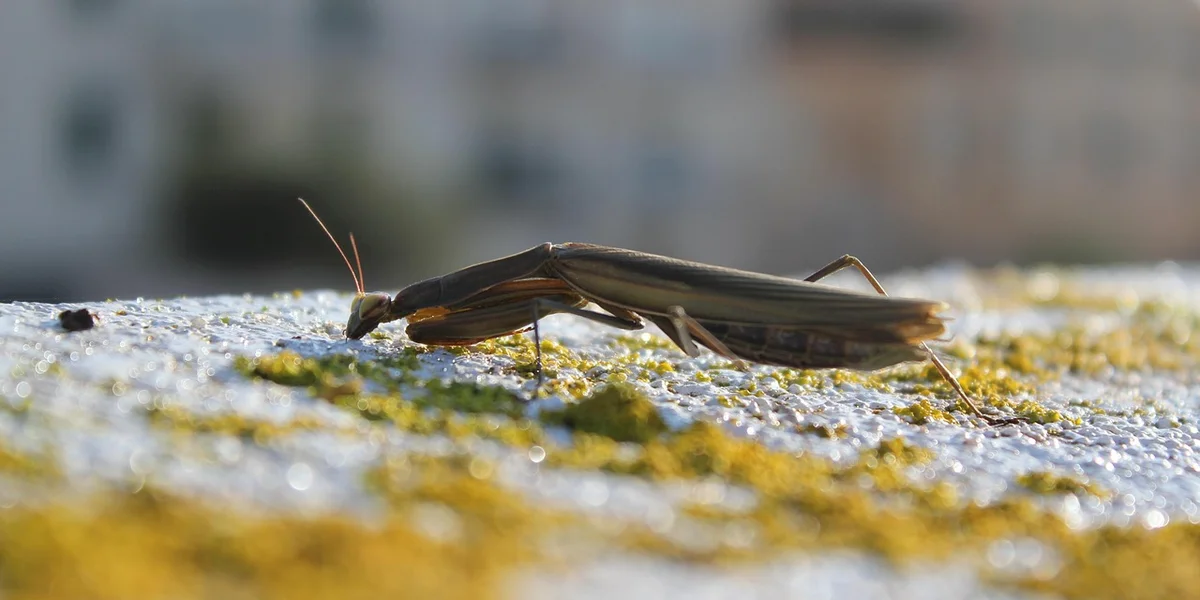
Creating a comfortable habitat encourages your mantis to lay eggs. We find that mimicking their natural environment reduces stress and supports healthy reproduction. Start with an enclosure that has vertical branches or mesh sides for ootheca attachment, as mantises prefer elevated spots. Create a naturalistic, safe habitat for your praying mantis by including live plants and secure, escape-proof features. This setup helps mimic their native environment and further reduces stress, supporting healthy reproduction.
Optimal Habitat Setup
A well-designed space makes all the difference. Maintain humidity around 70% with daily misting using lukewarm water to simulate dew. Use live plants like pothos or ferns to add cover and humidity retention.
- Ensure temperatures stay between 22-28°C, using a low-wattage heat lamp if needed.
- Provide hiding spots with cork bark or leaves to make your mantis feel secure.
- Offer a varied diet of gut-loaded insects to boost her nutrition before laying.
Monitoring Health and Behavior
Watch for subtle changes in your mantis. A plump abdomen and increased restlessness often signal she’s ready to lay. Check that she’s eating well and moving normally-any lethargy or refusal of food might indicate issues.
- Observe her posture; she may frequently test surfaces with her abdomen before depositing an ootheca.
- Note any color changes or unusual movements, as these can reflect stress or illness.
- Keep a simple journal to track feeding, molting, and behavior patterns over time.
Handling and Relocating Oothecae
If the egg sac is in an awkward spot, move it carefully. Gently loosen the ootheca with a soft brush or tweezers to avoid damaging the delicate foam. Always handle with clean, dry hands to prevent contamination.
- Mist the area lightly to soften the attachment if it’s stuck.
- Slide a thin card underneath to support the ootheca during transfer.
- Place it in a similar orientation and location in the enclosure, securing it with a dab of non-toxic glue if necessary.
Troubleshooting Common Egg Laying Issues
Sometimes, mantises delay or avoid laying eggs due to external factors. Stress from loud noises or frequent handling is a common culprit, so we keep enclosures in quiet areas. Inadequate humidity or temperature swings can also disrupt their rhythm.
Reasons for Egg Laying Problems
Identify root causes to address them effectively. Poor nutrition or a lack of mating opportunities may lead to infertile oothecae or none at all. An enclosure that’s too small or bare can make your mantis feel exposed and unsafe.
- Check for consistent humidity and warmth-sudden drops can cause hesitation.
- Ensure she has access to a male if breeding is intended, but note that not all females need to mate to lay eggs.
- Look for signs of illness, like discoloration or weakness, which might require veterinary care.
Improving Reproduction Success
Small adjustments can boost your mantis’s confidence. Add more foliage and climbing options to make the space feel like a miniature jungle. Essential habitat requirements are a key part of keeping a healthy praying mantis. A well-designed enclosure with the right plants, humidity, and hiding spots supports her well-being. Offer high-protein foods like fruit flies or small crickets to build her energy reserves.
- Gradually increase misting frequency to raise humidity without making the enclosure soggy.
- Reduce disturbances by covering part of the enclosure with a light cloth during peak activity times.
- Introduce a male briefly for mating if she’s of appropriate age and size, but supervise to prevent aggression.
Ethical Breeding and Hatchling Management
Breeding mantises comes with responsibilities. Plan ahead for hatchling care, as dozens of nymphs can emerge from one ootheca. Only breed if you have homes or resources for the young, to avoid overcrowding or neglect.
- Research local regulations; never release non-native species into the wild.
- Set up separate small enclosures for hatchlings with fine mesh for ventilation and easy feeding.
- Consider donating extras to educational programs or fellow enthusiasts to ensure their well-being.
Common Mantis Queries
Where can I buy praying mantis eggs for my pet mantis?
Praying mantis eggs are commonly sold by specialized breeders, online pet suppliers, or through reputable insect forums. Always check for seller credibility and ensure the species is suitable for your local climate and care setup. For help finding trustworthy options, consult a Where to Buy Praying Mantis Eggs: Reliable Sources Guide that reviews sellers and highlights red flags to avoid.
How do praying mantis eggs benefit my garden?
Releasing praying mantis eggs in your garden introduces natural pest control, as hatching nymphs feed on harmful insects like aphids and caterpillars. Place oothecae in sheltered, plant-rich areas to maximize survival and effectiveness against garden pests. Creating a mantis-friendly garden also attracts other beneficial insects, enhancing natural pest control. Include a variety of plants and sheltered spots to support mantises and the broader beneficial insect community.
Can I purchase praying mantis eggs on Amazon?
Yes, praying mantis eggs are sometimes available on Amazon from third-party sellers specializing in live insects or garden supplies. Read customer reviews carefully and confirm shipping policies to ensure the eggs arrive in good condition for hatching.
Gentle Guidance for Your Mantis’s Egg-Laying Journey
Female mantises lay their eggs in sturdy oothecae after mating, so we recommend offering secure branches and maintaining gentle humidity in their enclosure. To set up the perfect breeding enclosure for mantises, prioritize vertical space, secure perches, and stable humidity. A thoughtfully arranged space supports easier observation and safer egg deposition. Observing her slow, deliberate movements and providing a stress-free space helps ensure she deposits her eggs safely and successfully.
We encourage all mantis owners to keep exploring care techniques and connect with fellow enthusiasts for shared insights. Embracing this ongoing learning journey allows us to nurture our pets with confidence and compassion throughout their life stages. For a practical, step-by-step guide on safe handling, check out our care praying mantis complete handling guide. It offers clear tips for respectful interaction at every stage.
Further Reading & Sources
- Praying Mantis Egg Laying – Eliza Howell Nature Walks
- Life Cycle of a Praying Mantis – Insect Lore
- Praying mantis in garden laying eggs
- Ootheca Life Cycle Praying Mantis Egg – USMANTIS
Rowan Hale is a lifelong insect enthusiast who fell in love with mantises for their calm presence, alien elegance, and surprising personalities. After years of keeping and raising a variety of species, Rowan shares practical tips, creative insights, and real-world experience to help others enjoy the quiet magic of mantis care. From setting up the perfect enclosure to understanding their subtle behaviors, Rowan invites readers into a gentle, curious world where every tiny movement feels like a discovery.
Egg Care