
How Praying Mantis Behavior Transforms Through Life Stages
Hello fellow mantis friend, have you ever noticed how a young mantis nymph darts about with boundless energy, while an adult sits poised like a living sculpture? Their behavior evolves in fascinating ways as they grow, shaped by survival needs and natural instincts.
Watching these changes unfold feels like reading a quiet, unfolding story-each stage brings new habits, from feeding frenzies to delicate molting rituals. This lifecycle journey is complex because it varies by species, environment, and even individual personality.
In this section, we’ll preview the key shifts you can expect:
- Hatchling behaviors focused on rapid growth and avoiding predators
- Molting phases that bring temporary stillness and vulnerability
- Adult hunting techniques and the dramatic dance of mating
- How aging influences activity levels and responsiveness
Understanding the Praying Mantis Lifecycle
We often picture mantises as lively hunters, but their journey starts in utter stillness. The praying mantis lifecycle unfolds through three main phases: egg, nymph, and adult, each bringing distinct shifts in behavior and needs. From the hidden safety of the ootheca to the nimble nymph stages and finally the mature adult, every step shapes their unique personality and habits.
Observing these changes helps us provide better care, matching our approach to their growth. By tuning into each stage, we can create a supportive environment that mirrors their natural rhythms. Let’s explore how behavior evolves, starting with the quietest chapter-the egg stage.
The Egg Stage: Quiet Beginnings in the Ootheca
Inside the ootheca, a foam-like egg case, dozens of tiny mantis embryos rest in suspended animation. This stage is all about protection and patience, with no outward behavior to observe-just a hushed wait for spring’s warmth. The ootheca feels firm yet slightly spongy, often tucked into plant stems or enclosure corners, smelling of damp soil and promise.
We’ve watched Luna’s ootheca cling to a dried branch, its brownish hue blending into the terrarium like a natural sculpture. During this time, the eggs are shielded from predators and harsh weather, relying entirely on the mother’s careful placement. There’s no movement or feeding here; it’s a period of pure development, setting the foundation for all that follows.
- Ootheca formation: Females lay eggs in a frothy mass that hardens into a protective shell.
- Incubation period: Eggs remain dormant for weeks or months, depending on species and temperature.
- Hatching triggers: Warmer temperatures and increased humidity signal the nymphs to emerge.
Gentle misting can mimic natural dew, encouraging healthy development without disturbing the eggs. Hands-off care is key here-avoid moving the ootheca, as jostling might harm the delicate embryos inside. We’ve found that placing it in a well-ventilated spot away from direct heat sources supports a steady, uneventful incubation.
Nymph Stages: From Tiny Hunters to Confident Explorers
Early Nymph Instars: First Forays
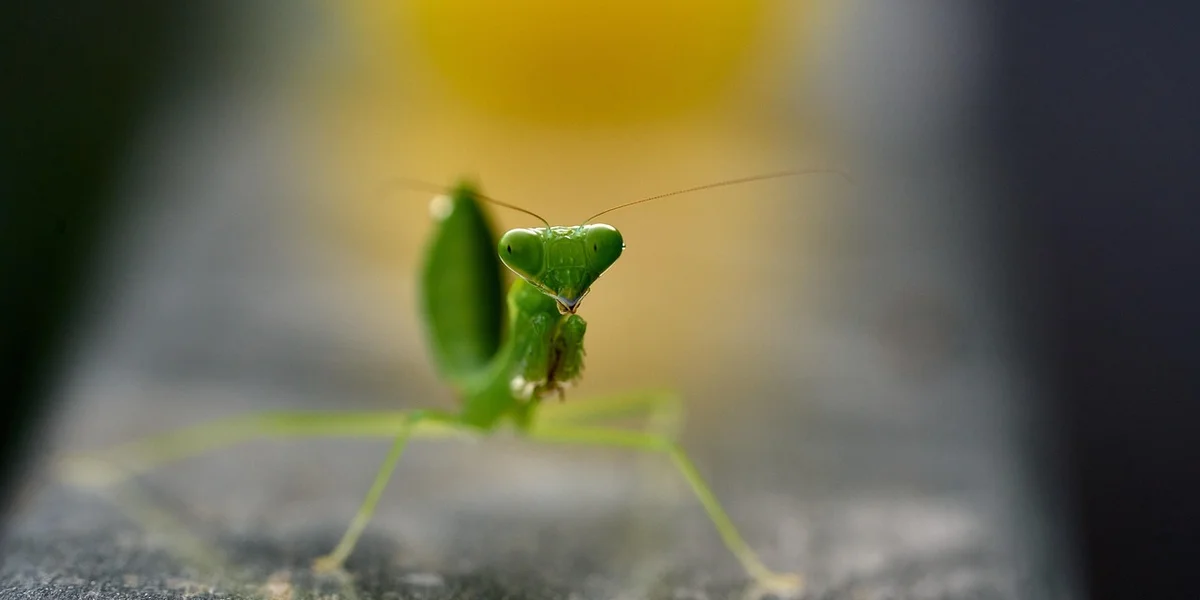
When your mantis hatches, it emerges as a tiny nymph, no bigger than a grain of rice. These little ones rely on instinct from day one, making their first hunts on minuscule prey like fruit flies or springtails. You will see them move in quick, jerky bursts, almost like they are testing their new world. Barometric pressure and weather shifts can influence when hatching and molting occur. Being aware of these cues helps anticipate their next growth stages.
Their bodies are incredibly fragile, so they molt frequently to grow. We often find that early nymphs prefer to stay hidden among leaves or twigs, avoiding open spaces where predators might spot them. With Luna, our Ghost Mantis, we noticed she would tilt her head thoughtfully before striking, a sign of her cautious nature.
Feeding these nymphs requires patience and fine-tuned care. Offer small, live insects every couple of days to match their high energy needs and rapid growth spurts. A misting of warm water helps maintain humidity, which keeps their skin supple for those early sheds.
Late Nymph Instars: Building Independence
As nymphs progress through later instars, they become bolder and more adept hunters. You will observe them stalking larger prey, such as small crickets or flies, with a newfound confidence in their movements. Their bodies grow sturdier, and they start to explore every corner of their enclosure.
These older nymphs display more complex behaviors, like grooming their antennae or repositioning for a better vantage point. We have watched Moss, our Giant Asian Mantis, spend hours climbing and investigating new branches we add to his home. This stage is when they really begin to show their unique personalities.
Molting becomes less frequent but requires careful attention to humidity and quiet surroundings. Provide a variety of perches and hiding spots to support their growing independence and reduce stress during this transitional phase. A well-set habitat encourages natural behaviors and healthy development.
Molting: The Pivotal Shedding Phases
Molting is a critical process where your mantis sheds its old exoskeleton to allow for growth. You will notice your mantis becomes still and refuses food a day or two before the molt, often hanging upside down from a secure spot. This stillness is a protective measure, as any disturbance can lead to serious injury. Look for early trouble signs, such as a molt that drags on longer than usual or persistent immobility. If you see a delayed molt or an incomplete shed, review care steps and seek guidance as needed.
The actual shedding unfolds slowly, with the mantis carefully splitting its skin and wriggling out. We have seen Sprig, our Orchid Mantis, emerge with her pink and white marbling even more vibrant after a successful molt. High humidity is essential here, as it softens the old skin and eases the process.
After molting, your mantis will be soft and vulnerable for several hours. Avoid handling or feeding until its new exoskeleton hardens, which usually takes a full day. Offer water through gentle misting to help with rehydration and recovery. Post-molt care is crucial for a healthy, fully hardened exoskeleton. Keep conditions stable and monitor for any issues during this delicate period.
Each molt brings your mantis closer to adulthood, with noticeable changes in size and coloration. Keeping a consistent environment with proper humidity levels ensures these pivotal phases go smoothly, reducing risks of complications. During the nymph stage, temperature and humidity are crucial, as mantis nymphs need steady warmth and adequate moisture to molt properly. This helps explain why precise climate control is important for healthy development. We always check for any leftover skin fragments to confirm a clean shed.
Adulthood: Maturity, Mating, and New Challenges
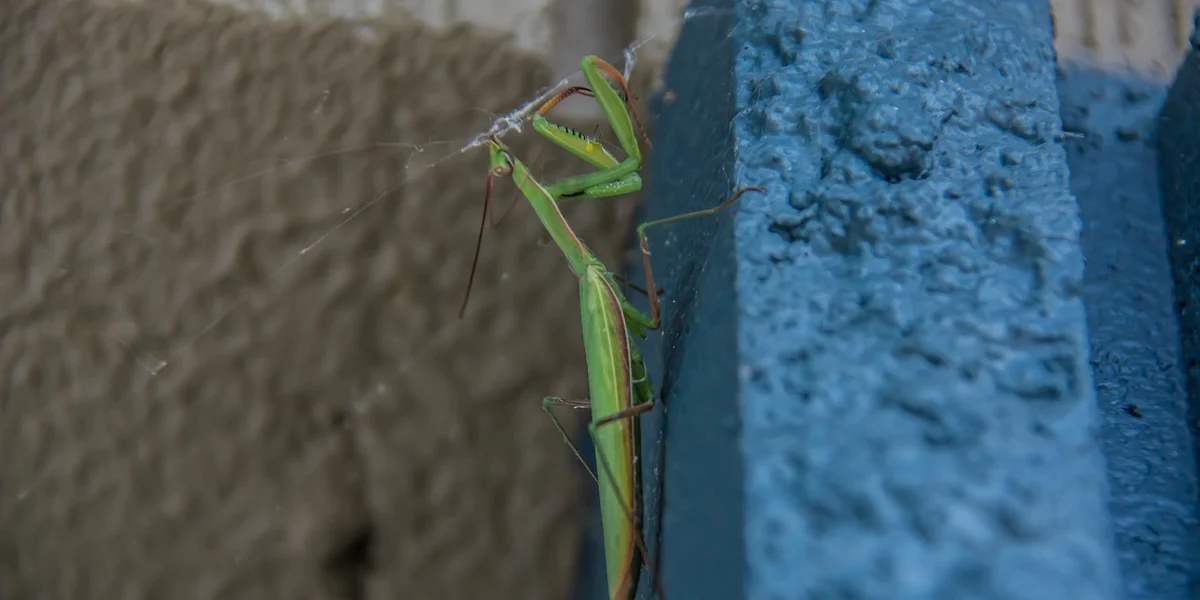
As your praying mantis steps into adulthood, you’ll notice a shift in their demeanor and daily habits. Their movements become more deliberate and confident, often perching for hours like a tiny green statue waiting for prey. Wings fully develop in most species, allowing short flights or gentle glides, which can surprise new keepers. My Ghost Mantis, Luna, would tilt her head thoughtfully before striking, a sign of her mature hunting instincts kicking in. Mantises rely on keen depth perception to time their strike precisely. They scan for movement and cues, then adjust their position before launching an ambush.
Mating introduces a delicate dance of behavior changes. Males may become more adventurous, seeking out females with cautious approaches, while females often display increased territoriality. We’ve observed Moss, our Giant Asian Mantis, fluttering his wings in a soft courtship display before attempting to mate. Be mindful of cannibalism risks; it’s not guaranteed, but offering a well-fed female and supervising interactions can prevent mishaps.
- Watch for wing vibrations or gentle touches as mating cues.
- Separate pairs after mating to reduce stress and aggression.
- Provide ample space and hiding spots to mimic natural safety.
New challenges arise with maturity, like managing their heightened sensitivity to environment shifts. Adult mantises might refuse food more often or show signs of aging, such as slower reflexes or faded coloration. Regular, gentle handling helps them stay accustomed to your presence, but always support their body to avoid injury. A warm misting session can soothe them, much like the humid mornings they’d experience in the wild. If you spot signs of stress, it can signal habitat issues that need fixing. Adjusting temperature, humidity, and hiding spots can help restore balance and welfare.
Seasonal and Habitat Influences on Behavior
Seasonal rhythms deeply affect how your mantis behaves, even in a controlled indoor setting. In cooler months, activity levels often drop, with mantises preferring to conserve energy by staying still for longer periods. We mimic this by slightly lowering temperatures in their enclosures, encouraging a natural slowdown. Sprig, our Orchid Mantis, would retreat to her favorite leaf during simulated winter days, her pink hues blending into the foliage.
Habitat setup plays a huge role in their daily life. A well-planted enclosure with branches and leaves encourages natural climbing and hunting, reducing stress and promoting healthy behavior. Think of it as creating a miniature ecosystem where they can thrive. Use live plants to maintain humidity and provide perches; this mimics the earthy scent and texture of their native environments.
- Adjust lighting to match natural day-night cycles for consistent activity.
- Monitor humidity with a simple gauge to prevent molting issues.
- Rotate enclosure decor occasionally to stimulate curiosity and exploration.
Temperature and humidity swings can trigger specific responses, like increased hunting or restlessness. Sudden changes might cause your mantis to hide more or become less responsive, so gradual adjustments are key to keeping them comfortable. This is especially important for maintaining adequate humidity levels, as low humidity can lead to dehydration in mantises. In our experience, a steady warm mist in the morning mimics dew and encourages drinking, while cooler evenings help them settle. Always use room-temperature water to avoid shocking their delicate systems.
FAQs on Mantis
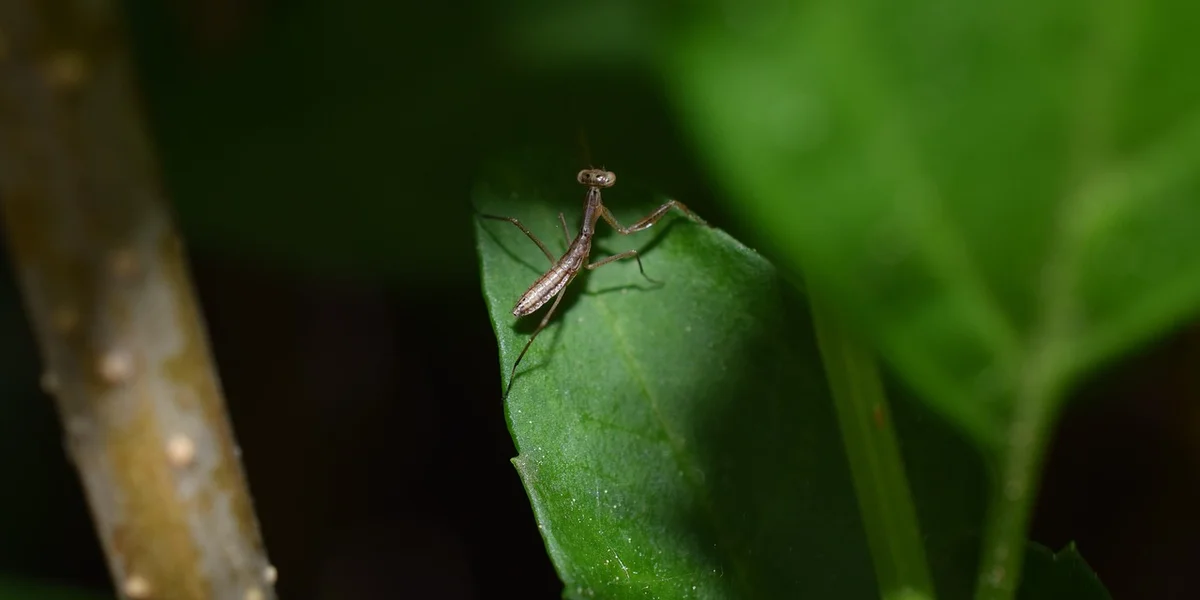
Where can I find reliable pictures of the praying mantis life cycle for reference?
You can search online pet mantis care forums or reputable insect websites for high-quality images. These visuals help track growth stages and identify healthy development in your pet.
How can I explain the praying mantis life cycle to kids in a simple way?
Use engaging tools like coloring pages or short videos that highlight the egg, nymph, and adult stages. This makes learning fun and helps children understand basic care needs for a pet mantis.
What is the typical timeline for a praying mantis life cycle in captivity?
From egg to adult, it generally takes 4 to 6 months, depending on species and environmental conditions. Monitoring this timeline helps you anticipate molting and behavioral changes for better care.
Your Mantis’s Lifecycle Journey
Throughout their lifecycle, praying mantises transition from fragile nymphs needing frequent molts to confident adults with distinct behaviors like hunting and mating. By observing these changes and adjusting their habitat—such as increasing space for adults or maintaining humidity for molting—you can support their natural development smoothly. This involves creating a suitable environment that meets their needs at each stage.
Responsible mantis ownership means staying attentive to their evolving needs and creating a safe, enriching environment. We invite you to continue exploring pet mantis care, as each stage offers new opportunities to deepen your connection and ensure their well-being. For practical handling, see our praying mantis handling guide for step-by-step tips. It helps you safely manage handling and better understand their behavior.
Further Reading & Sources
- Life Cycle of a Praying Mantis – Insect Lore
- Mantis – Wikipedia
- What Are the Stages of the Praying Mantis’ Life Cycle? | Pets on Mom.com
- Praying Mantis | Anatomy, Life Cycle & Metamorphosis – Lesson | Study.com
Rowan Hale is a lifelong insect enthusiast who fell in love with mantises for their calm presence, alien elegance, and surprising personalities. After years of keeping and raising a variety of species, Rowan shares practical tips, creative insights, and real-world experience to help others enjoy the quiet magic of mantis care. From setting up the perfect enclosure to understanding their subtle behaviors, Rowan invites readers into a gentle, curious world where every tiny movement feels like a discovery.
Socialization