
How to Create a Naturalistic and Safe Habitat for Your Praying Mantis
Published on: December 8, 2025 | Last Updated: December 8, 2025
Written By: Rowan Hale
Hello, fellow mantis friend! Picture this: your praying mantis perched gracefully on a twig, its delicate movements echoing the quiet rustle of leaves in a miniature forest. That serene scene starts with crafting a home that feels both wild and secure.
A naturalistic and safe habitat for your praying mantis blends elements that mimic their native environment with features that protect their well-being, encouraging natural behaviors while preventing stress or injury.
Building this space involves more than just placing a mantis in a container-it’s a thoughtful process that considers everything from air flow to hiding spots. We’ll guide you through it step by step, drawing from hands-on experience with mantises like Luna, our ghost mantis who adores leafy cover, and Moss, the giant Asian who thrives with room to explore.
- Picking an enclosure that suits your mantis’s size and species
- Adding safe, enriching decorations like branches and live plants
- Managing humidity and temperature for optimal health
- Ensuring the setup is easy to clean and monitor daily
Understanding Your Mantis’s Natural Habitat Needs
Where Do Praying Mantises Thrive in Nature?
Praying mantises flourish in meadows, gardens, and forest edges where tall grasses and shrubs offer perfect perches. Their natural world is a tapestry of gentle breezes, dappled sunlight, and the soft hum of insect life, providing endless hiding spots for ambush hunting. We often find them clinging to stems, motionless as statues, waiting for prey to wander within reach. Across their range, this distribution mirrors vegetation structure and microhabitats, shaping where they hunt and hide. Understanding this natural habitat distribution helps explain why mantises concentrate in meadow edges, garden borders, and woodland margins.
In these settings, mantises rely on camouflage to blend into leaves and bark, much like our Ghost Mantis Luna, whose misty brown frills mimic dried foliage. Observing how they interact with their environment helps us recreate that sense of security and opportunity in captivity. They thrive where temperatures are warm and humidity levels shift with the day, echoing the rhythms of a living ecosystem.
Essential Elements for a Pet Mantis Habitat
Choosing the Right Enclosure Size and Shape
Select an enclosure that is at least three times the height of your mantis to allow for climbing and molting. Tall, vertical spaces are essential because mantises love to ascend and hang upside down, which supports healthy skin shedding. For juveniles like Sprig, our Orchid Mantis, a smaller setup works well, but adults need room to stretch and explore.
Avoid wide, shallow containers that limit movement; instead, opt for something resembling a slender tower. This shape mimics the vertical structures they naturally cling to, reducing stress and encouraging natural behaviors. We use enclosures with plenty of headroom, ensuring our mantises feel secure and unrestricted.
Managing Temperature and Humidity Levels
Maintain temperatures between 20°C and 30°C using a low-wattage heat mat placed on one side of the enclosure. This creates a gentle warmth gradient, letting your mantis choose its comfort zone, much like basking in a sunlit patch outdoors. To enhance a vertical temperature gradient, add perches at different heights or place decor to encourage movement toward warmth. Your mantis can then select warmer upper zones or cooler lower areas as needed. For humidity, mist the habitat lightly each morning to mimic dew, aiming for levels that match your species’ needs.
Monitor humidity with a simple gauge, adjusting misting frequency to prevent mold or dryness. Proper moisture keeps their skin supple during molts, a detail we learned while caring for Moss, who perks up in slightly humid conditions. Always use lukewarm water for misting to avoid shocking your pet with cold droplets.
Selecting and Preparing the Perfect Enclosure
Types of Terrariums for Praying Mantis
Common options include glass terrariums, plastic containers, and mesh cages, each with unique benefits. Glass holds humidity well for species that need it, while mesh offers excellent ventilation, ideal for preventing stagnant air. We prefer enclosures with front-opening doors for easy access without disturbing the mantis. Considering mantises specifically, the choice often comes down to humidity retention versus airflow. Glass vs mesh enclosures preserves humidity, while mesh improves ventilation and helps prevent mold and stale air.
For a budget-friendly choice, repurpose a large mason jar with a breathable lid, ensuring it’s tall enough for climbing. Eco-conscious keepers can use recycled materials, reducing waste whilst providing a safe home. Just avoid sharp edges and ensure the material is non-toxic, as mantises may occasionally nibble on surfaces.
Step-by-Step Enclosure Setup
- Start by thoroughly cleaning the enclosure with warm water and a mild vinegar solution to remove any residues.
- Add a substrate layer of coconut fiber or peat moss, about 2-3 cm deep, to retain moisture and create a natural base.
- Place sturdy branches or twigs vertically and horizontally, forming a network of perches for climbing and resting.
- Introduce live or artificial plants for cover, arranging them to offer hiding spots and mimic a mini jungle.
- Lightly mist the setup to raise humidity, then allow it to settle before introducing your mantis.
Following these steps ensures a habitat that feels like a slice of the wild, comforting your mantis from the start. We always double-check that everything is secure, preventing shifts that could startle our pets.
Ensuring Your Habitat Is Escape-Proof
Inspect all seams and lids for gaps, as mantises are adept climbers and can slip through tiny openings. Use fine mesh or ventilation panels with holes no larger than 1 mm to allow air flow without risk of escape. We test enclosures by gently tapping sides to see if lids stay firmly in place.
Secure any doors with clips or locks, especially for larger species like Moss, who is surprisingly strong. A well-sealed habitat not only keeps your mantis safe but also maintains stable temperature and humidity levels. Regularly check for wear and tear, replacing parts as needed to uphold security over time.
Creating a Naturalistic Environment with Plants and Decor
Incorporating Live Plants for a Realistic Feel
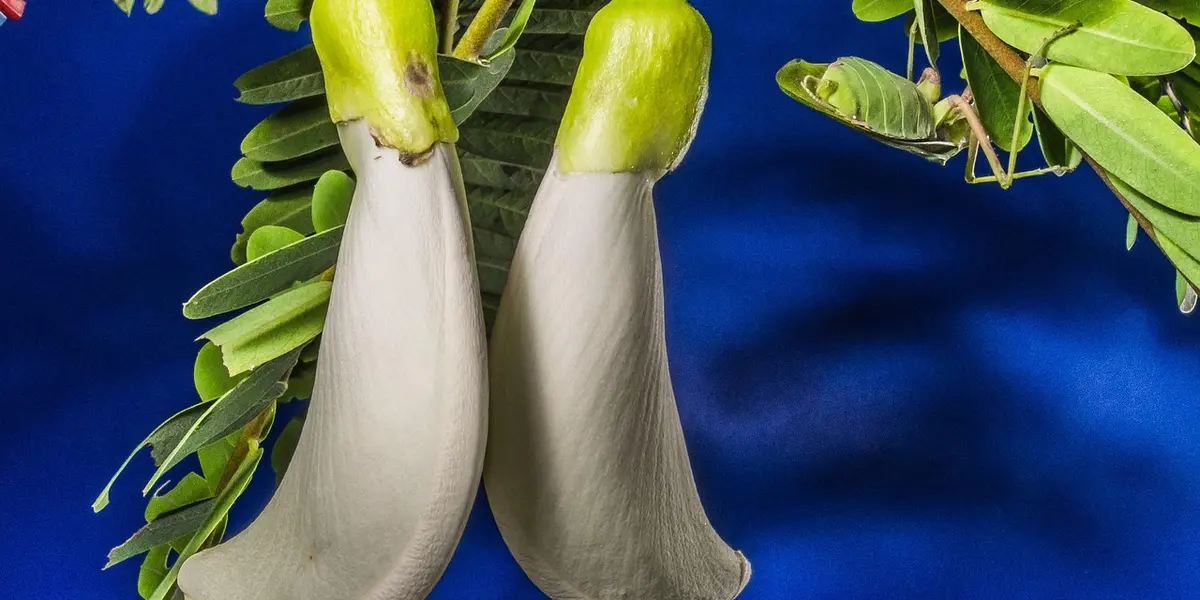
Adding live plants transforms your mantis enclosure into a lush, breathing ecosystem that mimics their wild home. Live plants boost humidity through transpiration and give your mantis natural spots to hide and feel secure. We often use hardy species like pothos or spider plants because they handle the warm, humid conditions well and don’t require intense light. It’s important to choose plants that are safe and suitable for a mantis enclosure.
- Pothos: Its broad leaves create perfect perches and shade, and it grows vigorously with minimal care.
- Spider Plant: Safe for mantises, it adds vertical interest with its arching leaves and helps purify the air.
- Fern: Ideal for high-humidity setups, ferns like the Boston fern offer dense cover that mantises love to explore.
When planting, gently nestle the roots into the substrate and mist them regularly to keep the soil moist but not soggy. My Ghost Mantis, Luna, often perches on a pothos leaf, her delicate frills blending seamlessly with the greenery as she watches the world go by. Avoid plants treated with pesticides, and always rinse leaves before introducing them to prevent any chemical exposure.
Adding Branches, Perches, and Hiding Spots
Mantises are climbers by nature, so providing varied perches and hiding spots encourages natural behaviors like molting and hunting. Arrange branches at different angles to create a 3D landscape that lets your mantis move freely and feel in control. Use cleaned, pesticide-free twigs from oak or maple trees, or opt for cork bark tubes that double as cozy retreats.
- Select branches that are sturdy and wide enough for your mantis to grip comfortably without slipping.
- Place them vertically and horizontally to mimic a forest canopy, ensuring they’re securely anchored to prevent falls.
- Add hiding spots like small bark caves or leaf litter piles where your mantis can retreat during the day or while molting.
My Giant Asian Mantis, Moss, adores his cork bark hide-it’s his favorite spot to survey his domain after a meal. Including multiple perches at varying heights helps prevent stress and supports healthy molting by giving your mantis plenty of options to hang upside-down safely. Rotate or rearrange decor occasionally to keep the environment stimulating without causing undue disruption.
Choosing and Layering Substrate
The substrate forms the foundation of your habitat, affecting moisture, cleanliness, and overall comfort. A well-layered substrate holds humidity, aids in waste breakdown, and creates a soft landing for any accidental falls. We prefer organic coconut fiber or peat moss because they’re absorbent, mold-resistant, and free from harmful additives.
- Coconut Fiber: Holds moisture well and has a natural, earthy texture that mantises find reassuring.
- Peat Moss: Excellent for maintaining steady humidity levels, but mix it with other materials to prevent compaction.
- Orchid Bark: Adds drainage and a rough surface that helps mantises grip when they venture down.
Start with a base layer of drainage material like small stones or horticultural charcoal, then add 2-3 inches of your main substrate. For my Orchid Mantis, Sprig, I use a mix of coconut fiber and orchid bark to replicate the soft forest floor she’d encounter in the wild. Lightly mist the substrate daily to maintain humidity without making it waterlogged, and replace it every few months to keep the enclosure fresh and hygienic.
Maintaining Safety and Comfort in the Habitat
Creating a space where your mantis feels secure and at ease is key to their well-being. We focus on blending natural elements with practical safety to mimic their wild environment while keeping hazards at bay. A calm, well-designed habitat reduces stress and supports healthy behaviors like hunting and resting. Being aware of common mistakes to avoid when setting up your first mantis habitat helps you build a safer, thriving enclosure. We’ll highlight a few practical pitfalls to watch for as you start.
Selecting Safe Decor and Avoiding Hazards
Choose decorations that are smooth, non-toxic, and free from sharp edges to prevent injuries. Stick to natural materials like untreated wood, dried leaves, or clean, pesticide-free plants that won’t harm your mantis if nibbled. Avoid anything with rough surfaces or small parts that could trap delicate limbs.
- Safe options: Twisted grapevine, bamboo sticks, silk or live plants like pothos.
- Hazards to skip: Plastic with sharp seams, painted items, or anything treated with chemicals.
From our time with Luna, her ghostly form blends perfectly with leafy fronds, and we’ve seen how she avoids rough bark. Always rinse new decor in warm water to remove dust or residues before placing it in the enclosure. This simple step keeps your mantis’s home fresh and safe.
Providing Adequate Molting Space
Molting is a vulnerable time when your mantis sheds its old skin to grow. Ensure the habitat has enough vertical height and sturdy anchor points for them to hang upside down safely. A cramped space can lead to failed molts, which are often fatal.
- Measure the enclosure to be at least three times the mantis’s length in height.
- Add horizontal branches or mesh tops for easy gripping.
- Keep the area below soft with moss or paper towel to cushion any falls.
We remember Moss, our Giant Asian mantis, who once molted peacefully on a gently curved branch. The soft rustle of his old skin peeling away reminded us how crucial a stress-free molting spot is. Avoid disturbing your mantis during this process-patience rewards you with a healthy, renewed insect.
Creating Microclimates for Optimal Health
Microclimates are small areas within the habitat with varying humidity and temperature levels. By setting up different zones, you help your mantis regulate its body and avoid issues like dehydration or mold. Think of it as offering a range of cozy nooks for them to explore.
- For humidity: Cluster live plants in one corner and mist lightly each morning.
- For dryness: Leave an open area with good airflow, perhaps near a ventless heat source.
- Use a hygrometer to monitor levels, aiming for 50-70% humidity depending on species.
Sprig, our Orchid mantis, often seeks out the damp leaves after misting, her pink petals glistening. This balance mimics the subtle shifts they’d find in nature, promoting stronger immunity and happier days. Rotate decor occasionally to keep the environment engaging without overwhelming your mantis.
Routine Maintenance and Cleaning Practices
Daily Observation and Misting Routines
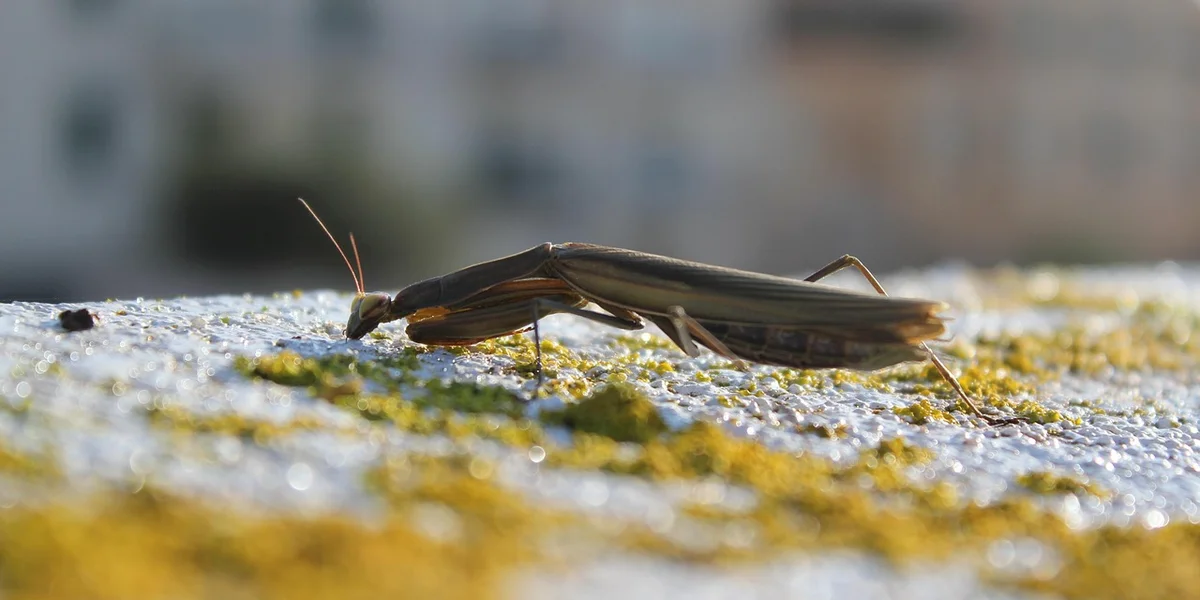
Start each day with a gentle check-in on your mantis, much like peeking into a miniature forest to see how its resident is faring. Daily observation lets you spot subtle changes in behavior or appearance that could signal molting, hunger, or stress. Watch for your mantis perched calmly or moving deliberately; sudden lethargy or frantic pacing might mean something’s amiss.
With Luna, my Ghost Mantis, I’ve learned that her slow, deliberate head-tilts often precede a feeding strike, while a hunched posture can hint at an upcoming molt. Look for clear eyes, intact limbs, and a plump abdomen as signs of good health. A quick visual sweep of the habitat ensures no mold, escaped prey, or debris is troubling your pet.
Misting should feel like a soft morning dew, not a drenching downpour. Use a fine spray bottle with distilled or filtered water to lightly coat leaves and surfaces, boosting humidity without pooling. Aim for a gentle mist once or twice daily, depending on your home’s dryness; you’ll notice the air take on a fresh, earthy scent that mimics their natural environment.
- Observe your mantis for 2-3 minutes, noting posture and activity levels.
- Check for shed skin or uneaten prey, removing any to keep the space tidy.
- Mist early in the day to allow excess moisture to evaporate, reducing mold risk.
- Adjust misting frequency based on species needs-orchid mantises like Sprig thrive with slightly higher humidity.
This routine builds a quiet bond, letting you respond to your mantis’s needs before small issues grow. Consistent misting supports healthy molting by keeping their skin supple and hydrated. I’ve found that Moss, my Giant Asian Mantis, perks up after a light spray, often stretching his legs as if greeting the day.
Weekly Cleaning and Substrate Refresh
Set aside a calm moment each week for a thorough habitat refresh, turning it into a soothing ritual rather than a chore. Weekly cleaning prevents harmful bacteria and mold from taking hold, ensuring your mantis lives in a clean, stress-free space. Begin by gently relocating your mantis to a temporary container-a spare jar with ventilation works perfectly-so they’re safe while you work. Learn how to clean and maintain your praying mantis habitat to keep your pet healthy and happy.
Remove all decorations and wipe them down with a damp cloth; avoid harsh chemicals, as even residues can harm delicate mantis bodies. Opt for warm water and a soft brush to scrub surfaces, focusing on corners where debris collects. For substrate, replace the top layer or all of it if it’s soiled, using eco-friendly options like coconut fiber or sphagnum moss.
- Transfer your mantis to a secure holding container with a twig or leaf for comfort.
- Empty the enclosure, discarding old substrate and any visible waste.
- Clean walls and items with water, then dry thoroughly to avoid dampness.
- Add fresh substrate, mist lightly, and reintroduce your mantis once everything is settled.
After a substrate change, Luna often explores her renewed home with quiet curiosity, testing each leaf and branch. Refreshing the substrate weekly mimics the natural cycle of forest floors, reducing odors and pest risks. We find that a simple, scent-free approach keeps the habitat feeling like a living ecosystem, not a sterile box.
This practice not only maintains hygiene but also lets you reassess the setup for safety-checking for sharp edges or loose parts. Regular upkeep means you’re always one step ahead, providing a sanctuary where your mantis can thrive without hidden threats. With Moss, I’ve seen how a clean environment encourages his energetic explorations, making each weekly refresh a rewarding part of our routine.
Adapting the Habitat for Different Mantis Species
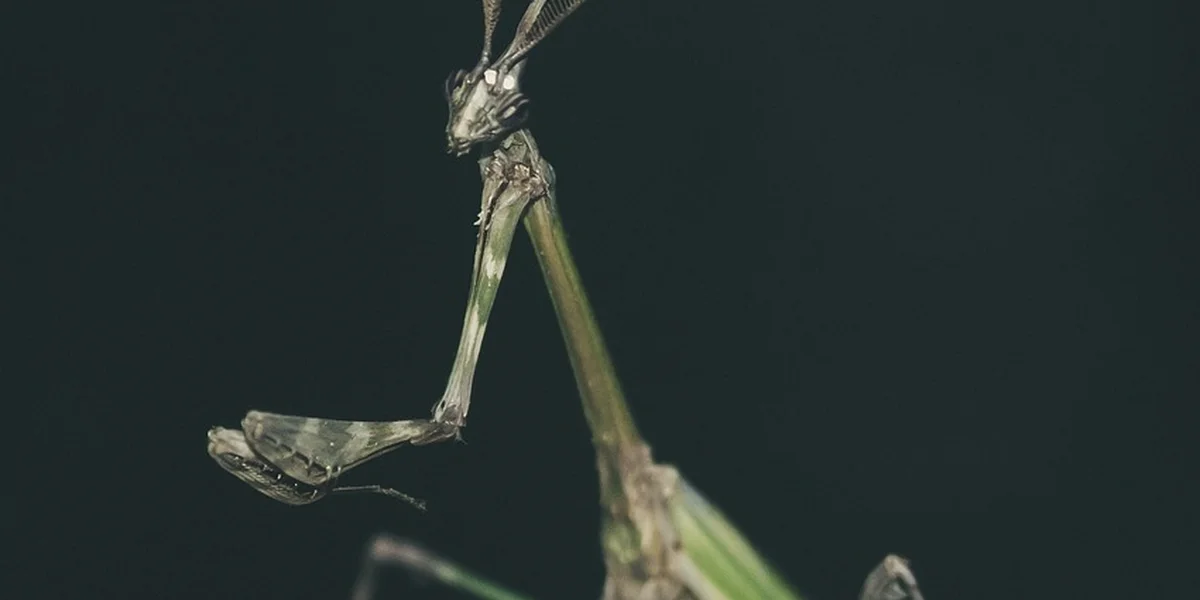
Your mantis’s enclosure should mirror its wild home for true comfort. We adjust size, humidity, and decor based on where each species naturally thrives. This simple step prevents stress and supports their unique behaviors. To get started, choose enclosure-specific praying mantis species that fit your setup, so the habitat you provide aligns with their native niche.
Tailoring Environments for Specific Types
Let’s explore how to fine-tune setups for popular pet mantises. Small changes in plants or moisture can make a big difference in their daily life. We use our own mantis friends as gentle guides here.
-
Ghost Mantises, like my Luna, need dense cover and steady humidity. They hail from tropical forests, so add dried leaves, thin twigs, and fake vines for hiding. Mist the enclosure lightly each morning to keep the air moist, and aim for 60-70% humidity. Luna often perches quietly among the foliage, her brown frills blending perfectly.
-
Giant Asian Mantises, such as Moss, require vertical space and warm air. These energetic climbers enjoy tall branches and open areas for hunting. Keep temperatures around 25-30°C with a heat lamp, and ensure good airflow to mimic their native grasslands. Moss loves exploring new sticks, his green body vibrant against the bark.
-
Orchid Mantises, like Sprig, thrive with floral decor and high moisture. Their delicate, petal-like limbs need soft surfaces and plenty of humidity. Use silk flowers or smooth plastic plants for climbing, and mist twice daily to maintain 70-80% humidity. Sprig’s pink and white coloring shines when she feels secure among the blossoms.
-
European Mantises prefer drier, open setups with room to roam. They come from meadows, so include grasses, rocks, and a substrate like coconut fiber. Humidity can stay lower, around 40-50%, with temperatures of 20-25°C. These mantises are bold hunters, so give them space to stalk prey.
Observe your mantis’s habits to refine their space. Watch for signs like frequent climbing or hiding to know if adjustments are needed. A happy mantis will move calmly and eat well.
Troubleshooting Common Habitat Issues
Solving Humidity and Temperature Fluctuations
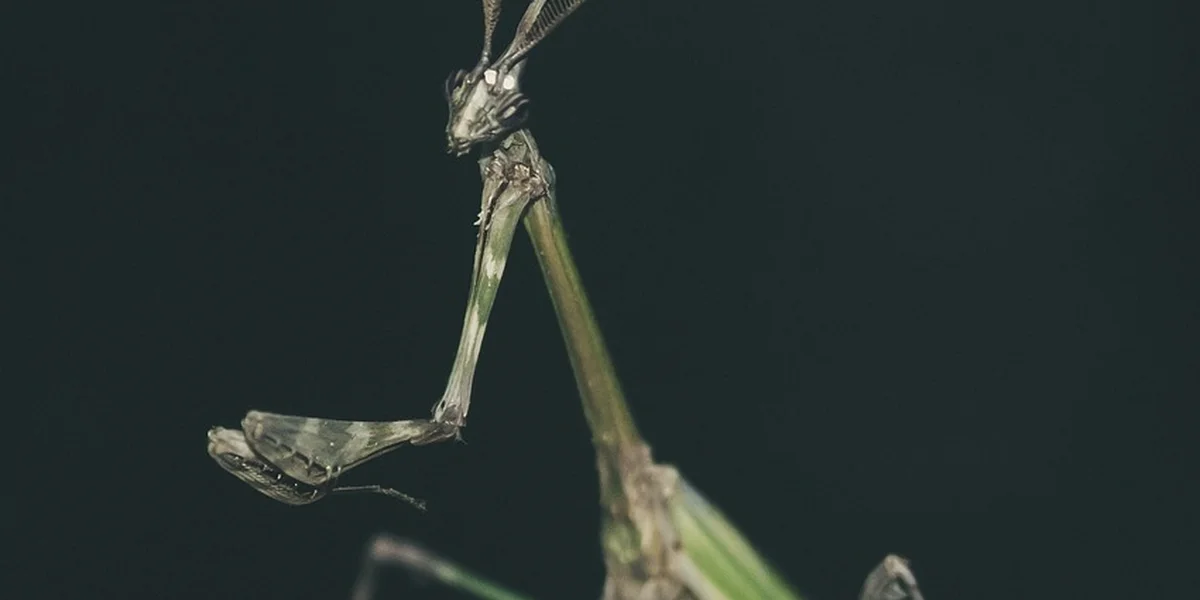
We often see new keepers worry when their mantis acts sluggish or struggles to molt, and it usually ties back to air moisture and warmth levels. Keeping humidity and temperature steady prevents molting issues and keeps your mantis active and healthy.
Check moisture with a small hygrometer placed mid-height in the enclosure, away from direct misting spots. For warmth, a digital thermometer near your mantis’s favorite perch gives the best reading. Ideal humidity ranges from 50% to 70% for most species, but always research your specific mantis’s needs.
If humidity drops too low, mist the sides and plants with lukewarm water using a fine spray bottle-never directly on your mantis. Add a shallow water dish or moist sphagnum moss to boost dampness gently. With Luna, my Ghost Mantis, I mist lightly each morning and evening to mimic dew, and her delicate frills stay supple.
Temperature swings can stress mantises, especially during molts. Use a low-wattage heat mat on one side of the enclosure to create a warm zone, but avoid hot lamps that dry out the air. Place the habitat in a room with stable temps, away from windows or vents that cause drafts.
- Monitor daily with simple tools like a combo hygrometer-thermometer.
- Adjust misting frequency based on your home’s climate-more in dry weather, less in humid conditions.
- Use live plants like pothos to help regulate moisture through transpiration.
Watch for condensation on the glass; too much can lead to mold, while none might mean it’s too dry. A quick fix is to cover part of the ventilation with cling film to trap humidity, but leave some air flow to prevent stagnation.
Recognizing and Reducing Mantis Stress
Mantises show stress in subtle ways, like pacing the enclosure walls, refusing food, or hiding constantly. Noticing these signs early lets you adjust their home before health problems arise. Often, those signs mean the enclosure needs adjustment. By tweaking temperature, humidity, space, and hiding places, you can fix the habitat and ease the mantis’s stress.
Common stressors include loud noises, too much handling, or an enclosure that feels exposed. Provide plenty of hiding spots with leaves, twigs, or cork bark where your mantis can retreat. Moss, my Giant Asian Mantis, calms down when I add extra foliage-he perches quietly instead of darting about.
Handle your mantis sparingly, and always let it walk onto your hand rather than picking it up. Keep the habitat in a low-traffic area to minimize disturbances. Sudden color changes, like a green mantis turning brown, can signal stress from improper lighting or temperature.
- Observe your mantis daily for unusual behavior, such as frequent falls or erratic movements.
- Ensure the enclosure has varied perches at different heights to encourage natural climbing.
- Feed at consistent times to build a routine-hunger can heighten anxiety.
If your mantis seems jumpy, dim the lights or cover part of the enclosure with a light cloth for short periods. We found that playing soft, ambient sounds in the room helps our mantises settle, mimicking a calm outdoor environment.
Check for overcrowding with decor; too many items can make the space feel cramped. Rotate accessories occasionally to add novelty without overwhelming them. A stressed mantis may eat less, so offer smaller, more frequent meals until it relaxes.
Common Mantis Queries
How can I set up a praying mantis habitat that is safe for kids?
Choose an enclosure with secure, child-proof locks and avoid small, swallowable decor to prevent accidents. Involve children in simple, supervised tasks like misting or feeding to make it educational and fun.
What are some DIY ideas for a praying mantis habitat?
Repurpose a tall plastic container with drilled ventilation holes and add cleaned, pesticide-free twigs for perches. Use household items like paper towel rolls as temporary hides to create a budget-friendly, customizable setup.
Is a praying mantis habitat kit a good option for beginners?
Pre-made kits provide a convenient starting point with essential items like enclosures and substrate included. Always verify that the kit’s size and materials suit your mantis species to avoid compatibility issues.
Your Mantis’s Happy Home: A Gentle Recap
We’ve covered how to build a naturalistic habitat by choosing a well-ventilated enclosure and filling it with safe, climbable branches and hiding spots. Keeping a close eye on humidity and temperature helps your mantis feel secure and supports healthy molting and feeding behaviors. Essential habitat requirements for praying mantis include proper ventilation, stable temperatures, and appropriate humidity, plus secure perches and hiding spots. When these basics are in place, you can be confident your mantis is thriving.
Caring for a praying mantis is a rewarding experience that grows richer as you learn more about their unique needs and habits. We invite you to stay curious and observant, always putting your mantis’s comfort first to ensure a long, joyful life together. When you interact with your mantis, handle it gently and calmly, letting it come to you. Always support its body and avoid sudden movements to keep both of you safe.
Further Reading & Sources
- How to Care for a Praying Mantis : 4 Steps – Instructables
- Praying Mantis | National Geographic Kids
- Best Host Plants for Praying Mantis – Insect Lore
- Mantis – Wikipedia
Rowan Hale is a lifelong insect enthusiast who fell in love with mantises for their calm presence, alien elegance, and surprising personalities. After years of keeping and raising a variety of species, Rowan shares practical tips, creative insights, and real-world experience to help others enjoy the quiet magic of mantis care. From setting up the perfect enclosure to understanding their subtle behaviors, Rowan invites readers into a gentle, curious world where every tiny movement feels like a discovery.
Substrate Options