
How to Set Up a Perfect Mantis Breeding Enclosure
Published on: January 8, 2026 | Last Updated: January 8, 2026
Written By: Rowan Hale
Hello there, mantis friend. Picture this: a tiny, papery ootheca finally splits open, releasing a delicate cloud of miniature mantises into the world.
Creating the perfect breeding enclosure means building a safe, comfortable habitat that caters to the specific needs of both your adult mantises and their future offspring.
Successful breeding requires a careful balance. You must manage space, humidity, temperature, and food sources for two very different life stages within one setup.
Here’s a quick look at what we’ll cover to get you started:
- Choosing the right enclosure size and style for your mantis species.
- Setting up the ideal microclimate with proper humidity and warmth.
- Selecting safe furnishings that prevent injury and encourage natural behaviour.
- Preparing a reliable food source for the hungry nymphs once they arrive.
Choosing the Right Enclosure for Breeding
A mantis breeding enclosure is a carefully designed space that supports mating and egg-laying by mimicking the safety and comfort of their natural habitat. This specialized setup reduces stress and encourages successful reproduction, making it a cornerstone of responsible pet mantis care.
Enclosure size varies by species; for instance, Moss, my energetic Giant Asian Mantis male, thrived in a taller terrarium around 30 centimetres high to accommodate his climbing habits. Larger species like the Giant Asian need ample vertical space, while smaller ones such as Ghost Mantises do well in more compact homes.
Opt for glass or plastic insect terrariums with secure mesh lids to ensure excellent ventilation and escape-proof features. These materials help maintain stable conditions while allowing you to observe your mantises easily. When deciding between glass and mesh enclosures for praying mantises, weigh the pros and cons to choose the best setup. Glass provides stable humidity and clear viewing, while mesh offers better ventilation but increases the risk of escapes.
| Enclosure Type | Pros | Cons |
|---|---|---|
| Glass Terrarium | Clear visibility, holds humidity well | Heavier, can be prone to condensation |
| Plastic Container | Lightweight, affordable, easy to clean | May scratch over time, less aesthetic |
| Mesh Cage | Superior airflow, ideal for dry species | Harder to maintain humidity, not escape-proof for small nymphs |
Setting Up Temperature, Humidity, and Ventilation
Ideal temperature for breeding typically ranges from 25°C to 30°C, with humidity between 60% and 80% depending on the species. Orchid Mantises like Sprig prefer warmer, more humid conditions around 28°C and 70-80% humidity to support their delicate health.
Monitor levels with a reliable hygrometer and adjust humidity by misting with warm water once or twice daily. Using a small spray bottle with distilled water helps prevent mineral buildup and keeps the environment consistently moist.
- Place a hygrometer inside the enclosure to track humidity accurately.
- Mist lightly in the morning and evening, focusing on plants and sides rather than directly on mantises.
- Adjust misting frequency based on readings; reduce if condensation forms excessively.
Set up ventilation with mesh lids or side vents to allow air exchange without dropping humidity too much. Good airflow prevents mold growth and keeps the enclosure fresh, much like a gentle breeze in a forest clearing.
Lighting should mimic natural cycles, with 12 hours of light from a nearby window or low-heat LED bulbs. We find that indirect sunlight works wonders, but artificial lights can provide consistency without overheating the space.
Selecting Substrate and Adding Enrichment
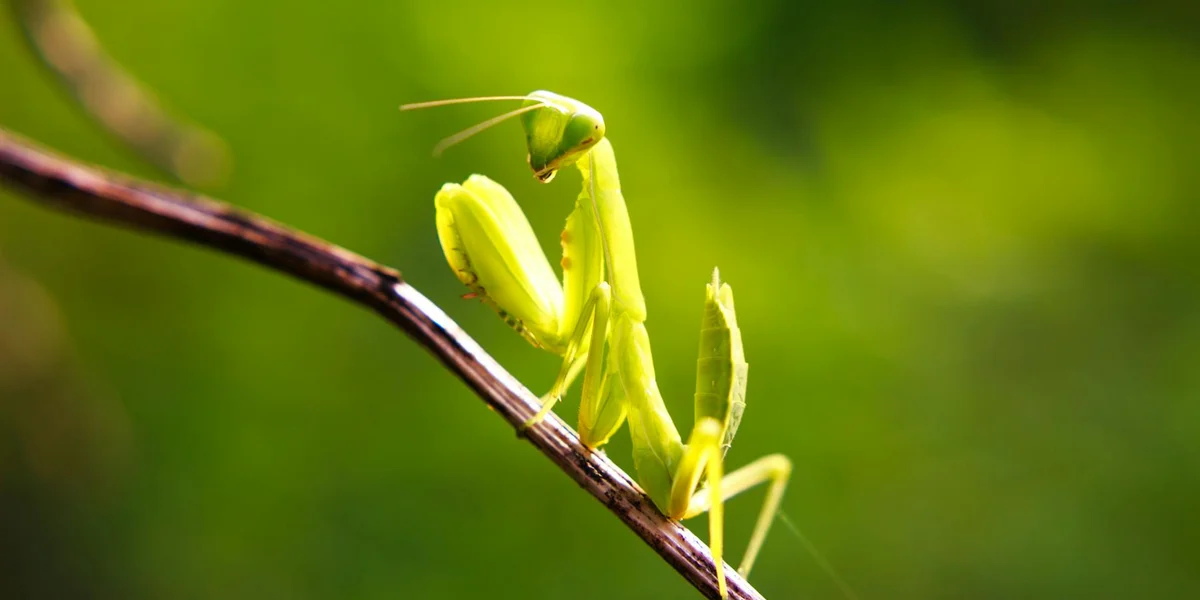
We find that the right substrate sets the stage for a thriving mantis habitat, balancing moisture and ease of cleaning. Opting for a substrate that mimics their natural environment helps maintain stable humidity and prevents mold growth.
- Coconut fiber holds moisture beautifully, creating a humid microclimate that many mantis species adore.
- Peat moss offers similar benefits but can be slightly acidic, so we monitor it to avoid any discomfort for delicate species.
- Paper towels are a simple, hygienic choice for beginners, allowing quick changes to keep the enclosure spotless.
Enrichment items transform a basic setup into a cozy home, reducing stress and encouraging natural behaviors. Adding climbing structures and hiding spots gives your mantis places to explore and feel secure. For a praying mantis habitat, the best enrichment items are vertical branches and safe plants that mimic their natural environment.
- Live plants like pothos or spider plants boost humidity and provide fresh perches, but they need regular care.
- Artificial plants are low-maintenance and still offer visual barriers and resting spots without the risk of pests.
- Branches and twigs create vertical pathways for climbing, which mantises use to survey their territory.
- Small hides, such as cork bark or leaf litter, offer retreats that mimic the sheltered nooks they seek in the wild.
Arrange these elements to recreate a slice of their native habitat, with taller items at the back and open spaces for movement. Positioning branches at varying heights encourages mating displays and reduces territorial disputes.
- Safe plants include pothos, spider plants, and ferns, which are non-toxic and easy to maintain.
- Avoid materials like treated wood, sharp plastics, or plants like ivy that could harm your mantis if ingested.
Preparing and Introducing Your Mantis Pair
- Quarantine new mantises in separate enclosures for about two weeks to watch for signs of illness or parasites. This step ensures both individuals are healthy and won’t introduce issues into the breeding setup.
- Determine the mating window by observing the female’s readiness, usually after her final molt when she’s well-fed and less aggressive. Males are best introduced when they are active and displaying wing-fluttering behaviors.
- Reduce sexual cannibalism risk by selecting a smaller male or using a visual barrier like a mesh divider during initial meetings. Feeding the female beforehand can distract her and lower the chance of aggression.
- Observe closely during the first introduction, looking for calm postures or mutual interest, and be ready to separate them if tensions rise. Noting subtle cues like antennae movements helps you gauge their comfort level.
Feeding and Observing During the Breeding Process
Choosing the Right Prey for Breeding Mantises
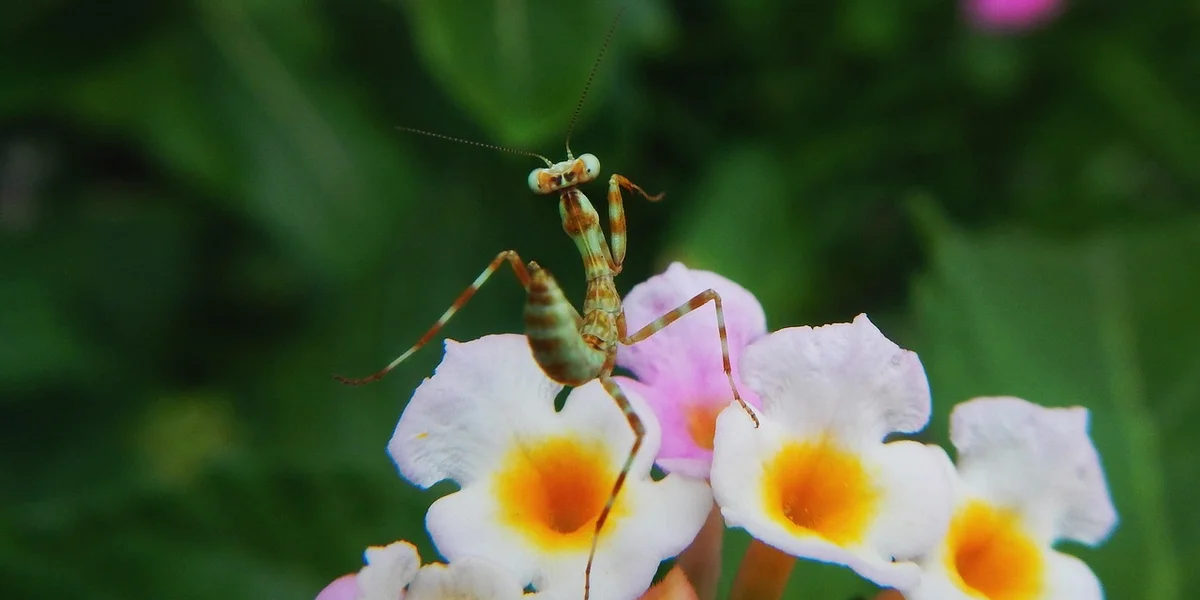
Selecting suitable prey is vital to keep your mantises nourished and ready for breeding. Offer small, soft-bodied insects like fruit flies, pinhead crickets, or small moths that are no larger than the space between your mantis’s eyes. This prevents injury and ensures easy digestion, especially when energy demands rise. Praying mantises do eat a broad range of insects, and many keepers consult a comprehensive prey list to guide feeding. This helps ensure you offer safe, appropriate prey across life stages. I’ve found that Sprig, my juvenile Orchid Mantis, eagerly targets flightless fruit flies—her delicate pink limbs moving with precision as she snatches them mid-air. Avoid hard-shelled or aggressive prey, which can cause stress or harm during this sensitive period.
Establishing a Healthy Feeding Schedule
Maintain a balanced feeding routine to support health without overstimulating your mantises. Feed adult mantises every two to three days, adjusting based on their activity levels and the female’s receptivity to mating. A complete feeding schedule takes age, size, species, and reproductive status into account. This guide will outline exactly how often to feed at each life stage and condition. Here’s a simple step-by-step approach:
- Offer one to two appropriately sized prey items per feeding session.
- Monitor how quickly prey is consumed; reduce frequency if leftovers remain.
- Skip a feeding day if mantises appear lethargic or disinterested, allowing digestion to settle.
- Use a small feeding dish or tweezer to place prey gently, minimizing enclosure disturbance.
This rhythm helps maintain vigor while preventing obesity or unnecessary agitation. Watch for subtle cues-like increased antennal flicking or a more alert posture-that signal readiness for interaction or mating.
Observing Mating Signs with Care
Observation requires patience and a gentle touch to avoid disrupting natural behaviors. Position the enclosure in a well-lit but indirect light source, and limit direct handling or loud noises nearby. Look for specific signs: males may perform a slow, swaying dance to approach females, while receptive females hold still with forearms slightly open. I recall Luna, my Ghost Mantis, tilting her head thoughtfully before accepting a mate-a quiet moment that underscored the importance of stillness. Use a small notebook to jot down timing and behaviors, and consider brief, daily checks rather than prolonged staring to reduce stress.
Caring for Ootheca and Post-Mating Maintenance
-
Identifying and Caring for Ootheca
After successful mating, females will produce an ootheca-a foam-like egg case that hardens into a protective shell. Gently inspect the ootheca for a firm, well-attached structure, usually found on branches or enclosure walls, and avoid touching it directly to prevent damage. Keep it in the original enclosure if possible, as moving it can disrupt embryo development. Mist the area lightly to maintain slight moisture, but never soak the case, which could lead to mold.
-
Storing Ootheca Safely
Proper storage ensures ootheca viability through controlled humidity and temperature. Place the ootheca in a ventilated container with a damp paper towel or sphagnum moss to sustain 50-70% humidity, and keep it at 22-26°C for most species. Follow these steps for secure storage:
- Transfer the ootheca carefully using a soft brush or by cutting the attachment surface if needed.
- Set up a small container with air holes and a substrate that holds moisture without being wet.
- Check humidity levels weekly with a hygrometer and mist lightly if the environment dries out.
- Store in a quiet, stable location away from direct sunlight or drafts.
This mimics natural conditions and supports healthy nymph development when they hatch.
-
Cleaning the Enclosure Post-Mating
Once the ootheca is secure, clean the enclosure to prevent mold or pest issues. Remove any uneaten prey, shed skin, or debris, and wipe surfaces with a damp cloth and mild, pet-safe disinfectant. Replace substrate if soiled, and ensure ventilation remains clear to promote air flow. A quick tidy-up reduces stress for any mantises still in the enclosure and prepares the space for future use.
-
Returning Mantises to Solo Enclosures
Separate mantises after mating to avoid cannibalism or exhaustion. Use a soft paintbrush or your hand to guide each mantis back to its individual home, and provide extra hydration and a light meal to aid recovery. Male mantises are particularly vulnerable after mating. Continue observing for signs of stress or illness, such as loss of appetite or unusual lethargy, and adjust care as needed. Regular, gentle checks help ensure both mantises transition smoothly to their solo routines.
FAQs on Mantis
What safety precautions should be taken when handling mantises in a breeding enclosure?
Always handle mantises gently using a soft brush or your hand to minimize stress and prevent injury. Avoid sudden movements and ensure the area is secure to prevent escapes during interactions. To interact with your praying mantis safely, approach slowly with calm, steady motions and watch for signs of stress. If the mantis seems uncomfortable, give it space and resume observation from a distance.
How long should mantises stay in a breeding enclosure before introducing a mate?
Keep mantises in separate enclosures until both are fully mature, typically a week or two after the female’s final molt. Introduce them only when the female shows receptiveness, such as reduced aggression, to improve mating success. For safety, use a secure, escape-proof setup and monitor the pair closely during initial introductions. If aggression or distress occurs, be prepared to separate them again to prevent injury.
How often should a mantis breeding enclosure be cleaned?
Perform a full cleaning every one to two weeks to remove waste and old substrate, depending on enclosure conditions. Spot clean daily for uneaten prey or debris to maintain a healthy environment and prevent mold growth.
Your Mantis Breeding Journey Ahead
We’ve shown that a thoughtfully prepared enclosure with stable humidity, proper ventilation, and safe vertical perches lays the foundation for successful mantis breeding. These are essential habitat requirements for a healthy praying mantis. When these needs are met, mantises stay healthier and more robust in captivity. Always tailor the setup to your mantis species, using live plants and gentle heating if needed to mimic their wild home.
Responsible ownership means observing your mantises daily and being ready to adjust care based on their behaviour and health. We encourage joining pet mantis care groups or forums to share experiences and grow your knowledge together. For first-time mantis owners, a week-by-week care guide helps you establish routines and track progress during those early weeks. A week-by-week plan can also simplify daily tasks like feeding, lighting, and enclosure maintenance.
Further Reading & Sources
- Breeding Carolina Mantises – PanTerra Pets
- Breeding praying mantises | Keeping Insects
- Praying Mantid caresheet – Amateur Entomologists’ Society (AES)
- Automated Bio Active Enclosure | Mantid Forum – Mantis Pet & Breeding Forum
Rowan Hale is a lifelong insect enthusiast who fell in love with mantises for their calm presence, alien elegance, and surprising personalities. After years of keeping and raising a variety of species, Rowan shares practical tips, creative insights, and real-world experience to help others enjoy the quiet magic of mantis care. From setting up the perfect enclosure to understanding their subtle behaviors, Rowan invites readers into a gentle, curious world where every tiny movement feels like a discovery.
Breeding Practices