
What Happens After Praying Mantis Eggs Are Laid?
Hello, mantis friend. You’ve spotted a curious, foamy lump clinging to a twig or window frame-a silent promise left by a mother mantis. The garden has gone quiet, but that little case holds an entire world of tiny lives waiting to stir.
After praying mantis eggs are laid, they enter a period of dormancy, safely encased in a protective foam called an ootheca, where the embryos develop over weeks or months before dozens to hundreds of tiny nymphs hatch in spring. The journey from that frothy cradle to a bustling hatch is one of nature’s most delicate and patient performances.
While the process may seem straightforward, the survival of the next generation depends on a precise sequence of events. We’ll walk through what you can expect, step by gentle step.
- How the remarkable ootheca protects the eggs from predators and weather.
- The quiet development happening inside, entirely out of sight.
- The environmental triggers that finally signal it’s time to emerge.
- The sudden, fascinating spectacle of the hatch itself.
- Your role in safeguarding the nymphs once they arrive into the world.
Understanding the Ootheca: Your Mantis’s Egg Case
-
An ootheca is the remarkable egg case your female mantis creates, a frothy foam that hardens into a protective shell. This foam acts like a natural incubator, shielding the delicate eggs from drying out or being eaten by predators. We’ve watched Luna craft hers with slow, deliberate movements, producing a light brown mass that feels surprisingly sturdy once set.
-
After mating, the female carefully lays and attaches the ootheca to a firm surface, such as a twig or the side of her enclosure. She uses a sticky secretion to secure it in place, often choosing a spot that offers stability and some cover. In captivity, you might find it fixed to a branch or even the mesh lid, much like Moss prefers to position his high up for a better vantage.
-
Oothecae vary in appearance and size depending on the mantis species-from the small, crinkled cases of Ghost Mantises to the larger, smoother ones of Giant Asians. Typically, they range from 1 to 3 centimetres long and can hold dozens of eggs, so placement in your setup should allow for easy observation without disturbance. Sprig’s orchid-like ootheca, for instance, blended perfectly with the pink flowers in her habitat, making it a subtle but vital part of her environment.
-
Camouflage and natural defences are built into the ootheca’s design, helping it blend with surroundings like bark or leaves to evade birds or insects. The hardened foam not only disguises the eggs but also deters parasites with its tough texture. We’ve noticed that in the wild, this clever adaptation gives the nymphs a fighting chance once they emerge.
Incubating Mantis Eggs for a Healthy Hatch
-
Setting up ideal incubation conditions focuses on temperature, humidity, and ventilation to mimic the mantis’s natural habitat. A steady environment encourages steady development, reducing stress on the growing embryos inside. We keep a close eye on these factors daily, adjusting as needed to support a strong hatch.
-
For indoor incubation, start by placing the ootheca in a small, ventilated container like a deli cup or jar with air holes. Lightly mist the area around it every few days to maintain moisture, but avoid soaking the foam directly to prevent mold. Our routine with Luna’s ootheca involved a quick spritz of warm water, which kept the humidity just right without overwhelming the eggs.
-
Outdoor incubation can work if you live in a mild climate, but consider weather patterns and seasonal timing to avoid frost or extreme heat. Shield the ootheca from direct rain and strong winds by placing it under a sheltered spot, like a porch eave. In spring, we’ve had success with Moss’s cases outdoors, but always bring them inside if temperatures drop unexpectedly.
-
Signs of proper development include the ootheca darkening slightly and feeling firm to the touch, indicating the nymphs are maturing. Once you see these changes, resist moving the egg case to avoid jostling the delicate contents, which can lead to problems during hatching. A gentle approach here pays off with a smoother hatching process.
Optimal Temperature and Humidity Levels
-
Specific temperature and humidity ranges depend on the mantis species—for example, Ghost Mantises thrive at 20-25°C with 50-70% humidity, while Giant Asians prefer 22-28°C and 60-80% humidity. Using a simple thermometer and hygrometer lets you monitor these levels accurately, ensuring the eggs don’t dry out or foster mold. Different mantis species do have distinct temperature and humidity ranges, so the ranges you follow should be species-specific rather than one-size-fits-all. Always verify the exact requirements for your particular mantis to promote healthy development. We’ve found that a small heat mat on low can help maintain warmth for species like Sprig’s, but always check it doesn’t overheat the enclosure.
-
To prevent desiccation or mold, adjust conditions by misting with lukewarm water for humidity boosts or increasing ventilation with extra holes. Regular checks help you spot early warning signs, like condensation buildup or a musty smell, so you can act quickly. In our experience, a balanced approach keeps the ootheca healthy and ready for hatching.
Common Incubation Mistakes to Avoid
-
Avoid over-handling the ootheca, as frequent movement can disrupt embryo development, and steer clear of incorrect moisture levels that lead to rot or dehydration. Stick to a consistent misting schedule and handle the case only when necessary, using soft tools if you need to adjust its position. We learned this the hard way with an early ootheca that molded from too much dampness-now, we err on the side of slight dryness.
-
Prevent parasitoid infestations by keeping the incubation area clean and avoiding introducing outdoor materials that might carry wasps or mites. Quarantine new plants or decorations before adding them near the ootheca, and inspect regularly for tiny pests. A simple wipe-down of surfaces with water can deter most invaders, giving your mantis eggs a safer start. For detailed guidance on maintaining clean and safe conditions, check out our ootheca care guide.
The Hatching Process: From Quiet Wait to Nymph Emergence
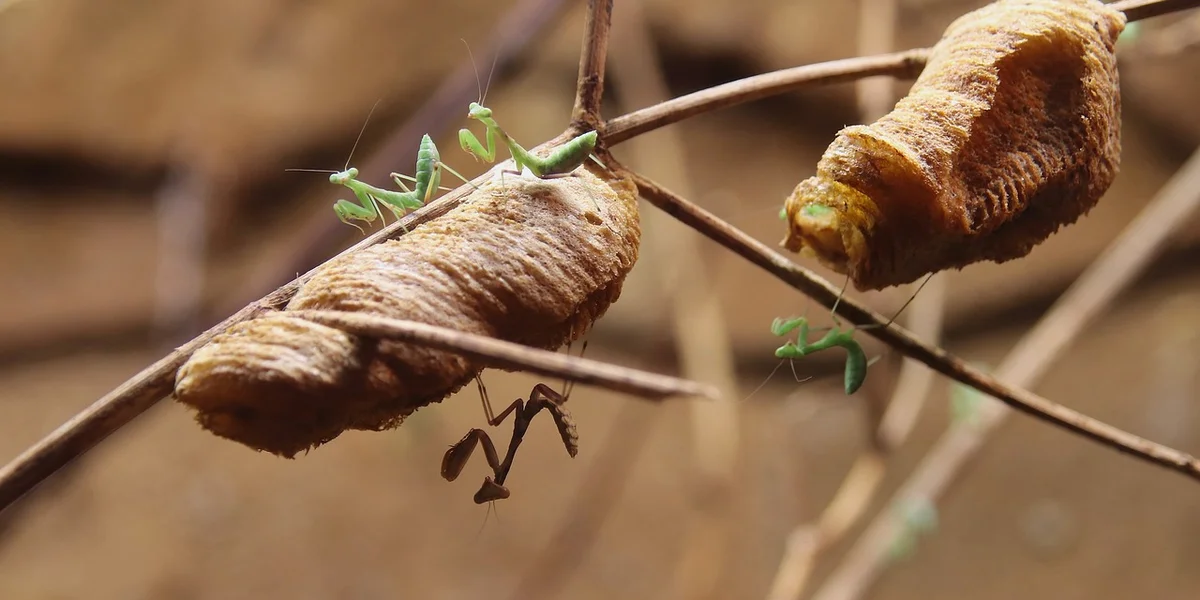
After the female lays her ootheca, a quiet waiting period begins, lasting anywhere from three weeks to several months depending on the species. Timelines vary widely-our Giant Asian Mantis Moss hatched in about four weeks, while some orchid mantises can take over two months.
Hatching is often triggered by consistent warmth and humidity, mimicking spring conditions in the wild. In indoor setups, maintaining temperatures around 75-80°F (24-27°C) with gentle misting can encourage nymphs to emerge.
When hatching starts, tiny first instar nymphs wiggle out, often in a synchronized burst. These newborns are miniature versions of adults, immediately seeking shelter and showing instinctive hunting behaviors within hours.
Watch for visual cues like the ootheca turning darker or developing a slightly translucent look. You might notice small exit holes or a subtle softening, signaling that hatching is just days away. It’s a key item on the 6-week countdown checklist as you prep for hatching day.
Timing and Triggers for Egg Hatching
Hatch timing ties closely to seasonal rhythms, even in controlled environments. We’ve found that gradually increasing daylight hours and warmth over a few weeks can simulate spring, prompting nymphs to emerge.
Factors like stable humidity levels and avoiding sudden temperature drops are key. Keeping conditions steady helps prevent delayed hatching and supports healthy development.
Caring for Newly Hatched Mantis Nymphs
Once nymphs hatch, they need immediate attention to housing, feeding, and hydration. We place them in small, ventilated containers with fine mesh lids to prevent escapes while allowing air flow.
Suitable first foods include flightless fruit flies or pinhead crickets, which are easy for tiny nymphs to catch. Offer food within the first day, as nymphs can become weak without quick nourishment. Do baby praying mantis nymphs eat? They do, starting with tiny live prey.
To manage crowding, separate nymphs into individual enclosures or use dividers. This reduces cannibalism and gives each one a fair chance to thrive.
Handle nymphs with extreme care, using a soft brush to guide them rather than fingers. Minimizing stress helps them adjust and start feeding confidently.
Setting Up a Nymph-Friendly Enclosure
Choose a small container, like a clean deli cup or small terrarium, with plenty of ventilation holes. Good airflow prevents mold and keeps the environment fresh for delicate nymphs.
Add safe furnishings such as thin twigs or artificial leaves for climbing and hiding. These elements mimic their natural habitat and reduce falls that could harm them.
Maintain moisture with light daily misting using lukewarm water. This provides hydration and helps nymphs shed their skin smoothly when they molt.
Ensure easy food access by placing prey near perches or on enclosure walls. Nymphs are more likely to eat if food is within reach as they explore.
Troubleshooting Hatching Challenges and Setbacks
Even with the best care, some oothecae face hurdles that can delay or prevent hatching. We’ve noticed that early detection of issues like infertility or mold gives you the best chance to intervene gently and learn for future clutches. Breeders who encounter non-hatching oothecae often benefit from a concise troubleshooting checklist. It guides you through common causes and practical next steps to improve future clutches.
- Infertility often shows when no nymphs emerge after the typical incubation period, which might mean the female wasn’t properly mated. Mold appears as fuzzy white or green patches, thriving in overly damp conditions, while failed emergence leaves nymphs trapped inside despite visible movement.
- Watch for symptoms like a gooey, sticky residue around the ootheca, which signals bacterial growth, or tiny legs poking out without progress, indicating stuck nymphs struggling to break free.
- To boost survival in later clutches, adjust humidity levels with a light misting schedule and ensure steady warmth around 75-80°F. Increasing ventilation by propping the enclosure lid slightly ajar can prevent mold without drying out the eggs too much.
- Handle parasitoid attacks, such as tiny wasps laying eggs inside the ootheca, by isolating affected cases and gently removing them to protect other clutches. Environmental stressors like sudden temperature drops call for a consistent setup-we use a small heat mat on a timer for stability.
Recognizing Signs of a Failed Hatch
Sometimes, an ootheca simply won’t hatch, and knowing the signs saves you from false hope. Look for discoloration shifting from healthy tan to dark brown or black, which often means decay has set in. Recognizing these warning signs helps you avoid the 9 ootheca care mistakes that prevent successful hatching.
- Indicators include a sour, unpleasant odor wafting from the ootheca, lack of any movement or splitting after weeks past the expected hatch date, and a mushy texture when gently pressed.
- Consider the ootheca non-viable if these signs persist for over a week with no change. Dispose of it safely by burying it in garden soil or sealing it in a bag before trashing, to avoid spreading potential pathogens to other pets or plants.
Planning Ahead: Options for Your Mantis Hatchlings
Once those tiny nymphs arrive, you’ll face delightful decisions about their future. We always plan ahead to ensure each hatchling gets a safe start, whether they stay with us or find new homes. If any become unwanted, consider responsible rehoming through a local insect rescue or extension service. Do not release them into the wild.
- Choices include keeping a few favourites for your collection, selling them to fellow enthusiasts through online groups or local clubs, or releasing them responsibly if they’re a native species in a suitable outdoor habitat.
- Consider population management by starting with only what you can care for-overcrowding stresses nymphs and risks cannibalism. Ethical care means never releasing non-native mantises, as they can disrupt local ecosystems, and always providing ample space and food for those you keep.
- Record hatch data like dates, nymph counts, and environmental conditions in a simple journal. This habit helps us spot patterns, like how Luna’s clutches thrived with slightly higher humidity, making future breeding more predictable and successful.
Common Mantis Queries
What should I do if praying mantis eggs are laid on a Christmas tree?
If an ootheca is attached to a Christmas tree, gently relocate it to a small, ventilated container indoors. Maintain stable warmth and light misting to simulate spring conditions for hatching.
Is August a suitable time to hatch praying mantis eggs in Utah?
August in Utah provides natural warmth that can trigger hatching, but indoor control may be needed for consistent humidity. Avoid direct sunlight and monitor for dryness to support embryo development.
Where can I find hatching mantis eggs for sale?
Hatching mantis eggs are available from online specialty breeders or pet stores focusing on invertebrates. Always verify the seller’s reputation and species details to ensure healthy nymphs upon arrival. For a reliable guide on where to buy praying mantis eggs from reputable sources, see our trusted sources guide. It helps you identify trustworthy sellers and avoid low-quality stock.
Your Role in the Mantis Lifecycle
We recommend keeping the ootheca in a warm, humid spot and checking it weekly for changes, as this mimics the gentle conditions of a forest floor after rain. Once the nymphs hatch, offer them a small, secure home with fine mist and appropriately sized live food to support their delicate start.
Responsible mantis ownership means adapting your care as they grow, from egg to adult, ensuring their environment stays safe and stimulating. We invite you to keep learning alongside us, perhaps observing how your own mantis, like our curious Moss, reveals new behaviors with each stage of life.
Further Reading & Sources
- r/mantids on Reddit: Psa, praying mantis eggs do not take 6 to 8 weeks weeks to hatch, and it’s best not to believe the instructions if you ever end up ordering some
- Ootheca Life Cycle Praying Mantis Egg – USMANTIS
- Caring for mantis ootheca and eggs | Keeping Insects
- Praying Mantis Egg Cases – Carnivorous General Predator – NaturesGoodGuys
Rowan Hale is a lifelong insect enthusiast who fell in love with mantises for their calm presence, alien elegance, and surprising personalities. After years of keeping and raising a variety of species, Rowan shares practical tips, creative insights, and real-world experience to help others enjoy the quiet magic of mantis care. From setting up the perfect enclosure to understanding their subtle behaviors, Rowan invites readers into a gentle, curious world where every tiny movement feels like a discovery.
Egg Care