
How Praying Mantises Brave the Cold: A Keeper’s Guide
Hello, fellow mantis friend! As autumn’s crisp air whispers through the garden, you might spot your mantis perched still as a frost-tipped leaf, and wonder how such a delicate creature endures the coming cold.
Praying mantises survive cold temperatures by entering dormancy, relying on hardy egg cases, and using instinctive shelter-seeking behaviors-but their strategies vary widely by species and life stage. My own Ghost Mantis, Luna, taught me that some simply slow their pace, while others vanish entirely until spring.
This topic is wonderfully complex because not all mantises handle chill the same way-factors like humidity, enclosure setup, and even individual health shape their winter survival.
Here are the key takeaways we will explore:
- Diapause, a hibernation-like state that conserves energy
- Oothecae (egg cases) built to resist freezing
- How adults and juveniles differ in cold tolerance
How Cold Tolerant Are Pet Praying Mantises?
Understanding Cold Hardiness in Mantises
Cold hardiness refers to how well mantises handle chilly conditions without harm. Since mantises are ectothermic, they rely on their environment to regulate body heat, much like a sun-warmed stone in a garden. Their ability to endure cold varies by species, age, and health—younger mantises and those in poor condition often struggle more. I’ve noticed my Ghost Mantis, Luna, becomes sluggish when the room dips below 18°C, her movements slowing to a delicate, thoughtful pace. Factors influencing cold hardiness include: lighting and heating conditions in the enclosure, which help maintain a suitable temperature. A stable photoperiod and consistent warmth further support mantises, especially in cooler rooms.
- Species origin: Tropical types like Orchid Mantises fare worse in cool temps.
- Life stage: Nymphs are more vulnerable than adults.
- Overall vitality: Well-fed mantises with sturdy enclosures cope better.
We keep our mantis habitats stable to avoid stressing them, as sudden chills can lead to health issues. Providing a consistent, warm environment mimics their natural comfort zones and supports their well-being. If you spot signs of stress like reduced feeding or unusual activity, adjust the habitat. A well-balanced setup often restores comfort.
Temperature Limits for Mantis Survival
Most pet mantises thrive between 20°C and 30°C, but brief exposure to cooler temps is possible. Prolonged periods below 15°C can cause lethargy, feeding refusal, or even frost damage to delicate tissues. For instance, my Giant Asian Mantis, Moss, once endured a short spell at 12°C by clinging to a warm branch, but we moved him quickly to avoid risk. Different species have varying temperature and humidity needs. Knowing your species’ specific needs is essential for healthy development. Here’s a simple guide to temperature thresholds:
- Ideal range: 20-30°C (active and feeding well).
- Acceptable short-term: 15-20°C (slower activity, monitor closely).
- Danger zone: Below 10°C (high risk of injury or death).
Tropical species, like Sprig the Orchid Mantis, need warmer conditions year-round. Using a small heat mat or lamp helps maintain these levels, especially in cooler homes.
The Science Behind Mantis Cold Survival
Diapause: The Winter Rest Period
Diapause is a dormant state similar to hibernation, triggered by cooler temperatures and shorter days. During diapause, mantises slow their metabolism dramatically, conserving energy until warmth returns. This isn’t common in all pet species, but for those like certain wild-caught types, it’s a natural survival tactic. We’ve observed Moss entering a light diapause in autumn, perching motionless for days. To support this process safely:
- Gradually reduce enclosure temperatures over a week.
- Dim lighting to mimic seasonal changes.
- Offer less frequent meals, as digestion slows.
It’s vital not to force diapause in pets unless you’re experienced. Gentle monitoring ensures they wake healthy when conditions improve.
Supercooling and Antifreeze Compounds
Supercooling lets mantises lower their body temperature below freezing without ice forming internally. They produce natural antifreeze compounds, like glycerol, which act like a biological shield against frost. Think of it as their own version of a winter coat-these substances prevent cell damage by disrupting ice crystal growth. In the wild, this adaptation helps them survive unexpected cold snaps. We’ve seen this in action when Luna’s enclosure briefly cooled; her body seemed to “pause” without harm. Key points include:
- Supercooling works best in dry conditions-excess moisture can trigger freezing.
- This process is energy-intensive, so well-fed mantises handle it better.
- It’s not foolproof; prolonged cold can overwhelm these defenses.
Keeping habitats dry and stable supports this natural ability. Understanding supercooling reminds us why sudden temperature drops are risky for our mantis friends.
Behavioral Adaptations for Thermoregulation
Mantises use clever behaviors to manage their body heat, such as basking in warm spots or adjusting their posture. You might notice your mantis stretching toward a heat source or tucking legs close to conserve warmth, much like a person huddling under a blanket. My Orchid Mantis, Sprig, often shifts to the top of her enclosure under a gentle lamp, her pink-and-white colours brightening in the warmth. Common thermoregulation tactics include:
- Sun-seeking: Positioning themselves under light or heat elements.
- Reduced movement: Slowing down to save energy in cool temps.
- Shelter use: Hiding in foliage or corners to avoid drafts.
We can aid this by placing enclosures away from cold windows and using thermostats. Observing these behaviors helps us fine-tune their environment for comfort and safety.
Species-Specific Cold Adaptations
Northern vs. Tropical Species
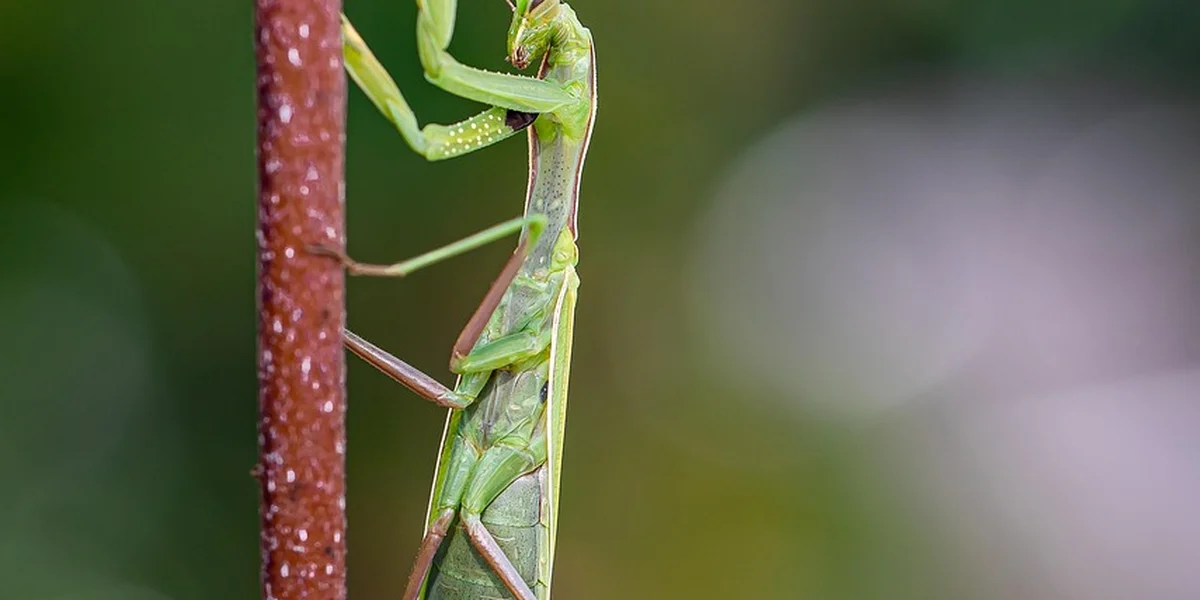
Northern mantis species, like the European Mantis, have evolved to handle cooler climates with natural strategies such as diapause-a hibernation-like state. These hardy insects slow their metabolism as days shorten, allowing them to endure frosty mornings and dwindling food sources. In contrast, tropical mantises, such as Orchid or Ghost Mantises, lack these adaptations and prefer steady warmth year-round. Our Ghost Mantis, Luna, with her misty brown frills, becomes sluggish and stressed if temperatures dip below 18°C, reminding us how vital consistent heat is for her kind. Tropical varieties often show distress through reduced movement and feeding, while northern types might enter dormancy with minimal fuss.
You can spot these differences in their behavior and physical responses to cold. Northern species may burrow into leaf litter or remain motionless for days, conserving energy like tiny green statues. Tropical mantises, however, might shiver or seek higher perches to escape cool drafts. Moss, our energetic Giant Asian Mantis, once huddled near his heat lamp when the room cooled, showing how even robust species need careful monitoring. This split in cold tolerance means your care approach must match their origins-think of it as tailoring their environment to mimic their wild homes.
Pet Mantis Cold Tolerance Guide
Use this simple guide to gauge your mantis’s comfort in cooler conditions, based on common pet species. Always observe your mantis closely for signs of stress, like lethargy or refusal to eat, as individual tolerance can vary. We’ve compiled this from years of hands-on care, including notes on Sprig, our shy Orchid Mantis, who thrives only in balmy settings.
| Species | Ideal Temperature Range | Cold Tolerance Level | Key Signs of Cold Stress |
|---|---|---|---|
| European Mantis | 15-25°C | High | Enters diapause; reduced activity |
| Giant Asian Mantis | 20-30°C | Moderate | Seeks warmth; eats less |
| Ghost Mantis | 22-28°C | Low | Sluggish movement; color dulling |
| Orchid Mantis | 25-30°C | Very Low | Hides frequently; stops hunting |
For species with low cold tolerance, even brief exposure to temperatures below their range can be harmful. We recommend keeping a small thermometer in the enclosure to track fluctuations and act quickly if needed. In our experience, a sudden chill made Luna retreat to her favorite leaf for hours, so we learned to preempt cooler spells with gentle heat sources.
Overwintering Your Pet Mantis: Indoor and Outdoor Choices
When to Start Overwintering
Begin overwintering when outdoor temperatures consistently fall below your mantis’s ideal range, usually in late autumn for many regions. Watch for natural cues like shorter daylight hours and your mantis slowing its feeding rhythm, which signal it’s time to adjust their care. With Moss, we noticed he’d ignore his crickets as the days grew crisp, prompting us to start the process around mid-October. For tropical species, any drop towards 18°C should trigger preparation, whilst northern types might handle delays until frost threatens.
Timing is delicate—too early, and you might disrupt their growth; too late, and cold shock can occur. We find it helpful to note local weather patterns and gradually reduce enclosure temperatures over a week to ease the transition. Temperature can influence mantis growth and molt timing, so aligning conditions with natural fluctuations supports steady development. This mimics the gentle cooling of nature, preventing stress that could weaken your mantis over winter.
Indoor Overwintering Setup
Indoor overwintering is safest for most pet mantises, especially tropical ones. Create a calm, cool space away from drafts, like a spare room or closet, where temperatures stay stable between 10-15°C for hardy species or 18-22°C for sensitive ones. Here’s a step-by-step approach we’ve used successfully:
- Move the enclosure to a dimly lit area to reduce activity and mimic shorter days.
- Lower the temperature gradually by 1-2°C per day using a thermostat or by moving it farther from heat sources.
- Reduce feeding to once a week or less, as metabolism slows-offer smaller prey like fruit flies.
- Maintain light misting for humidity, but do it less frequently to avoid chilling.
In our setup for Sprig, we used a simple terrarium in a quiet corner, with a hygrometer to monitor moisture. To create a naturalistic, safe habitat for your praying mantis, add plants and natural perches to mimic their wild environment. This kind of layout helps your mantis feel secure and behave more naturally. This method lets your mantis conserve energy without the risks of outdoor exposure, much like a cozy winter retreat. Check on them weekly for health, but avoid disturbances that could rouse them unnecessarily.
Outdoor Overwintering Considerations
Outdoor overwintering is risky and generally not advised for pet mantises, but if attempted, it suits only northern species in mild climates. Choose a sheltered spot, like under dense shrubs or in an insulated container, to buffer against frost and predators. We once tried this with a European Mantis ootheca (egg case) in a mesh-covered box, but even then, success depended on luck with weather.
Key factors to weigh include local winter severity and potential threats. Outdoor setups demand vigilance for sudden cold snaps or pests that could harm your mantis during its vulnerable state. For instance, raccoons or birds might discover the hiding spot, so we always opt for indoor safety after a close call with Moss’s outdoor trial. If you proceed, use a waterproof shelter and check conditions daily, but remember-indoor care offers more control and peace of mind.
Winter Care Essentials for Your Mantis Enclosure
Ideal Temperature Ranges
Most pet mantises feel happiest in temperatures between 20°C and 30°C, but this can shift with species and life stage. We’ve noticed our Ghost Mantis, Luna, prefers the cooler end around 22°C, whilst Moss, our Giant Asian, perks up near 28°C with his bright green hue. Keep a digital thermometer in the enclosure to track these subtle changes daily.
Younger mantises often need slightly warmer conditions to support their rapid growth and molting cycles. Maintaining a steady temperature prevents stress and helps your mantis conserve energy for those delicate skin sheds. In addition to temperature, humidity matters—nymphs need stable moisture to molt successfully. Avoid sudden drops below 15°C, as this can slow their metabolism and lead to health issues. Avoid both overly dry air and excessive dampness to support healthy development.
Heating Methods for Enclosures
Selecting the right heater depends on your setup size and mantis species. We often use a low-wattage heat mat placed on one side of the enclosure, creating a gentle warmth gradient for natural thermoregulation. This lets your mantis move to its preferred spot, much like they would in the wild.
- Heat mats: Stick to the outside glass or plastic, never directly under the substrate, to prevent overheating.
- Ceramic heat emitters: These provide consistent warmth without light, ideal for nocturnal species or small terrariums.
- Incandescent bulbs: Use with a thermostat to control output, and position them above the enclosure to mimic sunlight.
Always pair heaters with a reliable thermostat to avoid temperature spikes. Test the setup with your hand—if it feels comfortably warm to you, it’s likely safe for your mantis too. Maintain a stable environment for your pet mantis to thrive.
Managing Humidity in Winter
Heating systems can dry out the air, so balancing humidity is key to healthy molts and respiration. Misting the enclosure with lukewarm water once or twice a day adds moisture without shocking your mantis with cold droplets. We use a fine spray bottle for Sprig, our Orchid Mantis, to mimic the dewy mornings she’d experience in her natural habitat.
- Place a shallow water dish near the heat source to slowly evaporate and raise humidity levels.
- Add live plants like pothos or sphagnum moss to the enclosure-they release moisture and improve air quality.
- Monitor with a hygrometer, aiming for 50-70% humidity, and adjust misting frequency based on readings.
Be mindful of condensation on walls, as excess dampness can encourage mold. A well-ventilated space with occasional air flow keeps the environment fresh and prevents stagnant conditions.
Recognizing and Addressing Cold Stress in Mantises
Common Signs of Cold Stress
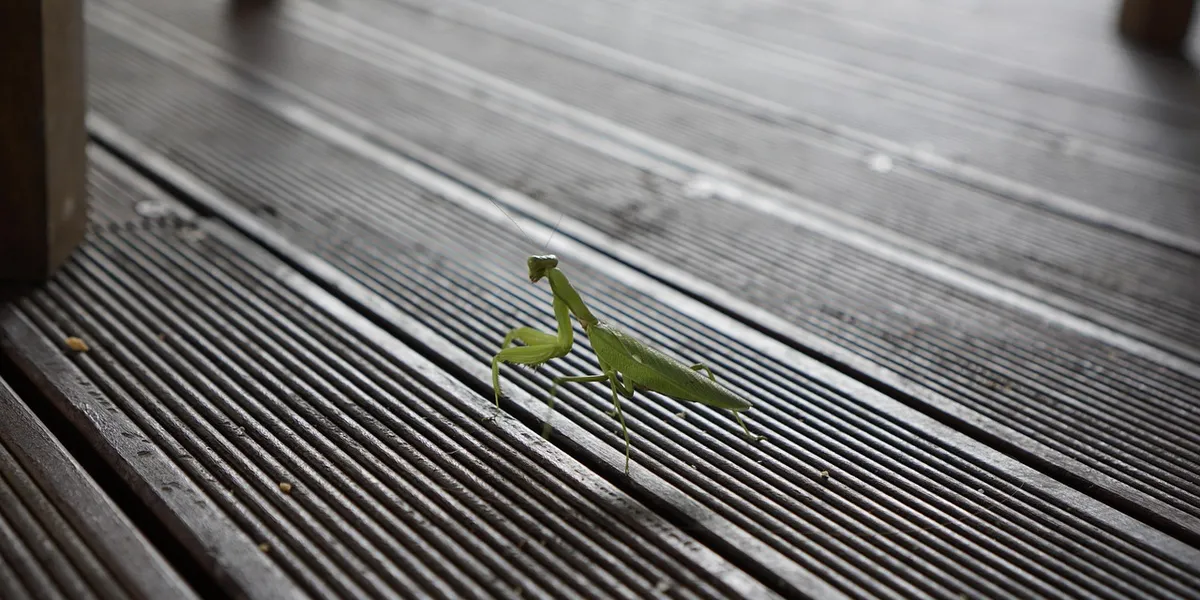
When temperatures dip too low, your mantis may show clear physical and behavioral changes. Lethargy is often the first clue-your mantis might stay in one spot for hours, moving slowly or not at all, like a tiny statue frozen in time. Watch for these other signals to catch issues early.
- Reduced appetite or refusal to eat, even with favorite prey like fruit flies.
- Darkening of the body color, as circulation slows and the mantis tries to absorb more heat.
- Clumsy movements or difficulty gripping branches, which can lead to falls and injuries.
- Extended molting periods or failed sheds, where the old skin doesn’t fully come off.
In our care, Moss once turned a dull green and ignored food for days until we adjusted his heat mat. Regular observation helps you spot these subtle shifts before they become serious problems.
What to Do If Your Mantis is Too Cold
If you suspect cold stress, act calmly to avoid further shock. Move the enclosure to a warmer room away from drafts, and gradually increase the temperature over 30-60 minutes. Sudden warmth can be just as harmful as the cold, so patience is vital here.
- Check the heating equipment for malfunctions-ensure cords are secure and thermostats are set correctly.
- Offer a shallow dish of warm (not hot) water nearby to raise ambient humidity and provide hydration.
- Gently mist the enclosure with room-temperature water to add moisture without stressing your mantis.
- Monitor your mantis closely for improved activity, and consider hand-feeding if appetite returns slowly.
For severe cases, a temporary hospital setup with extra insulation like a towel wrap can help. We’ve found that a steady recovery environment often restores their natural curiosity and vibrant behavior within a day or two.
Caring for Mantis Egg Cases in Cold Weather
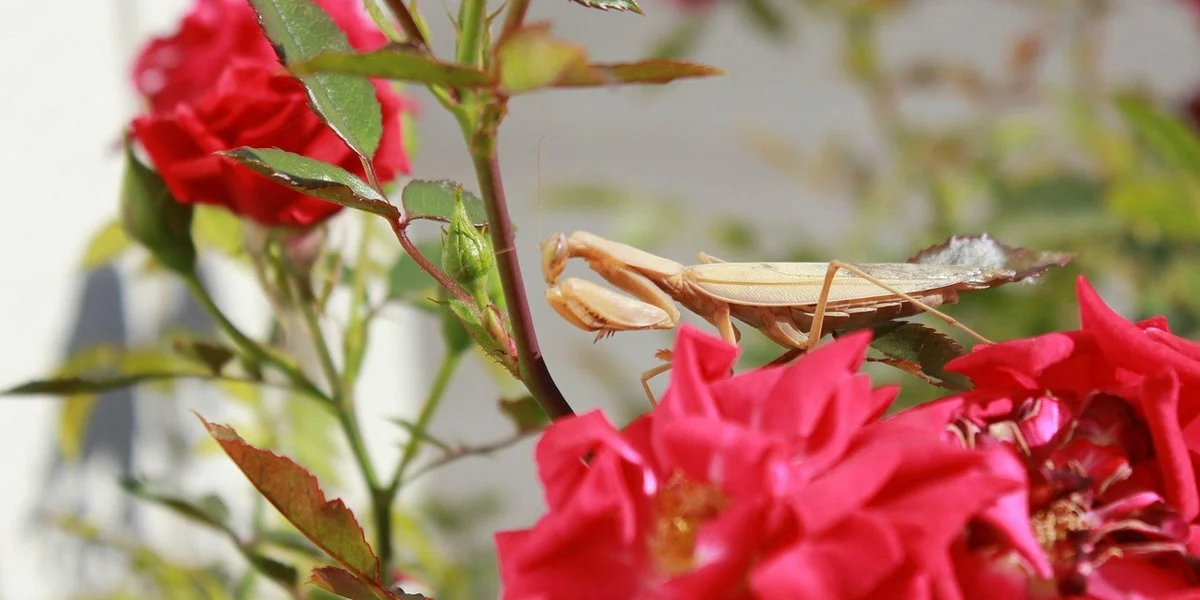
When the temperature drops, your mantis’s legacy rests safely inside its ootheca, a cleverly designed egg case that shields the next generation. This foamy, hardened structure is nature’s perfect insulation, protecting dozens of tiny nymphs from freezing winds and icy conditions. We’ve found that giving these cases a little extra attention during the colder months ensures a successful hatch when spring arrives.
Storing Ootheca for Winter
If you’ve collected an ootheca from an outdoor enclosure or from a pet mantis, proper storage is key. The goal is to mimic the natural cycle of winter dormancy, called diapause. This period of cold is vital for healthy development.
- Find a small, ventilated container like a deli cup with tiny air holes.
- Line it with a paper towel to absorb any excess moisture.
- Place the ootheca inside, ensuring it isn’t squashed or pressed against the sides.
- Store the container in a cool, stable environment like an unheated garage, a sheltered shed, or even the main compartment of your refrigerator.
- Maintain a temperature between 5°C and 10°C (40°F to 50°F).
Consistency is far more important than achieving a specific, exact number on the thermometer. Wild temperature swings can be more harmful than a steady, slightly cooler climate. Check on the ootheca every couple of weeks to ensure the paper towel is dry and there is no sign of mold.
Preparing for Spring Hatching
As winter wanes, it’s time to gently wake the ootheca from its slumber. This process should be gradual, not sudden. A slow transition prevents shock and gives the nymphs the best start.
- About 4 to 6 weeks before you want hatching to occur, move the container from its cold storage to a slightly warmer room.
- After a week in this intermediate spot, transfer the ootheca to its final, warm hatching habitat.
- Maintain this habitat at standard room temperature, around 21°C to 24°C (70°F to 75°F).
- Provide a gentle misting of water every other day; the rising humidity often acts as the final trigger for hatching.
You’ll know hatching is imminent when the ootheca plumps up and you might see tiny, dark shapes pressed against the surface. If you’re following a 6-week ootheca countdown checklist, this is your cue for hatching day prep. Mark your calendar for hatching day and double-check your enclosure conditions and feeding plan. Have your rearing enclosure ready with plenty of small climbing surfaces and a plan for feeding the pinhead-sized nymphs. Our Moss emerged from his ootheca on a sunny April morning, a sudden explosion of tiny, curious life.
Avoiding Early Hatching
The biggest risk to an ootheca is a premature, mid-winter hatch. If the eggs warm up too early, the nymphs will emerge into an environment with no food and will not survive.
- Never store an ootheca near a heat source like a radiator, heater vent, or in direct sunlight.
- Avoid bringing the container in and out of warm rooms frequently.
- Do not attempt to speed up development with artificial heat lamps or heating pads.
- If you must check on the ootheca, do so quickly and return it to its cool storage promptly.
Patience is the ultimate virtue in ootheca care; trust that the natural cold period is doing its vital work. An ootheca that hatches after a full dormancy will typically produce stronger, more vigorous nymphs. We learned this lesson the hard way with Luna’s first ootheca, which hatched far too early due to a warm spot near a window.
Common Mantis Queries
Do all pet mantises require overwintering?
No, not all species need overwintering; tropical mantises should be kept warm year-round. Only hardy, northern species may benefit from a controlled dormancy period.
What is the safest way to heat a mantis enclosure in cold weather?
Use low-wattage heat mats or ceramic emitters with a thermostat to prevent overheating. Always test the setup to ensure it provides a gentle, consistent warmth gradient.
How can I tell if my mantis is in diapause versus dead?
A mantis in diapause may show slight movement or respond to stimuli after careful observation. If the body is rigid, discolored, or unresponsive for days, it may have died.
Keeping Your Mantis Cosy and Secure
We always ensure your mantis has a steady, warm habitat by using safe heating methods and monitoring temperatures closely to mimic their natural comfort zone. Avoid sudden chills and drafts, as consistent warmth helps them stay active and healthy through cooler periods.
Responsible mantis care means we stay attentive to their needs and seek out fresh knowledge to improve their living conditions. Embrace the joy of learning alongside your pet, and you’ll find each season brings new opportunities to nurture their well-being.
Further Reading & Sources
- Praying Mantis Cold Tolerance : (5 Interesting Facts) – 2025
- r/insects on Reddit: What to do with my pet praying mantis during the winter?
- Praying Mantis Freezing outside | Arachnoboards
- Cold adapted mantis species | Mantid Forum – Mantis Pet & Breeding Forum
Rowan Hale is a lifelong insect enthusiast who fell in love with mantises for their calm presence, alien elegance, and surprising personalities. After years of keeping and raising a variety of species, Rowan shares practical tips, creative insights, and real-world experience to help others enjoy the quiet magic of mantis care. From setting up the perfect enclosure to understanding their subtle behaviors, Rowan invites readers into a gentle, curious world where every tiny movement feels like a discovery.
Temperature and Humidity