
When Are Praying Mantises Most Active?
Published on: May 19, 2026 | Last Updated: May 19, 2026
Written By: Rowan Hale
Hello, fellow mantis friend. Have you ever noticed your green companion sitting perfectly still for hours, then suddenly exploding into a blur of motion? Their secretive lives are governed by fascinating daily and seasonal rhythms.
Praying mantises are most active during the daytime, especially in warm, sunny weather, but their precise schedule shifts dramatically with the seasons and their life stage.
It’s a more complex question than it first appears. A mantis’s activity isn’t just about day or night; it’s a delicate dance influenced by temperature, hunger, age, and even their species.
- Daily peaks in the late morning and afternoon for hunting and basking.
- Seasonal bursts of activity from spring through autumn.
- Key differences between nymphs, adults, and various mantis species.
We’ll explore these patterns to help you understand the quiet, watchful world of your mantis and anticipate its most lively moments.
What Shapes Your Mantis’s Activity Levels?
Several elements in your mantis’s environment play a big role in how active they feel each day. By tuning into these factors, you can create a habitat that keeps your mantis thriving and engaged. In practice, this means creating a naturalistic, safe habitat for your praying mantis. A setup with branches, foliage, and proper humidity helps mimic their wild environment and keep them active.
- Temperature: Warmth energizes mantises, making them more likely to hunt and explore, while cooler temps encourage rest.
- Light: Natural daylight cues help mantises know when to be alert; many species are most lively at dawn and dusk.
- Humidity: Proper moisture levels support easy molting and comfort, but too much can make some mantises retreat.
- Prey Availability: A steady supply of food sparks hunting behavior, but overfeeding can lead to laziness.
We’ve noticed Moss, our Giant Asian Mantis, becomes wonderfully animated when his enclosure warms up in the morning. His emerald body shifts from a sleepy perch to a curious patrol almost instantly. In contrast, Luna, our Ghost Mantis, often pulls back into her leafy frills if the air feels too damp, reminding us that each species has its own comfort zone.
How Temperature Guides Mantis Motion
Heat directly fuels your mantis’s energy levels because they rely on external warmth to regulate their body functions. Think of temperature as the throttle for their daily adventures—warmer means go, cooler means slow. Ideally, pair heat with a proper lighting cycle to support their metabolism and circadian rhythms. This combination helps ensure the ideal lighting and heating requirements for praying mantises are met.
- Heat boosts activity by speeding up their metabolism, which helps with hunting and digestion. Cooler conditions make them sluggish as they conserve energy.
- Keep enclosures between 22-28°C for most species; use a small heat mat on one side to create a gradient they can move between.
- Watch for sluggishness or refusal to eat in cold, or frantic, uneven movements in excessive heat-both signal stress.
We always check that Moss has a warm spot to bask in after misting, and he rewards us with lively antics. Maintaining that cozy range prevents him from getting too still or overly jumpy.
Light’s Role in Daily Routines
Light acts like a natural clock for mantises, telling them when to wake, hunt, and wind down. Mimicking the sun’s rhythm indoors helps your mantis stick to a healthy schedule.
- Diurnal species, like many flower mantises, are active in daylight; crepuscular ones, such as Ghost Mantises, prefer dawn and dusk; nocturnal types hunt at night.
- Regular light cycles support feeding times and molting, as mantises often shed skin in quieter, dimmer periods.
- Use a timer for enclosure lights to simulate 12 hours of light and 12 of dark, avoiding sudden changes that can confuse them.
Luna, being crepuscular, often starts her slow, deliberate movements as the room dims in the evening. This gentle transition helps her feel secure and ready for a meal.
Humidity and Its Subtle Effects
Humidity might seem quiet, but it deeply influences how your mantis feels and acts, especially around molting. A balanced moisture level keeps their skin flexible and their spirits high, particularly during post-molting care.
- Higher humidity eases molting by softening old skin, but too much can lead to mold or reduced activity in some species.
- Monitor with a hygrometer and adjust by misting with warm water or adding ventilation; aim for 50-70% for many, but check species needs.
- Orchid Mantises, like Sprig, thrive in higher humidity around 60-80%, which helps their delicate petals stay supple and vibrant.
When Sprig is near a molt, we up the misting slightly, and she becomes more still but alert. That extra care ensures she sheds smoothly without stress.
Daily Activity Patterns: When Your Mantis Is Awake and Alert
Your mantis follows a daily rhythm that peaks at certain times, much like we have our own busy and quiet moments. Observing these patterns lets you sync with their natural energy flows.
- Many species show heightened activity at dawn and dusk, perfect for hunting and exploration.
- Watch for behaviors like the classic ambush pose, gentle grooming of antennae, or slight sways that signal they’re tuned in.
| Mantis Type | Peak Activity Times |
|---|---|
| Giant Asian Mantis | Morning and late afternoon |
| Ghost Mantis | Dawn and dusk |
| Orchid Mantis | Daylight hours, especially midday |
This table gives a quick glance, but individual mantises might have their own quirks. Noticing those little differences makes caring for them even more rewarding.
Peak Times for Feeding and Observation
Timing your interactions with your mantis’s active periods can make feeding and handling smoother. Offer food when they’re most alert to encourage natural hunting instincts. For a complete feeding schedule, plan regular meals: juveniles daily or every other day and adults every 2-3 days. Adjust frequency based on growth and appetite.
- Feed during their peak activity, like early morning or late afternoon, to match their energy surges.
- Handle your mantis in their awake phases, avoiding rest times to prevent stress; early day is often best.
- Sprig, our Orchid Mantis, gets especially bold in the soft light of late afternoon, making it ideal for watching her hunt.
We’ve found that Moss is most receptive to a gentle hand in the morning after he’s warmed up. Aligning with his rhythm means less fuss and more fun for both of you.
Recognizing Healthy Daily Rhythms
A content mantis will show clear signs of activity balanced with rest, telling you they’re in a good place. Learning these cues helps you spot when everything is just right.
- Normal activity includes poised ambush stances, subtle body sways, and quick antennae twitches.
- Restful states involve prolonged stillness, often with legs tucked in; this is natural and not a cause for worry.
Key indicators of a happy, active mantis are regular feeding responses, smooth movements, and occasional exploration of their space. When Luna rests, she looks like a tiny leaf statue, but her alert eyes remind us she’s always aware.
Seasonal Shifts: How Activity Changes Through the Year
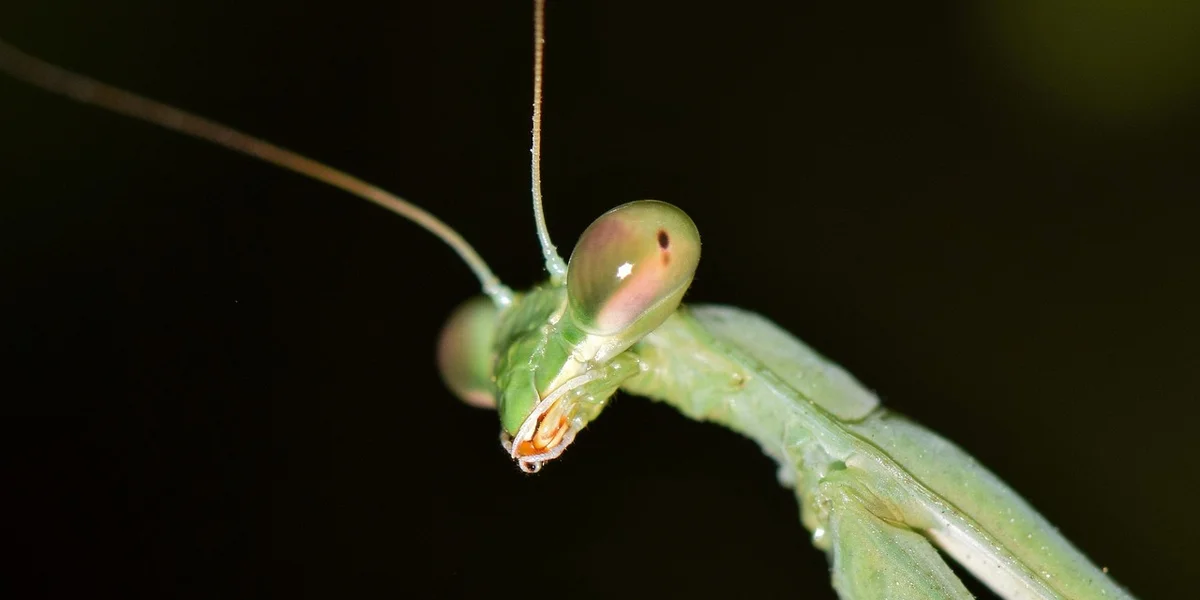
As the year cycles, your mantis responds to nature’s cues with shifts in energy and behavior. Spring’s warmth coaxes them from winter’s quiet, bringing bursts of movement and appetite, essential for growth and development.
- Spring emergence sparks high energy as mantises shake off cooler months, hunting more and exploring their space with fresh curiosity.
- Mating season boosts activity noticeably, with males roaming widely and females displaying receptive postures, all amid longer daylight hours.
- Adjust care by increasing summer feedings, ensuring hydration, and in autumn, gradually reducing meals to mirror their natural slowdown.
Spring and Summer: Energy and Mating Highs
- Warmer temperatures ramp up hunting and movement, so you might see your mantis stalking prey more often and perching in sunlit spots.
- Males become wanderers during mating, venturing out in search of partners, while females may sway or flutter wings to signal readiness.
- Match their lively mood with enrichment like new branches to climb, varied insect prey, or gentle handling sessions to engage their senses.
Autumn and Winter: The Slowdown and Overwintering
- Shorter, cooler days lead to reduced activity; your mantis may sit still for hours, conserving energy as metabolism drops.
- Wild mantises often overwinter as eggs, but pets need stable, slightly cooler setups with sparse feeding and consistent humidity to mimic dormancy.
- Nymph development can pause or slow in winter, with molts delayed until conditions improve, so patience is key during this restful phase.
Species and Sex Differences in Activity
Not all mantises follow the same daily rhythm—their species and sex shape when and how they move. Observing these patterns helps you tailor care to their innate needs. As mantises grow from nymphs to adults, their behavior can shift with each life stage. This lifecycle variation informs how you care for them at different ages.
- Ghost Mantises, like Luna, are often nocturnal, active at night, while Giant Asians, such as Moss, thrive in daylight hours.
- Males tend to be more active seekers, especially in mating season, whereas females may stay put, focusing on hunting and egg-laying.
| Species | Activity Pattern | Key Notes |
|---|---|---|
| Ghost Mantis | Nocturnal | Prefers dusk and night; gentle, less aggressive. |
| Giant Asian Mantis | Diurnal | Active by day; bold and curious in light. |
| Orchid Mantis | Crepuscular | Peaks at dawn and dusk; shy but alert. |
Activity Traits in Popular Pet Species
- Ghost Mantises are nocturnal, so they hunt and move mainly after dark, needing low-light enclosures for comfort.
- Giant Asian Mantises are diurnal, making them lively daytime companions who enjoy basking under gentle heat.
- Orchid Mantises, like Sprig, are crepuscular, most active at twilight with delicate, petal-like movements.
From my own terrarium, Moss the Giant Asian boldly explores in full daylight, while Luna the Ghost mantis waits until dusk to tilt her head and strike. Adjust care by feeding nocturnal species in evening hours and providing diurnal ones with daytime interaction.
Practical Care Tips: Aligning Your Routine with Theirs
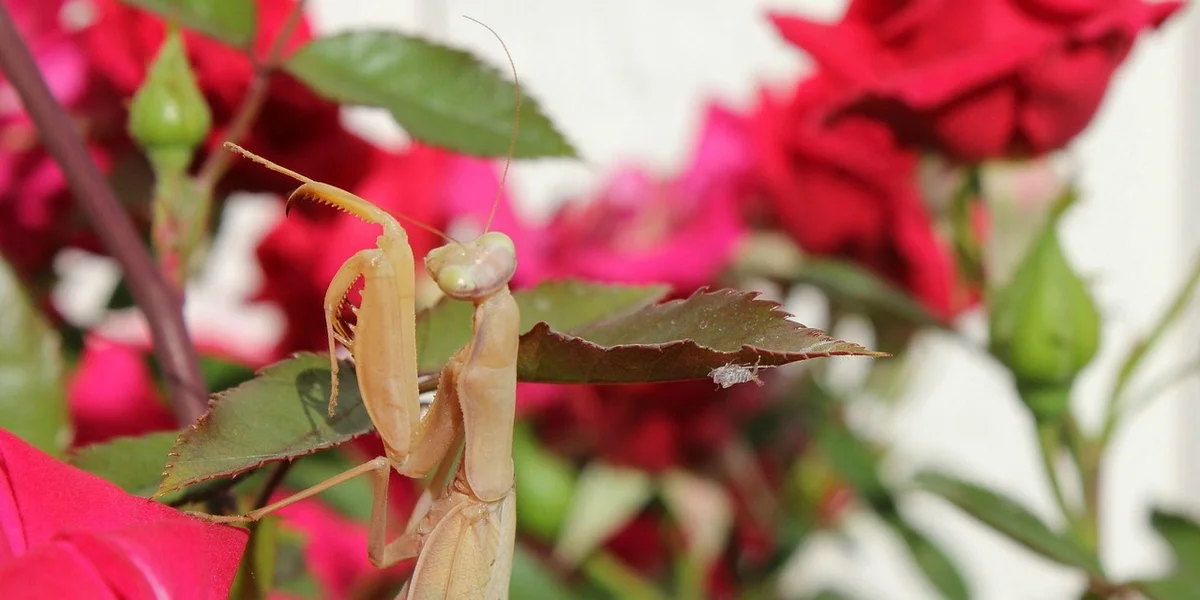
Syncing your daily habits with your mantis’s natural activity makes care smoother and more rewarding. Matching your schedule to their peaks and rests helps them feel secure and reduces unnecessary stress.
- Set up the enclosure with tall branches and leafy hides to support climbing and resting spots that mirror their wild habitat.
- Feed live prey like fruit flies or small crickets during early morning or late afternoon when mantises are most alert and hungry.
- Add enrichment, such as swapping perches or introducing safe, new textures, during their active hours to encourage exploration without disruption.
Creating an Activity-Friendly Environment
Replicating natural cycles in their home encourages healthy behavior and comfort. A steady light and warmth routine helps your mantis maintain its internal clock for feeding and movement.
- Use a simple timer for lights to simulate dawn and dusk, keeping temperatures between 70-85°F (21-29°C) for most species.
- Mist the enclosure lightly with warm water to maintain humidity around 60-70%, using a hygrometer to avoid over-dampness.
- Place a small desk lamp near the habitat for gentle warmth, ensuring it’s not too close to prevent overheating.
When to Feed and Interact for Happy Mantises
Choosing the right moments for feeding and handling builds trust and keeps your mantis content. Offering food when they’re naturally active makes mealtimes efficient and enjoyable for them. This ties into a praying mantis feeding schedule, which compares feeding times across species. Understanding these rhythms helps tailor meals to each mantis’ natural pattern.
- Provide live insects in the cooler parts of the day, like early morning or evening, to align with their hunting instincts.
- Handle your mantis gently during peak activity by letting them step onto your hand; avoid sudden movements that might startle them.
- Observe their body language-if they turn away or retreat, respect their space and try again later instead of forcing interaction.
Reading the Signs: Normal Activity vs. Red Flags
Noticing subtle changes in behavior helps you care for your mantis with confidence. Learning to tell healthy rest from worrisome stillness ensures you can act quickly if needed.
- Healthy rest involves brief pauses between movements, while lethargy shows as unresponsiveness even when stimulated.
- Watch for red flags like refusing food for more than a few days or staying immobile in an awkward position for hours.
- Remember that variations are normal-molting or cooler days can slow them down, but persistent issues may need expert input.
Spotting Trouble in Activity Patterns
Certain signs can indicate underlying health problems that affect how your mantis moves and behaves. Comparing unusual symptoms with typical habits helps you identify when something is wrong.
- Symptoms of illness include a limp or dragging posture, discolored skin, or twitching movements that aren’t part of normal molting.
- Contrast this with molting stillness, where they hang quietly for hours but eventually shed and resume activity.
- Quick reference list: Watch for prolonged immobility, loss of grip on perches, or a lack of interest in surroundings as potential warnings.
Encouraging Balanced Activity in Captivity
Small adjustments to their environment can promote natural behaviors and prevent boredom. Understanding essential habitat requirements is key to keeping a healthy praying mantis. Providing appropriate enclosure conditions, temperature, and humidity supports their well-being. Stimulating your mantis with mild challenges supports their physical and mental health in captivity.
- Rotate decorations or add live plants weekly to create new climbing paths and hiding spots that mimic outdoor variety.
- Introduce mild enrichment, like dangling a safe leaf or varying prey types, to keep them engaged without overstimulation.
- Pay attention to your mantis’s unique rhythm-note when they’re most active and adjust feeding or interaction times to suit their preferences.
Common Mantis Queries
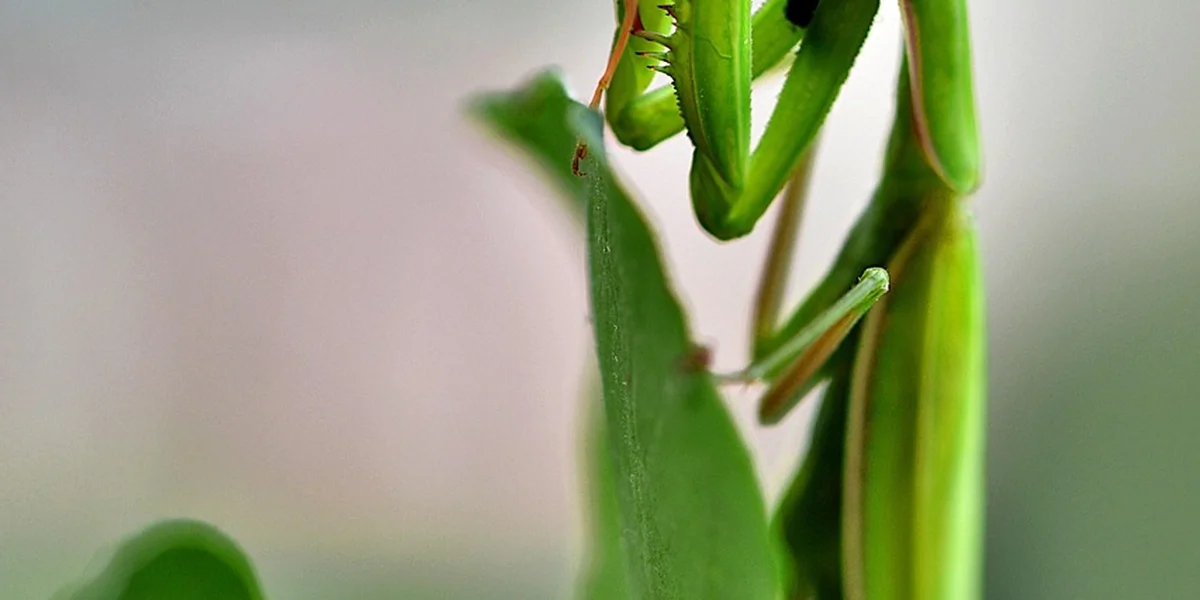
Do praying mantises adjust activity with prey availability?
Yes, mantises increase hunting behaviors when prey is present, responding to movement and availability. However, overfeeding can reduce their activity levels and lead to lethargy. They also adjust the depth at which they hunt, from leaf surfaces to lower vegetation, depending on where prey is found. Their hunting looks patient and precise, punctuated by a sudden, rapid strike when prey is within reach.
Are there species or sex differences in mantis activity?
Species vary greatly, with some like Ghost Mantises being nocturnal and others like Giant Asians active by day. Males often roam more, especially in mating season, while females may focus on ambush hunting.
What are signs of increased mantis activity?
Look for frequent stalking, swift strikes at prey, and exploratory movements around their habitat. Other indicators include antennae grooming and gentle body sways when alert.
Your Mantis’s Daily and Seasonal Rhythms
Praying mantises are most active during the cooler, quieter hours of dawn and dusk, making those times perfect for feeding and gentle interaction. Adjusting your care to match their natural daily and seasonal cycles helps keep them healthy and engaged throughout the year. During winter, many mantises overwinter as eggs or enter a dormant state. A winter survival guide explains these winter behaviors and how to prepare for spring hatchlings.
Responsible mantis ownership means observing their habits closely and creating a safe, enriching environment that mirrors their wild instincts. We invite you to keep learning and adapting your approach, ensuring your mantis thrives under your thoughtful care.
Further Reading & Sources
- Life Cycle of a Praying Mantis – Insect Lore
- All About Praying Mantises, Climate, and Temperature – Insect Lore
- Mantis – Wikipedia
- How Long Do Praying Mantis Live? | Terminix
Rowan Hale is a lifelong insect enthusiast who fell in love with mantises for their calm presence, alien elegance, and surprising personalities. After years of keeping and raising a variety of species, Rowan shares practical tips, creative insights, and real-world experience to help others enjoy the quiet magic of mantis care. From setting up the perfect enclosure to understanding their subtle behaviors, Rowan invites readers into a gentle, curious world where every tiny movement feels like a discovery.
Temperature and Humidity