
Praying Mantis Ootheca Care: Your Simple Guide to Egg Cases
Hello fellow mantis friend, have you ever peered at a praying mantis ootheca and marvelled at its foamy, papery shell, wondering how to nurture those hidden lives inside?
Caring for praying mantis egg cases means providing steady humidity, gentle warmth, and safe handling until dozens of tiny nymphs emerge.
But each ootheca holds its own subtle needs, shaped by species and environment, which we will gently unfold for you.
- Maintain consistent humidity with light misting to prevent drying out
- Keep temperatures stable, avoiding sudden chills or heat spikes
- Position the ootheca securely in a well-ventilated space
- Watch for signs of hatching, like tiny exit holes and movement
What Is a Praying Mantis Ootheca?
An ootheca is a foam-like case that female mantises create to shield their eggs from harm. Think of it as a tiny, natural sleeping bag that keeps the eggs cozy and secure against predators and harsh weather. This spongy structure hardens over time, forming a protective shell that insulates the developing nymphs inside.
Different mantis species craft oothecae with unique shapes, sizes, and textures. For instance, the Ghost Mantis produces small, leaf-mimicking cases, while the Giant Asian Mantis builds larger, sturdier ones. These variations help the eggs blend into their specific habitats, offering extra camouflage and survival advantages.
Here are some common ootheca types you might encounter:
- Ghost Mantis Ootheca: Delicate and frilly, resembling a dried leaf; often pale brown and lightly textured.
- Giant Asian Mantis Ootheca: Robust and elongated, with a tan or beige color; feels firm and slightly ridged to the touch.
- Orchid Mantis Ootheca: Small and rounded, with a subtle pink or white hue; has a smooth, almost glossy surface.
- Chinese Mantis Ootheca: Large and blocky, typically grayish-brown; features a rough, pebbled appearance.
Finding or Buying Your Mantis Egg Case
You can source oothecae ethically by purchasing from reputable breeders or carefully collecting them from outdoor spaces. Buying from breeders ensures you get healthy, captive-bred cases that are less likely to carry pests or diseases. This approach supports responsible pet ownership and reduces stress on wild populations.
If you are new to mantis care, start with species known for hardy oothecae, like the Chinese Mantis or Giant Asian Mantis. These types tend to hatch reliably and adapt well to indoor environments, making them ideal for beginners. Avoid more delicate species initially, as their egg cases may require precise conditions to thrive.
Watch for these red flags to spot unhealthy oothecae:
- Cracks or holes in the foam structure
- Visible mold or fuzzy growths
- Unusual softness or squishiness when gently pressed
- Discoloration, such as dark spots or a faded appearance
- A musty or sour smell instead of a mild, earthy scent
Ethical Considerations for Ootheca Collection
Removing oothecae from the wild can disrupt local ecosystems by reducing mantis numbers that control pest insects. We always prefer captive-bred oothecae because they come from controlled environments and help preserve natural balances. This choice also minimizes the risk of introducing parasites or invasive species into your home setup.
Before collecting outdoors, check your local regulations, as some areas have laws protecting native mantis species. Even if collection is allowed, take only what you need and leave plenty for wildlife to maintain healthy populations. Respecting these guidelines ensures that these fascinating insects continue to thrive in their habitats.
Setting Up the Ideal Incubation Environment
Creating a cozy home for your mantis egg case feels a bit like tending a miniature greenhouse-steady warmth, soft moisture, and fresh air work together to nurture life. We find that a simple indoor setup mimics the gentle conditions mantis oothecae experience in nature, boosting hatch rates and keeping nymphs healthy.
- Select a clear plastic container, such as a deli cup with a ventilated lid, to let light in while containing tiny hatchlings.
- Place a heat mat under one side of the container or keep the room consistently warm, avoiding direct heat on the ootheca.
- Lightly mist the interior every few days with distilled water, aiming for a dewy film rather than wet droplets.
- Poke small holes in the lid for airflow, which helps prevent stagnant air and mold growth around the egg case.
Temperature Control for Hatching Success
Mantis species thrive at different warmth levels, much like plants in various climates. Keeping temperatures stable prevents delays and supports strong nymph development, as we saw with Luna’s ootheca hatching right on time at 78°F. Temperature does affect praying mantis growth and development. Stable, species-appropriate temperatures promote steady growth and timely maturation.
| Species | Ideal Temperature Range (°F) |
|---|---|
| Chinese Mantis | 75-85 |
| European Mantis | 70-80 |
| Ghost Mantis | 75-82 |
| Orchid Mantis | 80-85 |
Humidity and Moisture Management
Humidity should hover like a soft morning mist, not drench the ootheca. Using a small hygrometer lets you track levels easily, and we mist every two to three days for most setups, adjusting if the air feels dry.
Spritz with distilled water to avoid mineral buildup, and watch for a slight sheen on surfaces-this tells you moisture is just right.
Ventilation and Mold Prevention
Balancing humidity with airflow stops mold from taking hold, which can harm delicate eggs. If you notice fuzzy white or green spots, gently wipe the area with a cotton swab dipped in diluted vinegar, and increase ventilation straight away.
- Signs of mold include discolored patches, a musty smell, or a slimy texture.
- Safe removal involves isolating the ootheca, cleaning with a mild solution, and drying it briefly before returning to the setup.
Daily Care and Monitoring Your Ootheca
A quick daily check-in helps you spot changes early and keeps your ootheca thriving. We treat this routine like a quiet garden inspection-gentle, observant, and reassuring for both keeper and eggs.
- Look for color shifts or slight swelling in the egg case.
- Ensure the container is clean and free of debris.
- Handle the ootheca minimally, using soft tweezers if needed.
- Quarantine new oothecae for a week in a separate container to avoid introducing mites or other pests.
Misting and Humidity Checks
Misting schedules depend on your home’s dryness-in arid rooms, we mist every other day, whilst in humid spaces, twice a week suffices. Always use distilled water to prevent chalky residues that could block tiny nymph airways after hatching.
Observing Signs of Development
As hatching nears, the ootheca may darken, and you might see subtle movements or tiny cracks. In contrast, a dead ootheca often stays pale, feels overly brittle, and shows no changes for weeks on end. To stay on track for hatching day, use a 6-week countdown checklist. It helps you monitor changes and anticipate hatch day.
We recall Moss’s ootheca turning a rich brown before hundreds of nymphs emerged, a sure sign of healthy progress.
The Hatching Process and What to Expect
When your mantis ootheca begins to hatch, it feels like watching a tiny miracle unfold. You will first notice pinprick holes appearing in the egg case, a sure sign that nymphs are preparing to emerge. This stage can last a few hours, with dozens of miniature mantises slowly pushing their way out. We remember Luna’s ghost mantis ootheca-it looked like a delicate brown leaf suddenly peppered with tiny openings, and the air filled with soft rustling as the nymphs made their debut.
Preparing for the hatchlings is key to their survival. Follow these steps to ensure a smooth transition for your new mantis nymphs. In the first 30 days, careful attention to enclosure, humidity, and feeding is essential. This is your complete survival guide for that critical early period.
- Watch for tiny holes in the ootheca. This is the earliest indicator that hatching is imminent, usually happening within a day or two of the first signs.
- Have a rearing container ready. A small, ventilated enclosure with fine mesh prevents escapes and provides a safe space for the nymphs to settle.
- Offer food like fruit flies immediately after hatch. Nymphs are hungry right away, and a ready food source reduces stress and cannibalism risks.
After emergence, the nymphs may cling to the ootheca or nearby surfaces. Keep the environment humid and calm to help them adjust without disturbance. Mist the enclosure lightly with warm water to maintain moisture, but avoid direct spraying on the fragile nymphs.
Spring Hatch Triggers and Timing
Oothecae often hatch in response to seasonal cues, mimicking nature’s rhythms. Temperature and light cycles act as primary triggers, especially for egg cases kept in outdoor or natural settings. As days lengthen and warmth increases, it signals springtime, prompting the embryos to develop and emerge. For instance, Moss’s ootheca, placed near a window with morning sun, hatched precisely when indoor temperatures rose steadily above 20°C.
A gradual increase in daylight hours-around 12 to 14 hours of light-combined with temperatures between 20-25°C encourages synchronous hatching. We find that simulating these conditions indoors can lead to predictable timing, often within 4-6 weeks after winter dormancy. Avoid sudden changes; instead, slowly adjust heat and light over a week or two to prevent shocking the ootheca.
Troubleshooting Common Ootheca Problems
Even with careful attention, oothecae can face issues that need quick action. Recognizing symptoms early helps you address problems before they affect hatch success. For breeders facing oothecae not hatching, this troubleshooting checklist helps you pinpoint issues quickly. Follow the checklist to identify causes and implement corrective actions to improve hatch rates. Below is a table outlining common concerns, their causes, and simple solutions.
| Symptom | Cause | Solution |
|---|---|---|
| White, fuzzy mold on surface | Excess humidity or poor ventilation | Gently wipe with a damp cloth and improve air flow |
| Ootheca appears shriveled or dry | Low humidity or dehydration | Mist lightly with water and check enclosure moisture levels |
| No hatching after expected time | Infertile eggs or incorrect temperature | Verify warmth and light; if no change, ootheca may be non-viable |
Sometimes, an ootheca might not hatch due to being non-viable or dead. Look for discoloration-such as a dark, blackish hue-or a foul, unpleasant odor, which are clear indicators of decay. If you gently press the ootheca and it feels mushy or crumbles easily, it is likely past saving. In such cases, it is best to remove it to prevent mold from spreading to other items in the enclosure. These are among the 9 ootheca care mistakes that prevent successful hatching. By recognizing and avoiding them, you can improve hatch outcomes.
Dealing with Mold and Pests
Mold on an ootheca can be alarming, but it is often manageable with gentle care. Use a soft cloth dampened with lukewarm water to wipe away any fuzzy patches, taking care not to damage the egg case. We have dealt with this using a cotton swab for precision, especially around Sprig’s orchid mantis ootheca, which had a delicate texture. Always ensure the cloth is only slightly moist to avoid oversaturating the ootheca.
Harsh chemicals or disinfectants should never be used, as they can harm the developing embryos. Instead, focus on prevention by maintaining balanced humidity and good ventilation in the enclosure. If pests like mites appear, isolate the ootheca and gently brush them off with a soft brush. Regularly inspect your setup to catch issues early, keeping your mantis nursery safe and clean.
Caring for Newly Hatched Mantis Nymphs
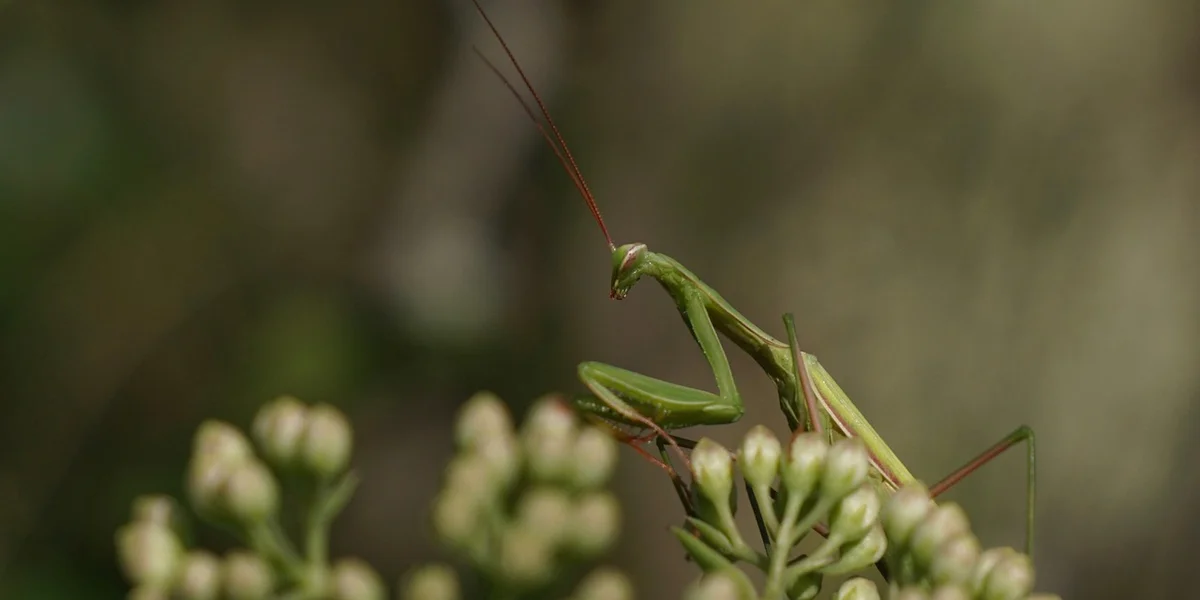
Watching dozens of tiny mantis nymphs emerge is a breathtaking moment. Your immediate focus shifts to providing a secure nursery environment where these miniature hunters can find their footing. Their first few days are the most delicate, requiring attentive but gentle management.
Essential Post-Hatch Setup
Nymphs are incredibly small and vulnerable right after hatching. A simple, well-ventilated container is far safer and more manageable than a large, complex enclosure at this stage. We often use a one-gallon glass jar or a small plastic critter keeper with a mesh lid for excellent airflow.
- A small, ventilated enclosure (jar, deli cup, or small critter keeper)
- Fine mesh or netting for the lid to prevent escapes
- Twigs, thin branches, or fake plants for climbing and perching
- A small, shallow water source like a damp cotton ball or paper towel
- A reliable supply of tiny live food
Feeding Your First Instar Nymphs
Newly hatched mantises, called first instars, will not eat for the first day or two as they absorb their yolk sac. Their first meal should be live prey small enough to catch and consume, typically flightless fruit flies or pinhead crickets. In our ultimate guide to gut loading feeder insects for mantises, you’ll learn how to enrich your prey to maximize nutrition. Gut-loaded prey can improve growth and health for first instars. We gently introduce a few flies into their enclosure and observe. You will know they are feeding successfully when their abdomens appear plump.
Critical Safety Measures
The greatest threat to a new nymph is often its own siblings. Cannibalism is a natural behavior that begins startlingly early, so you must house nymphs individually or in very large, well-planted groups with extreme supervision. For beginners, separating them into individual deli cups is the safest course of action. Also ensure their home is away from direct sunlight, which can quickly overheat and kill them.
Releasing Nymphs into the Wild
If you have more nymphs than you can care for, releasing them is a wonderful option. Choose a release site with plenty of native foliage, flowers, and a healthy population of small insects to serve as their natural prey. Avoid areas that are heavily manicured or treated with pesticides.
- Wait for a calm, dry morning or early evening.
- Gently place the nymphs, or the twig they are on, onto the leaves of a suitable plant.
- Select a spot that offers protection from birds and strong winds.
Our Moss, a Giant Asian mantis, was released as a nymph into a lavender bush and thrived magnificently. A thoughtful release gives these fascinating predators a strong start in their natural role within the local ecosystem.
Questions from Fellow Mantis Friends
How do I care for a Ghost Mantis ootheca specifically?
Ghost Mantis oothecae need slightly higher humidity and gentle handling due to their delicate, leaf-like structure. Maintain temperatures between 75-82°F and mist lightly every other day to prevent drying out without oversaturating.
What should I do with my mantis ootheca during winter months?
In winter, move oothecae to a cool, dry indoor spot to mimic natural dormancy and reduce misting frequency. Gradually reintroduce warmth and longer daylight in early spring to stimulate hatching when conditions improve.
Is it safe to keep a mantis ootheca outdoors, and what precautions are needed?
Outdoor oothecae should be placed in a sheltered, predator-free area with some natural cover to buffer against weather extremes. Check regularly for mold or pests, and bring them indoors if temperatures drop suddenly or humidity levels become inconsistent.
Your Ootheca Care Journey Ahead
Keep the egg case in a warm, humid enclosure and handle it gently to support healthy nymph development. We’ve found that consistent, light misting mimics morning dew and helps prevent the ootheca from becoming brittle.
Responsible mantis keeping starts with preparing for hatchlings and providing them a safe start in life. We always enjoy learning more through online forums and care guides to better understand our pet mantises’ needs. For new owners, our first-week mantis care guide walks you through daily care, feeding, enclosure setup, and basic health checks.
Further Reading & Sources
- Caring for mantis ootheca and eggs | Keeping Insects
- Praying Mantid caresheet – Amateur Entomologists’ Society (AES)
- Ootheca Life Cycle Praying Mantis Egg – USMANTIS
- How to Take Care of your Praying Mantis Egg Case
Rowan Hale is a lifelong insect enthusiast who fell in love with mantises for their calm presence, alien elegance, and surprising personalities. After years of keeping and raising a variety of species, Rowan shares practical tips, creative insights, and real-world experience to help others enjoy the quiet magic of mantis care. From setting up the perfect enclosure to understanding their subtle behaviors, Rowan invites readers into a gentle, curious world where every tiny movement feels like a discovery.
Egg Care