
Common Mistakes to Avoid When Setting Up Your First Mantis Habitat
Published on: January 5, 2026 | Last Updated: January 5, 2026
Written By: Rowan Hale
Hello, mantis friend! Welcoming a praying mantis into your home is a delightful adventure, filled with quiet moments watching your new companion perch like a living sculpture. It’s a joy that begins with crafting the perfect environment, where every detail matters for their well-being.
Getting your mantis habitat right from the start helps prevent stress, illness, and unnecessary struggles for your delicate pet. We’ve seen how a well-set enclosure can turn a shy juvenile into a confident hunter, just like our own Moss, who blossomed once his space mirrored the gentle humidity and climbing options he craved.
Setting up a habitat isn’t just about picking any container-it’s a balance of microclimates, safety, and mimicking nature’s subtle cues. Overlooking these elements can lead to common pitfalls that new keepers often face.
In this guide, we’ll walk you through the key areas to focus on:
- Choosing the right enclosure size and ventilation
- Managing humidity and temperature without guesswork
- Selecting safe substrates and decor
- Avoiding feeding and handling errors
Enclosure Size and Structure Pitfalls
An enclosure that’s too small can leave your mantis feeling cramped and stressed. Mantises rely on vertical space to hang upside down for molting, a process where they shed their old skin to grow. When Moss, my Giant Asian Mantis, was young, his energetic nature meant he constantly explored every corner; a tight space would have hindered his movements and increased the risk of a failed molt.
- Select an enclosure height at least three times your mantis’s length to allow room for climbing and molting.
- Match the size to the species: larger mantises like the Giant Asian need more space, while smaller ones such as Ghost Mantises do well in compact setups.
- Upgrade the habitat as your mantis grows from a nymph to an adult to prevent overcrowding and stress.
Poor ventilation can trap stale air and lead to mold growth or respiratory issues. Properly ventilating a praying mantis enclosure helps prevent these problems by balancing air exchange with humidity. Proper airflow helps maintain a fresh environment without creating harsh drafts that dry out your mantis. We use fine mesh lids on our enclosures to allow gentle air exchange while keeping humidity stable.
- Choose enclosures with mesh panels or small vents to promote circulation.
- Place the habitat away from direct airflow like fans or open windows to avoid sudden temperature drops.
Unsafe materials or sharp edges pose a real danger to your mantis’s delicate limbs. Gaps or rough surfaces can cause injuries during climbing or molting. Always inspect new enclosures for smooth finishes and secure fittings to keep your pet safe.
- Avoid containers with sharp corners or loose parts that could snag legs.
- Opt for glass or acrylic tanks with rounded edges, and ensure any openings are too small for escape.
Temperature and Humidity Missteps
Incorrect temperature and humidity levels can disrupt your mantis’s health and molting cycle. Ghost Mantises like Luna need subtle shifts in humidity to mimic their natural rainforest habitats. Too low, and they may struggle to shed their skin; too high, and mold can thrive, leading to respiratory problems.
- Monitor conditions with a basic thermometer and hygrometer, placing them inside the enclosure for accurate readings.
- Adjust temperature using a low-wattage heat mat on one side, creating a warm zone for basking and a cooler area for retreat.
- Maintain humidity by misting with lukewarm water, focusing on the enclosure’s sides rather than directly on the mantis.
Improper lighting, especially direct sunlight, can overheat the enclosure and harm your mantis. Mimicking natural day-night cycles with indirect light helps regulate their activity and comfort. We avoid placing enclosures in sunny spots and instead use soft, ambient lighting to create a calm environment.
- Use timers for artificial lights to provide consistent 12-hour cycles of light and darkness.
- Position habitats in areas with filtered natural light, avoiding prolonged exposure to direct sun.
Misting schedule errors often result in inconsistent humidity or water spill hazards. Over-misting can lead to pooled water, which encourages mold and creates slippery surfaces. For Luna, we mist lightly once daily, ensuring the enclosure dries slightly between sessions to maintain balance.
- Mist in the morning to simulate natural dew, using a fine spray bottle for even coverage.
- Check for excess water and wipe it up promptly to prevent spills and maintain a safe footing for your mantis.
Substrate and Water Management Blunders
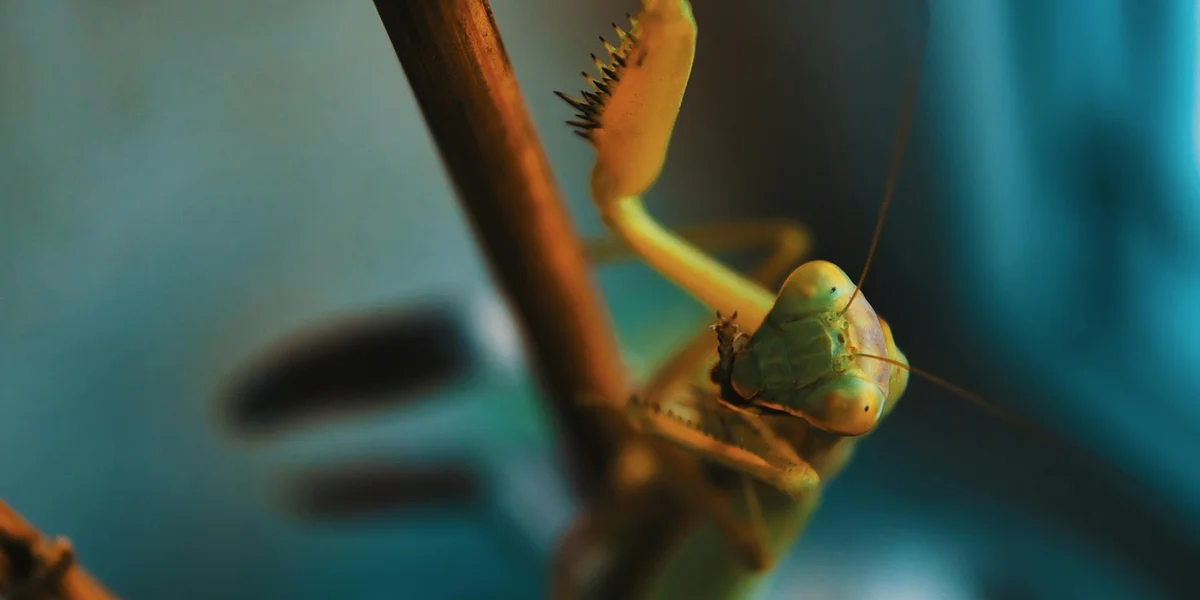
Choosing the wrong substrate can lead to mold growth or even harm your mantis if it’s ingested. We’ve seen cases where damp, compacted soil caused respiratory issues in delicate species. Always opt for loose, breathable materials that mimic their natural forest floor habitat.
Inadequate drainage is a common pitfall that turns habitats into swampy messes. Without proper airflow, stagnant water encourages bacteria and fungi. Setting up a simple drainage layer prevents flooding and keeps the enclosure fresh and dry.
Safe Substrate Options
- Coconut fiber: Holds moisture well and is soft for molting.
- Orchid bark: Provides texture and helps with humidity control.
- Sphagnum moss: Ideal for retaining water without becoming waterlogged.
Steps for a Drainage Layer
- Place a one-inch layer of aquarium gravel or clay pellets at the bottom of the tank.
- Add a mesh screen on top to separate it from the substrate.
- Spread your chosen substrate evenly, about two inches deep.
Avoid pesticides by sourcing substrates from reputable pet stores or organic suppliers. We rinse all decorations in warm water to remove any chemical residues before adding them to the habitat.
Managing humidity requires a gentle touch—too much can cause condensation and chill your mantis. Light misting in the morning mimics dew and evaporates by evening, keeping conditions safe. Use a hygrometer to monitor levels and adjust ventilation as needed. This approach helps you set up the perfect humidity level for your praying mantis enclosure. Maintaining these conditions supports healthy molts and active, stress-free mantises.
Enrichment and Safety Oversights
Neglecting enrichment can leave your mantis stressed and inactive, much like our Sprig, who hid constantly until we added more climbing options. Providing varied perches and hiding spots supports their natural behaviors and mental well-being.
Hazardous plants or sharp-edged decor pose real risks, from toxic ingestion to injury. Stick to non-toxic, smooth-branched plants like spider plants or artificial vines to create a secure environment.
Steps for Adding Safe Decorations
- Select sturdy, natural branches that won’t collapse under your mantis’s weight.
- Arrange them at different heights to encourage climbing and exploration.
- Include leafy hideaways, such as small fake plants, for privacy during molting.
Gaps in the habitat can trap limbs or cause falls, so check for narrow openings between decor. We secure all items firmly to prevent shifting that might startle or harm your mantis. If you notice signs your mantis is stressed—such as staying hidden, avoiding movement, or refusing to eat—reassess its habitat. Fixes to the setup can restore comfort and safety.
A stimulating setup reduces the need for handling, which many mantises find stressful. By mimicking a mini-ecosystem with varied textures and heights, you help your mantis feel confident and content.
Feeding and Health Errors
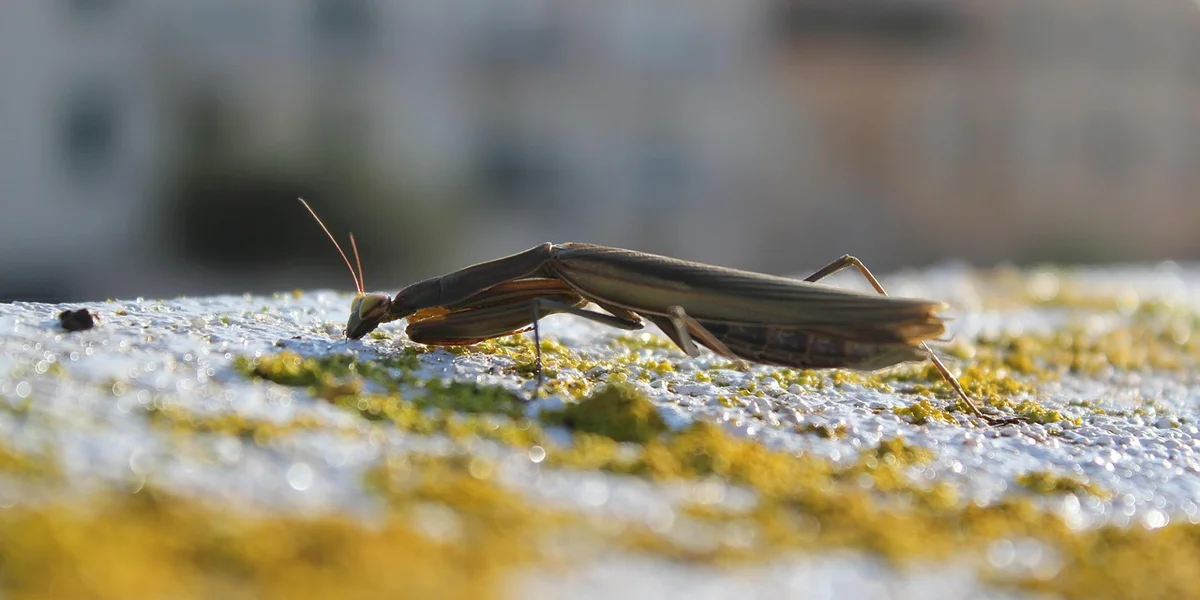
Choosing the wrong prey can quickly harm your mantis. Stick to safe, captive-bred insects like fruit flies for tiny nymphs or appropriately sized crickets and roaches for larger mantises to avoid pesticide exposure from wild catches. I learned this early with my Ghost Mantis, Luna—her delicate frills mean she thrives on soft-bodied prey that won’t injure her during feeding. Check out this comprehensive list of insects that praying mantises eat to make sure you’re feeding your pet for optimal health.
Overfeeding can cause obesity and molting struggles, while underfeeding leaves your mantis weak. Watch for a slightly rounded abdomen after meals; if it’s bulging, you’re likely offering too much, and if it’s sunken, increase portions gently. To tell if your mantis is hungry or full, watch its appetite around feeding time. A hungry mantis will eagerly strike at prey, while a full one may show little interest and hesitate to eat. A consistent schedule prevents guesswork and keeps energy levels steady.
- Suitable prey types: fruit flies, pinhead crickets, small moths, or flightless Drosophila for juveniles; houseflies, blue bottle flies, or small roaches for adults-always match prey size to your mantis’s head width.
- Step-by-step feeding schedule: Offer food every 2-3 days for young mantises, reducing to once weekly for adults; remove uneaten prey after 24 hours to cut disease risk and stress.
Poor habitat setup amplifies feeding issues by raising stress. Spot early illness signs like lethargy, refusal to eat, or discolored skin by observing daily-my Giant Asian Mantis, Moss, once showed dull green tones when his enclosure was too damp, alerting me to adjust conditions fast. Quick action can turn things around before health declines.
Handling should be minimal, especially for timid species. Limit contact to essential moments, using a soft brush to guide your mantis rather than hands, as rough handling can trigger defensive postures or falls that lead to injury. For calm types like Moss, brief interactions are fine, but Luna’s leaf-like stillness means she’s happier left undisturbed.
Cleaning and Maintenance Slip-Ups
Infrequent cleaning invites mold and pests that stress your mantis. Establish a simple routine with weekly spot checks and monthly deep cleans to remove waste and old prey, keeping the enclosure smelling fresh and safe. I recall Sprig, my Orchid Mantis, perking up after a quick tidy—her pink petals seemed brighter in a clean space. It’s essential to clean and maintain the habitat regularly.
Poor maintenance worsens other mistakes, like humidity swings or substrate clumping. Use these safe cleaning steps to avoid disturbing your mantis: gently move them to a temporary container, wipe surfaces with warm water, replace substrate if soiled, and return them calmly once done. These steps are part of the ultimate mantis health troubleshooting checklist for diagnosing issues and addressing ‘why my mantis is sick.’ This prevents escapes and keeps the environment stable.
- Weekly: Remove visible debris and uneaten food; mist lightly if needed for humidity.
- Monthly: Replace substrate fully, disinfect decor with diluted vinegar, and check for mold or mites.
- Always work quietly and quickly to minimize stress-your mantis will sense the calm and settle back easily.
Neglect can turn minor issues into big problems, like respiratory infections from damp substrate. Make cleaning a reassuring ritual by keeping supplies handy and sessions brief, so your mantis learns it’s not a threat but a refresh for their home. With practice, it becomes a peaceful part of your care routine that supports long-term health.
Questions from Fellow Mantis Friends
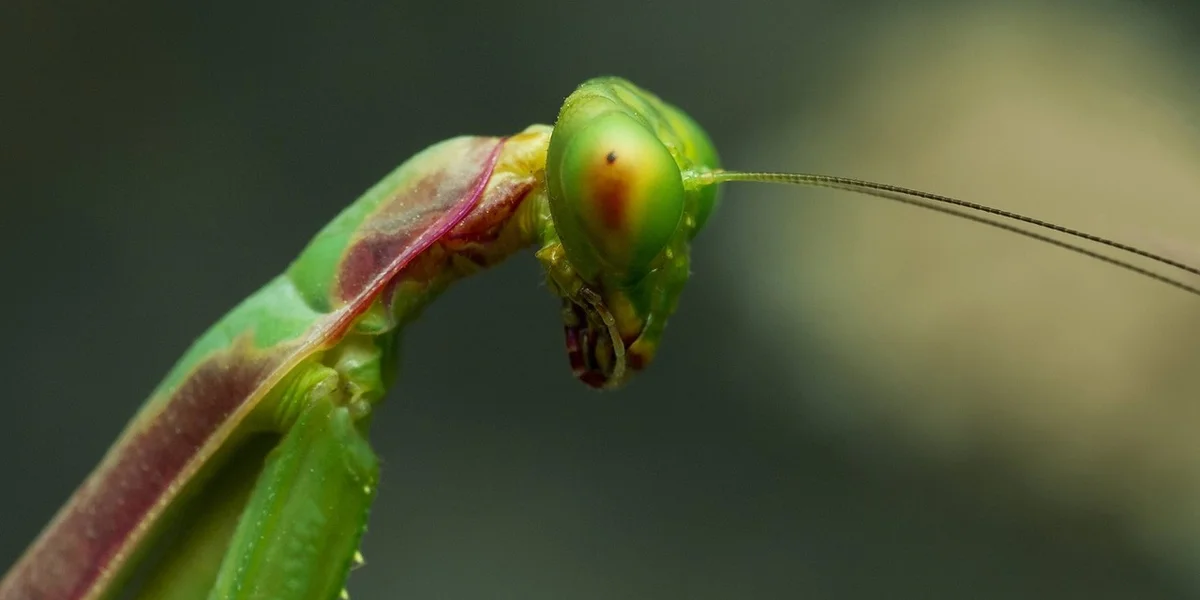
How do I know if my mantis is stressed?
Signs of stress include frantic pacing, refusing food for extended periods, or repeatedly falling from perches. A healthy, content mantis will typically remain still for long periods, only moving deliberately for hunting or repositioning. Learn more about identifying stressed mantises here.
What is the average lifespan of a pet praying mantis?
The lifespan varies by species but generally ranges from 6 to 18 months from nymph to adult. Females often live longer than males, especially after their final molt into adulthood.
How often should I handle my mantis?
Handling should be infrequent and brief to avoid causing stress or injury. It is best to let the mantis walk onto your hand voluntarily rather than picking it up directly.
Caring for Your Mantis: A Gentle Farewell Note
We’ve covered how to sidestep common errors like cramped enclosures and improper humidity by focusing on spacious, well-ventilated homes and stable environmental conditions. To create a naturalistic, safe habitat for your praying mantis, use natural perches and plant decor to mimic its wild environment. This helps promote natural behaviors while keeping the enclosure safe. Stick with safe, natural setups that include plenty of perches and hiding spots to keep your mantis content and healthy from the start.
Responsible mantis ownership means committing to observe and adapt as you learn more about their unique needs and behaviors. Embrace the journey of discovery, and your efforts will be rewarded with the quiet joy of a thriving, fascinating pet.
Further Reading & Sources
- r/mantids on Reddit: Finally got my habitat setup for my mantis, any comments, criticism or recommendations? Thanks!
- r/mantids on Reddit: Why Mantis Die In Captivity – The Biggest Mistakes Beginner Keepers Make
- How To Set Up A Praying Mantis Enclosure: 7 Easy Steps Checklist | Keeping Bugs
- 3 Ways to Make a Praying Mantis Habitat – wikiHow
Rowan Hale is a lifelong insect enthusiast who fell in love with mantises for their calm presence, alien elegance, and surprising personalities. After years of keeping and raising a variety of species, Rowan shares practical tips, creative insights, and real-world experience to help others enjoy the quiet magic of mantis care. From setting up the perfect enclosure to understanding their subtle behaviors, Rowan invites readers into a gentle, curious world where every tiny movement feels like a discovery.
First-Time Mantis Owners