
Praying Mantis vs Black Widow Spider: Interactions and Outcomes
Hello fellow mantis friend, picture a still afternoon in your garden, where a praying mantis perches like a living sculpture, its gaze fixed on a black widow spider weaving a silken trap nearby. This silent standoff between two skilled hunters sparks curiosity and concern for many of us who cherish these creatures.
In a direct confrontation, a praying mantis often prevails due to its speed and predatory instincts, but the black widow’s potent venom adds a layer of risk that can shift the outcome unexpectedly. We’ve seen this play out in our own enclosures, where every move matters.
This topic isn’t black and white-it’s shaped by factors like the animals’ sizes, health, and even the setting of their encounter. Understanding these nuances helps us appreciate the delicate balance in nature and care for our mantises with greater insight.
Here’s a quick look at what we’ll cover:
- How hunting styles and defenses influence the fight
- The role of venom and how mantises might handle it
- Real observations from keeper experiences, including our own mantises like Luna
- Practical tips for ensuring safety in captive settings
The Predator Profiles: Mantis and Black Widow Basics
Praying mantises and black widow spiders share the wild as skilled hunters, yet their approaches differ greatly. Mantises often reach 2 to 5 inches long with slender, green or brown bodies that mimic leaves or twigs, while black widows stay smaller at half an inch to 1.5 inches, sporting glossy black with a vivid red hourglass mark.
- In the wild, mantises thrive in gardens and meadows, using camouflage to blend in, whereas black widows prefer dark, sheltered spots like woodpiles or shed corners.
- Captive mantises need spacious enclosures with branches to climb, while black widows in captivity require secure setups to prevent escapes due to their venomous nature.
| Feature | Praying Mantis | Black Widow Spider |
|---|---|---|
| Venom Presence | None | Potent neurotoxin |
| Hunting Style | Active ambush predator | Web-based ambusher |
| Typical Size | 1-6 inches | 0.5-1.5 inches |
| Camouflage Adaptations | Mimics foliage or sticks | Hides in dark crevices |
Praying Mantis Characteristics
Mantis anatomy includes powerful raptorial legs that snap shut in milliseconds to grasp prey, and a head that swivels nearly 180 degrees for wide vision. During molting, they shed their exoskeleton in a delicate process that leaves them vulnerable but essential for growth.
- My Ghost Mantis, Luna, embodies this with her misty brown frills-she observes quietly for long stretches, tilting her head before a swift strike at a passing moth.
- Their bodies are built for patience and precision, with each molt revealing brighter colours and sharper features as they mature.
Black Widow Spider Identification
Black widows are easily spotted by the red hourglass shape on their rounded abdomen, and they spin irregular, sticky webs in undisturbed areas. These spiders are reclusive by nature, often tucking themselves under rocks, in garden debris, or within basement corners to avoid notice.
- Their webs feel strong and slightly chaotic, designed to trap unsuspecting insects that wander too close.
- In homes, they might hide in cluttered storage spaces or behind furniture, seeking dark solitude.
Hunting Strategies: Ambush Versus Web Tactics
Praying mantises act as mobile hunters, stalking prey with stealth, while black widows rely on stationary webs to ensnare victims. Mantises also rely on depth perception to judge distance and time their strikes, an essential part of their hunting behavior. Mantises invest more energy in active pursuit, leading to high success on agile insects, whereas black widows conserve energy with their silk traps, achieving reliable catches with less movement.
- Mantises use camouflage to remain unseen, then unleash a rapid strike with their forelegs to seize prey.
- Black widows depend on web vibrations to detect intruders, swiftly wrapping them in silk and delivering venom to immobilise.
Success rates vary-mantises may miss quick targets but excel in controlled strikes, while widows rarely fail once prey is entangled. This energy trade-off means mantises hunt frequently for sustenance, and widows can wait days between meals without strain.
Mantis Ambush Techniques
Mantises master stillness, perching like statues until the slightest rustle signals a target. During feeding, my Giant Asian Mantis, Moss, will freeze for minutes, then lunge with a blur of motion to snatch a cricket mid-hop.
- They rely on acute vision and patience, often striking only when prey is within perfect range.
- The soft shuffle of legs adjusting or the quick intake of air before a grab adds to the tense, quiet drama of their hunts.
Black Widow Web Mechanics
Black widow webs combine strength and stickiness, woven from silk that can hold struggling insects firmly. Venom plays a key role, acting quickly to paralyse prey and begin digestion, making meals easier to consume.
- Their silk feels resilient and slightly elastic, allowing it to absorb the thrashing of captured bugs without tearing.
- Once trapped, the widow rushes to inject venom, ensuring the victim is subdued within seconds for safe handling.
Interaction Outcomes: Who Wins in a Confrontation?
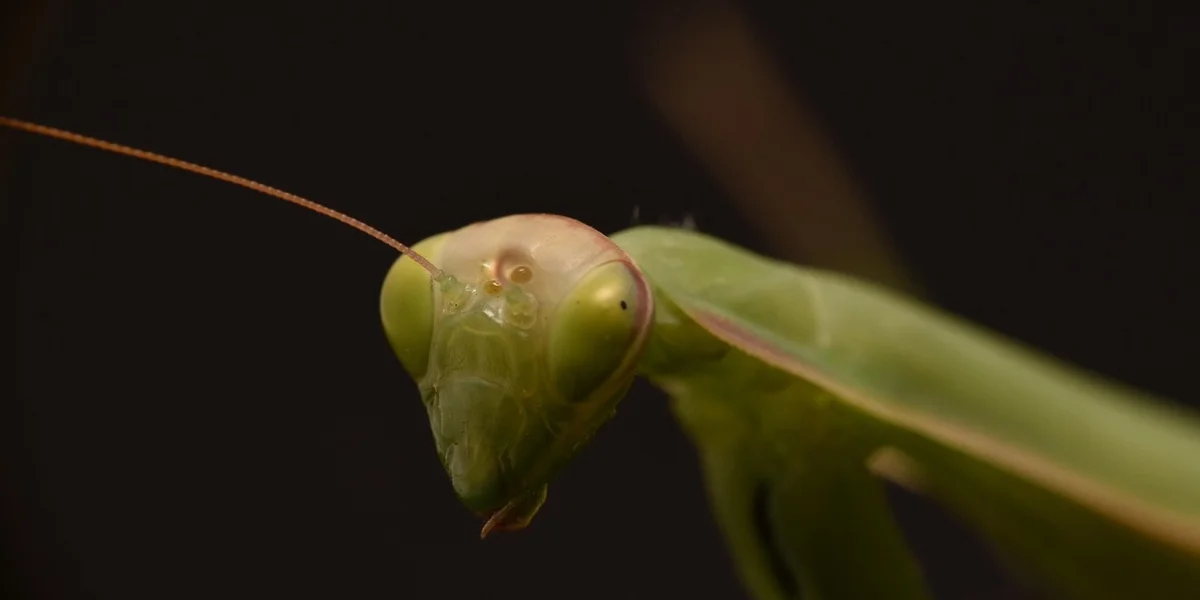
Size plays a huge role when a praying mantis faces a black widow spider. A larger mantis might snatch victory with its quick strikes, while a smaller one could fall prey to the spider’s venomous bite.
- Mantis predation: Healthy, adult mantises often overpower spiders by using their raptorial legs to grab and consume them.
- Spider bite: Black widows can deliver a neurotoxic bite that paralyzes or kills the mantis, especially if it’s smaller or weaker.
- Mutual avoidance: Many times, both creatures sense danger and retreat, avoiding a fight altogether in garden or terrarium settings.
We’ve noticed in our own gardens that mantises tend to steer clear of spider webs, reducing risky encounters. This instinct helps mantises like my Ghost Mantis, Luna, stay safe while hunting. In the garden, their predation can help manage pest populations, making them a natural ally for praying mantises for pest control. Like all predators, they may also eat some beneficial insects, so integrating them with other control methods helps maintain balance.
Factors Influencing the Fight
Health, age, and environment shape these confrontations dramatically. A young or ill mantis faces higher risks, whereas a robust one might escape unharmed.
- Opportunistic predation: Hungry mantises may hunt spiders, but spiders learn to hide or bite back after past scares.
- Learning outcomes: Encounters teach mantises to be more cautious, altering how they approach potential threats over time.
Real-World Observations
From keeper stories, results vary widely-no two encounters are the same. My Giant Asian Mantis, Moss, once dodged a spider entirely, showing how personality affects outcomes.
- Common findings: Mantises often win if they attack first, but spiders can inflict fatal bites if they get the chance.
- Emphasis on variability: Avoid making assumptions; prevention is better than prediction in pet care.
Risks for Pet Mantises: Venom and Injury Dangers
Black widow venom contains potent neurotoxins that attack a mantis’s nervous system. Even a tiny amount can cause rapid decline, leading to paralysis or death if untreated.
- Neurotoxin impact: It disrupts nerve function, resulting in symptoms like twitching, lethargy, or loss of appetite.
- Signs of venom exposure: Watch for refusal to eat, unusual stillness, or muscle spasms in your mantis.
- Mating risk: Though rare in captivity, distracted mantises during mating might be more vulnerable to spider attacks.
Defensive Postures and Bite Avoidance
Mantises use natural behaviors to ward off spiders, like flaring wings or making swift strikes. These displays can deter bites by making the mantis seem larger and more threatening. These displays are part of a broader defense toolkit. In defense mechanisms explained, we’ll explore how mantises defend themselves—using camouflage, speed, and powerful forelegs.
- Defensive tactics: Wing spreading and rapid movements help scare spiders away, reducing the chance of a bite.
- Housing safety: Never keep mantises and black widows together; enclosures should be separate to prevent accidental encounters and injuries.
Assessing Injury Severity
After any suspected encounter, monitor your mantis for physical and behavioral changes. Swelling, discoloration, or odd movements can signal serious issues that need attention. This is a key part of the ultimate mantis health troubleshooting checklist for when your mantis seems sick. Following the checklist helps you identify causes and seek timely care.
- Monitoring guide: Check for cuts, bruises, or changes in eating habits; isolate the mantis if you spot anything unusual.
- Healing vs. venom: Minor injuries may heal with rest, but venom exposure requires quick action, like consulting a vet or providing a calm, safe space.
Caring for an Injured Mantis: First-Aid Steps
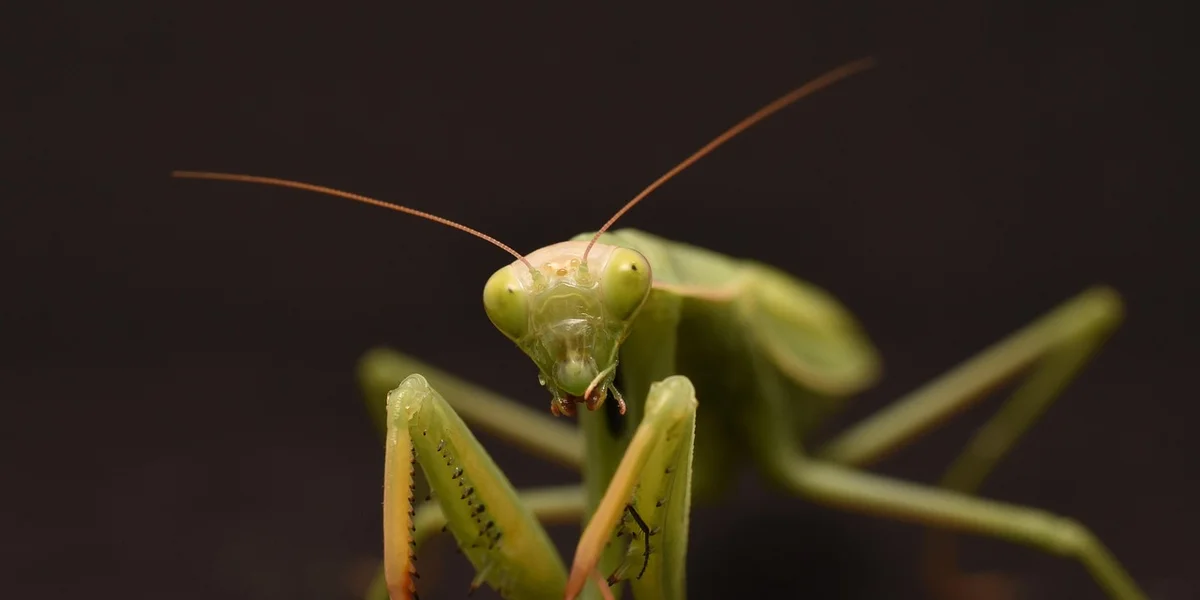
When your mantis has a rough encounter, swift and gentle care can help them bounce back. We always start by creating a peaceful space that mimics their natural humid habitat, which soothes their nerves and supports healing.
- Isolate the mantis in a quiet, humid enclosure to reduce stress. A small container with a damp paper towel and gentle misting works wonders.
- Check for visible wounds or venom symptoms, and gently clean with warm water. Use a soft cotton swab to dab away any debris without pressing too hard.
- Offer easy-to-eat prey like fruit flies to assess appetite and strength. This lets you see if they’re still eager to hunt or need more rest.
- Monitor closely for improvements or need for vet consultation, though options are limited. Note any changes in movement or colour over the next day or two.
Keeping a watchful eye helps you catch small recoveries, like when Luna, our Ghost Mantis, slowly unfurled her legs after a scare. Patience and consistent observation often reveal subtle signs of improvement.
When to Seek Help
Some situations call for extra support, even if vet care for mantises is rare. If your mantis shows prolonged immobility or unusual twitching, it’s wise to consult an exotic pet specialist.
- Advise on signs that warrant expert care, such as prolonged immobility or seizures. Look for legs that stay curled or a body that doesn’t respond to gentle touches.
- Suggest household items for temporary care, like a small jar for isolation. We’ve used a clean mason jar with punched air holes to create a safe, quiet spot in emergencies.
Prevention and Safety: Keeping Your Mantis Secure
Stopping problems before they start is the best way to protect your mantis. Simple habits, like checking enclosures daily, can prevent unwanted guests like spiders from sneaking in and help you maintain a clean habitat.
- List husbandry measures: secure lids, regular enclosure checks for spiders, and avoiding wild-caught prey. Opt for captive-bred insects to reduce disease risks.
- Emphasize separation by species and behavior to prevent interspecies interaction. Mantises should live alone to avoid stress or conflicts.
- Discuss deterrence through environmental controls, like reducing clutter where spiders hide. A tidy space with minimal hiding spots makes it harder for spiders to settle.
We’ve found that a clean, organised area not only keeps spiders away but also lets your mantis feel more at ease. Regular tidying mimics the open spaces they’d find in nature, reducing chances of surprise encounters.
Enclosure Setup Tips
Choosing the right home for your mantis adds a layer of safety. Fine mesh lids and smooth-sided containers help prevent escapes and keep curious spiders out. To create a naturalistic, safe habitat for your praying mantis, include realistic foliage and branches that mimic its native environment. Regularly monitor humidity and cleanliness to support health.
- Recommend materials and designs that minimize escape risks for both mantis and potential spiders. Glass or acrylic tanks with tight-fitting mesh tops are ideal.
- Include personal touches, like how Moss’s curiosity means extra vigilance. Moss, our Giant Asian Mantis, loves to explore, so we always secure his lid twice to be sure.
Legal and Ethical Considerations
Keeping your mantis safe also means thinking about the bigger picture. In many regions, laws restrict keeping venomous species like black widows, which helps prioritise your mantis’s well-being. Praying mantises aren’t venomous or poisonous to people or pets, which makes them relatively safe to observe with proper handling. Always wash your hands after handling and keep mantises away from curious children and other animals.
- Briefly note laws regarding black widow keeping, focusing on mantis safety priorities. Always check local regulations to avoid legal issues.
- Reinforce that pet mantis care should avoid unnecessary risks with venomous species. Sticking to mantis-friendly setups ensures a happier, healthier pet.
FAQs on Mantis
What should I do if my mantis shows signs of a spider bite?
Immediately isolate your mantis in a quiet, humid enclosure to minimize stress and support healing. Monitor for symptoms like twitching or loss of appetite and consult an exotic pet vet if conditions do not improve.
How can I tell if a black widow is present near my mantis habitat?
Check for irregular, sticky webs in dark, sheltered spots like corners or under debris. Regularly inspect the enclosure and surrounding area to spot any glossy black spiders with red hourglass markings.
Are there any benefits to having mantises and spiders in the same garden?
Both can help control pest insects, but it’s safer to keep them apart to prevent risky encounters. If you’re wondering whether mantises make good pets, here’s a quick look at the pros and cons. Understanding these can help you decide if they’re right for your home. In pet care, always prioritize your mantis’s well-being by maintaining separate, secure habitats.
Parting Wisdom for Mantis Keepers
We always advise keeping praying mantises well away from black widow spiders to avoid risky confrontations. Praying mantises are predators themselves, typically preying on small insects. In captivity, keeping them apart from other predators—such as black widows—helps ensure their safety. Secure enclosures and careful supervision are your best tools for protecting your gentle insect friend from harm.
Embrace the role of a thoughtful mantis guardian by staying curious and open to new care insights. Your dedication to learning will help your pet thrive and deepen the quiet joy of this unique hobby. For comprehensive tips and handling techniques, check out our guide on caring for a pet praying mantis.
Further Reading & Sources
- Praying Mantis vs Black Widow Spider: Who Would Win in a Fight? – A-Z Animals
- EPIC Praying Mantis vs. Venomous Black Widow …
- VIDEO: Praying mantis fights black widow in epic West Kelowna battle – Bella Coola News
- Do praying mantis eat black widows? – Quora
Rowan Hale is a lifelong insect enthusiast who fell in love with mantises for their calm presence, alien elegance, and surprising personalities. After years of keeping and raising a variety of species, Rowan shares practical tips, creative insights, and real-world experience to help others enjoy the quiet magic of mantis care. From setting up the perfect enclosure to understanding their subtle behaviors, Rowan invites readers into a gentle, curious world where every tiny movement feels like a discovery.
Predatory Threats