
Praying Mantis Lighting and Heating: A Keeper’s Simple Guide
Published on: April 29, 2026 | Last Updated: April 29, 2026
Written By: Rowan Hale
Hello there, mantis friend. We often find ourselves peering into our little green worlds, wondering if our delicate hunters are truly comfortable in their glass homes.
The ideal setup for a praying mantis relies on bright, ambient room light during the day and gentle, indirect warmth, avoiding any special reptile bulbs or intense heating pads that could harm them.
Getting the environment just right feels like a delicate dance. It’s not just about temperature; it’s about replicating the soft, dappled sunlight and natural warmth they’d find clinging to a leaf in the wild.
Here’s what we’ll gently unpack together:
- The crucial difference between the light they see and the warmth they feel.
- How to safely provide heat without turning their home into a desert.
- Simple ways to monitor their environment, using tools you might already have.
- Spotting the subtle signs that your mantis is perfectly content.
Understanding Temperature and Humidity Basics
Why Temperature Matters in Mantis Care
Temperature directly influences your mantis’s energy levels and growth pace, much like how warmth coaxes a seedling from the soil. Keeping temperatures stable helps prevent stressful molts and supports healthy digestion. In our experience, Moss, our Giant Asian Mantis, thrives when his habitat feels like a mild summer day-not too hot, not too cool.
If the air gets too chilly, you might notice your mantis moving sluggishly or refusing food. A drop in temperature can slow their metabolism, making it harder to process meals and shed old skin. We aim for a range that mimics their natural environment, ensuring they stay active and alert.
Warmth encourages natural behaviors, like hunting and exploring. Think of it as setting the stage for your mantis to live its best life, free from temperature-related stress. You can learn more about why it’s crucial to maintain proper temperature. A consistent warm spot lets them bask and recharge, much like sunbeams filtering through leaves.
Measuring and Monitoring with Tools
Using reliable tools takes the guesswork out of mantis care and keeps their home just right. Digital thermometers and hygrometers give precise readings, so you can spot changes before they become problems. Place them away from direct heat or mist to avoid false readings.
We check these devices daily, noting any shifts that might affect our mantises. Regular monitoring helps you adjust conditions quickly, whether it’s adding a heat mat or tweaking ventilation. For Luna, our Ghost Mantis, we keep a small log to track trends over time.
- Thermometers: Opt for stick-on or digital models placed mid-enclosure.
- Hygrometers: Choose ones with easy-to-read displays for humidity levels.
- Heat mats: Use with a thermostat to prevent overheating in small spaces.
Simple tools like these make care feel manageable, even for beginners. Investing in accurate gauges ensures your mantis enjoys a stable, comfortable environment year-round.
Balancing Humidity and Ventilation
Humidity and airflow work together like a gentle breeze in a misty garden-too much of one can disrupt the other. Proper humidity keeps your mantis’s skin supple for molting, while good ventilation stops mold from taking hold. We mist Sprig’s enclosure lightly each morning, watching droplets cling to leaves like morning dew.
If the air feels stagnant, add more ventilation holes or a small fan nearby. Balancing these elements reduces the risk of respiratory issues and keeps the enclosure fresh. Aim for a humidity level that matches your mantis species-some prefer it drier, others more damp. For a praying mantis, proper ventilation means steady, gentle airflow without strong drafts. This helps maintain air quality and supports respiratory health.
Misting schedules vary, but a light spray once or twice a day often suffices. Always use lukewarm water to avoid shocking your mantis, and let excess moisture evaporate naturally. This approach has kept our mantises healthy through many successful molts.
Choosing the Right Lighting for Your Mantis
Types of Bulbs and Their Effects
Selecting a bulb is like picking the perfect lamp for a cozy reading nook-it sets the mood and function. Incandescent bulbs provide gentle warmth but can dry out the air, so pair them with regular misting. We’ve used these for Moss, as he enjoys basking under their soft glow.
LED bulbs emit little heat, making them ideal for species that dislike high temperatures. They offer bright, energy-efficient light without altering the enclosure’s climate drastically. For Sprig, our Orchid Mantis, LEDs highlight her delicate colors without overheating her space.
- Incandescent: Good for added warmth; use with a dimmer for control.
- LED: Cool and long-lasting; perfect for consistent illumination.
- Fluorescent: Provides even light; best for larger setups with minimal heat output.
Each type has its perks, so consider your mantis’s needs and your setup. Testing different bulbs helps you find the one that makes your mantis feel most at home.
Setting the Perfect Light Cycle
A consistent light cycle mimics the natural rise and set of the sun, giving your mantis a sense of routine. We aim for 12 hours of light and 12 hours of darkness, using a simple timer to automate the process. This rhythm encourages normal activity and rest, much like the gentle transition from day to night in the wild. To create a day-night cycle for your praying mantis, use a timer to reliably alternate light and dark. A consistent 12/12 schedule supports normal activity, feeding, and rest.
Sudden changes in lighting can stress your mantis, so gradual adjustments work best. Think of it as easing them into each new day, rather than jolting them awake with bright lights. Our mantises, like Luna, often perch and observe as the light softens in the evening.
If your room gets natural light, position the enclosure to avoid direct sunlight, which can overheat it. Using indirect light sources keeps temperatures steady and prevents unnecessary stress. This careful balance has helped our mantises thrive through seasons of growth.
UV Light: Benefits and Precautions
UV light isn’t essential for most mantises, but it can support overall well-being in moderation. Low levels of UVB may aid in vitamin D synthesis, which helps with calcium absorption for strong exoskeletons. We’ve experimented with UV bulbs for Moss, noting his vibrant green hue under subtle exposure.
Overexposure poses risks, like skin damage or dehydration, so use UV sources sparingly. Limit sessions to a few hours a day and ensure your mantis can retreat to shaded areas. Always monitor their behavior for signs of discomfort, such as hiding or unusual agitation.
If you choose to include UV, select bulbs designed for reptiles or insects to avoid harsh rays. Combining UV with proper diet and hydration creates a holistic care approach that mirrors their natural habitat. This thoughtful use of light has enriched our mantis-keeping journey without unnecessary hazards.
Heating Your Mantis Enclosure Effectively

Selecting a Heat Source
We often start with a simple heat mat placed on one side of the enclosure for gentle, consistent warmth. Heat mats spread warmth evenly without bright lights, which keeps your mantis calm and reduces stress. Ceramic heat emitters are another great choice because they provide steady heat without light, perfect for maintaining a natural day-night cycle. Avoid using standard household bulbs that emit too much light, as they can disrupt your mantis’s rest and cause overheating. It’s essential to learn how to safely heat a praying mantis enclosure without overheating.
Here are some common heat sources to consider:
- Heat mats: Ideal for low-level background heating; place them under or on the side of the enclosure.
- Ceramic heat emitters: Emit infrared heat without light, excellent for 24/7 use with a thermostat.
- Incandescent bulbs in low wattage: Use only with a dimmer to create a soft basking area, but monitor closely for dryness.
Our Ghost Mantis, Luna, thrives with a small heat mat that mimics the subtle warmth of her native rainforest understory. Always pair your heat source with a reliable thermostat to prevent sudden temperature spikes that could harm your pet.
Creating a Safe Basking Spot
Set up a basking area by positioning the heat source at one end of the enclosure to create a temperature gradient. A well-placed basking spot encourages natural behaviors like stretching and hunting, making your mantis feel more at home. Aim for a basking temperature between 80-90°F (27-32°C), while the cooler side stays around 70-75°F (21-24°C). Use a digital thermometer to check temperatures daily, and place a small branch or leaf near the heat for your mantis to perch on comfortably.
Follow these steps to build a safe basking zone:
- Attach the heat source to the outside of the enclosure or use a guard to prevent direct contact.
- Position a thermometer at the basking site and another in the cool area to monitor the gradient.
- Add climbing structures like twigs or artificial plants that allow your mantis to move closer or farther from the heat as needed.
We’ve noticed our Giant Asian Mantis, Moss, loves to bask after meals, his emerald body soaking up the warmth to aid digestion. Keeping the basking area secure prevents burns and gives your mantis the confidence to thermoregulate naturally.
Managing Nighttime Temperature Drops
Mantises benefit from a slight drop in temperature at night, similar to their wild habitats. Allowing the enclosure to cool to 65-70°F (18-21°C) at night supports healthy molting and energy conservation. Simply turn off heat sources in the evening if your room stays within this range, or use a timer for automated control. Avoid sudden chills by ensuring the enclosure isn’t near drafts or cold windows.
Here are ways to handle nighttime cooling safely:
- Use a thermostat with a night drop feature to gradually lower temperatures.
- If your room gets too cold, a low-wattage heat mat on a timer can provide minimal warmth without disrupting sleep cycles.
- Monitor humidity levels, as cooler air can hold less moisture; a light misting before nightfall helps maintain comfort.
Our Orchid Mantis, Sprig, rests more peacefully when the temperature dips, her pink-and-white colors blending into the dim light. Regularly checking nighttime conditions ensures your mantis wakes refreshed and ready for the day ahead.
Species-Specific Lighting and Heating Needs
Common Pet Mantis Varieties
Different mantis species come from varied climates, so their lighting and heating needs can vary widely. Understanding your mantis’s origin helps you replicate their natural environment, promoting longevity and well-being. For instance, tropical species like the Orchid Mantis need warmer, humid conditions, while temperate varieties tolerate cooler setups.
Let’s look at some popular pet mantises and their requirements:
- Ghost Mantis (Phyllocrania paradoxa): Prefers temperatures of 75-85°F (24-29°C) with moderate humidity; they enjoy dappled light and do well with indirect heat sources.
- Giant Asian Mantis (Hierodula membranacea): Thrives in warmer setups of 80-90°F (27-32°C) and higher humidity; provide a strong basking spot for their active lifestyle.
- Orchid Mantis (Hymenopus coronatus): Requires consistent warmth around 80-85°F (27-29°C) and high humidity; avoid direct heat to prevent drying out their delicate bodies.
We adjust Luna’s enclosure with a gentle heat mat to mirror the shaded forests she’d inhabit, keeping her content and observant. Tailoring heat and light to your mantis’s species reduces stress and encourages natural, healthy behaviors.
Adjusting for Unique Behaviors
Mantis behaviors like molting, hunting, or hiding can signal when to tweak lighting and heating. Watching how your mantis interacts with their environment offers the best clues for fine-tuning their care. During molting, maintain stable temperatures and avoid disturbances, as fluctuations can lead to mismolts. After feeding, a bit of extra warmth aids digestion, much like how Moss eagerly basks post-meal.
Consider these adjustments based on common behaviors:
- Molting: Keep temperatures steady and slightly higher than usual; reduce handling and ensure humidity is optimal to ease the process.
- Hunting: Bright, indirect light can stimulate activity, but avoid harsh glare that might startle your mantis.
- Camouflage: Species like the Ghost Mantis may prefer dimmer conditions; use low-level heating to match their secretive nature.
Sprig’s shyness means we keep her lighting soft and warm, encouraging her to venture out during the day. Regular observation lets you adapt quickly, ensuring your mantis stays comfortable and thriving in their home.
Step-by-Step Setup for Lighting and Heating
Planning Your Enclosure Layout
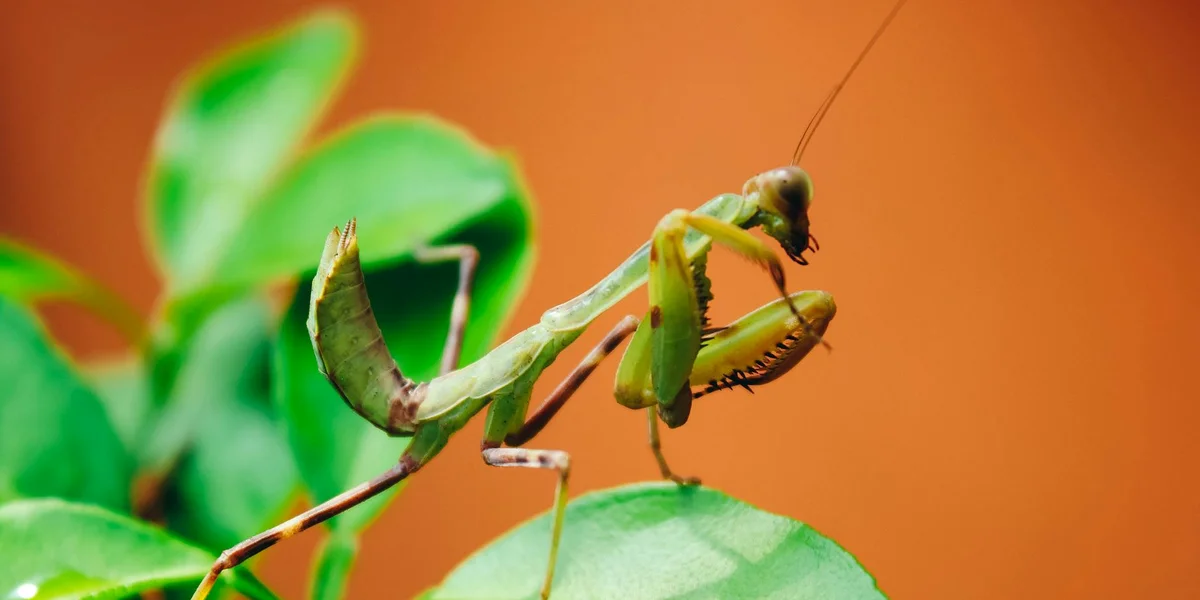
Start by choosing a spot for your mantis enclosure that gets indirect natural light, like near a north-facing window where the sun won’t beat down directly. This placement helps mimic the dappled sunlight of a forest understory, giving your mantis the gentle illumination it craves without overheating risks. With Luna, my Ghost Mantis, I always set up her terrarium on a sturdy shelf away from drafts, ensuring her heat lamp hangs securely above one end to create a warm basking zone.
Use a simple thermometer and hygrometer to monitor conditions, placing them at mantis-level inside the enclosure for accurate readings. Keeping tools at eye level lets you track microclimates easily, so your mantis can move between warmer and cooler areas as needed. Arrange climbing branches or fake plants so they don’t touch heat sources, preventing accidental burns while encouraging natural perching behavior.
- Position the heat lamp or ceramic emitter above one side of the enclosure to establish a temperature gradient.
- Leave the opposite end cooler for your mantis to retreat to if it gets too warm.
- Secure all wiring outside the habitat using clips or ties to avoid curious mantis feet.
- Add a shallow water dish on the cooler side to boost humidity without interfering with heat distribution.
Test your setup for a full day before introducing your mantis, adjusting lamp height or wattage until temperatures stay steady. A trial run ensures everything runs smoothly, much like checking a terrarium’s misting system before your mantis moves in. For Moss, my Giant Asian Mantis, I found that a low-wattage bulb placed 6 inches above the mesh top gave him the perfect warmth without drying out the air.
Daily and Seasonal Adjustments
Each morning, turn on the heat source and any supplemental lighting to simulate a natural dawn, gradually warming the enclosure over 30 minutes. This slow ramp-up prevents stress, allowing your mantis to wake up gently as if the sun were rising in its native habitat. I’ve noticed Sprig, my Orchid Mantis, becomes more active when I use a timer for her lamp, syncing it with the local sunrise and sunset times.
During summer months, reduce heating duration or switch to a lower-wattage bulb to avoid overheating, especially if room temperatures climb. Seasonal tweaks keep your mantis comfortable, mirroring the subtle shifts in temperature they’d experience in the wild. In winter, extend light periods slightly or add a small heat mat on the enclosure’s outside wall to maintain warmth without direct contact.
- Check temperatures twice daily-once in the morning and once at night-to spot fluctuations early.
- Adjust lamp height or use a dimmer switch for finer control over heat intensity.
- Increase misting frequency in dry seasons to balance humidity, but avoid wetting the heat source directly.
- Rotate enclosure placement seasonally to account for changes in natural light from windows.
Watch for behavioral cues, like your mantis staying hunched under the lamp or avoiding it entirely, which signal needed adjustments. Observing these subtle signs helps you fine-tune the environment, much like noticing how a mantis’s posture changes with humidity levels. For instance, if Luna starts spending all her time in the cool zone, I know it’s time to lower the heat slightly.
Budget-Friendly and Safe Solutions
DIY Heating and Lighting Ideas
Repurpose a small desk lamp with an incandescent bulb as a cheap heat source, but always pair it with a thermostat to prevent overheating. This DIY approach saves money while providing reliable warmth, similar to how a simple jar can serve as a temporary home for a juvenile mantis. I’ve used an old reading lamp for Moss’s enclosure, placing it a safe distance away and monitoring with a digital thermometer I bought online for a few pounds.
For lighting, consider free options like placing the enclosure in a room with ample indirect sunlight during the day. Natural light is not only cost-effective but also enriches your mantis’s environment with full-spectrum benefits. If extra light is needed, LED strips from hobby stores offer low-heat illumination and can be stuck to the outside of the glass.
- Use a plastic bottle filled with warm water as a temporary heat pack-wrap it in a towel and place it outside the enclosure for short-term warmth.
- Create a humidity boost by misting with lukewarm water from a spray bottle, which costs pennies compared to automated systems.
- Reflect heat and light by lining the back of the enclosure with aluminum foil, directing warmth inward without extra equipment.
- Repurpose a timer from an old appliance to automate lighting cycles, ensuring consistency without constant manual checks.
Combine these ideas with regular monitoring to keep costs low while maintaining a stable environment. Mixing household items with careful observation lets you achieve professional-level care on a tight budget. With Sprig, I found that a combo of natural light and a DIY foil reflector kept her pink hues vibrant without expensive gear.
Avoiding Common Hazards
Never place heat sources inside the enclosure where your mantis could touch them, as direct contact can cause severe burns or dehydration. Keeping lamps and mats external prevents accidents, much like how we position terrariums away from busy pathways to avoid knocks. I learned this early with Luna when she curiously approached a poorly placed bulb; now, all my heating elements are securely mounted outside. In a quick enclosure heating safety and efficiency guide, you’ll often see a comparison of heat mats vs heat lamps and why external mounting matters. This approach helps maintain safe, steady temps while reducing burn risk.
Avoid using heat rocks or unregulated heating pads, which can create hot spots and lead to overheating. Sticking to controlled, overhead heating methods ensures even warmth distribution, protecting your mantis from sudden temperature spikes. These are common lighting, heating, and humidity mistakes to avoid for praying mantis keepers. Maintain stable humidity and avoid rapid fluctuations to reduce stress during molts. Always use a guard or mesh cover over bulbs to prevent falls or contact, and check cords regularly for fraying that could pose electrical risks.
- Test all equipment before full-time use to identify faults early, such as bulbs that flicker or thermostats that stick.
- Keep enclosures away from windowsills where direct sun can cause rapid temperature swings.
- Use surge protectors for all electrical devices to safeguard against power surges that might harm your setup.
- Monitor humidity levels to prevent condensation near electrical components, reducing shock hazards.
Educate yourself on mantis behavior-if your pet seems lethargic or is panting, it might be too hot, so act quickly to cool the area. Recognizing these warning signs early can prevent health issues, similar to how we notice a mantis molting by its still, quiet posture. For Moss, I keep a backup plan like moving his enclosure to a cooler room if summer heat waves strike unexpectedly.
Common Mantis Queries
What are the risks of using UV light for my mantis?
Overexposure to UV light can cause skin damage or dehydration in mantises. Always provide shaded areas and limit sessions to a few hours daily to ensure safety.
How can I create a temperature gradient in a small enclosure?
Place a heat source on one side to establish a warm zone, while the opposite side remains cooler for your mantis to retreat to. Use digital thermometers to monitor both ends and adjust as needed for stability. Ensuring the right temperature and humidity is crucial for mantis nymphs.
Are there any low-cost alternatives for heating and lighting?
Repurpose a desk lamp with an incandescent bulb for warmth, but pair it with a thermostat to prevent overheating. For lighting, rely on indirect natural sunlight or affordable LED strips to provide adequate illumination without high costs.
Your Mantis’s Comfort Zone: A Quick Recap
We recommend using gentle, indirect lighting to simulate natural conditions and avoiding direct sun to prevent stress. Maintain a stable, warm temperature between 20-30°C with safe heat sources like low-wattage lamps or mats for optimal health.
As a mantis keeper, your attentive care and regular habitat checks make all the difference in their wellbeing. Embrace the journey of learning—observe your pet’s habits and seek out new insights to nurture a thriving, content mantis.
Further Reading & Sources
- How to Heat Praying Mantis Cages | Keeping Exotic Pets
- A Complete Guide To Praying Mantis Heat Lamps – School Of Bugs
- Preying Mantis Setups | Starter Kits For Your Mantid
- Buy Praying Mantis Setup Online
Rowan Hale is a lifelong insect enthusiast who fell in love with mantises for their calm presence, alien elegance, and surprising personalities. After years of keeping and raising a variety of species, Rowan shares practical tips, creative insights, and real-world experience to help others enjoy the quiet magic of mantis care. From setting up the perfect enclosure to understanding their subtle behaviors, Rowan invites readers into a gentle, curious world where every tiny movement feels like a discovery.
Temperature and Humidity