
Praying Mantis Feeding Schedule by Species
Hello, mantis friend. Have you ever watched your mantis remain perfectly still for hours, then strike with impossible speed? That remarkable patience and precision extends directly to their dietary needs.
A praying mantis feeding schedule varies dramatically by species, size, life stage, and even individual personality. What keeps a Ghost Mantis thriving would overwhelm a delicate Orchid Mantid.
We will walk you through the specific feeding frequencies, portion sizes, and preferred prey for over a dozen common pet mantis species. You will learn how to read your mantis’s hunger cues and adjust its diet for a long, healthy life.
- Why a one-size-fits-all feeding routine can harm your mantis.
- How to spot the subtle signs of both hunger and overfeeding.
- A clear, species-by-species breakdown of schedules from nymph to adult.
- Simple adjustments for breeding, molting, and seasonal changes.
Understanding the Basics of Mantis Feeding
Feeding schedules shift with each mantis species and life stage because their metabolisms and energy demands differ widely. Smaller species like Ghost Mantises process food faster than larger ones, needing more frequent meals to sustain their delicate frames.
All mantises share core dietary needs as strict carnivores, relying on live prey for high protein to support growth and daily activity. Their digestive rate hinges on warmth—warmer enclosures speed up metabolism, meaning they might need food more often than in cooler settings.
| Mantis Type | Juvenile Feeding Frequency | Adult Feeding Frequency |
|---|---|---|
| Ghost Mantis | Every 1-2 days | Every 3-4 days |
| Giant Asian Mantis | Daily | Every 4-5 days |
| Orchid Mantis | Every 2 days | Every 5-7 days |
I learned to read hunger cues from Moss, my Giant Asian Mantis, who’d tap his forelegs lightly on the enclosure mesh when he was peckish. Observing those quiet signals helped me tailor his meals perfectly, avoiding guesswork and keeping him content.
How Life Stage Shapes Feeding Frequency and Amount
Juvenile mantises grow rapidly, so they require frequent, small meals to fuel their development. Offer tiny prey like fruit flies or pinhead crickets daily to match their high energy needs and support steady growth.
- Select prey no larger than the mantis’s head to prevent choking or stress.
- Feed juveniles every day or every other day, adjusting if they leave leftovers.
- Monitor their abdomen; a slightly plump look means they’re well-fed.
Adult mantises eat less often but take larger prey, such as houseflies or small crickets, to maintain their size. We space meals every 4-7 days for most species, allowing time to digest fully and reducing the risk of obesity. This is part of a complete feeding schedule for praying mantises; exact timing can vary by species and life stage.
Molting cycles pause appetite entirely, as mantises fast before and during shedding to avoid injury. Stop feeding 1-2 days before you notice molting signs, like lethargy or hanging upside down, and resume only after their new exoskeleton hardens.
- Signs of overfeeding: Bloated abdomen, refusal to eat, sluggish movement.
- Signs of underfeeding: Thin body, increased aggression, constant hunting behavior.
Species-Specific Feeding Guides: A Comparative Overview
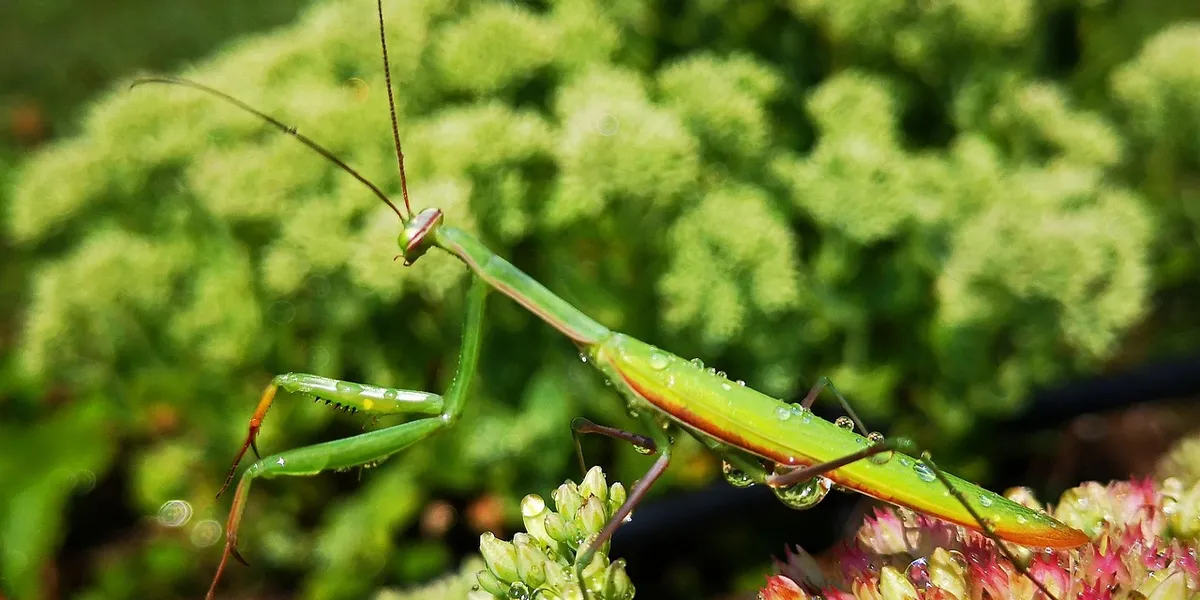
Each mantis species has its own feeding rhythm, shaped by size, metabolism, and natural instincts. We find that tailoring meals to their unique needs prevents overfeeding and supports vibrant health. This naturally ties in with a complete diet feeding guide, which explains what mantises eat, how to balance nutrients, and how often to feed different species.
| Species | Prey Size | Feeding Frequency | Hunting Behavior |
|---|---|---|---|
| Ghost Mantis (e.g., Luna) | Small prey like fruit flies or pinhead crickets | Every 3-4 days for juveniles; every 5-7 days for adults | Patient ambusher; waits motionless for prey to approach |
| Orchid Mantis (e.g., Sprig) | Medium prey such as houseflies or small crickets | Every 2-3 days for juveniles; every 4-5 days for adults | Bold and active; often lunges from flower-like perches |
| Giant Asian Mantis (e.g., Moss) | Large prey like adult crickets or moths | Every 2-3 days for juveniles; every 4-6 days for adults | Energetic hunter; explores and pursues prey actively |
Seasonal shifts affect feeding in the wild, with mantises eating more during warm months and less in cooler periods. In captivity, we mimic natural cycles by slightly reducing meal frequency in winter to match their slowed metabolism.
Personal observations highlight these differences vividly. Luna, our Ghost Mantis, makes gentle, calculated strikes that barely disturb the air, whilst Sprig the Orchid Mantis pounces with surprising boldness during feeding time.
Selecting Prey: Size, Type, and Variety for Optimal Health
Choosing the right prey ensures your mantis thrives without stress or malnutrition. We always match insect size to the mantis’s current life stage for safe, efficient eating. Praying mantises are carnivores by nature, and cannibalism can occur if conditions are stressful. Understanding this helps us feed them safely and minimize risk.
- Small mantises (L1-L3 nymphs): fruit flies or springtails
- Medium mantises (L4-subadult): pinhead crickets or small flies
- Large mantises (adults): house crickets, blue bottle flies, or moths
Fresh, live prey is preferred because it triggers natural hunting instincts and provides maximum nutrition. To ensure steady availability, we keep a small culture of fruit flies or crickets on hand, replacing them weekly for freshness.
Diet variety beats monotonous feeding by preventing nutrient gaps and keeping your mantis engaged. Rotating between flies, crickets, and occasional treats like waxworms supports robust health and mimics wild foraging.
Gauging prey size is simple with a head-width comparison. Hold the insect next to your mantis’s head; if the prey is smaller or equal in width, it’s a safe choice that avoids choking hazards. Proper-sized prey is crucial, especially when feeding gut-loaded insects to your mantis.
Setting Up a Flexible Feeding Routine
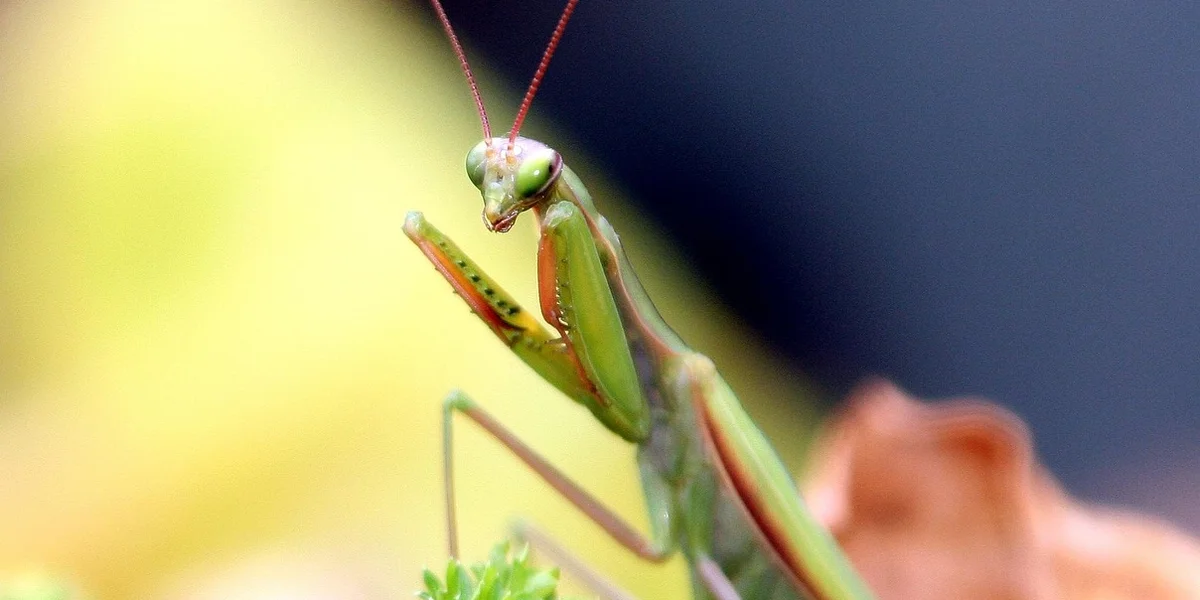
Creating a feeding schedule that blends consistency with adaptability helps your mantis thrive without stress. We find that species like the Ghost Mantis prefer a steady rhythm, while others such as the Giant Asian Mantis handle variation well.
Watch for subtle cues like increased activity or gentle antennae movements to gauge hunger. My Ghost Mantis, Luna, often perches near her enclosure door when she’s ready for a meal, her delicate frills twitching with anticipation.
Steps to Monitor Digestive Rate and Adjust Schedules
- Observe your mantis after feeding-a rounded abdomen means digestion is underway.
- Check for waste droppings; regular output signals a healthy pace.
- Reduce feeding if the abdomen stays swollen for over a day to prevent overfeeding.
- Increase frequency during growth spurts, like when juveniles molt more often.
Most mantises can safely fast for 3-5 days, especially before molting when they naturally stop eating. Fasting allows their bodies to focus energy on shedding old skin, much like a quiet reset in nature’s cycle.
Tips for Manageable Feeding
- Use a small feeding jar to contain prey and prevent escapes in the main habitat.
- Offer food at the same time daily for species that thrive on routine, such as Orchid Mantises.
- Keep a simple log to track feeding responses and adjust based on behavior.
Sprig, my juvenile Orchid Mantis, eats best from a shallow dish where her pink-and-white petals blend with the surroundings. This method minimizes disturbance and makes mealtime a calm, focused event.
Solving Common Feeding Challenges
Feeding issues can arise, but with patience, you can guide your mantis back to health. Common problems include refusal to eat, weight gain from overfeeding, and natural fasting during molts.
- Feeding Refusal: Check for molting signs or stress; try offering smaller, live prey like fruit flies to spark interest.
- Obesity: Limit high-fat insects and space out meals; a slightly leaner mantis moves and hunts more easily.
- Molt-Related Fasting: This is normal-ensure humidity is high and avoid handling until the molt completes.
Misting the enclosure lightly each morning provides essential water droplets for drinking. Gentle misting mimics dew in their natural habitat, keeping them hydrated and supporting digestion alongside meals.
When Moss, my Giant Asian Mantis, turned picky, I offered gut-loaded crickets dusted with calcium. His curiosity soon overrode hesitation, reminding me that variety and persistence often win over finicky eaters.
| Species | Common Issue | Solution |
|---|---|---|
| Ghost Mantis | Refuses food before molting | Wait 1-2 days post-molt; offer small prey |
| Giant Asian Mantis | Overeats and becomes sluggish | Space feedings to every 3-4 days |
| Orchid Mantis | Ignores stationary prey | Use live, moving insects to trigger hunting |
Remember, each mantis has unique preferences shaped by their species and personality. Observing closely and adapting your approach will build a trusting bond over time. For beginners, choose a beginner-friendly species with easier care to start off right. Look for docile species such as the Carolina mantis or Chinese mantis to help you learn comfortably.
Common Mantis Queries
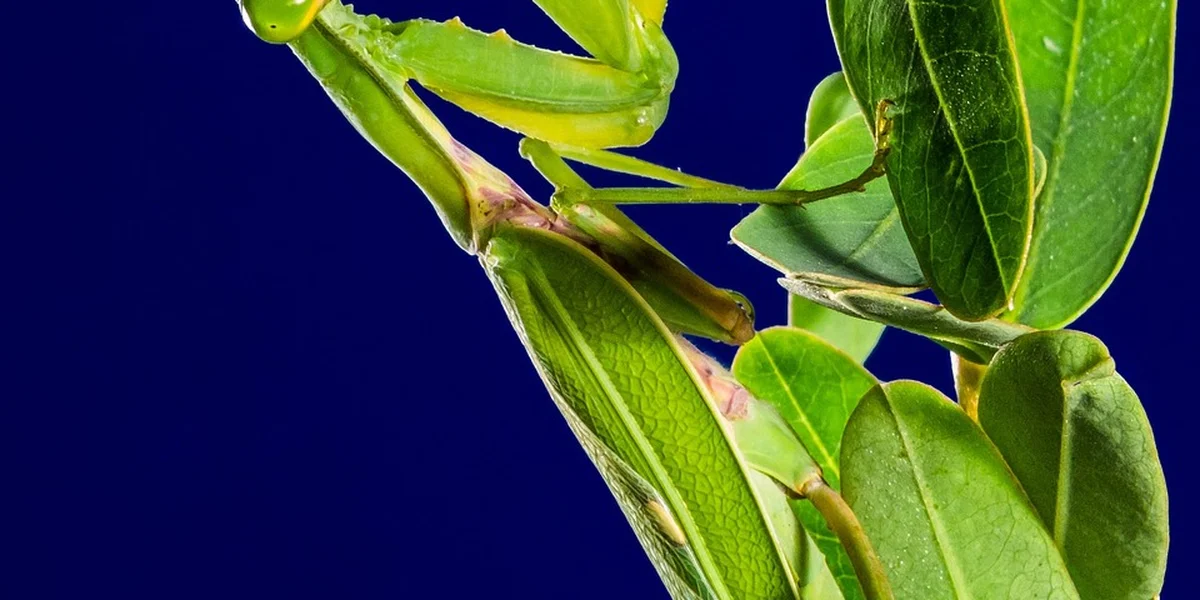
Do mantises require live prey, or can they eat pre-killed prey?
Mantises strongly prefer live prey as it triggers their natural hunting behaviors. While some may accept pre-killed insects, live food ensures they get proper exercise and nutrition. If you’re curious about exactly which insects mantises eat, here’s a comprehensive list.
How much should I feed a mantis per feeding?
Provide one to two prey items that are appropriately sized for your mantis’s life stage. Monitor their abdomen after feeding; a slightly rounded shape indicates they have eaten enough, but it’s also important to check if your mantis is hungry or full.
Should I vary the diet on feeding days?
Yes, varying the diet helps cover all nutritional needs and prevents boredom. Include different insects like fruit flies, crickets, and moths to support overall health.
Caring for Your Mantis Through Thoughtful Feeding
Your mantis’s feeding schedule is a direct reflection of its species, its life stage, and its unique behavior. Behavior changes across life stages as they progress through life stages. Nymphs take smaller prey and are more exploratory, while adults hunt larger prey and display different hunting tactics. By observing your mantis closely and adjusting meal frequency accordingly, you provide the foundation for a long, healthy life.
Responsible mantis care means committing to a journey of continuous learning about your pet’s specific needs. We encourage you to connect with other keepers and deepen your knowledge, as this attentive care is what allows these fascinating creatures to truly thrive. In our complete care and handling guide for pet praying mantises, you’ll find practical tips on safe handling and reading behavioral cues. This resource helps you translate curiosity into confident, humane husbandry.
Further Reading & Sources
- r/mantids on Reddit: how often and how much do you feed your mantids ?
- Terrarium Instructions and Mantis Care
- Feeding Guide for Praying Mantids – Mantis Mayhem
- Praying Mantis Diets: Uncover Their Predatory Menu!
Rowan Hale is a lifelong insect enthusiast who fell in love with mantises for their calm presence, alien elegance, and surprising personalities. After years of keeping and raising a variety of species, Rowan shares practical tips, creative insights, and real-world experience to help others enjoy the quiet magic of mantis care. From setting up the perfect enclosure to understanding their subtle behaviors, Rowan invites readers into a gentle, curious world where every tiny movement feels like a discovery.
Feeding