
Caring for Your Praying Mantis After Molting
Published on: March 13, 2026 | Last Updated: March 13, 2026
Written By: Rowan Hale
Hello, fellow mantis friend. There’s a special kind of stillness that fills the room when you find your praying mantis hanging upside down, its old skin lying like a discarded ghost in the enclosure. This quiet moment is the start of one of the most delicate periods in your pet’s life.
The key to caring for a praying mantis after molting is providing a gentle, stress-free environment with perfect humidity, no handling, and no food until its new exoskeleton has fully hardened.
While the process sounds simple, a newly molted mantis is incredibly vulnerable. Its body is soft, its movements are clumsy, and even a small misstep can lead to permanent injury. We’ll guide you through the essential steps to ensure your insect thrives.
Your immediate priorities are:
- Resisting the urge to handle your mantis for at least 48 hours.
- Maintaining higher humidity levels to aid the hardening process.
- Waiting to offer food until its new exoskeleton is completely firm.
- Observing carefully for any signs of a problematic molt.
Assessing Your Mantis Right After the Molt
Checking for a Successful Shed
Right after your mantis molts, gently observe its condition to ensure everything went smoothly. Look for a fully shed exoskeleton left behind, with no pieces clinging to the body. A clean, complete shed means your mantis can now focus on hardening its new skin and regaining strength. We often check for alertness and steady movements, as a successful molt leaves the mantis calm but responsive, like Luna, our Ghost Mantis, who tilts her head curiously after each shed.
Inspect the limbs and wings for full extension without any deformities. The new exoskeleton should appear soft and pale at first, gradually darkening over hours. Proper hydration post-molt helps the skin firm up evenly, so watch for your mantis drinking from droplets or grooming itself. Watch for signs of dehydration, such as a wrinkled abdomen or lethargy. If observed, increase humidity and offer small droplets of water to help fix it. Avoid handling during this time, as even gentle touches can cause stress or damage.
- Complete exoskeleton shed with no remnants
- Alert behavior and coordinated movements
- Soft, pliable new skin that hardens within hours
Spotting Signs of Trouble
Sometimes, molting doesn’t go as planned, and early detection can prevent serious issues. Watch for stuck skin on legs or antennae, which can restrict movement and lead to infection. If you notice any stuck pieces, a light misting with warm water can help soften them for careful removal. Lethargy or inability to cling to surfaces might indicate exhaustion or injury, requiring a quiet, supportive setup.
Discoloration, such as dark spots or unusual paleness, could signal dehydration or stress. We once saw Moss, our Giant Asian Mantis, struggle with a partial shed, and quick action with increased humidity made all the difference. Keep an eye out for labored breathing or twitching, as these may point to environmental imbalances needing adjustment.
- Stuck skin fragments on body parts
- Lethargy or poor grip strength
- Abnormal coloring or swelling
Setting Up the Perfect Post-Molt Environment
Adjusting Humidity and Misting
After molting, your mantis needs higher humidity to support skin hardening and prevent dehydration. Aim for a gentle misting routine, using lukewarm water to create a fine spray that mimics a soft, rainforest drizzle. Maintaining humidity around 60-70% helps the new exoskeleton set properly without becoming too damp. We mist lightly once or twice daily, ensuring droplets form on leaves for drinking, but avoid soaking the enclosure to prevent mold.
The earthy scent of moist substrate and the quiet sound of water settling can soothe your mantis during recovery. Over-misting can lead to respiratory issues, so always check for condensation on the walls and adjust frequency based on your mantis’s behavior. For smaller species like Sprig, our Orchid Mantis, we use a smaller spray bottle to control the moisture level precisely.
Managing Temperature and Ventilation
Temperature stability is vital post-molt, as fluctuations can slow down the hardening process or cause stress. Keep the enclosure between 75-85°F (24-29°C), using a low-wattage heat mat if needed, but avoid direct heat sources. A steady, warm environment encourages your mantis to rest and recover, much like a sunny spot in a sheltered garden. Be mindful: temperatures outside this range can be risky—too cold slows metabolism and molting, too hot can cause dehydration and stress. Good ventilation prevents stagnant air, which reduces the risk of fungal growth and keeps the habitat fresh.
We often crack the lid slightly or use mesh panels to allow air flow while retaining warmth. Monitor for signs of overheating, such as excessive panting, and adjust ventilation to maintain a balanced microclimate. This approach mimics the natural breezes mantises experience in the wild, promoting a quicker return to normal activity.
Providing Safe Hiding Spots and Substrate
Post-molt mantises feel vulnerable, so offering secure hiding places reduces stress and supports recovery. Use soft, non-abrasive substrates like coconut fiber or sphagnum moss, which hold moisture without being too dense. Safe hiding spots, such as small plant clippings or bark pieces, give your mantis a quiet retreat to rest undisturbed. We’ve found that adding vertical branches or silk leaves helps them regain confidence by providing perches to climb and observe.
The texture of the substrate should feel gentle under their tender new feet, and the arrangement should allow easy movement without obstacles. A well-structured enclosure not only aids physical recovery but also nurtures their natural instincts to hide and hunt when ready. For instance, Sprig often tucks herself among fake orchid petals, blending in seamlessly until she feels strong enough to explore again.
Feeding and Hydration After Molting
When to Offer the First Meal
After your mantis molts, its new exoskeleton is soft and needs time to harden before it can handle food. We recommend waiting at least 24 to 48 hours before offering that first meal. This waiting period allows the mantis to regain strength and reduces the risk of injury from struggling prey. From my experience with Luna, my Ghost Mantis, I’ve seen how she perks up after a day or so, her movements becoming more confident as her body firms up.
Watch for signs like increased activity or gentle antennae twitches-these little cues often mean your mantis is ready to eat. Patience here pays off, as rushing can lead to stress or even a failed molt in the future.
Choosing the Right Prey Size and Type
Selecting appropriate prey is key to a smooth recovery. Offer insects that are smaller than your mantis’s head to prevent any harm. Soft-bodied options like fruit flies or pinhead crickets work well for younger mantises, while adults might enjoy small moths or houseflies. I’ve found that Moss, my Giant Asian Mantis, responds best to lively but manageable prey that doesn’t overwhelm him, especially when they are sourced from a praying mantis-friendly garden.
Consider these safe choices in a simple list:
- Fruit flies for juveniles-they’re easy to catch and gentle on soft mouthparts.
- Small crickets or aphids for subadults, providing a bit more substance.
- Wingless flies or moths for adults, adding variety to their diet.
Avoid hard-shelled insects like beetles initially, as they can be tough on a tender exoskeleton. Matching prey size to your mantis’s current state ensures they eat without strain. Praying mantises eat a wide range of insects, from tiny fruit flies to larger crickets. A comprehensive list of potential prey can help you choose safe, appropriate meals.
Ensuring Proper Hydration
Hydration is just as vital as food after molting. Mist the enclosure lightly with warm water once or twice daily to mimic dew. This gentle misting helps your mantis drink droplets from leaves and maintains the humid environment they crave. I always use a fine spray bottle for Sprig, my Orchid Mantis, and she often sips quietly from the glistening surfaces.
Look for subtle signs of thirst, such as your mantis lingering near moist areas or cleaning its mouthparts. Low humidity can hide dehydration, a hidden danger that quietly affects their health and development. Keeping humidity steady supports their recovery and prevents dehydration, which can slow hardening. Misting regularly and monitoring humidity helps guard against these hidden risks.
Handling and Reducing Stress Post-Molt
Why Gentle Handling Matters
Handling your mantis too soon after molting can cause serious harm because their new skin is fragile. Even a light touch might lead to deformities or stress that affects future molts. I learned this early on with Luna; waiting until she was fully hardened made all the difference in her calm demeanor.
Resist the urge to pick them up for at least a week. This cautious approach lets your mantis adjust safely and builds trust over time.
Creating a Calm Observation Routine
Instead of handling, develop a quiet observation habit to monitor your mantis without disturbance. Spend a few minutes each day watching from a distance, noting their posture and movements. With Moss, I’ve found that sitting near his enclosure with soft lighting helps him stay relaxed.
Follow these steps for a stress-free routine:
- Choose a consistent time, like early morning or evening, when your mantis is most active.
- Keep noise low and avoid sudden movements-think of it as sharing a peaceful moment.
- Use this time to check for any issues, such as uneven hardening or lack of appetite.
Regular, gentle observation strengthens your bond and ensures you catch any problems early.
Troubleshooting Stuck or Problematic Molts
Identifying and Addressing Stuck Exoskeleton
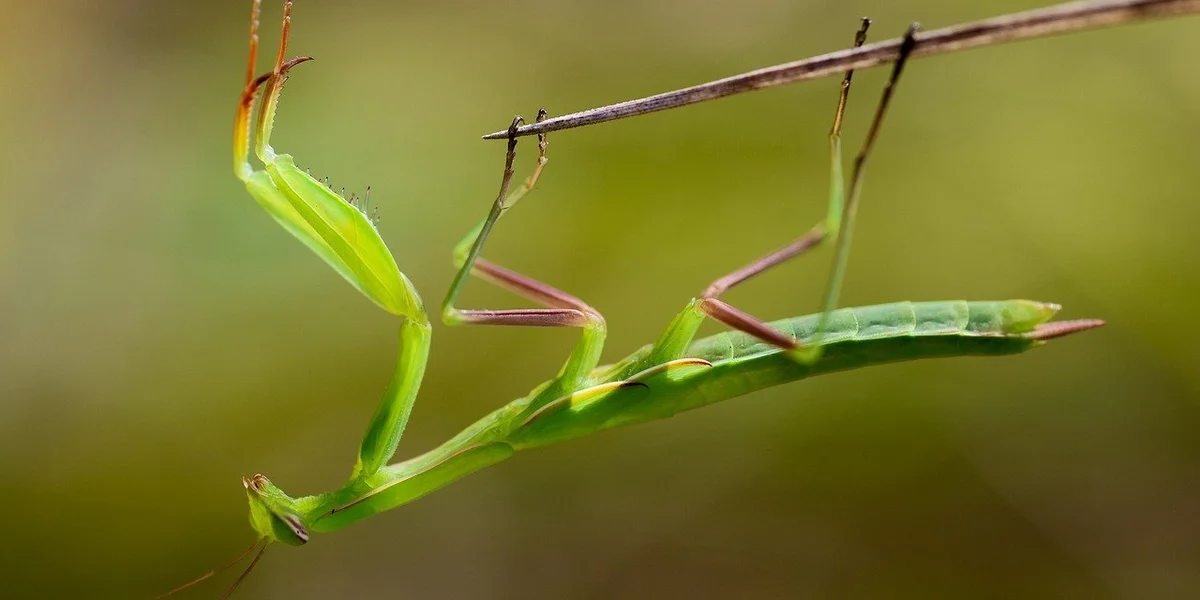
When a mantis struggles to shed its old skin, you might notice bits clinging to legs or antennae, leaving it looking ragged and distressed. Spotting these remnants early gives you the best chance to help without causing harm. We once saw Luna with a patch stuck on her foreleg, and a gentle misting with lukewarm water softened it enough for her to finish the job herself.
Start by increasing the humidity in the enclosure slightly, as dry air often causes these snags. A quick spritz from a spray bottle can make the old skin more pliable and easier to detach. If pieces remain after a few hours, use a soft, damp paintbrush to lightly nudge them off, but never pull-this could injure the tender new exoskeleton underneath.
- Check for stuck skin on limbs, eyes, or mouthparts after molting.
- Raise humidity by misting with warm water, aiming for a fine, gentle spray.
- Offer a steady surface, like a twig or leaf, for the mantis to grip while it works loose bits free.
- Avoid handling during this time; let nature take its course with minimal interference.
Dealing with Common Post-Molt Complications
After shedding, mantises can face issues like dehydration or weakness, especially if they refuse food for a day or two. Keeping a watchful eye helps you catch problems before they escalate into serious health risks. Moss once seemed lethargic post-molt, so we offered him a drop of honey-water on a toothpick to boost his energy until he was ready to hunt.
Dehydration shows up as sunken eyes or a wrinkled abdomen, so mist the enclosure regularly to maintain moisture. Providing easy-to-catch prey, like flightless fruit flies, encourages eating without stressing your mantis. If you see any limping or unusual posture, it might signal an injury from the molt; in such cases, reduce disturbances and ensure the habitat has plenty of soft landing spots.
- Monitor for signs of dehydration: dull coloration, reduced activity, or difficulty moving.
- Introduce small, live insects to stimulate feeding responses gently.
- Maintain a clean environment to prevent infections; remove uneaten prey promptly.
- Use a hygrometer to track humidity levels, keeping them steady for recovery.
Supporting Long-Term Growth After Molting
Adapting Care as Your Mantis Grows
As your mantis matures, its needs shift—what worked for a nymph won’t suit a full-grown adult. Upgrading the enclosure size prevents crowding and supports natural behaviors like climbing and hunting. To support growth through the instar stages, many keepers use a graduated enclosure system—starting small and gradually upgrading as the mantis matures. This staged approach reduces stress and helps them acclimate to new habitats before they reach adulthood. When Sprig outgrew her juvenile home, we moved her to a taller terrarium with more branches, and her confidence blossomed with the extra space.
Adjust feeding routines by offering larger prey, such as crickets or moths, as the mantis develops stronger jaws. Spacing out meals every few days mimics wild feeding patterns and prevents obesity. We found that varying the diet with different insects keeps mantises engaged and ensures they get a range of nutrients for robust health. For a complete diet feeding guide, pair protein-rich prey with calcium sources and routinely gut-load prey. This helps ensure balanced nutrition across life stages.
- Increase enclosure height and width with each successful molt to accommodate growth.
- Switch to bigger food items gradually; start with prey half the mantis’s size.
- Add fresh foliage or fake plants for hiding spots, reducing stress during transitions.
- Observe molting frequency; adults molt less often, so care becomes more about maintenance.
Maintaining Ongoing Health and Safety
Long-term care revolves around consistency-regular checks and a stable environment prevent most issues. Routine inspections for mites or mold catch problems early, saving you from bigger headaches down the line. We make it a habit to examine Luna’s enclosure weekly, wiping down surfaces with a damp cloth to keep things pristine.
Handle your mantis sparingly and always over a soft surface to avoid falls, as their delicate bodies are easily damaged. Ensuring the habitat has no sharp edges or toxic plants safeguards against accidental injuries. A balanced approach, with attention to detail, lets your mantis thrive through each life stage, from nymph to elder. This includes creating a naturalistic and safe environment where they can flourish.
- Clean the enclosure monthly with vinegar-water solution to disinfect without harsh chemicals.
- Provide a water dish or daily misting for hydration, but avoid pooling water that could drown small insects.
- Check for wear and tear on climbing structures, replacing them if they become unstable.
- Limit handling to short, calm sessions to build trust without causing stress.
Common Mantis Queries
What should I do if my mantis has trouble climbing after molting?
Ensure the enclosure has soft, textured surfaces like coconut fiber to provide better grip and prevent injuries. Avoid handling and offer low, stable perches to help your mantis regain strength and mobility safely.
Is it safe to introduce new decorations to the enclosure post-molt?
Wait until your mantis is fully hardened, typically after 48 hours, to add any new items and minimize stress. Sudden changes can startle a vulnerable mantis, so make adjustments gradually once it is more active.
How often should I check on my mantis after molting?
Observe your mantis daily from a distance to monitor its recovery without causing disturbance. Regular checks help you spot issues like dehydration or inactivity early and allow for timely care adjustments. Keeping a mantis journal helps you track its health over time toward optimal well-being. Record daily observations, feeding, molts, and activity to spot patterns and guide care.
Your Molting Mantis: A Gentle Reminder
After your mantis molts, the single most important thing you can do is provide a quiet, secure space and resist the urge to handle it until its new exoskeleton has fully hardened. Ensuring high humidity and easy access to water will support a successful recovery, paving the way for your mantis to thrive in its fresh new skin.
Caring for a mantis through this delicate process is a wonderful lesson in attentive, patient pet ownership. We encourage you to keep observing, keep learning, and continue providing the gentle, watchful care that makes keeping these remarkable creatures so rewarding. Learn more about how to care for a pet praying mantis in our complete handling and behavior guide.
Further Reading & Sources
- Praying mantis molting care. Mismolt The Mantis Top Killer. – USMANTIS
- Molting Praying mantis molting care sheet. Mismolt – USMANTIS
- Praying Mantis Care Lifespan, Growth and Molting Mis-molting – USMANTIS
- Molting – mantis monarch
Rowan Hale is a lifelong insect enthusiast who fell in love with mantises for their calm presence, alien elegance, and surprising personalities. After years of keeping and raising a variety of species, Rowan shares practical tips, creative insights, and real-world experience to help others enjoy the quiet magic of mantis care. From setting up the perfect enclosure to understanding their subtle behaviors, Rowan invites readers into a gentle, curious world where every tiny movement feels like a discovery.
Temperature and Humidity