
Native vs. Invasive Mantis Eggs: A Keeper’s Guide
Hello there, mantis friend. Have you ever spotted a curious, frothy-looking case clinging to a garden twig and wondered about the tiny lives waiting inside?
Identifying whether a mantis egg case, or ootheca, belongs to a native or invasive species is the first step in making an ecologically responsible choice for your garden or terrarium.
This topic is wonderfully complex, touching on everything from subtle physical differences to our role as stewards of local ecosystems.
Here’s a quick look at what we’ll cover together:
- How to visually tell native and invasive oothecae apart.
- The significant ecological impact of your identification.
- The practical, caring steps you can take once you know.
What Is a Mantis Egg Case and Why Does It Matter?
An ootheca is the protective egg case that mantises create to shelter their developing young—it’s a foamy, hardened structure that acts like a tiny nursery in the wild or your home enclosure. Recognising an ootheca helps you understand the full life cycle of your mantis, from egg to adult, and ensures you provide the right care at each stage. For praying mantis breeders, a journal from pairing to 60 days helps track ootheca development and hatch timing. Keeping notes on dates and outcomes across cycles can improve planning for future clutches.
- Structure: It’s made from a protein-based foam that the female secretes, which hardens into a durable case with chambers for individual eggs.
- Function: The ootheca shields eggs from predators, harsh weather, and drying out, giving nymphs a safe start when they hatch.
- Ecological role: In nature, oothecae contribute to local insect populations, but misidentifying them can lead to accidental spread of invasive species that harm native wildlife.
- Pet care importance: For keepers, spotting an ootheca means preparing for potential hatchlings-adjusting humidity, space, and food supplies to support the new generation.
Spotting the Differences: Native vs. Invasive Mantis Eggs
Distinguishing between native and invasive mantis egg cases is key to responsible pet ownership and protecting local ecosystems. By learning a few visual cues, you can quickly tell if an ootheca belongs to a friend like the Carolina mantis or a more disruptive visitor like the Chinese mantis. Different mantis species have specific habitats—some favor meadows and gardens, others cling to shrubs or crops. Knowing where they live helps explain which ootheca you might find in your yard.
| Trait | Native (e.g., Carolina Mantis) | Invasive (e.g., Chinese Mantis) |
|---|---|---|
| Size | Small, about 1-2 cm long | Larger, often 3-5 cm or more |
| Shape | Elongated and flattened, blending with twigs | Rounder and bulkier, like a small walnut |
| Color | Pale tan or grey, with subtle camouflage | Darker brown or beige, sometimes with a rough texture |
| Location | Often on slender stems or under leaves | Found on various surfaces, including walls or fences |
Key Traits of Native Mantis Egg Cases
Native oothecae, like those from the Carolina mantis, are masters of disguise in their natural habitats. Their subtle appearance helps them avoid notice, much like how my Ghost Mantis, Luna, blends into her enclosure with her leaflike frills.
- Size and shape: Typically small and slender, resembling a flattened pod or tiny seed capsule.
- Color: Light tan or grey hues that match tree bark or dried grass, making them hard to spot.
- Texture: Smooth or slightly ridged surface, feeling firm but not overly bulky.
- Placement: Usually attached to thin branches, stems, or the underside of leaves in open fields or gardens.
- Example: The Carolina mantis ootheca is often no bigger than a thumbnail and laid in areas with plenty of insect prey.
Key Traits of Invasive Mantis Egg Cases
Invasive species, such as the Chinese mantis, produce oothecae that stand out due to their size and robustness. These egg cases can hatch large numbers of nymphs that may outcompete native insects, so identifying them early is a step toward ecological balance.
- Size and shape: Larger and more rounded, often described as chunky or egg-shaped, up to the size of a grape.
- Color: Darker shades of brown or beige, sometimes with a mottled pattern that lacks fine camouflage.
- Texture: Rougher and more porous, feeling sturdy and sometimes slightly spongy to the touch.
- Placement: Can be laid on a wide range of surfaces, including building walls, fences, or even garden tools, showing adaptability.
- Ecological impact: Each ootheca may release dozens of nymphs that prey on beneficial native species, disrupting local food webs.
Where and How Mantises Lay Their Eggs
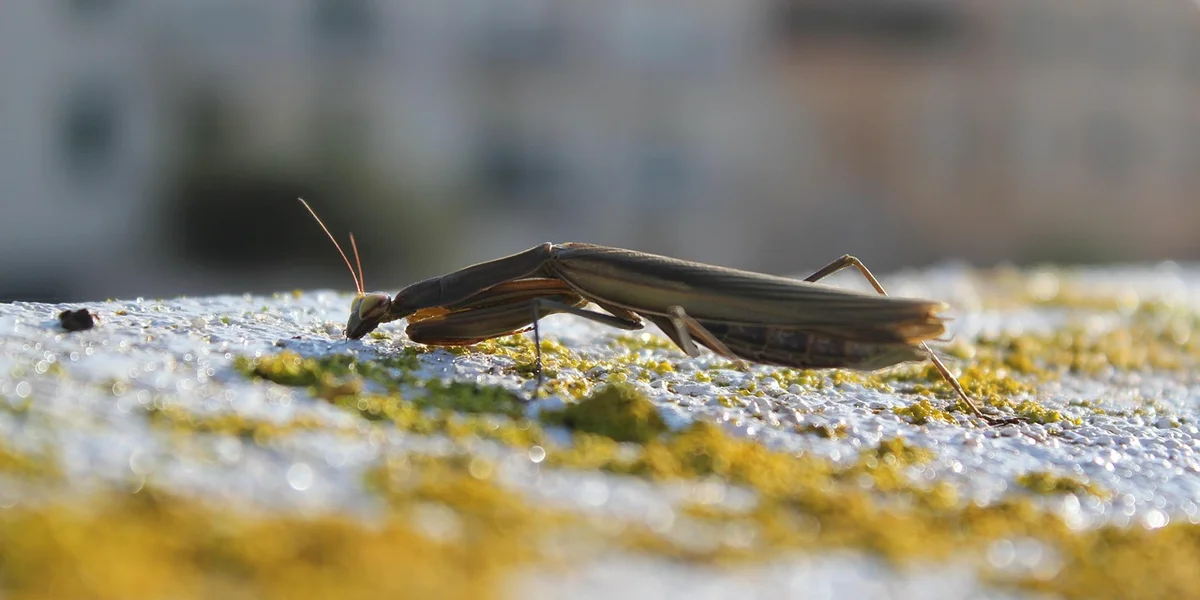
Mantises are selective about where they deposit their egg cases, called oothecae, often choosing spots that offer protection and easy access for their young. They instinctively seek out locations that shield the eggs from harsh weather and predators while providing a stable surface for attachment. In temperate climates, when do mantises lay eggs? Mantises usually lay their eggs in late summer to early fall, with the oothecae overwintering and hatching in spring. Habitat plays a big role—outdoor mantises might pick garden plants, while indoor ones could opt for enclosure walls or decor.
Our Ghost Mantis, Luna, laid her ootheca on a slender twig in her terrarium, tucked away like a tiny, frothy jewel. You can often find these foam-like structures in sheltered nooks where the mantis feels secure during the egg-laying process. The soft rustle of leaves or the steady hum of a garden can influence their choice, as they prefer quiet, undisturbed areas.
- Common egg-laying sites include sturdy plant stems, wooden fences, brick walls, and even window frames.
- Look for small, tan or beige foam masses that resemble hardened whipped cream or spongy insulation.
- Check areas with good airflow and minimal disturbance, such as under leaves or along garden stakes.
- Indoors, inspect cage corners, artificial plants, or branches where your mantis frequently perches.
- Gently mist the area to mimic dew-this can make the ootheca’s texture stand out more clearly.
The Mantis Life Cycle: From Egg to Nymph
Once laid, mantis eggs undergo a fascinating transformation before tiny nymphs emerge, ready to explore their world. After the female deposits the ootheca, it hardens into a protective casing that shelters the eggs during incubation. Hatching timing varies by species and environment, typically taking weeks to months depending on warmth and humidity levels. A single ootheca can release dozens to hundreds of nymphs, who scatter quickly after birth to avoid cannibalism.
When our Giant Asian Mantis, Moss, hatched, we saw a flurry of movement as the nymphs dispersed like emerald confetti. Temperature is a key driver-warmer conditions speed up development, while cooler ones delay hatching. After emerging, nymphs molt several times as they grow, shedding their exoskeletons in a delicate, papery process.
- Eggs develop inside the ootheca, with embryos maturing over time based on species and climate.
- Hatching begins when internal conditions are right, often triggered by consistent warmth or seasonal changes.
- Nymphs use a specialized tooth to break free, emerging en masse from the egg case.
- They immediately seek cover and may not eat for a day or two as they harden their new exoskeletons.
- Post-hatch, provide small prey like fruit flies and ensure a humid environment to support molting.
Common Lookalikes: Differentiating Mantis Eggs from Similar Structures
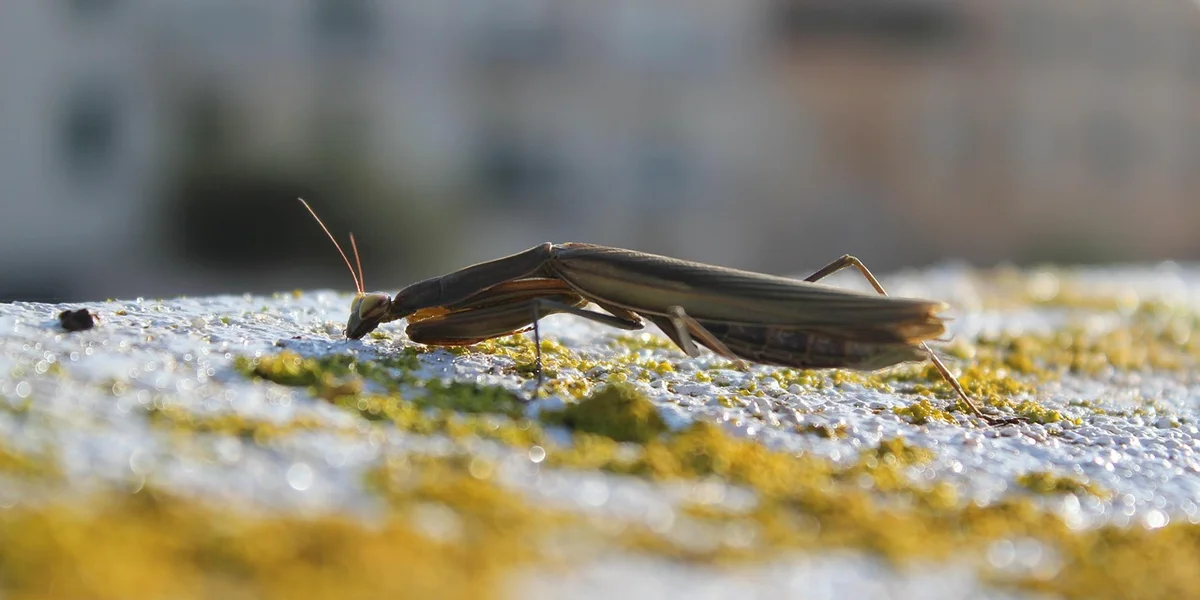
It is easy to mistake mantis oothecae for other garden finds, but a closer look reveals distinct features. Mantis egg cases have a unique foam-like texture that feels firm yet slightly flexible, unlike the papery or rigid feel of mimics. Placement clues help too-mantises prefer vertical or angled surfaces, while wasps might build in more enclosed spaces.
We once confused a small wasp nest for an ootheca until we noticed its smoother surface and hidden entrance. Focus on the appearance: mantis eggs often show a segmented or ridged pattern, whereas lookalikes tend to be more uniform or rough. This attention to detail prevents accidental disturbances and supports responsible pet care.
- Texture: Mantis oothecae are spongy and light, while wasp nests are papery and brittle.
- Placement: Mantises choose open, accessible spots; mimics like moth cocoons may be hidden in debris.
- Appearance: Look for a tan or cream color with a frothy finish, not the gray or shiny surfaces of other insects.
- Size and shape: Oothecae are generally oval and compact, unlike the tubular or irregular forms of mimics.
- Seasonality: Mantis eggs are laid in late summer or autumn, so sightings outside this period may be other species.
Your Ethical and Legal Responsibilities
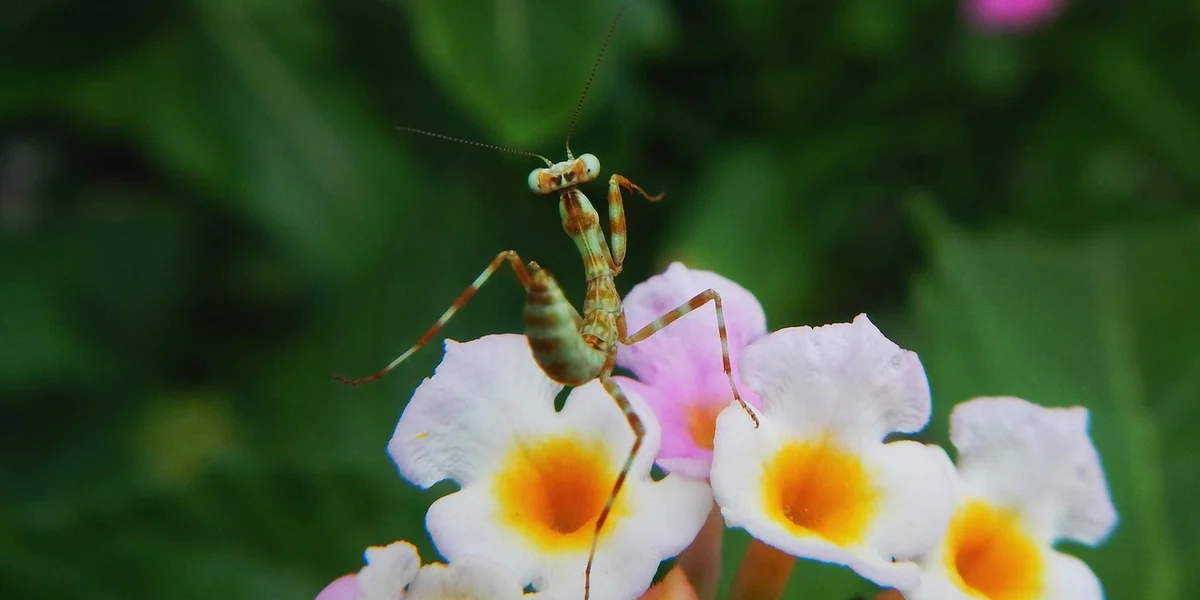
As mantis enthusiasts, we carry a quiet duty to safeguard these delicate creatures and their habitats. Your actions with egg cases can shape local ecosystems, making mindful handling a cornerstone of responsible keeping. For those seeking practical steps, our ootheca care guide offers clear guidance on handling, incubation, and the safe emergence of nymphs.
Start by observing the ootheca’s texture and placement-native ones often mimic bark or leaves, while invasives might appear out of place. Gentle inspection prevents damage and helps you make informed choices.
- Identify the egg case carefully. Note its size, color, and where it’s attached-like on a twig or fence. Use field guides or trusted online sources for comparison.
- Assess if it’s native or invasive. Cross-reference with regional species lists; invasive types like the Chinese mantis have bulkier, frothy cases.
- Take appropriate measures based on your findings. Report invasive finds to local wildlife agencies, and if removal is needed, use soft tools to avoid harm.
Reporting invasive species supports conservation by alerting experts to potential threats. Many regions have hotlines or apps for quick submissions, turning your observation into a protective act.
Handling guidelines emphasize minimal contact-wear gloves and keep cases in stable conditions during assessment. This reduces stress on the eggs and preserves their viability for native populations.
Conservation efforts thrive through community awareness and habitat preservation. By sharing knowledge and participating in local initiatives, you help maintain the delicate balance mantises rely on.
Caring for Mantis Eggs as a Pet Owner
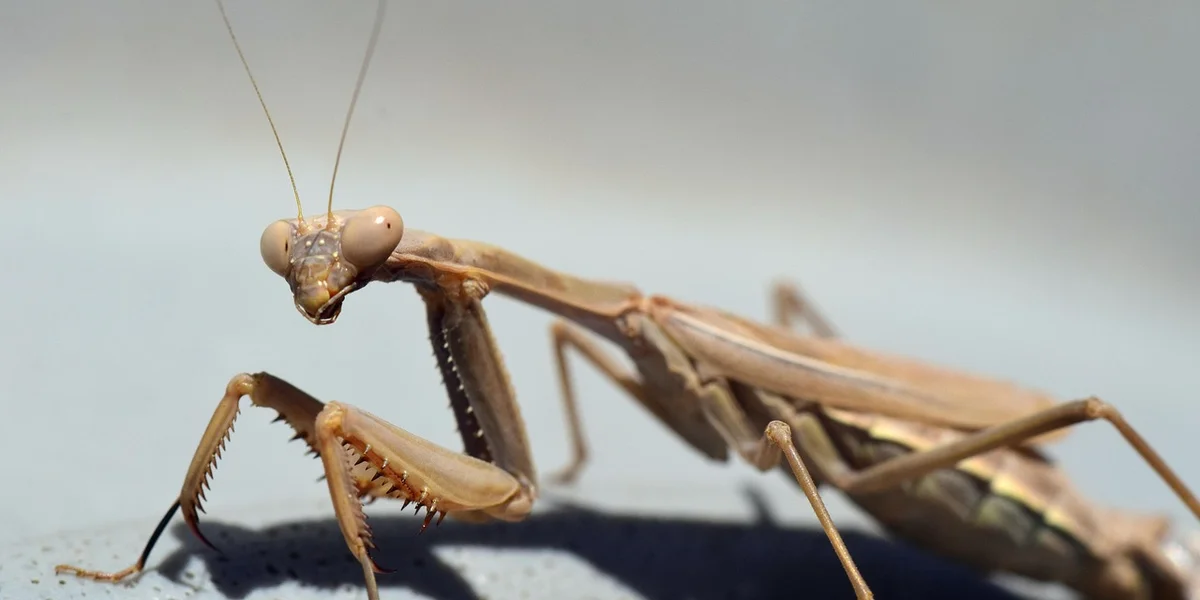
Nurturing mantis eggs in captivity brings joy, but it demands a watchful eye and tender care. Creating a stable environment mimics the wild, giving nymphs the best start in life.
We’ve found that species-specific needs vary-our Ghost Mantis Luna’s ootheca preferred higher humidity, while Moss the Giant Asian thrived in moderate settings. Tailoring your approach ensures each egg case feels at home.
- Setup: Use a small, ventilated container with natural substrates like sphagnum moss or twigs. Avoid overcrowding to prevent mold and allow easy monitoring.
- Humidity: Maintain levels between 50-70% with light misting; a hygrometer helps track changes. Adjust based on species-orchid mantis eggs need more moisture than others.
- Monitoring: Check daily for color shifts or webbing, which signal health. Keep notes on temperature and any disturbances to catch issues early.
Ootheca care involves patience—avoid moving cases once positioned, as jostling can disrupt development. This steady routine mirrors the quiet reliability of nature, fostering strong hatchlings. To stay on schedule, use a six-week countdown checklist to track progress toward hatching day. This approach helps you prepare for hatch day with confidence.
Species-specific considerations include researching dormancy periods and hatching triggers. Understanding these nuances turns waiting into an engaging part of the journey, much like tending a slow-blooming garden.
Common Mantis Queries
When do mantis eggs hatch?
Mantis eggs typically hatch in the spring after experiencing a period of winter cold, but the timing can vary based on species and local climate. For pet owners, this means you should monitor the ootheca closely as temperatures rise to prepare for the arrival of nymphs.
How many nymphs emerge from a mantis egg case?
The number of nymphs can range from a few dozen to over a hundred, depending on the species and the size of the ootheca. As a keeper, this large number means you must be prepared with a significant supply of small food, like fruit flies, and adequate space to house or rehome the hatchlings.
Are mantis egg cases harmful to plants or pets?
Mantis oothecae are not harmful to plants or non-insect pets, as the nymphs primarily prey on small insects and are not toxic. However, if you keep other pet insects, the emerging mantis nymphs will view them as food, so separate housing is essential. In gardens, they can help control common pests. Because they are generalists, they may also eat beneficial insects, so consider them as part of an integrated pest management approach.
A Final Word on Your Mantis’s Legacy
Always identify your mantis eggs accurately to distinguish native from invasive species and prevent ecological harm. Responsible handling means never releasing non-native eggs into the wild, ensuring your pet’s care remains a private joy.
Embrace your role as a mindful keeper by continually learning about mantis biology and local conservation needs. Your dedication to gentle, informed care helps protect both your pet and the delicate balance of nature around us. To support a naturalistic, safe habitat for your praying mantis, tailor the enclosure with appropriate branches, plants, and secure ventilation. Maintain appropriate humidity and temperature to encourage natural behavior while keeping your mantis safe.
Further Reading & Sources
- The Invasive Mantis Species | Brandywine Conservancy and Museum of Art
- Preying on Invasive Mantis Egg Masses | Brandywine Conservancy and Museum of Art
- Praying Mantids – Piedmont Master Gardeners
- Pray for the prey of the praying mantis – Maryland Invasive Species Council
Rowan Hale is a lifelong insect enthusiast who fell in love with mantises for their calm presence, alien elegance, and surprising personalities. After years of keeping and raising a variety of species, Rowan shares practical tips, creative insights, and real-world experience to help others enjoy the quiet magic of mantis care. From setting up the perfect enclosure to understanding their subtle behaviors, Rowan invites readers into a gentle, curious world where every tiny movement feels like a discovery.
Native Mantids