
What are praying mantis arms and claws called?
Hello mantis friend, have you ever watched a praying mantis poised on a leaf, its front limbs folded as if in quiet thought, only to snap out in a blur to seize a fly? Those remarkable arms are not just for show-they are precision tools built for survival.
Those front limbs are scientifically known as raptorial legs, and the sharp, hook-like parts at the end are called tibial claws or spines.
But there’s a beautiful complexity to these structures that goes beyond their names-each part is perfectly adapted for hunting, gripping, and even delicate movement.
In this article, we’ll explore: A common question people have is how many legs a praying mantis has. We’ll explain mantis leg anatomy and how each pair works
- The specific terms for mantis arms and claws, and why they matter
- How these limbs function in everyday mantis life
- Fun comparisons to other insect anatomy
- Simple ways to observe your own mantis using its raptorial legs
Understanding Mantis Foreleg Anatomy
When we talk about a praying mantis’s “arms,” we’re really describing their specialized raptorial legs—forelegs built for grabbing and holding prey. These limbs are marvels of natural engineering, designed with distinct segments that work together like a well-oiled machine. Their combination of stealthy camouflage and lightning-fast strikes is part of what makes praying mantises so special and unique in the insect world.
- Coxa: This is the base segment that attaches the leg to the body, acting like a shoulder joint that allows for wide movement.
- Femur: Often the thickest part, it’s packed with muscles and lined with sharp spines-think of it as the powerful upper arm that stores energy for a quick strike.
- Tibia: This slender segment folds against the femur, and its own set of spines interlock with those on the femur to form a cage-like trap, much like a forearm closing in.
- Tarsus: The end segment, or “foot,” which includes tiny claws for gripping surfaces, helping your mantis climb and anchor itself securely.
- Spines: Rows of sharp, backward-facing hooks on the femur and tibia that snag prey instantly, preventing any chance of escape once caught.
To picture this, imagine your own arm: the coxa is your shoulder, the femur your upper arm, the tibia your forearm, and the tarsus your hand with fingers. This analogy helps you see how each part contributes to that lightning-fast grab your mantis makes.
How Raptorial Legs Function in Hunting
Raptorial legs are the heart of a mantis’s hunting strategy, allowing them to ambush and secure food with breathtaking speed. Their design ensures that once prey is within reach, there’s almost no getting away. See how mantises use these legs for hunting.
- Detection: Your mantis stays perfectly still, using its keen eyes to spot movement-whether it’s a cricket or fly wandering too close.
- Approach: It adjusts its body slowly, aligning the raptorial legs for the perfect strike without alerting the prey.
- Strike: In a blur, the forelegs snap forward; the femur and tibia unfold, and the spines engage to clamp down on the target.
- Capture: The spines lock together, holding the prey firmly while your mantis brings it to its mouth to feed.
Leg speed and precision can vary widely by species-for instance, our Ghost Mantis Luna moves with deliberate, almost slow-motion strikes, while Moss the Giant Asian Mantis attacks with explosive quickness. Observing these differences adds to the joy of keeping mantises, as each has its own unique hunting style.
Safe Handling for Your Pet Mantis
-
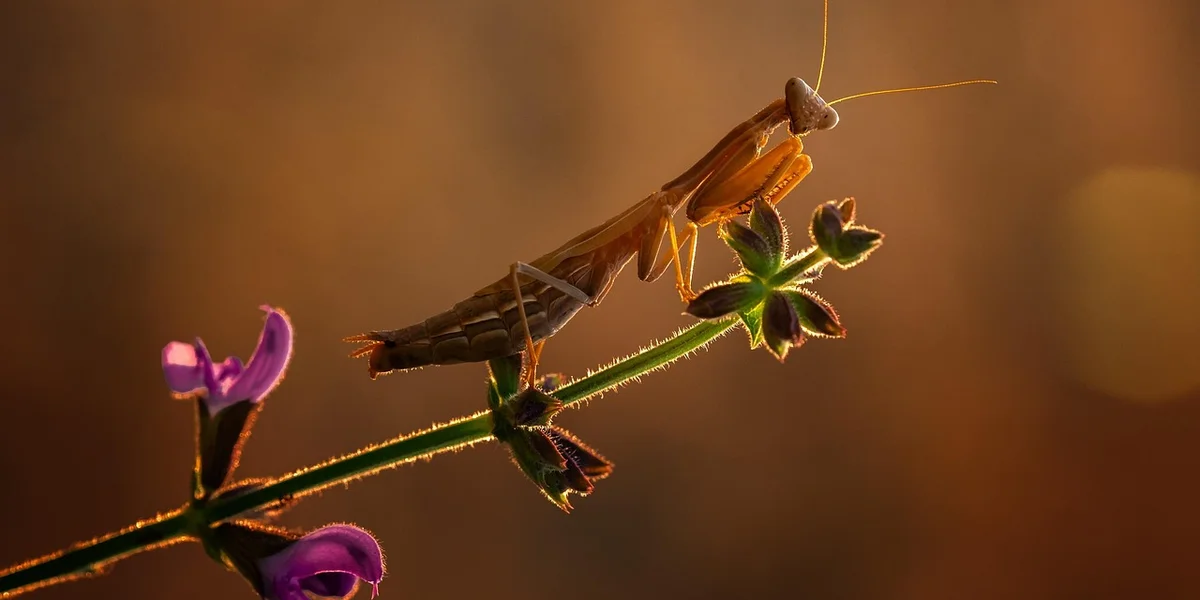
Approach your mantis with slow, steady movements to avoid startling it. We find that coming from the side, rather than above, feels less threatening to them. Moving gently mimics the natural pace of their world and helps build a calm connection. For a skittish mantis, this approach can help make a hand-tame companion, gradually inviting it to perch on a steady hand. Let it come to you at its own pace and never force contact. In my time with Moss, he often perches like a green statue, and a patient approach lets him observe without fear.
-
Place your hand flat and let the mantis step onto it voluntarily. Avoid any tight grips or pressure on the legs. This careful placement prevents stress on their delicate leg joints and keeps them comfortable. We’ve noticed that a relaxed hand encourages them to explore without hesitation. To handle and interact with your praying mantis safely, move slowly and calmly. Avoid sudden movements and keep your other hand ready to gently support them if needed.
-
Support the body by gently cupping the abdomen, keeping the forelegs free from contact. This method ensures your mantis feels secure while protecting its specialised hunting tools. With Sprig, our Orchid Mantis, we always avoid touching her forelegs to maintain her natural grace and function.
Common Injuries and Molting Issues
-
Frequent problems include broken spines on the forelegs and leg damage, especially during moulting. These issues can hinder their ability to hunt and move with ease. We’ve seen how a misplaced branch or rough surface might lead to such injuries in active mantises like Luna.
-
For injured legs, provide care by isolating the mantis in a quiet, humid enclosure. Temporary isolation reduces stress and supports healing in a controlled environment. A simple setup with soft foliage and regular misting can make a big difference in recovery.
-
Watch for signs of moulting complications, such as prolonged struggling or stuck skin. If your mantis shows distress for over a few hours, it’s wise to seek advice from experienced keepers. The soft rustle of moulting should be a calm process, not a battle, so early intervention helps prevent lasting harm.
Species Variations in Raptorial Legs
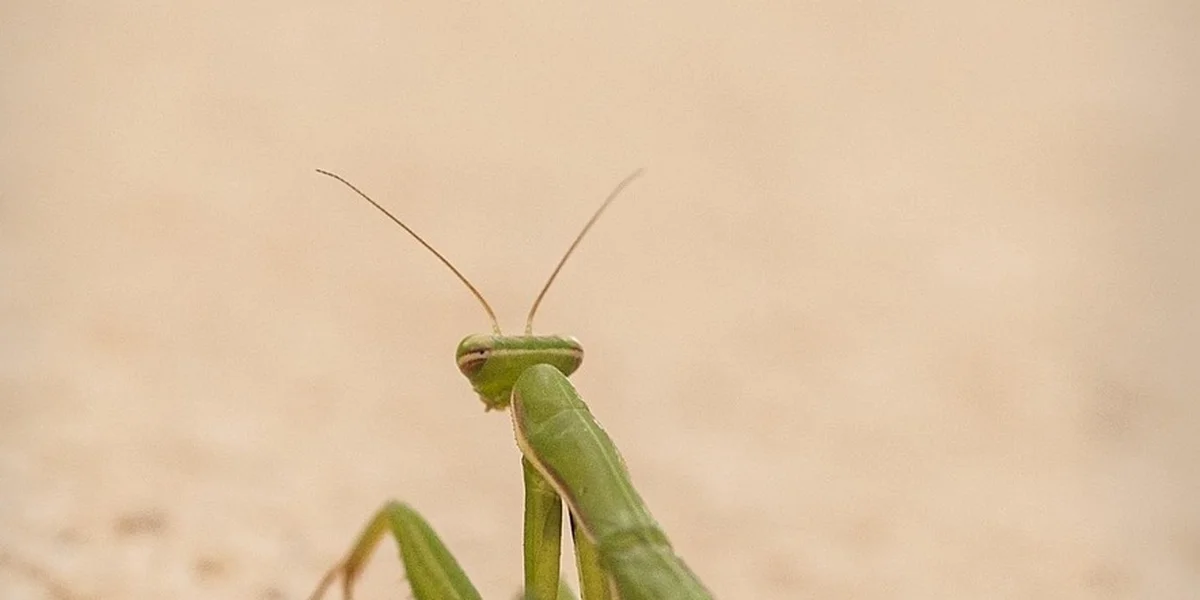
Different mantis species have evolved raptorial legs suited to their unique habitats and hunting styles. We notice that leg size, spine density, and color can vary dramatically, influencing how each species catches prey and interacts with its environment. Where mantises live—ranging from tropical forests to grasslands, deserts, and urban areas—also shapes their traits. Different habitats drive variations in leg morphology and hunting strategies.
For instance, our Ghost Mantis Luna has slender, misty-brown legs with fewer spines, allowing her to blend into foliage and grasp small insects gently. In contrast, Sprig the Orchid Mantis boasts vibrant pink-and-white legs packed with fine spines, ideal for securing flying prey amid flowers. These adaptations mean pet owners must tailor feeding and handling to match each species’ natural tendencies.
| Species | Leg Size | Spine Density | Color | Grasping Ability | Appearance | Pet Care Notes |
|---|---|---|---|---|---|---|
| Ghost Mantis | Small, delicate | Low, spaced spines | Muted browns, grays | Gentle, suited for tiny prey | Leaf-like frills, cryptic | Handle minimally; offer fruit flies or pinhead crickets |
| Orchid Mantis | Medium, slender | High, fine spines | Pink, white marbling | Strong for size, targets fliers | Floral mimic, petal-like | Avoid rough handling; provide moths or small flies |
| Giant Asian Mantis | Large, robust | Moderate, sharp spines | Vivid green, banded | Powerful, handles larger insects | Bold, elongated segments | Confident grasp; feed crickets or roaches with care |
When feeding, match prey size to the mantis’s leg strength-Luna thrives on dust-sized flies, while Moss the Giant Asian easily tackles crickets. Handling should be gentle for species with delicate legs to avoid stress or injury during molts.
Enclosure Setup for Healthy Legs
Creating a comfortable home supports strong raptorial legs and smooth molting cycles. We focus on space, climbing options, and environmental cues that mimic their natural habitats.
Choose an enclosure at least three times the mantis’s length in height to allow ample climbing. Vertical space encourages natural perching and reduces leg strain from cramped conditions. Adequate vertical habitat is an essential requirement for a healthy praying mantis, supporting natural behaviors and overall well-being.
- Ideal climbing structures: Thin branches, twisty vines, or artificial plants that provide secure footholds.
- Suitable substrates: Coconut fiber, sphagnum moss, or paper towels to cushion falls and maintain humidity.
- Perch placement: Offer varied heights and angles to promote even leg use and prevent fatigue.
Lighting should be indirect, like ambient room light, to avoid overheating. Maintain humidity around 60-80% with daily misting using lukewarm water, which helps keep leg joints flexible and supports successful molts.
We found that Sprig’s enclosure benefits from a small live plant, adding humidity and perches without sharp edges. Regularly check for smooth surfaces to prevent snags on those precious raptorial spines.
Common Mantis Queries
How does the size of a mantis’s forelegs affect its care?
Larger forelegs indicate a mantis can handle bigger prey, like crickets or roaches. Smaller, more delicate forelegs require tiny food items, such as fruit flies, to ensure successful and safe hunting.
Why are my mantis’s forelegs turning black?
Blackening forelegs can be a sign of impending molt or a potential fungal infection. It is crucial to maintain proper humidity and keep the enclosure clean to support your mantis’s health during this sensitive time. For a quick answer to “why is my mantis sick,” refer to the ultimate mantis health troubleshooting checklist. It helps you identify additional symptoms and what to do next.
Where can I find a good mantis foreleg anatomy diagram?
Detailed diagrams are available from entomology websites and dedicated invertebrate care forums. These visual guides can help you better understand the coxa, femur, tibia, and spines discussed in our care articles.
Final Reflections on Mantis Arms and Claws
We’ve explored how a mantis’s arms, known as raptorial legs, and their sharp claws are vital for hunting and climbing, so gentle handling and a safe habitat are key to their wellbeing. Observing how your mantis uses these tools daily can alert you to any health changes, much like noticing when my Ghost Mantis, Luna, tilts her head before striking.
Caring for a pet mantis is a rewarding journey that thrives on your commitment to learning and adapting to their needs over time. We invite you to keep exploring mantis care tips and sharing experiences with fellow enthusiasts, as every observation deepens your bond with these remarkable insects. For a complete handling and behavior guide on caring for a pet praying mantis, check out our step-by-step tips. It covers safe handling, enclosure setup, feeding, and how to read their signals.
Further Reading & Sources
- Morphology and material composition of raptorial foreleg cuticles in praying mantises Gongylus gongylodes and Sphodromantis lineola | Scientific Reports
- Functional morphology of the raptorial forelegs in Mantispa styriaca (Insecta: Neuroptera) | Zoomorphology
- Raptorial – Wikipedia
- Praying Mantis Anatomy – USMANTIS
Rowan Hale is a lifelong insect enthusiast who fell in love with mantises for their calm presence, alien elegance, and surprising personalities. After years of keeping and raising a variety of species, Rowan shares practical tips, creative insights, and real-world experience to help others enjoy the quiet magic of mantis care. From setting up the perfect enclosure to understanding their subtle behaviors, Rowan invites readers into a gentle, curious world where every tiny movement feels like a discovery.
Common Species