
Giant African Mantis Care: A Simple Guide to Keeping Your Pet Thriving
Hello, mantis friend! Picture a vivid green hunter, poised like a living jewel, with antennae twitching at the faintest rustle-this is the Giant African Mantis, a captivating companion for any insect enthusiast.
Caring for a Giant African Mantis revolves around creating a habitat that mimics their warm, humid native lands, offering a steady diet of live prey, and observing their unique behaviors with a gentle hand.
While it might feel intricate at first glance, we’ve tended to these elegant creatures for years and found that a few thoughtful steps make all the difference.
Here’s a quick peek at what you’ll learn in this guide:
- Setting up a cozy, escape-proof enclosure with the right humidity and warmth
- Choosing the best foods and feeding schedule for a healthy mantis
- Handling your mantis safely and spotting signs of molting or stress
- Creating a low-stress environment that encourages natural behaviors
Getting to Know Your Giant African Mantis
-
Giant African Mantises boast a sturdy, impressive build, often reaching 3 to 4 inches as adults with robust raptorial forelegs ready for action. Their colors shift from vibrant greens to earthy browns, allowing them to blend seamlessly into their surroundings like living leaves. You might notice subtle patterns or bands that add to their wild charm, much like our own Kofi-a mature female with deep green tones and a patient, watchful demeanor.
-
These mantises are active hunters, stalking prey with deliberate movements before striking with lightning speed. They love perching high on branches or foliage, holding still for hours like miniature statues surveying their domain. They also vary their hunting depth perception in mantises, watching from high perches or peering into dense foliage to judge distance before leaping. Their hunting behavior relies on patient depth perception and sudden, precise ambushes. While generally not handle-friendly, they may tilt their heads curiously when you approach, showing a hint of personality without seeking interaction.
-
Compared to delicate species like the Ghost Mantis, Giant Africans are hardier and more forgiving for beginners. Their size and resilience make them stand out next to smaller, more fragile relatives, offering a bold entry into mantis keeping. Unlike the shy Orchid Mantis, they often display a confident, almost regal presence in their enclosures.
Setting Up the Perfect Terrarium
-
Choose an enclosure that grows with your mantis, starting small for nymphs and upgrading as they mature. This step prevents stress and gives your mantis room to thrive without feeling overwhelmed in a vast space. This approach fits well with a graduated enclosure system that grows with each nymph stage. We find that a snug home early on encourages natural behaviors like exploring and hunting.
-
Select safe substrates like coconut fiber or peat moss to maintain humidity and keep the environment clean. These materials absorb moisture well, reducing the risk of mold while supporting your mantis’s comfort during molts. A layer about 1-2 inches deep works wonders for mimicking their natural habitat.
-
Add hiding spots, silk or live plants, and climbing branches to enrich your mantis’s daily life. Providing varied perches and cover helps reduce stress and encourages healthy activity, much like how Kofi adores her favorite twisted vine. Include vertical structures to satisfy their instinct to climb and observe from above.
-
Ensure proper ventilation with mesh lids or side panels to promote air flow and prevent stagnation. Good circulation wards off mold and maintains a fresh, humid atmosphere that mimics their native African environments. We always check that air can move freely without drying out the enclosure too quickly.
Enclosure Size and Materials
-
For juveniles, aim for enclosures around 6x6x8 inches, while adults need at least 12x12x18 inches to stretch and molt safely. These dimensions support healthy growth and prevent injuries from cramped conditions. Remember, a roomy home means a happier mantis with space to hunt and rest.
-
Suitable options include mesh cages for excellent airflow or glass terrariums with secure lids for humidity control. Mesh enclosures are lightweight and breathable, whereas glass holds moisture better but requires careful monitoring to avoid overheating. We often use mesh for its ease and how it lets us watch our mantis without distortion. When weighing the pros and cons of glass versus mesh enclosures for praying mantises, ventilation, humidity, and ease of observation are key factors. Your choice may depend on your mantis’ needs and your care setup.
Substrate and Decor
-
We recommend coconut fiber or peat moss as substrates for their moisture retention and non-toxic properties. These choices help regulate humidity levels, which is vital for successful molting and overall health. Avoid sandy or dusty alternatives that could irritate your mantis’s delicate body.
-
Incorporate non-toxic plants like pothos or spider plants and sturdy branches from oak or maple for natural perches. Live plants add a touch of wilderness and improve air quality, while branches give your mantis secure spots to cling and survey. Always rinse new additions to remove any residues that might harm your pet.
Maintaining the Ideal Environment
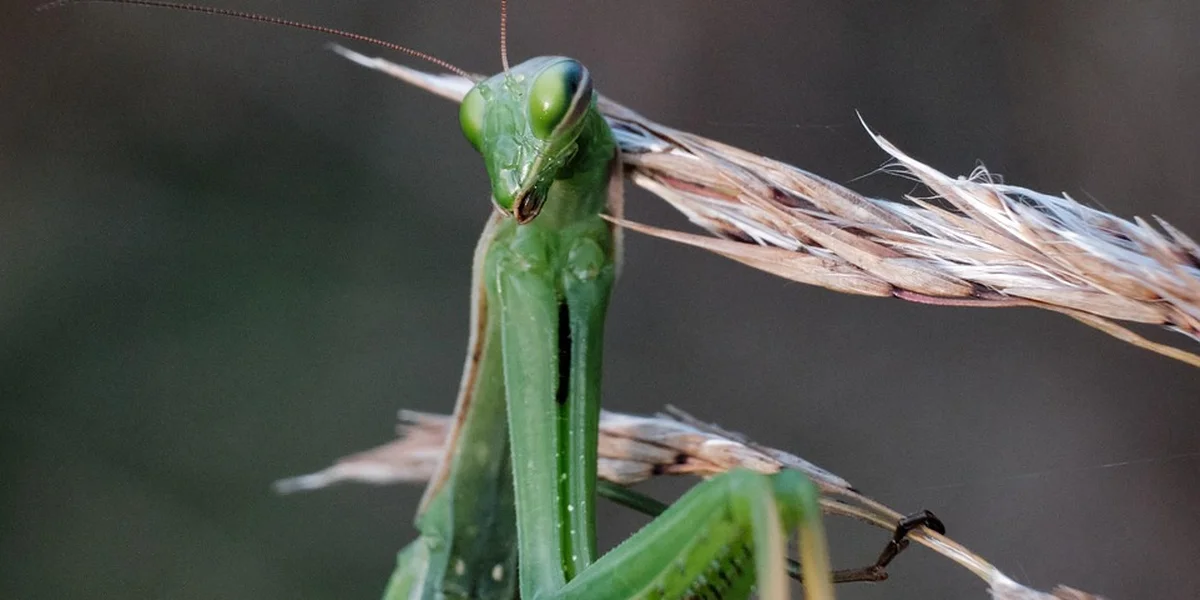
Creating a comfortable home for your Giant African Mantis means paying close attention to temperature, humidity, and lighting-it’s like crafting a tiny, warm greenhouse where they can thrive. We find that a stable environment reduces stress and supports healthy growth, much like how a well-tended garden flourishes under consistent care.
- Set temperatures between 24-30°C (75-86°F) using adjustable heat sources; a small heat mat placed on the enclosure’s side works wonders without drying out the air.
- Monitor humidity around 50-70% with a simple hygrometer, and mist lightly once or twice daily to mimic the dewy mornings of their native habitats.
- Provide gentle, indirect lighting-natural daylight from a nearby window or a soft LED bulb-and always include shaded spots where your mantis can retreat from bright rays.
Temperature and Humidity Control
Balancing warmth and moisture is key to keeping your mantis active and hydrated. Think of it as maintaining a cosy, misty nook that feels like a tropical dawn every day.
- Use a low-wattage heat lamp or an under-tank heat mat controlled by a thermostat to sustain steady warmth; avoid direct heat that could cause discomfort.
- Mist the enclosure’s walls and foliage each morning with lukewarm water, which hydrates your mantis and lifts humidity for smoother molts.
Ventilation and Safety
Good airflow prevents mould and keeps the enclosure fresh, while secure fittings ensure your curious friend stays safe inside. Proper ventilation lets humidity breathe without turning the space stagnant, much like a breezy forest clearing.
- Balance humidity and circulation by choosing enclosures with mesh tops or side vents; this allows moisture to escape slowly while maintaining air flow.
- Check all lids and seams for tight closures to prevent escapes, and smooth any sharp edges inside to avoid injuries during climbs or molts.
Feeding and Hydration Routines
Feeding your Giant African Mantis is a rhythmic dance of offering live prey and ensuring they stay hydrated-it’s one of the most engaging parts of care. We’ve noticed that a consistent routine helps mantises like our own Sahara anticipate meals with calm readiness.
- Offer appropriately sized live insects such as pinhead crickets for nymphs or larger roaches for adults; match the prey to your mantis’s body length to prevent struggles.
- Establish a feeding schedule of every 2-3 days for juveniles and twice weekly for adults, adjusting if they appear plump or disinterested.
- Provide water primarily through daily misting, which mantises drink from droplets; shallow dishes can be used but pose a slight drowning risk, so misting is safer.
Live Prey Options
Choosing the right feeder insects ensures your mantis gets nutritious meals without hidden dangers. Gut-loading prey with fresh veggies like carrot or leafy greens boosts their vitamin content, making each bite more beneficial. This approach is a core part of the ultimate guide to gut-loading feeder insects for mantises, helping ensure your pet gets the best possible nutrition from every meal.
- Suitable feeders include crickets, dubia roaches, and fruit flies; dust them with calcium powder weekly to support strong exoskeletons.
- Avoid wild-caught insects, which may carry pesticides or parasites; stick to captive-bred options for a cleaner, safer diet.
Feeding Frequency and Portions
Adjusting how much and how often you feed depends on your mantis’s age and appetite-it’s a gentle balance that prevents waste and keeps them fit. Watch for a rounded abdomen after meals as a sign they’re well-fed, but skip a feeding if they refuse prey to avoid overfeeding.
- Feed juveniles every 2-3 days to support rapid growth; adults do well with meals twice a week, as their metabolism slows.
- Signs of overfeeding include a persistently swollen belly or leftover uneaten prey, while underfed mantises may become lethargic or hangry during handling.
Understanding Molting and Lifecycle
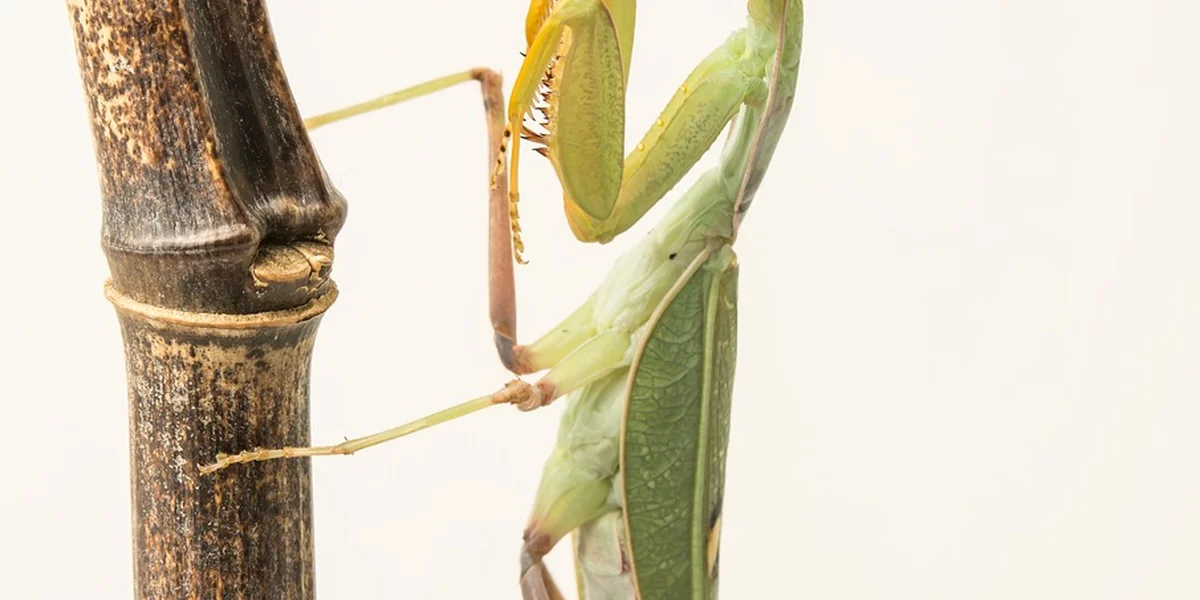
Molting is a vulnerable yet fascinating process where your mantis sheds its old skin to grow, and understanding it deepens your connection to their lifecycle. Each successful molt feels like a quiet victory, revealing a brighter, larger version of your mantis ready for new adventures.
- Explain that molting involves the mantis splitting its exoskeleton and wriggling out; pre-molt signs include refusal to eat and hanging upside down motionless.
- Outline the lifecycle from tiny nymph to adult over 6-12 months, with females living up to a year and males slightly less; cherish each stage as they mature.
- Provide a safe molting space by ensuring tall, sturdy perches and minimal disturbances; this gives them the confidence to shed without interruption.
Molting Care Steps
Supporting your mantis through molting requires a gentle touch and attentive adjustments to their environment. Increasing humidity softens the old skin, making it easier to slip off like a damp leaf unfurling in the rain.
- Raise humidity to 60-80% by misting more frequently in the days leading up to and during the molt; this prevents the new exoskeleton from drying too quickly.
- Avoid handling your mantis entirely and double-check that perches are secure; any jostle can cause falls or incomplete sheds.
- Monitor for stuck shed on limbs or antennae; if needed, use a damp cotton swab to gently moisten the area, but never pull-patience is your best tool.
Health and Common Issues
-
Dehydration is a frequent worry, especially in drier setups. You might notice your mantis’s skin looking wrinkled or dusty, and they may move sluggishly or refuse food. Spotting dehydration signs early tells you when to act. With quick hydration, mantises can recover well. Offering a light misting with lukewarm water can often perk them right up, as we’ve seen with Moss when his green hue dulled slightly.
-
Infections, like bacterial or fungal issues, can show as unusual dark spots, swelling, or a sticky residue on their body. Keeping their home clean and well-ventilated is your best defense against these sneaky invaders.
-
Injuries from falls or rough handling might result in bent limbs or difficulty climbing. For minor scrapes, a quiet, clean space and avoiding handling lets their natural healing take over, much like when Luna took a tumble and rested for a day.
Spotting a healthy mantis is a joy-they stand tall, grasp firmly, and have bright, smooth skin. A distressed one might hang listlessly, refuse meals, or show discoloration, signaling it’s time for a closer look.
Basic first aid starts with isolation for injured mantises and increasing humidity for dehydration. Always use clean tools and gentle touches to avoid adding stress.
Prevention and Daily Checks
-
Each day, take a moment to watch for shifts in behavior or appearance, like changes in appetite or movement. This simple habit helps you catch small issues before they grow.
-
Wipe down surfaces and remove old food to keep enclosures fresh. A tidy home reduces the risk of mold and pests that could harm your mantis.
Breeding and Ootheca Care
-
Mating behavior involves the male cautiously approaching the female, often with slow, deliberate movements to avoid triggering her predatory instincts. Introduce pairs in a neutral, spacious area to give the male a chance to retreat if needed.
-
Ootheca formation sees the female laying a frothy, brown egg case on a sturdy branch, which hardens over hours. Incubate it at room temperature with slight humidity, and in weeks, dozens of tiny nymphs will emerge, ready for pinhead crickets.
-
After mating, separate the adults promptly to prevent the female from viewing the male as a snack. We always move the male to his own enclosure right away, as we did with Moss to keep him safe.
Safe Mating Practices
-
Feed both mantises a hearty meal a day before introducing them. A full belly makes the female less likely to see her mate as food.
-
Supervise the entire interaction and have a separate enclosure on hand. Being ready to step in quickly can prevent tragic outcomes.
Troubleshooting Care Challenges
-
Refusal to eat often stems from stress or pre-molt lethargy. Try offering a different live prey item and check that temperatures are cozy.
-
Lethargy might mean they’re preparing to molt or are unwell. Ensure humidity is right and give them space-handling during this time can cause failed molts.
-
Molting issues, like getting stuck, require high humidity and no disturbance. Gently mist the area if needed, but never pull on the old skin.
For step-by-step solutions, start by adjusting their environment and observing quietly. If problems persist after a day or two, reach out to experienced keepers for guidance.
Handling and Interaction Caution
-
Use gentle handling techniques by letting the mantis walk onto your hand slowly. Avoid picking them up during molting or when they seem skittish to build trust over time. With patience, you can hand-tame a skittish praying mantis by keeping movements slow and giving them time to approach your hand. Consistent, calm handling will help them stay comfortable around you.
-
Watch for stress signals like backing away, raising their forearms, or rapid movements. Respecting their space keeps them calm and healthy, much like how Sprig prefers quiet observation.
Common Mantis Queries
Can Giant African Mantises eat dead prey, or does it have to be live?
Giant African Mantises are obligate hunters that rely on live prey to trigger their feeding instincts. Offering dead insects often leads to refusal and can result in malnutrition if not addressed.
How do I determine the gender of my Giant African Mantis?
Males typically have longer antennae and slimmer abdomens, while females are larger with broader bodies. Examining the segment count on the underside of the abdomen can provide a reliable clue, as males usually have more segments.
What is the recommended frequency for cleaning the enclosure?
Spot clean daily by removing uneaten food and waste to maintain a hygienic habitat. Conduct a full clean with substrate replacement every 4-6 weeks to prevent mold and bacterial growth.
A Gentle Farewell to Your Mantis Care Journey
Keep your Giant African Mantis in a roomy, escape-proof enclosure with steady warmth and light misting for humidity. Offer live insects like fruit flies or crickets regularly, and always handle with a calm, patient touch to build trust.
We encourage you to observe your mantis daily, noting its habits and health to catch any issues early. To support hands-on care, check out our complete handling and behavior guide for pet praying mantises. It covers safe holding, signs of stress, and best handling practices. Stay curious and keep exploring new care tips, as learning never stops in the wonderful world of pet mantis keeping.
Further Reading & Sources
- Sphodromantis lineola Giant African Mantis – USMANTIS
- Giant African Stick Mantis Caresheet (Heterochaeta sp.) | PanTerra Pets
- Giant African Mantis Caresheet (Sphodromantis sp.) | PanTerra Pets
- Giant African Mantis Care Guide: Diet, Housing & Humidity Tips
Rowan Hale is a lifelong insect enthusiast who fell in love with mantises for their calm presence, alien elegance, and surprising personalities. After years of keeping and raising a variety of species, Rowan shares practical tips, creative insights, and real-world experience to help others enjoy the quiet magic of mantis care. From setting up the perfect enclosure to understanding their subtle behaviors, Rowan invites readers into a gentle, curious world where every tiny movement feels like a discovery.
Exotic Mantids