
How to Create a Bioactive Enclosure for Your Praying Mantis
Hello, mantis friend! Picture your praying mantis resting on a dewy leaf in a miniature jungle that hums with life and cleans itself-this is the magic of a bioactive setup.
Creating a bioactive enclosure means building a self-sustaining habitat with live plants, beneficial insects, and natural substrates to support your mantis’s health and reduce maintenance.
While setting up a bioactive tank involves several layers and creatures, we break it into simple, manageable steps that even new keepers can follow with confidence.
In this guide, we cover:
- Choosing the right enclosure size and type for your mantis
- Layering substrate to ensure drainage and aeration
- Selecting safe, live plants and natural decor
- Introducing a cleanup crew like springtails and isopods
- Maintaining ideal humidity and temperature levels
What Is a Bioactive Enclosure and Why Use One?
Picture a bioactive enclosure as a miniature, self-sustaining world where plants and tiny organisms team up to handle waste naturally. This setup acts like a tiny ecosystem that cleans itself, reducing your need for frequent scrubbing and tidying.
- It cuts down on cleaning chores, giving you more time to enjoy your mantis.
- Recreates a natural environment that makes your mantis feel secure and content.
- Boosts your mantis’s overall health by providing a stable, stimulating home.
We like to think of it as a living terrarium that breathes and grows alongside your pet. This method not only simplifies upkeep but also encourages your mantis to display its innate behaviors, like stalking prey or perching calmly.
Gathering Your Essential Materials and Tools
Start by collecting all the bits and bobs you will need for a smooth build. Having your materials on hand turns the process into a fun, stress-free project.
- Enclosure: A well-ventilated container that keeps your mantis safe.
- Substrate: Layered materials for drainage and plant support.
- Live plants: Non-toxic varieties that enjoy humid conditions.
- Microfauna: Small helpers such as isopods and springtails.
- Decor: Items like branches and rocks for climbing and hiding.
- Climate control tools: A mister, thermometer, and hygrometer to monitor conditions.
Check out this table to compare common options based on safety and cost. Choosing wisely ensures a habitat that is both mantis-friendly and easy on your wallet.
| Material | Safety | Affordability |
|---|---|---|
| Glass tank | High – inert and durable | Moderate – long-lasting but initial cost may be higher |
| Plastic bin | Good – select BPA-free types | Low – budget-friendly and reusable |
| Coco coir | Excellent – natural and safe for burrowing | Low – inexpensive and readily available |
| Sphagnum moss | High – retains moisture without molding quickly | Moderate – varies by source but generally affordable |
For smaller mantises or temporary homes, repurpose items like mason jars with drilled holes. This DIY approach lets you test the waters without a big investment.
Choosing the Right Enclosure and Substrate
Pick an enclosure size that suits your mantis species for comfort and activity. Aim for a height at least three times your mantis’s length to allow for natural climbing and molting, and make sure to choose an enclosure that fits your mantis species.
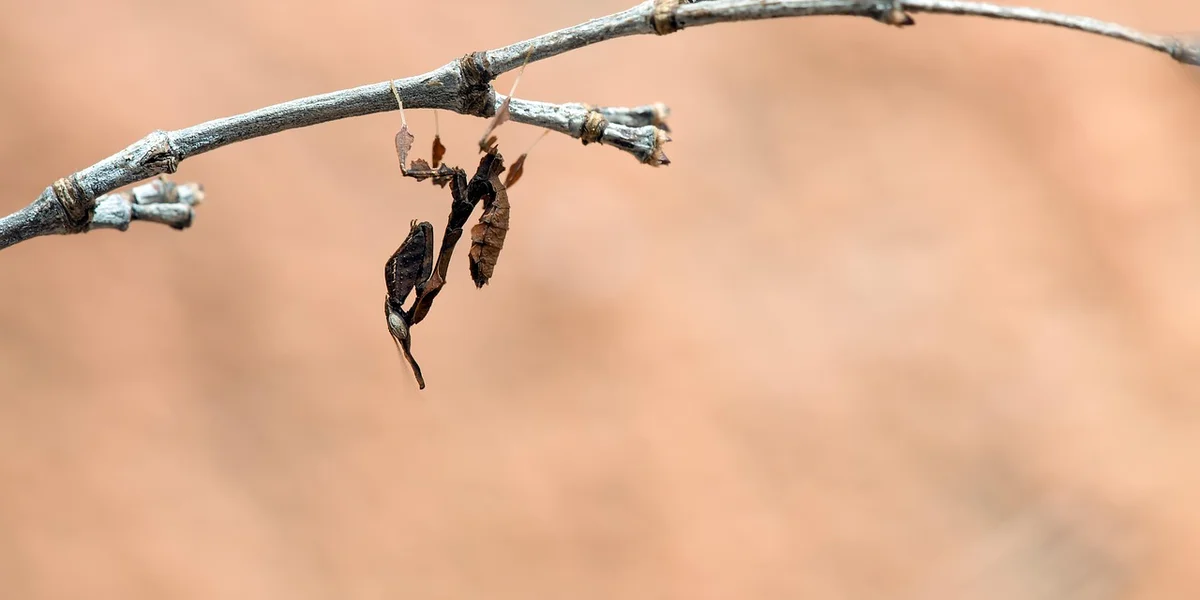
- Ghost Mantis (e.g., Luna): A compact 15x15x20cm enclosure works perfectly.
- Giant Asian Mantis (like Moss): Opt for a 30x30x30cm or larger space to accommodate growth.
Build your substrate in three straightforward layers to support plant life and drainage. Begin with a base that prevents water from pooling, which can lead to root rot or unhealthy conditions.
- Drainage layer: Spread expanded clay balls or small stones about 2-3cm deep at the bottom.
- Bioactive mix: Combine coco coir, organic soil, and a sprinkle of horticultural charcoal for filtration.
- Top planting layer: Add sphagnum moss or dried leaf litter to hold moisture and anchor plants.
For setups that need consistent humidity, blend coco coir with peat-free compost. This mix keeps roots happy and provides a steady source of nutrients for your greenery.
Selecting Live Plants and Microfauna
Opt for plants that are safe, low-maintenance, and thrive in similar conditions as your mantis. Pothos and ferns are top picks because they adapt well to the shade and moisture of an enclosure. These safe plants for mantis enclosure help create a natural, low-stress environment for your mantis, offering cover and perches that support natural behavior. They also assist with humidity regulation in the enclosure.
- Pothos: Resilient and fast-growing; water when the topsoil feels dry to the touch.
- Ferns: Prefer evenly moist soil; mist them lightly every few days.
- Spider plants: Harmless and help improve air quality with minimal care.
Add a cleanup crew to manage organic waste and prevent mold buildup. Isopods and springtails are nature’s janitors, quietly breaking down leftovers and keeping the substrate fresh.
- Isopods: Introduce a small group into the substrate; they reproduce slowly and help aerate the soil.
- Springtails: Scatter them over the surface; they excel at consuming fungi and decaying matter.
When adding microfauna, lightly mist the enclosure to help them settle in. In Sprig’s home, I noticed springtails tackling mold patches within a week, making the space cleaner and healthier.
Step-by-Step Guide to Building Your Enclosure
Building a bioactive home for your mantis feels like crafting a tiny, living world—one where every layer supports health and harmony. We start with a solid foundation to ensure excess water has somewhere to go, much like setting the stage for a thriving mini-ecosystem. When weighing bioactive versus sterile enclosures, the right choice depends on your mantis and your maintenance style. A bioactive setup can benefit from natural cleanup creatures, while a sterile setup offers tighter control over variables.
- Start with the drainage layer: use materials like clay balls or gravel. Clay balls, or LECA, are our top pick because they’re lightweight, porous, and create an airy base that stops water from pooling at the bottom. Spread them about an inch deep; this space acts as a reservoir, keeping roots dry and happy.
- Add substrate layers, ensuring proper depth for plant roots and microfauna. A mix of coco coir, orchid bark, and sphagnum moss gives your plants something to grip while offering hiding spots for tiny clean-up crews. Aim for two to three inches of substrate-this depth lets roots spread and microfauna burrow without disturbance.
- Plant live specimens, arranging for climbing and hiding spots. Choose sturdy plants like pothos or bromeliads that can handle a mantis’s occasional perch, and position them to create vertical pathways and cozy nooks. From our time with Moss, his Giant Asian mantis enclosure came alive when we added trailing vines he could explore between meals.
- Introduce microfauna and lightly mist to activate the system. Springtails and isopods are brilliant little helpers that break down waste, and a gentle misting wakes them up to start their work. Use a spray bottle with dechlorinated water-just enough to dampen the surface without soaking it.
Setting Up Climate Control: Humidity, Temperature, and Ventilation
Getting the climate right means your mantis stays comfortable and active, much like finding the perfect spot in a sun-dappled garden. Most mantis species thrive in humidity levels between 50% and 70%, with temperatures hovering around 20-25°C (68-77°F). However, different mantis species may prefer different temperature and humidity ranges, so it’s important to look up species-specific care. Tailoring the environment to the exact species helps keep them healthy and active.
- Detail ideal humidity and temperature ranges for common mantis species. For instance, Luna, our Ghost Mantis, prefers a slightly higher humidity near 60-70%, while Sprig the Orchid Mantis does well with moderate warmth and consistent moisture. Keep a close eye on these ranges to mimic their natural habitats.
- Explain how to balance ventilation with misting to prevent mold. We use mesh lids or small vents to allow air flow, misting once or twice daily to maintain humidity without letting condensation build up. This balance keeps the enclosure fresh and mold-free, much like a breezy greenhouse.
- Suggest simple tools like hygrometers and adjustable lids. A digital hygrometer tucked inside the enclosure gives you real-time readings, and lids with sliding covers let you fine-tune ventilation as needed. These tools are affordable and make daily checks a breeze.
Lighting and Safety Considerations
Lighting should nurture both plants and your mantis, without any risk of overheating or stress. Low-heat LED lights are ideal because they provide full-spectrum light for plant growth while keeping the enclosure cool and safe, especially for praying mantises.
- Recommend low-heat LED lights for plant growth and mantis comfort. Set them on a timer for about 12 hours a day to simulate a natural day-night cycle, encouraging healthy behaviour in your mantis. We’ve found that this routine helps mantises like Moss stay alert and active.
- Highlight safety tips: secure lids, non-toxic plants, and avoiding sharp decor. Always opt for tight-fitting lids to prevent escapes, choose plants verified as pet-safe, and sand down any rough edges on branches or decor. This attention to detail ensures your mantis explores without harm.
Introducing and Maintaining Your Bioactive System
Once your enclosure is set up, a gentle introduction and consistent care keep everything in balance. We let the plants and microfauna settle in for about a week before adding your mantis, giving the ecosystem time to stabilise. Rushing the introduction or neglecting the settling period is a common mistake beginners make. Taking this time to establish the habitat helps prevent stress and imbalance in your first mantis setup.
- Describe how to acclimate plants and microfauna before adding your mantis. Place new plants in the enclosure with regular misting, and introduce springtails or isopods to let them establish colonies. This waiting period reduces stress and helps the clean-up crew get to work.
- Outline a maintenance schedule: daily checks for humidity, weekly spot cleaning. Each day, we quickly mist and glance at the hygrometer, and once a week, we remove any uneaten prey or debris to keep things tidy. This routine prevents issues before they start and keeps the enclosure smelling earthy and fresh.
- Include feeding advice: how to offer prey without disrupting the ecosystem. Use soft-tipped tweezers to hand-feed insects like fruit flies or small crickets, placing them directly near your mantis to avoid startling the microfauna. From feeding Sprig, we learned that this method minimises waste and keeps the bioactive balance intact.
Troubleshooting Common Issues
Even the most carefully planned bioactive setup can face small challenges. Seeing a problem is not a failure-it is your enclosure communicating its needs to you. We treat these moments as quiet conversations with our tiny ecosystems.
Managing Mold Outbreaks
A sudden fuzzy white or grey patch can be alarming, but mold is a natural part of the decomposition process. Small, isolated spots are often harmless and will be quickly consumed by your cleanup crew. Our Ghost Mantis, Luna, once had a small bloom on a piece of cork bark that the springtails cleared within two days.
- Increase ventilation by slightly adjusting the lid or adding more mesh panels.
- Add more springtails; they are voracious mold consumers.
- Reduce misting frequency for a day or two to lower surface moisture.
- Manually remove large patches with a cotton swab if they persist.
Controlling Pest Infestations
Sometimes, other small insects like fungus gnats or mites may appear. Most are simply a nuisance and pose no direct threat to a healthy mantis. Moss, our Giant Asian Mantis, often watches them fly by with what we can only describe as mild curiosity.
- Place yellow sticky traps on the outside of the glass to catch flying gnats.
- Allow the top layer of substrate to dry out more between waterings to disrupt gnat life cycles.
- Introduce predatory soil mites (Hypoaspis miles) if infestations are severe; they are harmless to mantises.
- Check any new plants thoroughly before introducing them to the enclosure.
Reviving Poor Plant Health
If your plants begin to yellow, wilt, or drop leaves, it’s a sign the environment isn’t quite right for them. Plant health is a direct reflection of the overall balance in your terrarium. The soft pink orchids in Sprig’s enclosure once drooped when our lighting schedule was slightly off.
- Assess light levels; most terrarium plants need bright, indirect light for 10-12 hours daily.
- Check for waterlogged roots; poor drainage can cause root rot.
- Ensure the plants you selected are suited for the specific humidity your mantis species requires.
- Trim away dead or dying leaves to encourage new growth and prevent mold.
The key to all these solutions is gentle, incremental change. Sudden, drastic adjustments can shock the delicate balance you have worked so hard to build. Observe for a day or two after each small tweak. You will learn to read the subtle signs-the way the springtails gather, the firmness of a plant’s stem, the earthy scent of healthy soil-that tell you your miniature world is thriving.
Questions from Fellow Mantis Friends
What humidity level is ideal for a bioactive mantis enclosure?
Most mantis species thrive in humidity levels between 50% and 70%, which supports their health and the live plants. Use a hygrometer to monitor and adjust with light misting as needed to maintain this range. To set up the perfect humidity level in your praying mantis enclosure, start with the 50–70% target. Then adjust with gentle misting as needed and verify with a hygrometer.
What temperature range should a bioactive mantis enclosure maintain?
Aim for a temperature range of 20-25°C (68-77°F) to keep your mantis active and the plants healthy. Consistent warmth within this range mimics their natural habitat and promotes overall ecosystem balance, especially avoiding temperature extremes.
What ventilation is recommended for a bioactive mantis enclosure?
Use mesh lids or small vents to ensure adequate air flow, which helps prevent mold and stagnant air. Proper ventilation balances humidity levels and keeps the enclosure environment fresh for your mantis and microfauna. Learn how to properly ventilate a praying mantis enclosure for best results.
Caring for Your Mantis in a Living World
Creating a bioactive home means layering a rich substrate, choosing resilient plants like pothos or ferns, and introducing tiny custodians such as springtails to handle waste. A well-balanced enclosure not only supports your mantis’s health but also brings a slice of the wild right into your room, with earthy scents and gentle humidity that make care feel natural.
We encourage every keeper to observe their mantis closely-notice how Luna might bask after a misting or how Sprig explores new leaves-and let those moments guide your learning. Staying attentive and open to new insights ensures your pet thrives, turning each day into a quiet lesson in responsible, joyful mantis guardianship.
Further Reading & Sources
- Bio-Active Supplies Insectarium, Vivarium, Terrarium, Mantis Keepers – USMANTIS
- Bioactive Balance Sustainable Happiness – USMANTIS
- A Modern Take on a Praying Mantis Enclosure – Phil Torres
- r/terrariums on Reddit: My bioactive praying mantis terrarium!
Rowan Hale is a lifelong insect enthusiast who fell in love with mantises for their calm presence, alien elegance, and surprising personalities. After years of keeping and raising a variety of species, Rowan shares practical tips, creative insights, and real-world experience to help others enjoy the quiet magic of mantis care. From setting up the perfect enclosure to understanding their subtle behaviors, Rowan invites readers into a gentle, curious world where every tiny movement feels like a discovery.
Substrate Options