
Hello fellow mantis friend. Have you ever noticed your mantis become unusually still on a cool day, or seen it pacing restlessly when the sun warms its enclosure? These small shifts in behaviour are often the first whispers of a temperature problem.
If a mantis gets too cold, its metabolism slows to a crawl, leading to lethargy, refusal to eat, and a high risk of fatal illness; if it gets too hot, it can become severely dehydrated, stressed, and suffer from heat prostration. The health of your mantis is intrinsically tied to the warmth of its home.
Temperature regulation is a delicate art, not a simple switch. It influences everything from digestion and growth to the very rhythm of their lives. In this guide, we’ll explore the subtle signs and practical solutions to keep your mantis perfectly comfortable.
Here are the key things we’ll cover:
- The specific temperature ranges different mantis species need to thrive.
- Clear behavioural and physical signs of a mantis that is too cold or too hot.
- Simple, immediate steps you can take to correct an unsafe temperature.
- How to create a stable, reliable environment to prevent future issues.
Understanding Your Mantis’s Temperature Tolerance
Each mantis species has its own comfort zone, shaped by its natural habitat. Common pet mantises like the Ghost Mantis thrive between 20-28°C, whilst the Giant Asian prefers a warmer 24-32°C range. Orchid Mantises need steady warmth around 25-30°C to stay healthy and active. Humidity also varies by species, and different mantises require different moisture levels to molt and thrive. By balancing both temperature and humidity to each species’ natural range, you can provide proper care.
- Below 15°C, most species become sluggish and may stop eating entirely.
- Above 35°C, heat stress can cause dehydration and rapid decline.
- Prolonged exposure to 5°C or lower often leads to fatal cold shock.
Wild mantises use clever tricks to survive harsh weather. Many enter diapause, a dormant state similar to hibernation, to wait out frost or extreme heat, especially during winter. In our care, we must provide stable environments since pet mantises rarely experience these natural cycles. (Learn more about their winter behavior and survival).
How Cold Temperatures Affect Mantis Health
-
Cold slows your mantis’s metabolism and breathing rate dramatically. This makes them lethargic, much like how we feel drowsy and slow on a frosty morning. From watching Moss, our Giant Asian Mantis, we’ve seen his movements turn deliberate and infrequent when the room cools. This connects to the question of how temperature affects a mantis’s growth and development. Within their natural or captive ranges, warmer temperatures can speed up metabolism and growth, while cooler temperatures slow development and molting.
-
Molting and feeding suffer greatly in the cold. Molting requires warmth to soften the old exoskeleton, and cold conditions can cause stuck sheds or deformities. Feeding drops off too, as their digestive systems struggle to process food without sufficient heat.
-
Sudden cold changes are especially risky. Mantises need gradual acclimation to adjust, and abrupt drops can overwhelm their systems. A quick shift from warm to cold might leave them unable to recover, so we always aim for steady, gentle transitions.
The Impact of Heat Stress on Your Pet Mantis
-
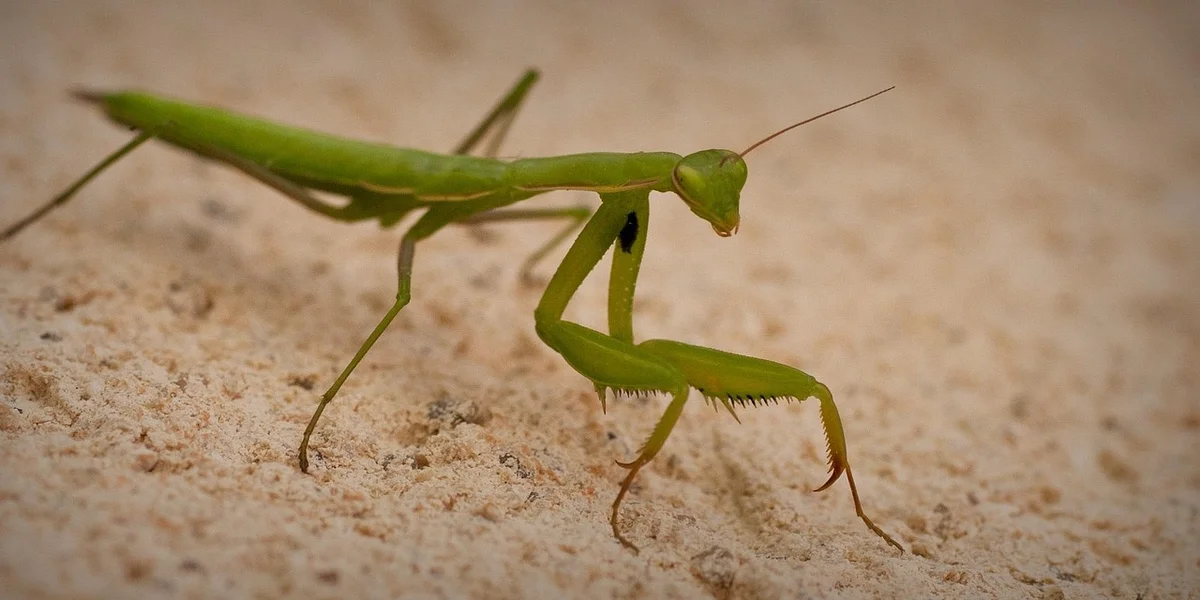
Overheating kicks your mantis’s metabolism into high gear, much like a small motor running too fast, which rapidly depletes its internal water reserves. This metabolic surge leads directly to dehydration, where the body loses essential fluids, and desiccation, which dries out the delicate exoskeleton, leaving it fragile and cracked. We’ve watched our mantis Moss become unusually restless on warm days, his emerald body seeming to work overtime until we cooled his space.
-
Key signs of heat stress include rapid respiration-visible as quick abdominal movements-and a sharp drop in normal activities like hunting or exploring. Your mantis might appear lethargic, spending more time motionless in an effort to conserve energy and reduce heat production. Other indicators are a lack of appetite and a preference for shaded spots away from direct light.
-
Heat stress doesn’t just affect daily behavior; it can interfere with mating, reproduction, and developmental stages. Females may lay fewer oothecae or produce eggs that fail to hatch, while males might show reduced interest in courtship, impacting breeding success. For juveniles, elevated temperatures can accelerate growth but result in weaker adults with compromised health.
Recognizing Signs of Temperature Stress
-
For cold stress, observe physical and behavioral clues such as slight shivering tremors, color changes like a darker shade to absorb heat, and refusal to eat even when prey is nearby. These signs indicate your mantis is too cold and struggling to maintain its body temperature, requiring prompt warming measures. Our Ghost Mantis Luna once turned a deeper brown and stopped feeding during a chilly spell, reminding us to check her enclosure’s heat source.
-
Heat stress symptoms include panting-seen as rapid mouth movements-actively seeking cooler, shaded areas in the habitat, and overall lethargy with slowed reactions. A mantis experiencing overheating will often avoid warm spots and may seem unresponsive, as it tries to minimize internal heat buildup. This behavior helps it cope with the stress but signals a need for temperature adjustment.
-
Photoperiod and humidity interact closely with temperature cues, influencing how your mantis responds to stress. Shorter daylight hours combined with low humidity can intensify cold effects, while high humidity might delay recognition of heat stress, so always assess these factors together for a balanced environment. Monitoring all elements ensures your pet stays comfortable and healthy through seasonal changes.
Immediate Steps to Help a Temperature-Stressed Mantis
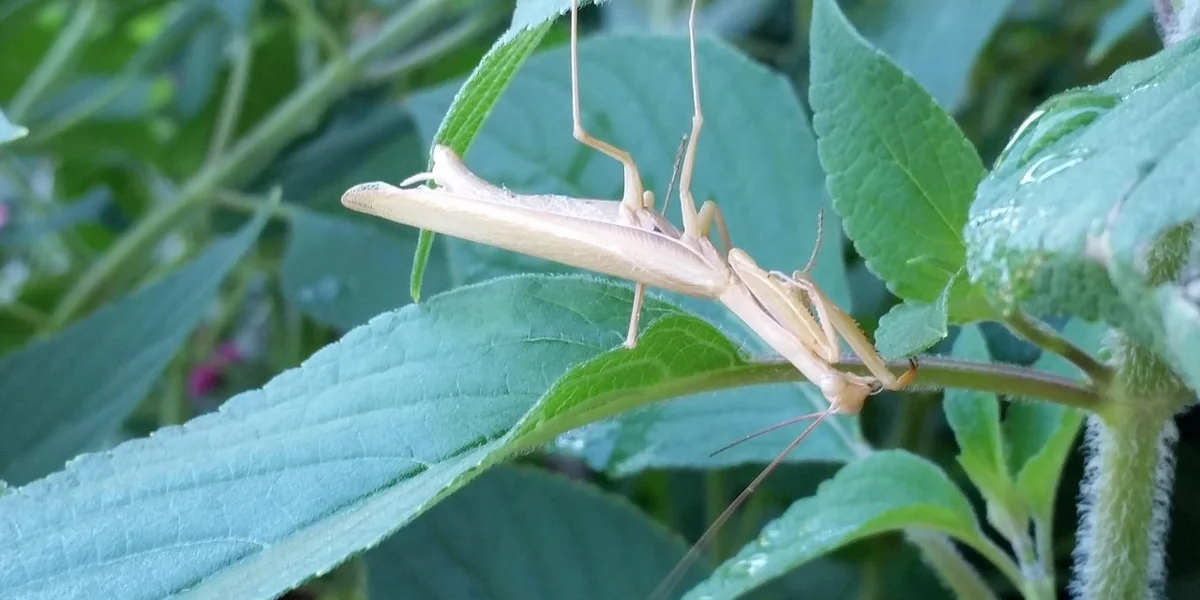
When your mantis shows signs of temperature stress, acting calmly and steadily makes all the difference. We always approach this with a gentle hand, much like how we’d soothe a nervous friend in a sudden chill or heatwave. You can tell a mantis is stressed by behavioral cues like guarding posture, rapid head movements, or reduced feeding, also known as praying mantis stress signs. Watching for these signs helps you adjust conditions and handle more calmly.
- For a mantis that’s too cold, start by moving its enclosure to a warmer room away from drafts, such as a kitchen or living area with consistent warmth. Next, fill a spray bottle with water that feels lukewarm to your wrist-never hot-and mist the habitat lightly to raise humidity and warmth gradually. Finally, place a small towel over part of the enclosure to trap gentle heat, checking on your mantis every 10-15 minutes until it becomes more active.
- If your mantis is overheating, relocate its home to a cooler spot like a shaded corner or a basement with better air circulation. You can also set up a small fan on low speed several feet away to encourage airflow without creating a strong draft. Lightly misting with room-temperature water helps cool the air around your mantis, but avoid drenching the enclosure to prevent sudden chills.
- Avoid any rapid temperature swings, as these can send your mantis into shock, much like jumping into icy water after basking in the sun. Slow, mindful adjustments give your mantis time to acclimate safely, reducing stress on its delicate system.
With Luna, my Ghost Mantis, I’ve seen how a gradual warm-up with a soft water spray can ease her out of a cold-induced stillness, her frills slowly unfurling as warmth returns. Patience here is your best tool, letting nature’s rhythms guide the recovery.
Preventing Temperature Issues in the Mantis Habitat
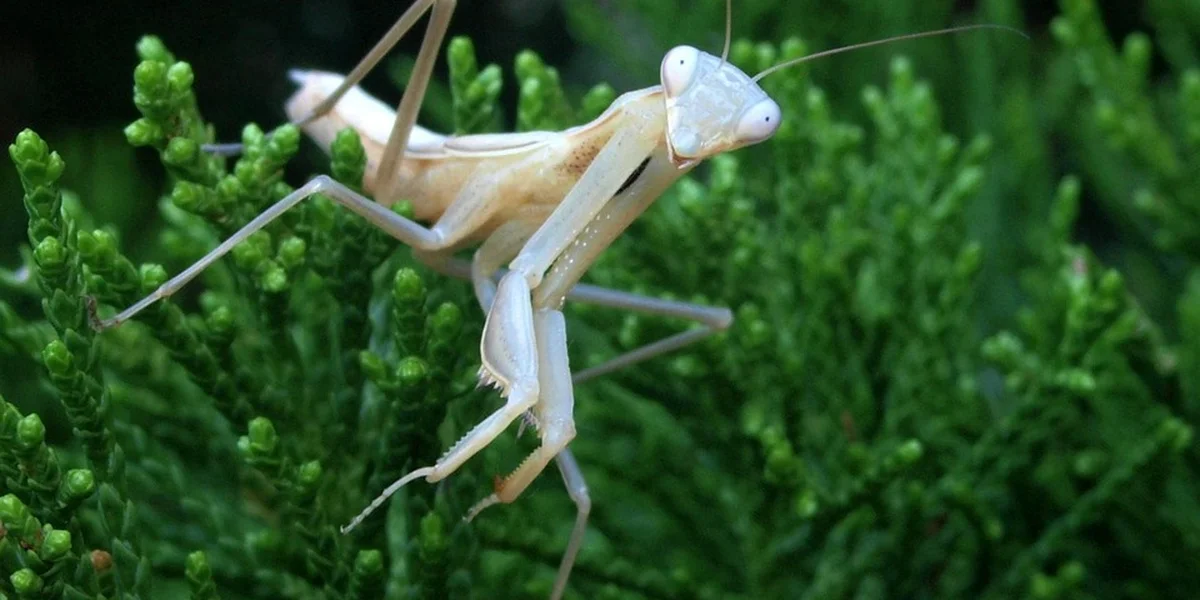
Keeping your mantis’s environment stable is key to its well-being, much like tending a miniature greenhouse where every degree matters. We aim for a steady climate that mimics their natural habitats, avoiding the rollercoaster of indoor temperature shifts. This is essential when trying to create a naturalistic and safe habitat for your mantis.
- Most common pet mantises, such as Ghost or Giant Asian species, thrive in temperatures between 22°C and 28°C (72°F to 82°F) for healthy growth and daily activity. Juvenile mantises may prefer the warmer end of this range to support molting, while adults can tolerate slight variations if changes are gradual.
- Insulate enclosures by wrapping the sides with bubble wrap or a thin cloth during colder months, and use a low-wattage heating pad placed under one side of the tank to create a warm zone. For cooling, position the habitat away from direct sunlight and windows, and add a small dish of water or a damp sponge to evaporate and naturally lower temperatures.
- Products like thermostat-controlled heat mats, digital thermometers, and hygrometers help maintain stable conditions, while natural methods include grouping plants inside the enclosure for shade or using ceramic tiles to absorb and radiate gentle warmth. Combining these approaches ensures your mantis enjoys a consistent microclimate, free from sudden spikes or drops.
Moss, my energetic Giant Asian Mantis, stays vibrant when I pair a thermostat with his heat mat, letting him bask without risk of overheating. Regular checks with a simple thermometer can prevent most issues before they start, giving you peace of mind.
When to Seek Expert Advice for Your Mantis
-
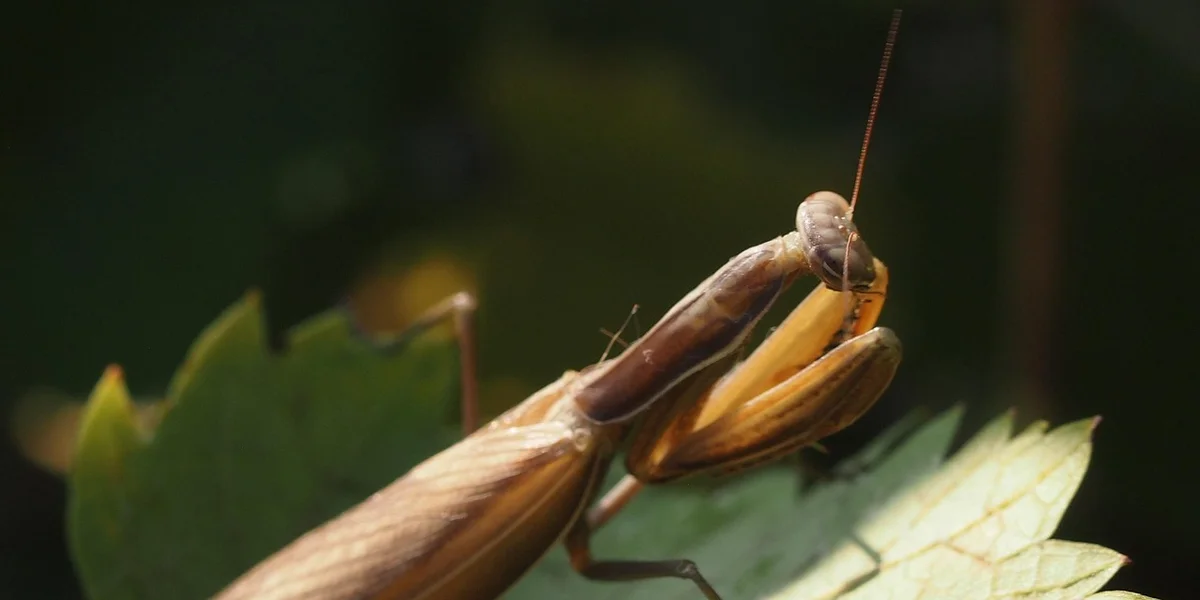
If your mantis remains unusually still or sluggish for more than a day-like Luna, our ghost mantis, who once stayed motionless for 48 hours despite a warmed enclosure-it’s a sign to contact a vet or experienced keeper. Persistent lethargy often points to underlying health issues that need professional diagnosis. Watch for failed molts, where the old skin clings stubbornly, risking injury or dehydration; we’ve gently assisted Moss during tricky sheds, but if the mantis seems stuck or distressed, expert guidance prevents harm. Other red flags include refusal to eat for over three days, visible swelling, or labored breathing-these aren’t typical and warrant a specialist’s eye.
-
For minor temperature wobbles, like a brief shiver after a cool night or a temporary loss of appetite, you can often soothe your mantis at home with careful adjustments. Most small scares resolve quickly once you restore the right warmth or humidity, much like how Sprig perks up after a gentle misting. If your mantis starts moving and eating within hours of tweaking its habitat, it’s usually fine to monitor without panic. We’ve found that steady observation and simple fixes-like moving the enclosure away from drafts-handle many everyday worries confidently. If concerns persist, check the ultimate mantis health troubleshooting checklist for ‘why my mantis sick’. It helps pinpoint whether the issue is temperature, humidity, feeding, or enclosure stress.
Common Mantis Queries
What adaptations help mantises cope with temperature extremes?
Mantises use behavioral adaptations like changing their posture or location to manage heat absorption and loss. Some species can enter diapause, slowing their metabolism to endure seasonal extremes.
How does sudden temperature change affect mantises?
Sudden drops or spikes in temperature can shock a mantis’s system, leading to stress or inability to acclimate. This may cause lethargy, failed molts, or even death if not corrected promptly.
How does temperature influence mantis mating and reproduction?
Consistent warmth is crucial for mantis courtship and successful egg development. Temperature fluctuations can disrupt mating behaviors and result in infertile oothecae or reduced hatch rates. Understanding common problems and practical solutions for mantis egg hatching helps improve outcomes. Addressing temperature stability, humidity, and handling can boost hatch rates.
Helping Your Mantis Stay Cosy and Safe
Keep a close eye on your mantis’s habitat temperature, using simple tools like a thermometer and adjusting with gentle heat pads or cooler spots as needed. Act quickly if you spot sluggish movements or color changes, as these are early warnings that your pet might be struggling with the climate. If you notice signs of stress, it’s a good cue to evaluate whether the habitat needs adjustments. Often, correcting temperature, humidity, and space can help restore comfort and reduce stress.
Responsible mantis care grows from daily observation and a willingness to adapt your methods over time. We find that chatting with other keepers and reading up on species-specific needs makes the journey with your mantis even more rewarding. Understanding essential habitat requirements helps keep a healthy praying mantis. Proper space, humidity, and temperature tailored to the species support long-term health.
Further Reading & Sources
- Mantis Care “For Dummies” – USMANTIS
- All About Praying Mantises, Climate, and Temperature – Insect Lore
- Lowest acceptable temperatures? | Mantid Forum – Mantis Pet & Breeding Forum
- Praying Mantis Care Guide | Ely Exotics
Rowan Hale is a lifelong insect enthusiast who fell in love with mantises for their calm presence, alien elegance, and surprising personalities. After years of keeping and raising a variety of species, Rowan shares practical tips, creative insights, and real-world experience to help others enjoy the quiet magic of mantis care. From setting up the perfect enclosure to understanding their subtle behaviors, Rowan invites readers into a gentle, curious world where every tiny movement feels like a discovery.
Temperature and Humidity