
How to Choose an Enclosure for Your Praying Mantis Species
Hello, mantis friend. Watching a praying mantis is like observing a living piece of origami, every delicate fold and quiet movement a marvel. But that intricate beauty needs the right stage-a home where it can thrive, not just survive.
The perfect mantis enclosure isn’t a one-size-fits-all container; it’s a carefully considered habitat tailored to your specific species’ size, behaviour, and environmental needs.
Getting this choice right is a wonderfully detailed puzzle, blending biology with a bit of interior design for tiny architects. We’ll walk through it all together, starting with the core elements you need to consider.
- Your mantis’s adult size and hunting style.
- The critical balance of ventilation and humidity.
- The type and amount of climbing space required.
- How to match the enclosure to the mantis’s natural instincts.
Understanding Your Mantis Species’ Unique Needs
-
Knowing your mantis species lets you recreate its natural home, which keeps it healthy and happy.
Each species has evolved for specific climates, so matching those conditions prevents stress and supports natural behaviors.
-
Common mantis species and their native habitat traits include:
- Ghost Mantis (Phyllocrania paradoxa): Hails from African forests, where it blends into leaf litter with its muted browns and delicate frills.
- Giant Asian Mantis (Hierodula membranacea): Originates in warm, humid parts of Asia, often found in lush gardens and wooded areas.
- Orchid Mantis (Hymenopus coronatus): Native to Southeast Asian rainforests, it mimics flowers in high-humidity, shaded spots.
- Chinese Mantis (Tenodera sinensis): Adapts to temperate zones like fields and gardens, tolerating cooler, drier conditions.
- European Mantis (Mantis religiosa): Thrives in meadows and shrubs across Europe, preferring moderate humidity and warmth.
These habitat traits directly influence the enclosure setup, from moisture levels to climbing structures.
-
Species Humidity (%) Temperature (°C) Space Requirements Ghost Mantis 60-80 22-28 Tall, with vertical space for hanging Giant Asian Mantis 50-70 24-30 Spacious, with room for active movement Orchid Mantis 70-90 25-30 Moderate height, with foliage for hiding Chinese Mantis 40-60 20-27 Larger floor area for hunting European Mantis 50-70 20-26 Well-ventilated with climbing options This table helps you quickly match your mantis to its ideal living conditions, avoiding guesswork.
-
My Ghost Mantis, Luna, taught me how species quirks shape enclosure needs; her delicate, leaf-like body thrives in a humid, softly lit tank that mimics her African origins.
Observing Moss, my energetic Giant Asian Mantis, reminded me that active species demand taller enclosures for climbing and exploring.
With Sprig, the shy Orchid Mantis, I learned that high humidity and plenty of floral-like perches are non-negotiable for her well-being.
Selecting the Right Enclosure Size and Type
-
Measure your mantis from head to tip of abdomen, then choose an enclosure at least three times its length in height and twice in width for ample climbing and molting space. For a budget-friendly DIY option, repurpose everyday materials like a clear storage box, screen mesh, and non-toxic sealant to create a suitable enclosure that fits these dimensions.
Juveniles need smaller setups to feel secure, while adults require more room to stretch and hunt comfortably.
-
Glass enclosures hold humidity well, making them ideal for species like Orchid Mantises, but they can be heavy and prone to condensation buildup.
Screen cages offer excellent ventilation for dry-climate mantises, yet they may let humidity escape too quickly for tropical types.
Plastic containers are lightweight and easy to clean, perfect for beginners, though they might not provide the sturdy feel some mantises prefer.
-
Enclosure height is vital because mantises hang upside down to molt, and insufficient space can lead to failed sheds or injuries.
Tall setups encourage natural climbing instincts, reducing stress and promoting healthy activity levels.
-
Start with a small deli cup or similar container for nymphs, ensuring it has ventilation holes and a secure lid.
Upgrade to a mid-sized terrarium as your mantis reaches subadult stage, adding more vertical elements for growth.
Transition to a full-sized adult enclosure once molting is complete, checking that all fittings are escape-proof and comfortable.
Regularly assess space needs after each molt, as rapid growth might require quicker upgrades for species like the Giant Asian Mantis.
Balancing Ventilation and Humidity for Healthy Air Flow
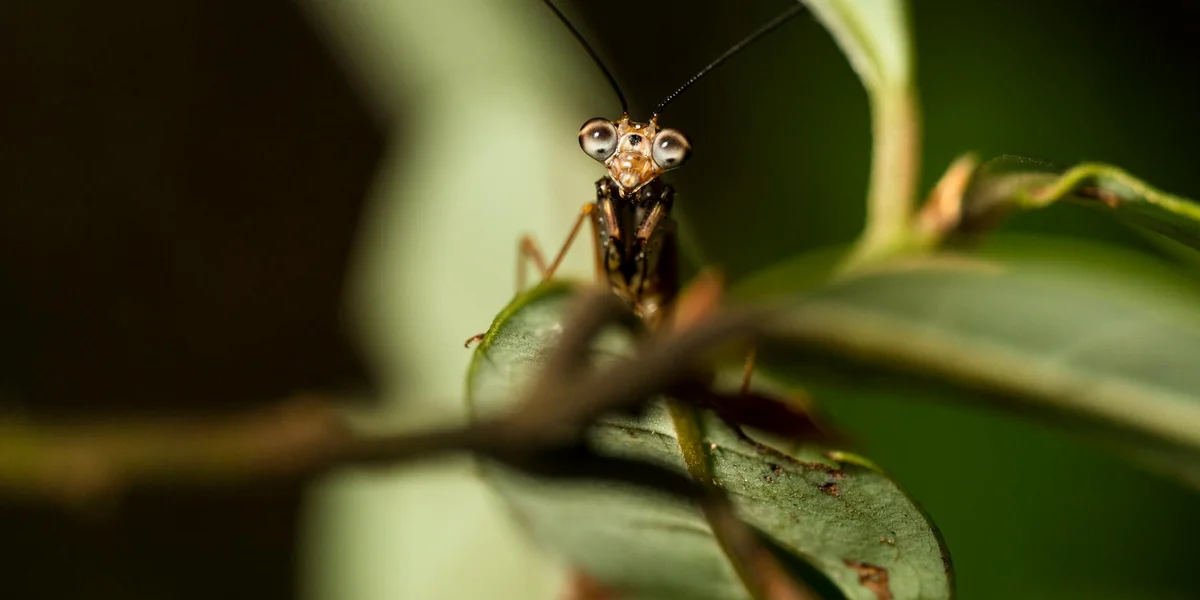
Good air flow begins with choosing the right mesh for your mantis enclosure. Mesh size and placement directly influence how fresh air circulates, preventing stuffiness that can stress your pet. It’s just one aspect of proper ventilation in a praying mantis enclosure. Fine mesh on the sides or top encourages gentle cross-ventilation, much like a soft woodland breeze, while larger gaps might let in too much dry air.
Different species need unique humidity levels to stay healthy. Temperature and humidity ranges vary by species, so tailor conditions to your mantis’s native climate. Maintain species-specific humidity by selecting methods that match your mantis’s natural habitat. For our Ghost Mantis Luna, we use a combination of light misting and a small water dish to mimic her tropical home.
- Light daily misting with lukewarm water boosts moisture without drenching the enclosure.
- Place a shallow water dish or damp sponge in a corner to slowly release humidity.
- Adjust mesh coverage-partially cover vents for species that prefer higher humidity, like orchid mantises.
- Group plants together to create microclimates that hold moisture near climbing surfaces.
Preventing mold is key when keeping the environment moist. Balance humidity with ample ventilation to stop mold spores from taking hold on damp surfaces. We opt for substrates like coconut fibre that absorb excess water and dry evenly between mistings.
Follow these steps daily to mist and monitor humidity accurately. Consistent routine checks help you spot changes before they affect your mantis’s health. Our Giant Asian Mantis Moss perks up when we follow this simple process.
- Fill a clean spray bottle with distilled or filtered warm water.
- Lightly mist the enclosure walls and decor early in the day, avoiding direct sprays on your mantis.
- Use a hygrometer to check humidity levels, aiming for your species’ ideal range-often 50-70% for many types.
- Note any condensation; wipe it away if it builds up to reduce mold risk.
- Adjust misting frequency based on readings, misting more in dry climates or less in humid ones.
Setting Up a Safe and Stimulating Interior
Start with a suitable substrate to create a comfortable base for your mantis. Coconut fibre holds moisture well for species that need higher humidity, while paper towel is easy to replace and ideal for beginners. We use coconut fibre for Sprig, our Orchid Mantis, as it helps maintain the dampness she loves.
- Coconut fibre: Natural, absorbent, and great for burrowing species or humid setups.
- Paper towel: Simple to clean, reduces mold risk, and works well for juvenile mantises.
- Sphagnum moss: Adds extra moisture retention but needs frequent checking for mold.
Include safe climbing surfaces to encourage natural behaviors. Twigs, nets, or bamboo give your mantis secure perches for molting and hunting. Our mantises enjoy exploring fresh branches we collect from pesticide-free gardens. These are among the best enrichment items for a praying mantis habitat, offering varied textures and heights that encourage natural climbing and hunting behaviors. They also help mimic a more natural environment and keep your mantis engaged.
- Twigs from oak or maple: Sturdy and non-toxic, providing varied heights for climbing.
- Plastic or fabric nets: Easy to sanitize and offer flexible resting spots.
- Bamboo shoots: Smooth and durable, reducing the chance of splinters that could harm delicate feet.
Compare live plants and artificial foliage to decide what suits your setup. Live plants like pothos or ferns boost humidity and air quality, but artificial options are low-maintenance and mold-resistant. We mix both in our enclosures-live plants for Moss’s habitat and silk leaves for Luna’s simpler space.
- Live plants: Enhance humidity, look natural, but require light and can introduce pests if not quarantined.
- Artificial foliage: Easy to clean, won’t wilt, and come in shapes that mimic mantis hiding spots.
Focus on prey safety to avoid injuries during feeding times. Offer appropriately sized prey that can’t fight back, reducing stress and harm to your mantis. We always hand-feed smaller insects to our juveniles to prevent accidental bites. Be aware that some insects can be poisonous. If ingested, toxins can harm a mantis, so avoid poisonous prey.
- Choose prey smaller than your mantis’s head, like fruit flies for nymphs or crickets for adults.
- Avoid hard-shelled insects that might damage your mantis’s mouthparts during consumption.
- Monitor feeding sessions to ensure the prey is consumed quickly, removing uneaten insects to prevent attacks.
DIY and Affordable Enclosure Ideas
-
Transforming a mason jar into a temporary home is a simple, cost-effective project. Begin by selecting a clean, label-free jar and washing it with warm, soapy water to remove any residues. Use a nail and hammer to carefully punch small holes in the lid for ventilation-this allows air flow while keeping your mantis securely inside.
Add a thin layer of substrate like damp paper towel or coconut fiber to the jar’s base. This provides grip and helps maintain humidity, creating a comfortable micro-environment. Insert a small, sanitized twig or branch for climbing, as mantises love to perch and observe their surroundings.
Place the jar in a stable, shaded spot away from direct sunlight. Glass can heat up quickly, so monitor temperatures to prevent overheating. Lightly mist the interior with water to keep humidity levels ideal for your mantis’s well-being.
-
Tulle fabric is an excellent choice for crafting custom mesh lids that ensure proper ventilation. You can find tulle at most craft shops-it’s affordable, fine-meshed, and prevents even tiny nymphs from escaping. Cut a piece to fit snugly over your enclosure’s opening.
Secure the tulle with a strong rubber band or a dab of hot glue around the edges. Make sure the mesh is taut to avoid sagging, which could create gaps. This DIY lid works wonderfully on plastic containers or jars, offering fresh air without compromising safety.
-
Shelf liner is a budget-friendly material that simplifies cleaning and upkeep. Choose a non-adhesive, washable liner to lay on the enclosure floor-it’s easy to wipe down or replace when soiled. This reduces mold risk and keeps the habitat hygienic with minimal effort.
Other inexpensive options include paper towels for disposable flooring or vinyl placemats for durability. Paper towels are perfect for quick changes, while placemats can be rinsed and reused. Both help maintain a clean space without straining your wallet.
-
Creating a naturalistic habitat with foraged branches and leaves adds beauty and enrichment. Gather branches from safe, pesticide-free trees like oak or willow, and rinse them thoroughly to remove dirt and pests. Let them dry completely before arranging them inside.
Arrange the branches to form multiple perches and hiding spots, encouraging natural behaviors. This helps create a naturalistic safe habitat your praying mantis can explore with confidence. It also supports natural behaviors like foraging and camouflage. Add dried leaves or moss for texture and humidity control—this mimics a mantis’s wild environment and makes the enclosure more engaging. My Orchid Mantis, Sprig, adored her foraged setup, often blending into the foliage like a living flower.
Maintaining an Escape-Proof and Easy-Clean Enclosure
-
Secure lids are essential for preventing escapes and ensuring your mantis’s safety. Opt for screw-on or clip-on designs that fit tightly, with no gaps for curious climbers to exploit. Regularly check the lid’s fit and reinforce it with extra clips if needed-my Giant Asian Mantis, Moss, once tested a loose lid, reminding me to stay vigilant.
-
Establish a routine maintenance schedule to keep the enclosure clean and odor-free. Remove uneaten prey and waste daily to prevent bacteria growth. Wipe down surfaces with a damp cloth weekly, and use a pet-safe disinfectant for monthly deep cleans to maintain a healthy environment.
-
Spot common hazards like sharp edges, loose wires, or unstable decorations promptly. Run your fingers along the interior to feel for rough spots, and sand them down if necessary. Secure any wobbly items to prevent injuries, ensuring your mantis can move about safely.
-
Perform quick weekly checks for mold, pests, or wear and tear. Inspect substrates and decor for changes, and address issues immediately. Schedule deep cleans every few months, replacing substrates and sanitizing the entire enclosure to reduce disease risk and keep your mantis thriving. Proper cleaning is essential for your pet mantis.
Questions from Fellow Mantis Friends
What is a praying mantis enclosure kit?
An enclosure kit is a pre-packaged set that includes essential items like a container, substrate, and decor for easy setup. It’s ideal for beginners who want a convenient, all-in-one solution to start their mantis habitat. When evaluating mantis habitats, it’s helpful to compare a DIY enclosure versus a commercial kit in terms of cost and customization. A quick cost-benefit breakdown can show you where you save or spend more, depending on your setup goals.
Where can I buy a praying mantis enclosure?
You can find enclosures at pet stores, online marketplaces like Amazon, or specialty exotic pet suppliers. Many hobbyists also source materials from craft stores or use DIY approaches for custom builds.
How is Reddit used for praying mantis enclosures?
Reddit communities, such as r/mantids, provide a platform for sharing photos and getting feedback on enclosure designs. Users often exchange tips and troubleshoot issues to create better habitats for their mantises.
Your Mantis’s Perfect Habitat Awaits
Select an enclosure that suits your mantis species’ size and natural habits to ensure they feel secure and content. These essential habitat requirements help ensure a healthy praying mantis. Always prioritize good ventilation and stable humidity levels, as these elements directly support their health and daily activities.
As responsible keepers, we must stay attentive to our mantis’s changing needs and behaviors over time. Continuing to learn and adapt your care approach will help your pet thrive and deepen your connection with these remarkable creatures.
Further Reading & Sources
- Housing A Praying Mantis & Mantis Enclosures | Bug Pets LTD
- Reptile Enclosures – Reptile Tanks, Terrariums & Cages | PetSmart
- A Modern Take on a Praying Mantis Enclosure – Phil Torres
- Praying Mantis Enclosure Diy
Rowan Hale is a lifelong insect enthusiast who fell in love with mantises for their calm presence, alien elegance, and surprising personalities. After years of keeping and raising a variety of species, Rowan shares practical tips, creative insights, and real-world experience to help others enjoy the quiet magic of mantis care. From setting up the perfect enclosure to understanding their subtle behaviors, Rowan invites readers into a gentle, curious world where every tiny movement feels like a discovery.
Terrarium Types