
Safe and Beneficial Plants for Your Praying Mantis Enclosure
Hello mantis friend! Picture your praying mantis as a tiny guardian of a miniature forest, its delicate movements harmonizing with rustling leaves and dappled light.
The safest and most beneficial plants for a praying mantis enclosure are non-toxic, sturdy species that replicate their natural habitat, offering climbing perches, hiding cover, and humidity support-like pothos, spider plants, and sturdy ferns.
Selecting the ideal greenery involves more than just aesthetics; it requires attention to toxicity, maintenance needs, and how each plant interacts with your mantis’s daily life.
Here’s a quick look at what we’ll cover:
- Why certain plants boost your mantis’s well-being and mimic wild environments
- Specific safe plant options and how to source them responsibly
- Simple steps to arrange plants for climbing, molting, and hunting ease
- Common risks to avoid, from pesticide residues to overly delicate foliage
Why Live Plants Make Your Mantis Enclosure Thrive
Live plants turn a basic setup into a lively home where your mantis can behave naturally and feel at ease. They mimic the wild habitats mantises come from, offering comfort and practical support that fake decorations simply can’t match.
- Natural camouflage lets your mantis blend into leaves and stems, reducing stress. Our Ghost Mantis, Luna, often perches motionless on a pothos leaf, her brown frills merging seamlessly with the plant.
- Sturdy perches give climbing species safe places to grip and rest. Moss, our Giant Asian Mantis, spends hours exploring spider plant tendrils, using them as his personal jungle gym.
- Humidity support comes from plants releasing moisture into the air. A well-placed fern can gently boost enclosure humidity, which is especially helpful in drier rooms.
- Molting assistance is provided by soft, flexible plant surfaces that won’t harm delicate new skin. When Sprig, our Orchid Mantis, shed last month, she chose a broad bromeliad leaf that supported her perfectly.
Choosing Safe and Non-Toxic Plants for Your Mantis
Climbing and Perching Plants
Opt for plants with strong, flexible stems that can handle your mantis’s weight and active movements. These species love to climb, and the right plants make their enclosure a dynamic space for exercise and exploration.
- Pothos offers thick, trailing vines that are easy for mantises to grasp. Its heart-shaped leaves create hiding spots, and it grows quickly in low light.
- Spider plant produces sturdy, arching leaves and baby plantlets that add vertical interest. It’s non-toxic and tolerates occasional nibbling without harm.
- Ivy provides dense, leafy coverage for mantises that enjoy seclusion. English ivy, in particular, has tough stems ideal for perching, though we recommend checking for pests before introducing it.
Humidity-Tolerant and Shedding-Friendly Plants
Select plants that thrive in moist conditions to help maintain steady humidity levels and support molting. These varieties hold moisture well and have gentle textures that won’t irritate soft new exoskeletons.
- Ferns like Boston or maidenhair fern have soft, feathery fronds that trap humidity. They create a microclimate that keeps the air comfortably damp for your mantis.
- Mosses such as sphagnum or sheet moss act like natural sponges, retaining water and providing a soft landing spot. We often line parts of the enclosure with moss to aid in successful sheds.
- Bromeliads feature rosette shapes that collect water at their bases, boosting local humidity. Their broad, smooth leaves are perfect for mantises to cling to during molting.
Herbal and Aromatic Options
Incorporate safe herbs to add subtle scents and visual variety without risking your mantis’s health. These plants are typically low-maintenance and can even help deter unwanted insects naturally. This supports a praying mantis-friendly garden by attracting beneficial insects and aiding natural pest control.
- Thyme emits a mild, earthy aroma and grows compactly in well-drained soil. It’s resilient and rarely attracts pests, making it a hassle-free choice.
- Basil has lush, fragrant leaves that are completely safe if touched or brushed against. It enjoys warmth and humidity, much like your mantis enclosure.
- Lavender offers a calming scent and insect-repelling properties. Its woody stems and purple flowers add a touch of colour, and it thrives with minimal watering.
Indoor vs. Outdoor Plant Considerations
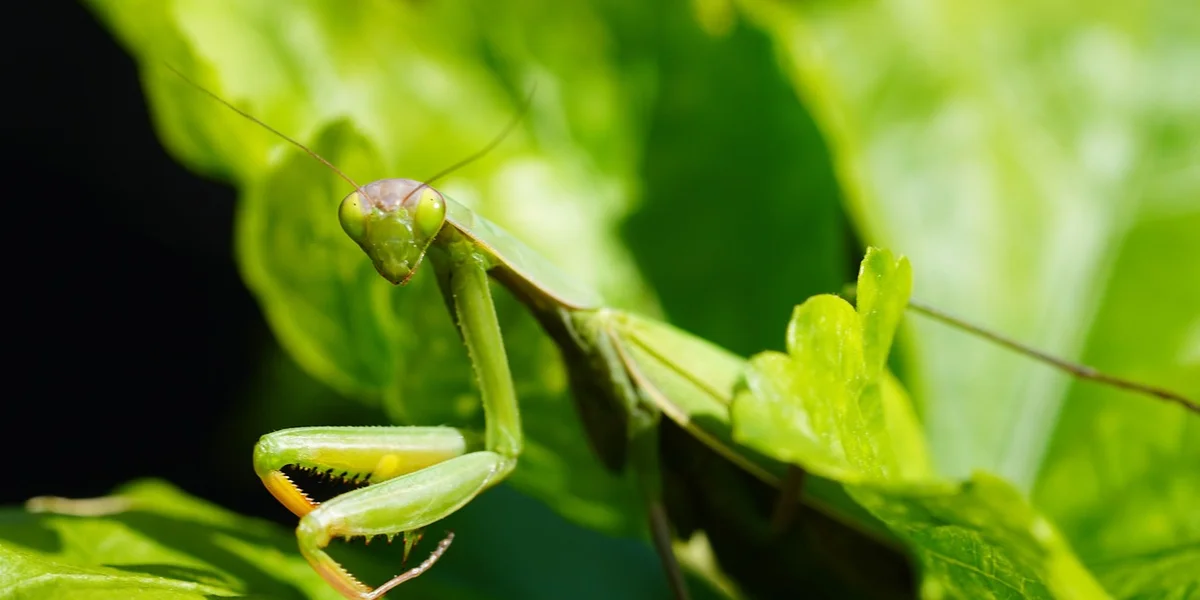
- For indoor terrariums, plants like pothos and philodendron are top picks because they handle low light and steady humidity beautifully. Their broad, lush leaves offer perfect perching spots, and their trailing vines create cozy hideaways that mantises adore. Indoor plants like these thrive in the consistent warmth and filtered light of a home setting, making them ideal for enclosed spaces.
- Outdoor enclosures suit hardy herbs like rosemary and sage, which can brave direct sun and temperature swings. Rosemary’s sturdy stems give mantises excellent climbing frames, whilst sage’s fragrant leaves naturally repel pests. Outdoor plants need to withstand elements like wind and rain while still providing shelter and hunting perches for your mantis.
Light, temperature, and humidity needs differ sharply between indoor and outdoor setups. Indoor plants prefer indirect light to avoid leaf scorch, temperatures around 20-25°C, and humidity levels of 50-70% to mimic a tropical feel. Outdoor plants demand several hours of direct sunlight, tolerate temps from 15-30°C, and do best in drier air to prevent mold. Matching these conditions to your plant choices ensures both flora and mantis stay vibrant and healthy.
Plant Care and Maintenance in a Mantis Habitat
- Lighting requirements focus on indirect light for most plants, as direct sun can overheat the enclosure and damage delicate leaves. Place your terrarium near a north-facing window or use soft LED grow lights to simulate natural shade. Indirect light keeps plants photosynthesizing gently without stressing your mantis or drying out the habitat.
- Watering routines involve misting to boost humidity for molting, plus light watering at the plant base to avoid waterlogged soil. Let the topsoil dry out between sessions to prevent root rot. Misting not only hydrates plants but also gives your mantis the moisture it needs for smooth skin sheds.
- Pesticide-free soil and substrates are vital-always opt for organic potting mix or coconut coir without chemicals. Avoid any products with fertilizers or insecticides that could harm your mantis. Using safe, natural substrates protects your mantis from hidden toxins and supports a balanced ecosystem.
- Pruning and preventing mold means trimming dead leaves regularly to improve air flow and remove decay. Clear away fallen debris quickly, and if mold appears, reduce watering and increase ventilation. Pruning helps maintain a clean, mold-free environment that keeps your mantis active and secure.
Where to Source Pet-Safe Plants Responsibly
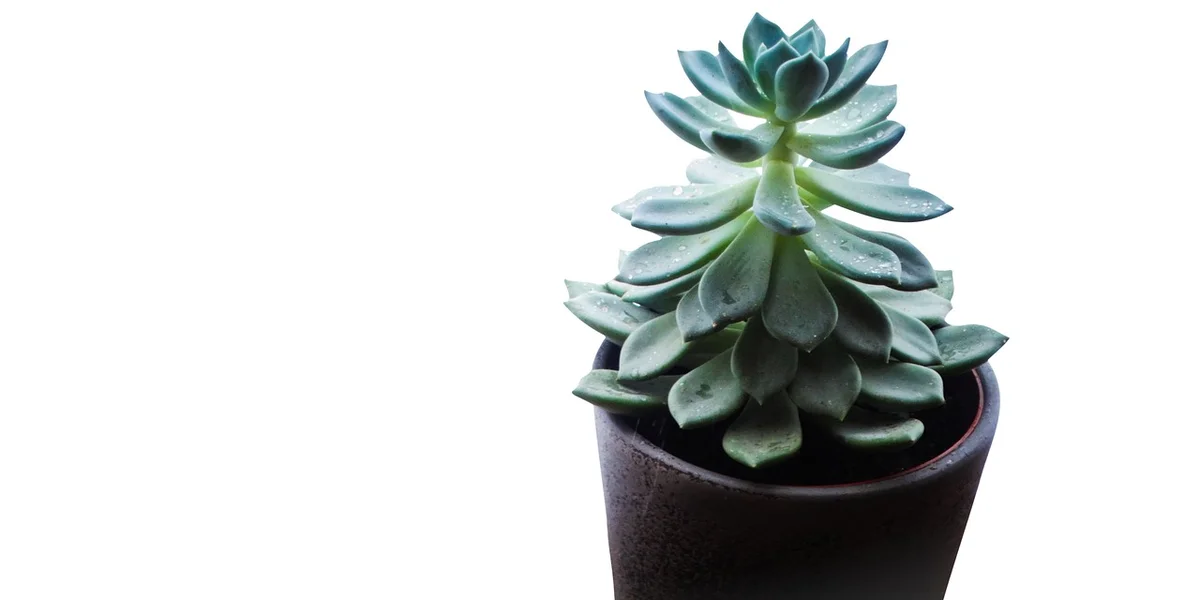
Finding the right plants for your mantis enclosure starts with knowing where to look—and how to ensure they’re free from hidden risks. We always begin by choosing sources that prioritize organic, pesticide-free growth to keep our tiny hunters safe and sound. This also helps us create a naturalistic, safe habitat for your praying mantis. Choosing plants and décor that imitate its native environment reduces stress and promotes natural hunting behavior.
- Local nurseries often stock hardy, non-toxic species like pothos or spider plants; ask staff about their pest-control methods to confirm no chemicals were used.
- Online sellers specializing in reptile or invertebrate supplies can offer pre-vetted plants, but read reviews and inquire about shipping practices to avoid stressed or contaminated greenery.
- Growing from cuttings lets you control the entire process-snip from a trusted friend’s plant, root in water, and transplant once new growth appears for a cost-effective, safe option.
Before introducing any plant, give it a thorough rinse under lukewarm water and inspect leaves for residue or pests. Quarantining new plants in a separate container for a week helps spot any issues before they reach your mantis, much like we did with Moss’s first ivy vine to prevent surprises. It’s essential for how to safely introduce a new plant into your mantis enclosure.
Live plants boost humidity and provide natural perches, while artificial alternatives offer low-maintenance simplicity-ideal for busy keepers or species that might nibble on foliage. We’ve found that mixing a few silk plants with live ones can create a lush backdrop without the upkeep, perfect for juveniles like Sprig who need constant cover.
Designing Your Enclosure with Plants for Mantis Comfort
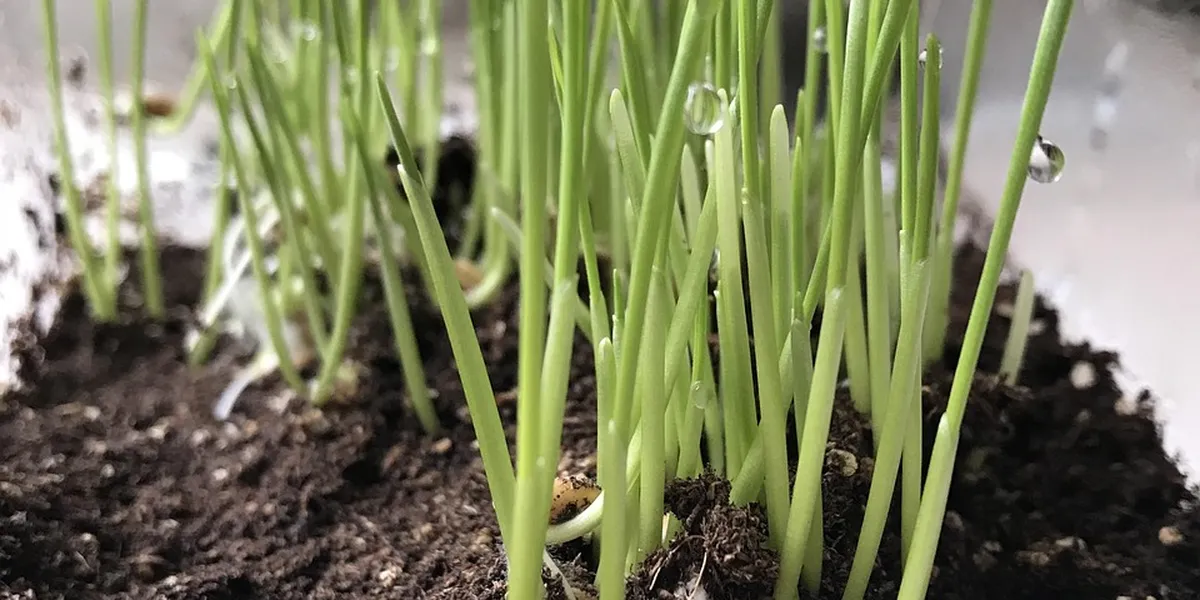
Arranging plants thoughtfully turns a simple habitat into a cozy, functional home that supports your mantis’s natural behaviors. Start by positioning tall, climbing plants like philodendron or bamboo against the enclosure’s sides to give your mantis vertical pathways for molting and hunting. These essential habitat requirements are crucial for a healthy praying mantis. Meeting them helps support its growth, molts, and daily activity.
- Use background foliage such as ferns or creeping fig to create hiding spots that reduce stress, especially for shy species like ghost mantises.
- Layer plants at different heights-low-growing succulents at the base, mid-level shrubs, and trailing vines above-to mimic a mini-forest that encourages exploration.
- Leave open spaces near the top for molting; a clear area ensures your mantis has room to shed its skin without snagging on leaves.
Tailor plant combinations to your mantis’s species and life stage for optimal comfort. Juvenile mantises, with their delicate frames and skittish nature, thrive in densely planted setups with soft-leaved plants like mint or basil that offer ample cover.
- For larger species like the Giant Asian Mantis, sturdy plants like snake plant or ZZ plant provide robust perches that can support their weight during active climbs.
- Orchid mantises appreciate flowering plants such as orchids or African violets, which not only blend with their camouflage but add a pop of color to the enclosure.
- Incorporate textural variety-fuzzy lamb’s ear, smooth schefflera, or crinkled oak leaf-to engage your mantis’s senses and create a more dynamic environment.
Aesthetically, aim for a balanced, natural look that pleases the eye while serving your mantis’s needs. We love adding a few moss-covered branches or small stones among the greenery to evoke a woodland feel, much like the setup that keeps our Luna content and curious.
Avoiding Common Plant-Related Hazards
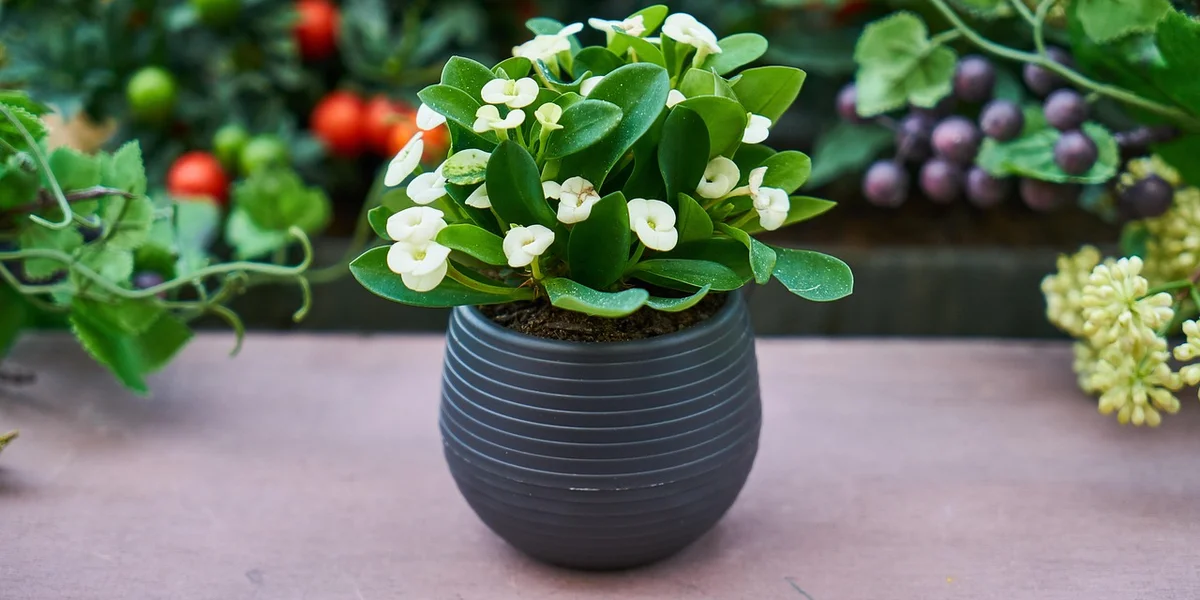
Even the most beautiful plants can pose risks if not managed carefully in your mantis home. We’ve seen how a few overlooked details can turn a lush habitat into a troubled space, so let’s walk through the key hazards and how to sidestep them with ease. Many first-timers stumble on common mistakes when setting up a mantis habitat—like the wrong enclosure or insufficient ventilation. We’ll flag these pitfalls and show you how to avoid them step by step. Think of it as tending a miniature garden where every leaf and stem plays a role in your mantis’s well-being.
Pesticides are a silent threat that can linger on store-bought plants, harming your mantis through direct contact or contaminated prey. Always source plants from trusted, organic suppliers or gently wash them in lukewarm water before introducing them to the enclosure. This simple step removes unseen residues that could upset your mantis’s delicate system. Are pesticides and bug sprays harmful to praying mantises? Yes—many common garden sprays can be toxic to mantises, even in small amounts, so avoiding treated plants or residues is essential.
Mold often sprouts from overwatering, creating a musty, damp environment that risks respiratory issues for your mantis. Keep the air fresh and mold at bay by misting plants lightly and ensuring proper ventilation in the enclosure. I recall how Luna’s ghostly form would perch calmly only when her plants were dry and clean, avoiding any hint of mildew.
Overgrowth can crowd the space, limiting your mantis’s room to hunt, molt, and move freely. Regularly trim back plants to maintain open areas, mimicking the natural balance they’d find in the wild. This prevents your mantis from feeling trapped and supports healthy behaviors like stalking prey.
- Inspect plants weekly for signs of pests, discoloration, or weak growth-catching issues early keeps your mantis safe.
- Clean the enclosure by removing dead leaves and debris; a quick wipe-down prevents mold and bacterial build-up.
- Monitor watering habits to avoid sogginess; let the soil dry slightly between mists to foster a stable, humid microclimate.
With these practices, your mantis will thrive in a habitat that’s both secure and stimulating. Taking a moment to care for the plants means you’re also caring for your mantis, creating a harmonious home where they can flourish.
Common Mantis Queries
What plants are suitable for a mantis enclosure?
Choose non-toxic, sturdy plants that offer climbing support and hiding spots, such as ivy or bromeliads. These plants help mimic natural habitats and assist in molting by providing flexible surfaces.
What plants are suitable for a mantis enclosure indoors?
Indoor enclosures thrive with low-light plants like philodendron or spider plants that maintain humidity and offer perches. These species adapt well to stable indoor temperatures and support your mantis’s daily activities without demanding direct sunlight. To create a bioactive enclosure for your praying mantis, add a thin substrate layer with a thriving microfauna ecosystem (springtails, isopods) to recycle waste. A light layer of leaf litter and low-light plants helps sustain the habitat and reduces maintenance.
What plants are suitable for a mantis enclosure outdoors?
Outdoor setups benefit from hardy, sun-tolerant plants like rosemary or lavender that withstand weather changes and provide sturdy climbing frames. These aromatic herbs also help deter pests naturally while creating a secure environment for your mantis.
Cultivating a Safe and Nurturing Mantis Home
Focus on selecting non-toxic, pesticide-free plants that mimic their natural habitat for safety and enrichment. These choices help maintain humidity and offer sturdy perches, making your mantis feel secure and supported. Consider the best enrichment items for a praying mantis habitat enrichment—safe, pesticide-free decor like branches, leaves, and non-toxic plants. These pieces encourage natural climbing and hunting behaviors while helping maintain appropriate humidity levels.
We always remind keepers to watch their mantis closely, noting how they interact with new plants and adjusting care as they grow. Embrace the journey of learning more about mantis behaviour and needs, joining communities where we share tips and stories to better our care together.
Further Reading & Sources
- A Modern Take on a Praying Mantis Enclosure – Phil Torres
- 4 Best Plants for Praying Mantis Enclosure – Reptile Wrestler
- r/mantids on Reddit: What are your favourite plants to use in a praying mantis / invert enclosure? 🌱
- Live plants for praying mantis | Reptile Forums
Rowan Hale is a lifelong insect enthusiast who fell in love with mantises for their calm presence, alien elegance, and surprising personalities. After years of keeping and raising a variety of species, Rowan shares practical tips, creative insights, and real-world experience to help others enjoy the quiet magic of mantis care. From setting up the perfect enclosure to understanding their subtle behaviors, Rowan invites readers into a gentle, curious world where every tiny movement feels like a discovery.
Habitat Products