
How to Choose the Right Mantis Species for Beginners
Published on: January 4, 2026 | Last Updated: January 4, 2026
Written By: Rowan Hale
Hello, fellow insect lover. Have you ever watched a praying mantis, still as jade, and felt a pull towards its quiet, predatory grace? Bringing one of these captivating creatures into your home is a uniquely rewarding experience.
The right mantis species for a beginner is one that is hardy, easy to care for, and has a calm temperament.
Choosing your first mantis can feel complex, with hundreds of species flaunting different colours, sizes, and needs. But don’t worry, we’ve kept many ourselves and can guide you through the key considerations.
Your main takeaways will be:
- Focus on a species’ temperament and overall hardiness.
- Understand the commitment level, from feeding to habitat setup.
- Consider the mantis’s lifespan and final adult size.
Getting these basics right from the start ensures a happy, healthy mantis and a confident start to your keeping journey.
Key Traits of a Beginner-Friendly Mantis
Hardiness and Resilience
Beginner mantises should handle small slips in care without fuss. Look for species that adapt well to slight changes in temperature or humidity, as this reduces stress for both you and your new pet. We’ve noticed that hardy mantises often have thicker exoskeletons, which help them stay healthy even if the enclosure dries out a bit between mistings.
Their ability to bounce back from minor issues makes them ideal for first-time keepers. A resilient mantis might recover quickly if feeding is delayed by a day, thanks to their efficient metabolism. Think of it like a plant that tolerates occasional forgetfulness-it’s forgiving and encourages confidence.
- Tolerates temperature ranges from 20-30°C
- Handles humidity fluctuations between 50-70%
- Less prone to common illnesses like fungal infections
Temperament and Handling Ease
Calm mantises are less likely to startle or nip when you interact with them. Species with a gentle disposition allow for occasional handling, which can deepen your bond without causing stress. Our Moss, a Giant Asian Mantis, often perches on a finger with quiet curiosity, making sessions feel like a peaceful meditation.
They move slowly and deliberately, unlike skittish types that might bolt. This predictability helps you learn their body language, so you can tell when they’re content or need space. It’s akin to tending a tranquil garden-each moment is steady and reassuring.
- Observe for relaxed antennae and slow movements
- Offer your hand gently and let them climb on at their pace
- Avoid sudden noises or vibrations to keep them at ease
Size and Space Considerations
Small to medium mantises fit neatly in compact enclosures, saving space. Choosing a species that doesn’t require a large habitat makes setup simpler and more affordable for newcomers. A petite mantis like a Ghost might thrive in a tall jar, whilst a larger one needs a terrarium with room to molt safely.
Their size affects feeding and maintenance too. Smaller mantises eat smaller prey, which is easier to source and manage without overwhelming you. Imagine a cosy nook on your bookshelf-it’s all about creating a snug, manageable home that fits your lifestyle.
- Ideal sizes range from 4-8 cm for easy care
- Enclosure height should be 2-3 times their length for molting
- Compact setups reduce clutter and simplify cleaning
Top Recommended Species for New Keepers
Ghost Mantis (Phyllocrania paradoxa)
Ghost Mantises boast leaf-like frills and a muted colour palette that blends into foliage. Their slow, deliberate movements and hardy nature make them perfect for beginners who want a low-maintenance companion. Our Luna, a subadult female, tilts her head thoughtfully before striking, adding a touch of whimsy to daily observations.
They thrive in simple setups with moderate humidity. Ghosts are less fussy about precise conditions, so you can focus on enjoying their unique behaviours without constant adjustments. Their soft rustle during molting is a gentle reminder of nature’s quiet rhythms.
- Size: 4-6 cm, ideal for small enclosures
- Temperament: Docile and easy to handle
- Care: Mist lightly every other day and feed small insects like fruit flies
Giant Asian Mantis (Hierodula species)
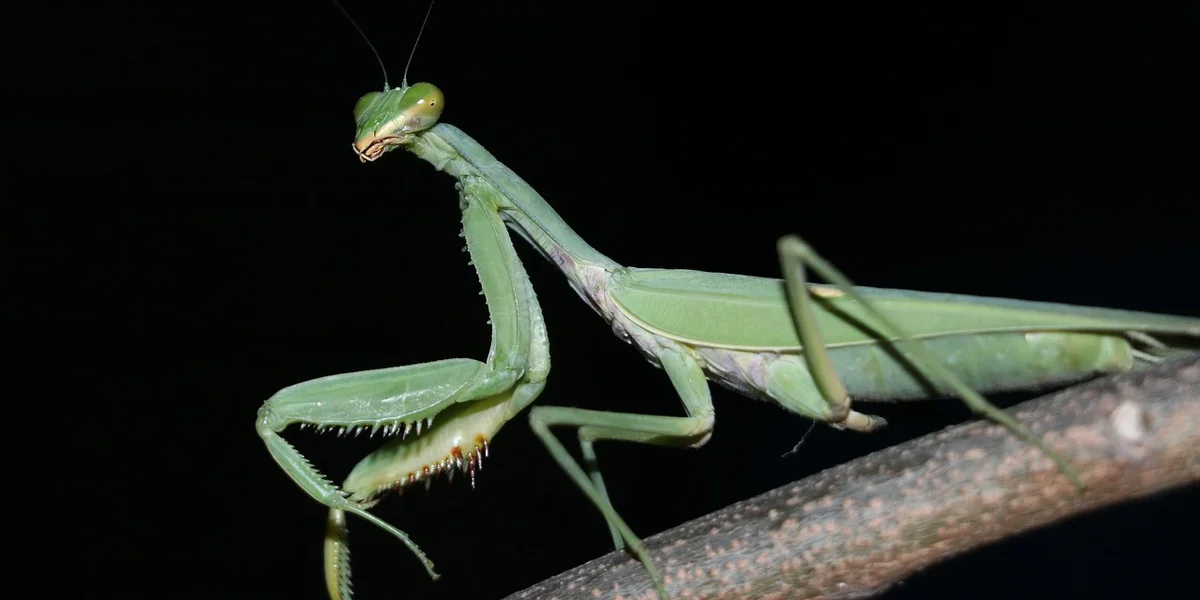
With vibrant green bodies and a curious demeanour, Giant Asian Mantises are engaging yet forgiving. Their resilience to care mistakes and active nature help new keepers learn quickly while feeling supported. Moss, our adult male, explores fresh branches with energetic zest, yet he remains calm during handling sessions.
They grow larger but are still manageable. This species adapts well to room temperature and standard feeder insects, reducing the need for specialised equipment. Watching them hunt is like seeing a miniature predator in action-thrilling but safe.
- Size: 7-10 cm, requiring a medium-sized terrarium
- Temperament: inquisitive but gentle
- Care: Maintain 60-80% humidity and offer crickets or roaches
Carolina Mantis (Stagmomantis carolina)
Carolina Mantises are native to many regions and known for their hardiness and subtle colour variations. Their ability to thrive in diverse environments makes them a reliable choice for beginners experimenting with care routines. We’ve seen them blend into garden settings with ease, their earthy tones whispering of woodland calm.
They are moderately sized and easy to handle. Carolina Mantises often display a patient temperament, allowing for gentle interactions that build keeper confidence. Their presence feels like a steady friend in your pet-keeping journey.
- Size: 5-7 cm, fitting well in most enclosures
- Temperament: calm and tolerant
- Care: Prefer drier conditions; mist sparingly and feed on flies or small moths
Essential Care Basics for Your First Mantis
Enclosure Setup and Substrate
Start with a spacious, well-ventilated enclosure that’s at least three times your mantis’s length in height. A tall mesh or acrylic terrarium lets your mantis climb and molt safely, mimicking their natural habitat. Ensure there is steady cross-ventilation to keep air fresh and humidity stable. We prefer mesh for airflow, but glass works if you manage humidity carefully. Check vents regularly and avoid blocking airflow.
Choose a substrate that holds moisture without getting soggy. Coconut fiber or peat moss provides a soft landing and helps maintain humidity levels. Add a few inches at the bottom, and include branches or twigs for perching.
- Opt for enclosures with secure lids to prevent escapes.
- Use a shallow water dish or mist regularly for hydration.
- Avoid sharp decorations that could injure delicate limbs.
With Luna, my Ghost Mantis, I lined her home with coconut fiber and added dried leaves for cover. This setup kept her calm and gave her plenty of spots to hide and hunt.
Climate Control: Temperature and Humidity
Maintain a steady temperature between 22°C and 28°C for most beginner species. Sudden drops or spikes can stress your mantis, so use a small heat mat or lamp if needed. Place it on one side to create a warm zone and a cooler area. To create a vertical temperature gradient in your mantis enclosure, add height variation and place perches at different levels. This helps your mantis access warmer upper zones and cooler lower zones.
Humidity should hover around 60-80%, depending on the species. Mist the enclosure lightly each morning to mimic dew and support healthy molting. A hygrometer helps you monitor levels without guesswork.
- For tropical species like Orchid Mantises, aim for higher humidity.
- Desert types need drier conditions with occasional misting.
- Always provide ventilation to prevent mold growth.
Moss, my Giant Asian Mantis, thrived in a warm, humid corner of the room. I used a spray bottle with lukewarm water to keep his environment fresh and inviting.
Feeding and Prey Selection
Offer live prey that’s smaller than your mantis’s head to avoid injury. Fruit flies, pinhead crickets, or small moths make excellent meals for juveniles. Adults can handle larger insects like houseflies or small roaches. For a comprehensive list of insects mantises eat across life stages, check out our full guide.
Feed every two to three days, adjusting based on your mantis’s appetite and growth. Remove uneaten prey after a few hours to reduce stress and keep the enclosure clean. Always provide a varied diet for balanced nutrition. These feeding intervals form part of a complete mantis care schedule. Maintaining a steady two to three day cycle helps you monitor growth and appetite.
- Dust prey with calcium powder for strong exoskeletons.
- Avoid wild-caught insects that may carry pesticides.
- Watch for feeding cues, like active hunting postures.
When feeding Sprig, my Orchid Mantis, I noticed she preferred flightless fruit flies. Her delicate strikes were quick and precise, showing how prey size matters for confidence.
Avoiding Common Selection Mistakes
Overlooking Temperament and Care Needs
Many beginners pick mantises for their vivid colours without considering behaviour. Docile species like the Ghost Mantis are easier to handle and observe up close. More aggressive types might startle you with sudden movements.
Research each species’ activity level and social tolerance. Some mantises, like the Giant Asian, are curious and adapt well to interaction. Others prefer solitude and minimal disturbance.
- Choose species known for calm demeanours if you want a hands-on pet.
- Factor in time for daily care and monitoring.
- Read keeper reviews or forums for real-world insights.
I learned this with Moss, who would eagerly climb onto my hand. His friendly nature made routine checks and feedings a joy rather than a challenge.
Ignoring Enclosure and Climate Fit
Selecting a mantis that doesn’t suit your home environment leads to health issues. Match the species to the enclosure size and climate you can consistently provide. When you choose, focus on enclosure-specific mantis species that fit your setup. This approach helps ensure your mantis thrives with the space you offer. A large, ornate setup isn’t necessary if a simple one meets their needs.
Consider your local humidity and temperature before choosing. If you live in a dry area, avoid high-humidity species that require constant misting. This prevents stress on both you and your mantis.
- Measure your space to ensure the enclosure fits comfortably.
- Use thermostats and humidifiers for precise control.
- Start with hardy species that forgive minor fluctuations.
With Luna, I kept her in a modest mesh cage that fit my desk. Her thriving health proved that a well-matched home beats a fancy one every time.
Your Step-by-Step Selection Process
Step 1: Assess Your Space and Resources
Begin by looking at where your mantis will live—a quiet corner of your room or a stable shelf away from drafts and direct sunlight. Choosing a spot with consistent room temperature, around 20-25°C, helps your mantis thrive without extra heating gadgets. Note that different species have different temperature and humidity needs. Check the specific range for your mantis species to ensure proper care. Measure the area to ensure the enclosure fits comfortably, as cramped spaces can stress these delicate creatures.
Consider the resources you have on hand, like a small budget for feeders and a spray bottle for misting. We find that setting aside a few pounds each month for live insects like fruit flies or crickets keeps feeding simple and affordable. When I prepared for Luna, my Ghost Mantis, I used a spare glass jar temporarily, but investing in a proper mesh-top terrarium made daily care much smoother.
- Check enclosure dimensions: Aim for at least three times the mantis’s height in height and width.
- Monitor humidity levels: Most species need 50-70% humidity, which a light misting can maintain.
- Plan for feeding: Small, frequent meals work best, so stock up on appropriate-sized prey.
Step 2: Research Species Compatibility
Not all mantis species suit beginners, as some demand precise conditions or have feisty temperaments. Focus on hardy, calm types like the Ghost Mantis or Giant Asian Mantis, which adapt well to home environments and handle gentle handling. Compare their adult sizes, lifespans, and care needs to match your lifestyle-for instance, larger species might need bigger enclosures.
Think about your daily routine; a busier keeper might prefer a low-maintenance species. My Moss, a Giant Asian Mantis, is lively and curious, perfect for someone who enjoys interactive pets, whilst Luna’s slower pace fits a calmer setting. Use online forums or care sheets to read up on real experiences from other keepers.
| Species | Adult Size | Temperament | Ideal for Beginners? |
|---|---|---|---|
| Ghost Mantis | 4-6 cm | Docile, slow-moving | Yes |
| Giant Asian Mantis | 7-10 cm | Active, curious | Yes |
| Orchid Mantis | 5-7 cm | Shy, needs high humidity | No |
Step 3: Source from Reputable Suppliers
Finding a healthy mantis starts with trusted breeders or specialty shops that prioritize ethical practices. Look for suppliers who provide clear photos, health guarantees, and details on the mantis’s age and origin to avoid stressed or ill individuals. Avoid sellers with vague information or poor reviews, as this can lead to unexpected challenges.
Visit local reptile expos or online communities where experienced keepers share recommendations. We sourced Sprig, our Orchid Mantis, from a breeder who answered all our questions about her juvenile care, making the transition worry-free. Always ask about shipping methods to ensure your new pet arrives safely and without undue stress.
- Check for transparency: Good suppliers share feeding schedules and habitat tips.
- Inspect upon arrival: Look for bright eyes, intact limbs, and active behavior.
- Support eco-friendly sources: Choose breeders who avoid wild-caught specimens.
Step 4: Prepare the Enclosure in Advance
Set up the habitat at least a few days before your mantis arrives to stabilize temperature and humidity. A ready enclosure reduces stress for your new pet, allowing it to settle in quickly and start exploring its home. Create a naturalistic, safe habitat that mimics its outdoor environment using non-toxic plants or decor and plenty of hiding spots. This helps reduce stress and encourage natural behaviors. Use a simple setup with substrate like coconut fibre, a few twigs or fake plants for climbing, and a secure lid to prevent escapes.
Mist the enclosure lightly to create that humid, earthy scent mantises love, and check that everything is secure. When I prepared for Moss, I added a small water dish and watched how he immediately used the branches to perch, showing how a well-planned space encourages natural behaviors. This upfront effort pays off in a happier, healthier mantis.
- Add substrate: A layer of moist coconut fibre helps maintain humidity.
- Include climbing structures: Twigs or mesh sides give mantises places to hang and molt.
- Test environmental controls: Use a hygrometer to monitor humidity before introducing your mantis.
Common Mantis Queries
How often can I handle my praying mantis?
Handle your mantis no more than once or twice a week to minimize stress and avoid disturbing its feeding or molting cycles. Always observe its behavior and stop if it shows signs of agitation, like rapid movements or defensive postures. For safe interaction, approach slowly with a cupped hand or a soft brush, and never grab the mantis by its limbs. Keep handling brief and always support its body during contact. To learn more about how to handle mantis safely, check out our detailed guide.
What should I do if my mantis stops eating?
First, check if it is approaching a molt, as mantises often fast before shedding their exoskeleton. Ensure the prey is an appropriate size and try offering different types of live insects to stimulate its appetite.
Can I keep different mantis species together?
No, it is not safe to house different mantis species together due to the risk of cannibalism and stress from incompatible care needs. Always keep mantises in separate enclosures to prevent injuries and ensure each one thrives in its own environment. Especially when keeping different species in the same room, extra caution is necessary to monitor their well-being.
Your Mantis Adventure Awaits
Start with hardy, easy-to-care-for species like the Ghost or Giant Asian mantis to build your confidence as a new keeper. Focus on their simple habitat setups and calm natures, which reduce stress for both you and your mantis.
Commit to providing consistent care, from proper feeding to maintaining their enclosure’s humidity and temperature. For hands-on guidance, a complete handling behavior guide for a pet praying mantis can help you interact safely. Keep exploring mantis care resources to deepen your understanding and enjoy a thriving partnership with your pet.
Further Reading & Sources
- 15 Praying Mantis Species to Keep as Pets (Ranked By Difficulty)
- Mantis species and care for beginers | TheInsectNerd
- What is a good species of mantis to start with? | Arachnoboards
- 27 Unusual Types Of Pet Praying Mantis + Care & Setup Tips
Rowan Hale is a lifelong insect enthusiast who fell in love with mantises for their calm presence, alien elegance, and surprising personalities. After years of keeping and raising a variety of species, Rowan shares practical tips, creative insights, and real-world experience to help others enjoy the quiet magic of mantis care. From setting up the perfect enclosure to understanding their subtle behaviors, Rowan invites readers into a gentle, curious world where every tiny movement feels like a discovery.
First-Time Mantis Owners