
What to Do If You Find a Protected or Endangered Praying Mantis
Hello mantis friend, picture this: you’re tending to your garden or strolling through a meadow when a delicate, green figure catches your eye-a praying mantis perched like a living jewel, perhaps one of the rare, protected species that need our gentle help. Spotting such a creature can feel magical, but it also calls for calm, informed action to keep it safe and support conservation efforts.
Handling a protected or endangered mantis isn’t always simple, as laws vary and these insects thrive best in their natural habitats without human interference. We’ll guide you through the steps with care, drawing from hands-on experience to ensure you respond wisely and compassionately.
- Observe quietly from a distance to avoid stress
- Identify key details without touching the mantis
- Contact local wildlife experts for guidance
- Learn why some species are protected and how to help
Your First Steps: Immediate Actions
Step 1: Assess the Situation Safely
When you spot a mantis that might be protected, your first move sets the tone for its safety. Approach with a quiet, steady presence to avoid startling the insect, much like how I gently observe Luna, my Ghost Mantis, during her calm moments.
-
Observe from a distance: Stay at least a metre away to watch its behaviour without intrusion.
-
Avoid sudden movements: Quick gestures can make the mantis feel threatened, prompting it to flee or adopt a defensive pose. To handle and interact safely with your praying mantis, move slowly and keep your hands steady, giving it time to approach. Let it come to you rather than forcing contact.
-
Check for signs of injury or distress: Look for limping, torn wings, or an inability to grip surfaces properly.
Keeping your cool and refraining from handling helps prevent stress that could harm the mantis or disrupt its natural activities.
Step 2: Confirm It’s a Protected Species
Before taking any action, verify if the mantis is indeed under protection. Look for distinctive features that set rare species apart from common ones, such as unusual colour patterns or body shapes.
-
Unique colours and markings: Some protected mantises have vivid hues like the pink-and-white marbling of orchid mantises or the leaf-like frills of ghost mantises. This guide to rare mantis colors and varieties helps readers recognize and compare patterns.
-
Specific patterns: Watch for banding, spots, or textures that match known endangered types, such as the emerald green with pale stripes seen in certain Asian species.
-
Size and structure: Larger or more delicate builds can indicate rarer varieties, like the slender frames of some Mediterranean mantises.
Use reliable field guides or apps like iNaturalist to cross-check your observations with up-to-date conservation lists.
Step 3: Minimize Disturbance
Resist the urge to touch or move the mantis, even if it seems out of place. Leaving it in its habitat supports local ecosystems and reduces the risk of injury from handling, which I’ve learned through caring for Moss, my energetic Giant Asian Mantis.
Habitat preservation is key because these insects rely on specific plants and microclimates for survival, and relocation can expose them to predators or unsuitable conditions.
Stress from human interaction can weaken their immune systems, making them more vulnerable to illness or reduced lifespan.
Identifying Protected and Endangered Mantis Species
Common Protected Species to Look For
Familiarise yourself with species often safeguarded by law to aid in accurate spotting. Many of these mantises boast striking appearances that help them blend into their native environments, much like Sprig, my Orchid Mantis, who resembles a delicate flower petal.
-
Ghost Mantis (Phyllocrania paradoxa): Features misty brown colouring with leaflike extensions; thrives in wooded, humid areas across Africa and Madagascar.
-
Orchid Mantis (Hymenopus coronatus): Displays soft pink and white shades with petal-like legs; found in Southeast Asian rainforests, often on flowering plants. This orchid mantis care guide (Hymenopus coronatus) covers enclosure setup, humidity, temperature, and feeding basics.
-
Giant Asian Mantis (Hierodula membranacea): Shows vibrant green bodies with light banding; inhabits tropical regions in Asia and parts of Europe, favouring gardens and forests.
-
Mediterranean Mantis (Iris oratoria): Has greyish-brown tones with eye spots on wings; common in dry, shrubby areas of Southern Europe and North Africa.
Regional variations mean a species might look slightly different depending on its location, so always compare with local conservation guidelines.
Tools and Resources for Accurate Identification
Leverage modern aids to ensure you’re correctly identifying a protected mantis. Apps and websites provide instant access to databases that list endangered species, helping you make informed decisions without guesswork.
-
Mobile apps: Try iNaturalist or Mantis Study for photo-based identification and community feedback.
-
Online guides: Websites like the IUCN Red List or local wildlife trusts offer detailed profiles and conservation statuses.
-
Field guides: Carry pocket books specific to your region, such as “Mantises of Europe” or “Asian Praying Mantis Handbook.”
Cross-referencing with multiple sources ensures accuracy, as misidentification could lead to unnecessary interventions or missed protections.
Legal and Ethical Considerations
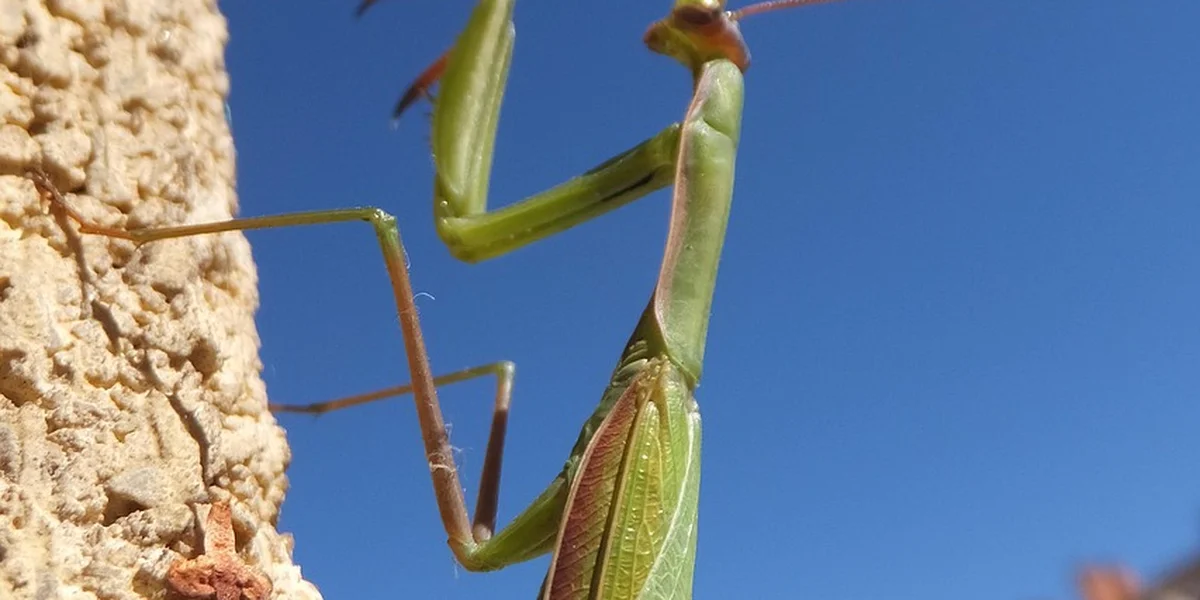
Understanding Wildlife Laws and Penalties
Many praying mantis species fall under wildlife protection laws, which vary by region but share common goals. These laws exist to safeguard fragile populations from harm or disruption, ensuring they thrive in their natural habitats. Understanding the natural habitat distribution of praying mantises helps conservationists identify key areas for protection and monitor how landscape changes affect their populations. By studying where mantises live and breed, we can better preserve their ecological roles.
- Never collect or remove a protected mantis from the wild without specific permits-even if you mean well.
- Avoid handling the mantis directly, as physical contact can stress the insect or damage delicate limbs.
- Do not disturb egg cases (oothecae) attached to plants or structures; they are vital for future generations.
- Refrain from altering the mantis’s environment, like moving plants or adding foreign objects.
Breaking these rules can lead to fines, legal action, or even criminal charges in severe cases. Illegal handling not only risks the mantis’s health but can contribute to population decline, making conservation efforts harder.
Ethical Best Practices for Observation
Observing a protected mantis is a privilege that calls for gentle, respectful behavior. Your primary role is to be a quiet witness, not an intruder in the mantis’s world.
- Keep a safe distance-use binoculars or a camera zoom to avoid startling the mantis.
- Move slowly and avoid sudden noises; think of how a soft breeze might pass through leaves.
- Never attempt to feed or touch the mantis, as this can disrupt its natural hunting instincts.
- Steer clear of egg cases; even a gentle nudge can harm developing nymphs inside.
- Prioritize the mantis’s comfort over getting the perfect photo-if it shows signs of stress, like rapid movement or defensive poses, step back.
We’ve learned from watching our Ghost Mantis, Luna, that patience rewards you with serene moments. Ethical observation helps preserve the mantis’s routine, from molting in peace to capturing prey undisturbed.
Documenting and Reporting Your Find
How to Properly Document the Sighting
Clear documentation helps authorities assess the mantis’s status without needing to visit the site immediately. Good records turn a casual sighting into valuable data for conservation teams.
- Take photos from multiple angles, but stay far enough to avoid shadows or flashes that might startle the mantis.
- Use your smartphone’s GPS or a mapping app to note exact coordinates; this pinpoints the habitat for researchers.
- Record the date and time, as seasonal behavior can offer clues about the mantis’s life cycle.
- Jot down environmental details, like nearby plants, weather, and any other wildlife observed.
- If possible, capture a short video to show movement and posture, which aids in species identification.
When documenting our Giant Asian Mantis, Moss, we always ensure the camera doesn’t block his light. Nonintrusive photography means the mantis remains calm, allowing for natural behavior shots.
Who to Contact and How to Report
Reporting your find to the right people ensures the mantis gets proper attention from experts. Quick, accurate reporting can support local conservation projects and protect the species long-term.
Reach out to these authorities through their websites, emails, or dedicated hotlines:
- Local wildlife or environmental departments-they manage regional protected species lists.
- Native animal rescue centers-some specialize in insects and can offer guidance or intervention.
- University entomology departments-researchers often track sightings for studies.
- Online citizen science platforms, like iNaturalist, where data is shared with global databases.
In your report, include this key information to help responders act efficiently:
- Exact location with GPS coordinates and a brief habitat description.
- Date, time, and weather conditions during the sighting.
- Clear photos or videos, noting any distinguishing features like color or size.
- Your contact details for follow-up questions from officials.
We once reported a rare orchid mantis sighting, and the details helped researchers map its range. Sharing precise information empowers experts to make informed decisions about habitat protection.
Short-Term Care Until Help Arrives
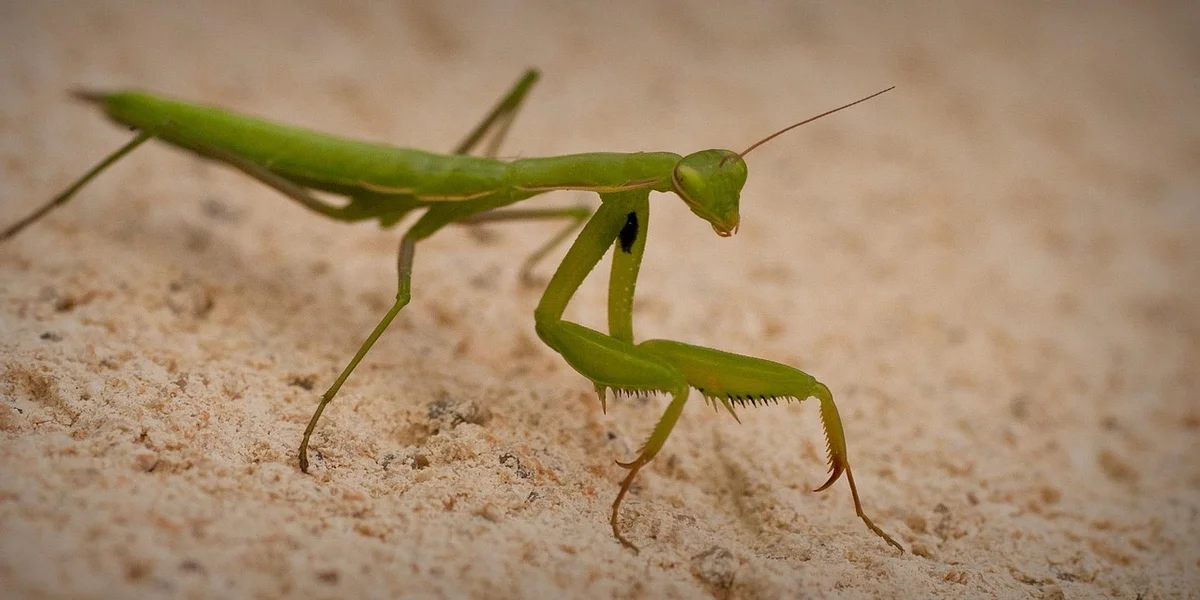
Temporary Housing and Environment
When you first bring a protected mantis indoors, creating a calm, secure space is your top priority. We often use a clean, large mason jar or plastic container with a ventilated lid—punch small holes in the top for airflow—and add a gentle perch like a thin twig or crumpled paper towel. This simple setup mimics their natural resting spots and keeps them safe from household hazards. You can also build a DIY mantis enclosure from common household items. Clear containers, small mesh lids, and a few twigs work well and keep costs low.
- Temperature: Maintain a steady 20-25°C (68-77°F) by placing the container in a room away from direct sun, heaters, or drafts.
- Humidity: Lightly mist the enclosure walls once daily with distilled water to reach 50-60% humidity-enough to mimic dew without making things soggy.
- Placement: Choose a quiet, low-traffic area where your mantis won’t be disturbed by loud noises or curious pets.
Feeding and Hydration Basics
Protected mantises need very little food while waiting for expert help—overfeeding can cause more harm than good. This is part of a complete diet feeding guide for mantises, which explains how to balance nutrients and maintain health. Offer tiny, live insects like fruit flies or pinhead crickets every other day, and always remove uneaten prey to prevent stress. Minimal feeding ensures the mantis stays nourished without disrupting its natural behaviors.
- Suitable foods: Fruit flies, small aphids, or tiny moths-items they’d naturally hunt in the wild.
- Misting technique: Use a fine spray bottle to mist the enclosure walls early in the day, allowing droplets to form for drinking. Avoid spraying directly on the mantis to keep it calm.
Long-Term Care and Conservation Efforts
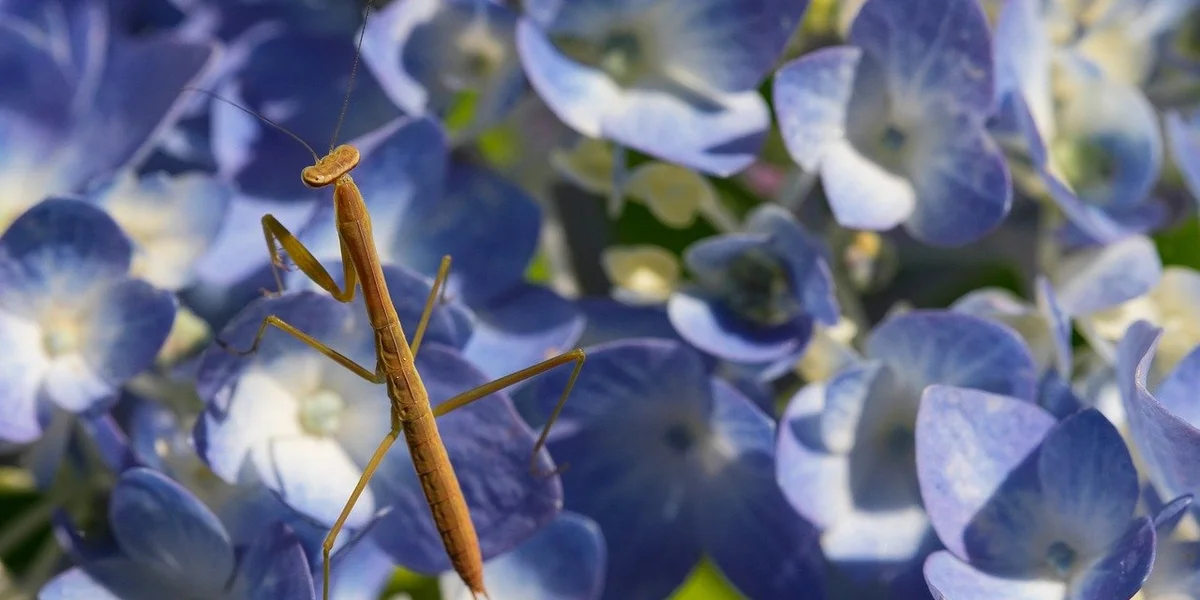
Obtaining Permits for Legal Care
Caring for an endangered species long-term requires proper permits to ensure both their welfare and legal protection. Start by researching your country’s wildlife regulations-for example, in the UK, you might contact Natural England or similar agencies. Following the correct legal steps helps safeguard these delicate creatures and supports broader conservation goals.
- Research specific permit requirements for your region, focusing on species-specific guidelines and keeper qualifications.
- Contact relevant wildlife or conservation agencies to request application forms and clarify documentation needs.
- Submit your completed application with supporting materials, such as proof of suitable housing and prior mantis care experience.
Supporting Conservation Through Education
You can make a meaningful difference by joining community efforts that protect mantis habitats and raise awareness. We’ve taken part in local citizen-science projects, like logging mantis sightings on platforms such as iNaturalist, which helps researchers track population health. Sharing knowledge through schools or nature groups inspires others to value and protect these intricate insects.
- Join citizen-science programs to report sightings and contribute data to conservation studies.
- Volunteer with habitat restoration projects that plant native flora, creating safe spaces for mantises to thrive.
- Host informal workshops or social media talks to educate friends and neighbours about mantis conservation needs.
Questions to Convert to CSV
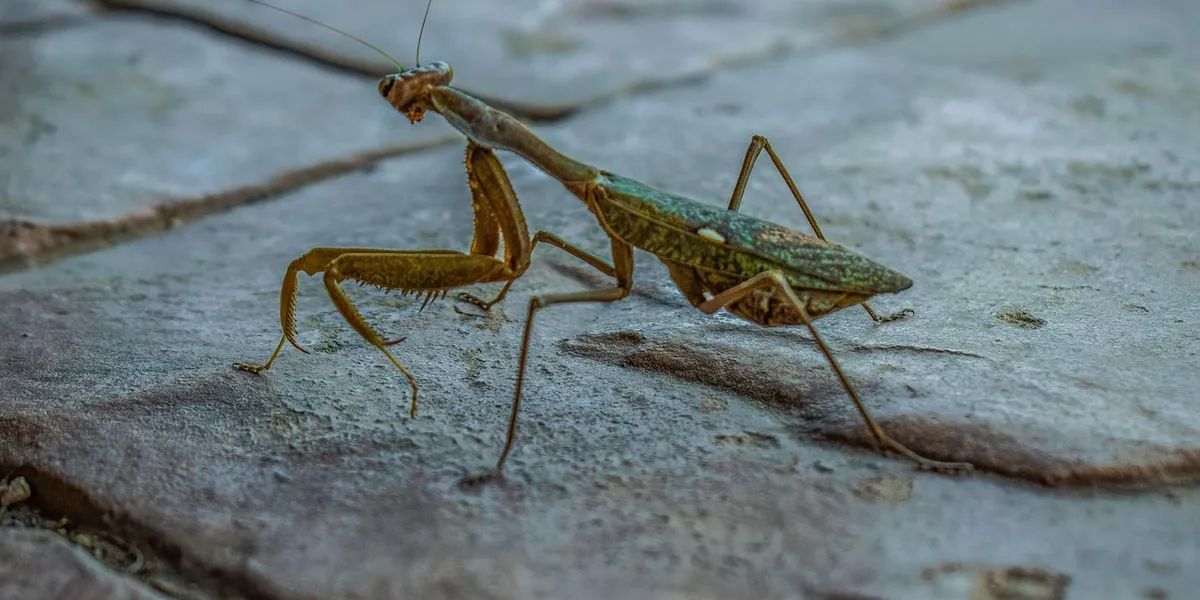
Data Collection for Conservation
Guidance: List key questions to record for reports-species name, location details, date/time, observer contact, and habitat notes. Format as a bulleted list for easy data entry.
When you spot a protected mantis, it feels like stumbling upon a quiet secret in nature. We always take a moment to note these details, as they help conservationists map populations and safeguard these delicate creatures. Praying mantises serve a natural purpose as ambush predators, helping keep insect populations in check and maintaining ecosystem balance. Understanding their role reminds us why protecting them matters.
- Species Name: Identify the mantis species if you can, or describe its colour, size, and any unique markings.
- Location Details: Record the exact spot using GPS coordinates or describe nearby landmarks and the type of area, like a garden or woodland edge.
- Date and Time: Note the day, month, year, and time of your observation to track seasonal patterns.
- Observer Contact: Include your full name and a reliable way to reach you, such as an email or phone number.
- Habitat Notes: Describe the environment around the mantis, including plants, soil moisture, and any signs of human activity.
FAQs on Mantis
Why is it essential to record the exact species name when I find a protected mantis?
Accurate species identification helps conservationists prioritize efforts for the most vulnerable populations. It ensures that legal protections are applied correctly and aids in tracking biodiversity changes over time.
What location information should I provide to help wildlife authorities?
Include GPS coordinates or clear landmarks to pinpoint the mantis’s habitat for precise mapping. This data supports habitat preservation and informs decisions on land use or conservation zones.
How do habitat details assist in the conservation of endangered mantises?
Noting habitat features like plant types and moisture levels reveals ecosystem health and potential threats. This information guides restoration initiatives and helps predict how environmental changes might impact mantis survival.
Your Part in Protecting Precious Mantises
If you come across a protected mantis, admire it from a distance and avoid any handling to keep it safe and stress-free. Reporting your find to local wildlife groups helps safeguard these special insects and aids in their conservation. A praying mantis-friendly garden can attract beneficial insects and support natural pest control. To encourage mantises, plant native flowers and provide shelter.
As mantis enthusiasts, we can all play a role by focusing on caring for common species and staying curious about their needs. A crucial part of that care is creating a naturalistic, safe habitat for your praying mantis. Choosing plants and decor that mimic their native environment helps reduce stress and supports healthy development. Regularly exploring new care tips and connecting with fellow keepers makes our hobby more rewarding and kinder to nature.
Further Reading & Sources
- r/todayilearned on Reddit: TIL Praying Mantis’ have never been an endangered species, and it has always been legal to kill them in the United States. The contrary claim was just an urban legend floating around since the 1950’s.
- Are Praying Mantises Endangered? Is It Illegal to Kill Them?
- Are Praying Mantises Endangered? No-But Why Do People Think It Is?
- Native praying mantis species are not endangered
Rowan Hale is a lifelong insect enthusiast who fell in love with mantises for their calm presence, alien elegance, and surprising personalities. After years of keeping and raising a variety of species, Rowan shares practical tips, creative insights, and real-world experience to help others enjoy the quiet magic of mantis care. From setting up the perfect enclosure to understanding their subtle behaviors, Rowan invites readers into a gentle, curious world where every tiny movement feels like a discovery.
Rare Species