
How to Tell if Your Praying Mantis is Gravid (Pregnant)
Hello there, mantis friend. Have you noticed your green companion acting a little differently lately? Perhaps she seems more deliberate in her movements, or her slender abdomen appears fuller than usual.
To tell if your praying mantis is gravid (the term for a pregnant insect), you look for a visibly swollen, rounded abdomen, a sudden increase in appetite, and more frequent, receptive behaviour towards a male.
Recognising these signs isn’t always straightforward, as some behaviours can be mistaken for illness or simple contentment. We will gently guide you through the subtle details.
Your key takeaways are:
- A noticeably distended, boxy abdomen.
- A significant surge in hunger and feeding.
- Specific postural changes and behaviours.
- Understanding the timeline from mating to egg-laying.
How to Spot a Gravid Mantis: Key Indicators
When your mantis is gravid, you’ll notice a blend of physical and behavioural clues that signal she’s carrying eggs. Spotting these signs early helps you provide the right care and prepare for potential egg-laying.
- Abdominal swelling that makes her look plump and rounded.
- Reduced appetite or refusal of food for several days.
- Increased stillness, with longer periods spent perched in one spot.
- Darkening of the abdomen, often to a deeper brown or green shade.
- Nesting behaviours, like probing surfaces with her abdomen.
| Gravid Mantis Traits | Non-Gravid Mantis Traits |
|---|---|
| Swollen, firm abdomen | Slim, flexible abdomen |
| Eats less or stops feeding | Regular feeding habits |
| Stays very still for hours | Active, frequent movement |
| Abdomen colour deepens | Consistent body colour |
Species like Ghost Mantises may show subtler swelling, whilst Orchid Mantises often display vivid colour shifts. Observing these variations ensures you don’t mistake natural changes for health issues.
Physical Changes in a Gravid Mantis
Her abdomen inflates noticeably, resembling a tiny, rounded pouch. This swelling is firm to the touch and may darken as eggs develop inside. In some species, you might see the outline of the ootheca forming under the skin.
- Approach her enclosure slowly to avoid startling her.
- Use soft, indirect lighting to observe without stress.
- Limit handling to brief moments only if necessary.
- Note any colour changes or unusual markings over days.
Young mantises show less pronounced swelling than adults. Giant Asian Mantises like Moss tend to bulk up visibly, whereas delicate species like Ghost Mantises expand more subtly.
Behavioral Shifts During Pregnancy
She might eat far less or ignore food altogether. This reduced feeding is normal and helps prevent internal pressure from a full gut. You’ll often find her adopting nesting postures, crouching low as if testing surfaces.
- Increased stillness, barely moving for long stretches.
- Frequent abdomen tapping on branches or enclosure walls.
- Resting in hidden spots, seeking privacy.
- Gentle swaying or head movements before settling.
My Ghost Mantis, Luna, would tilt her head thoughtfully before laying. That quiet, deliberate behaviour was her way of saying she was ready to create an ootheca.
Differentiating Gravid from Illness or Overeating
It’s easy to confuse pregnancy with health troubles. Use this checklist to tell them apart and keep your mantis safe.
- Check if the abdomen is firm (gravid) or soft and squishy (possible impaction).
- Monitor feeding: gravid mantises refuse food, ill ones may try but fail to eat.
- Observe activity levels: gravid mantises are calm, sick ones might twitch or fall.
- Look for ootheca development, which doesn’t occur in simple overeating.
- Watch her eating habits for a week, noting any refusals.
- Gently feel her abdomen-firm swelling is typical for gravid states.
- Keep track of her posture and movement patterns daily.
Swelling from overeating usually subsides after digestion. If her abdomen stays swollen and hard for over a week with no egg-laying, consult a vet specializing in invertebrates.
Preparing for Ootheca Laying
-
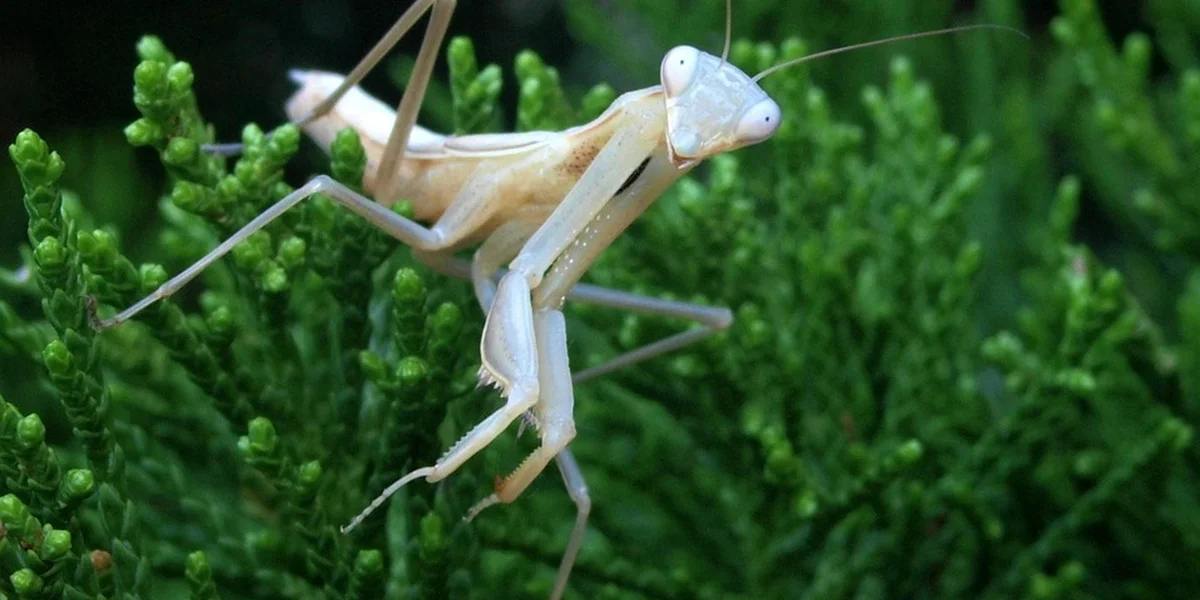
Choose substrates that mimic natural settings, such as thin twigs or fine mesh, which provide sturdy anchor points for your mantis to attach her ootheca, especially when setting up an enclosure. Setting up the perfect breeding enclosure ensures a safe and natural environment for your mantis and her ootheca.
We find that rough-barked twigs or plastic mesh panels work beautifully, as they offer the grip needed for a secure egg case.
My Ghost Mantis, Luna, always favoured a twisted vine I placed diagonally-it gave her just the right angle to lay with ease.
-
Maintain humidity between 60% and 80% and keep temperatures steady at 22-28°C to support your mantis during egg-laying. Do praying mantis eggs need temperature and humidity? They do—stable warmth and moderate humidity help the eggs develop and hatch reliably.
A consistent, warm environment helps prevent the ootheca from drying out and keeps your mantis comfortable.
You can use a small hygrometer to monitor levels, misting lightly if the air feels too dry.
-
For a quick, temporary setup, repurpose household items like a clean mason jar with ventilation holes or a small plastic container lined with paper towel.
These simple solutions create a safe, confined space that reduces stress while your mantis prepares to lay.
Just ensure the jar is placed in a quiet spot away from direct sunlight to mimic a sheltered nook.
Enclosure Adjustments for Egg-Laying
-
Modify the habitat by adding more vertical elements and reducing open spaces, which helps your mantis feel secure and supported. This aligns with creating a naturalistic, safe habitat for your praying mantis. Mimicking their natural environment encourages natural behaviors and contributes to their health.
We often attach extra twigs or mesh panels at different heights to give her plenty of options.
This approach mimics the dense foliage she’d seek in the wild, encouraging natural laying behaviour.
-
Safe materials and placement tips include:
- Untreated wood branches-free from pesticides or sharp edges.
- Plastic or metal mesh-secured firmly to enclosure walls.
- Artificial plants-positioned to create hiding spots without blocking airflow.
Always place substrates at a slight angle rather than perfectly horizontal, as this aids in ootheca formation.
-
Vertical spaces are crucial because they allow the mantis to hang upside down, a natural posture for oviposition that ensures the egg case adheres properly.
This positioning helps her distribute the sticky foam evenly, protecting the eggs from predators and environmental shifts.
My Giant Asian Mantis, Moss, would cling to a tall mesh screen, his body still and focused as he prepared the ootheca.
Caring for Your Gravid Mantis
-
Adjust feeding by offering smaller, more frequent meals, such as fruit flies or pinhead crickets, to avoid overwhelming her swollen abdomen.
This gentle approach reduces the risk of regurgitation and keeps her energy levels stable.
We noticed our Orchid Mantis, Sprig, ate best in the early evening when she was most alert.
-
Mist the enclosure lightly twice daily-once in the morning and once at dusk-and check humidity with a quick finger test on the substrate.
Regular environmental checks help you spot any sudden drops in moisture that could cause stress.
If the air feels crisp, a extra spritz of warm water can restore that comforting, earthy dampness she craves.
-
Watch for behavioral cues: a content mantis will perch calmly and groom herself, while stress may show as frantic pacing or refusal to eat. These cues help tell if a praying mantis is stressed. Noting changes in behavior can guide steps to reduce stress and improve care.
Recognising these subtle signs lets you intervene early, ensuring her well-being throughout this delicate phase.
Luna, for instance, would tilt her head and remain still for hours when all was well-a quiet signal of peace.
Daily Maintenance and Monitoring
-
Start each day by observing abdomen size and activity-note if it appears more rounded or if movement seems sluggish.
This simple check helps you track progress and catch any health issues before they escalate.
Gently tap the enclosure to see if she responds; a healthy mantis will often turn toward the sound with interest.
-
Handle your mantis sparingly during this time, and only if necessary for enclosure cleaning-use a soft brush to guide her rather than picking her up directly.
Avoiding disturbance preserves her energy and minimises the risk of accidental injury to the developing ootheca.
We always wait until she’s perched securely before making any adjustments nearby.
-
Keep a simple journal to record changes in feeding, misting, and behaviour, noting dates and any unusual observations.
Tracking these details over time builds a helpful history that makes future care decisions easier.
Even a few notes scribbled on a calendar can reveal patterns, like how Moss became more active after a humidity boost.
Understanding the Mantis Reproductive Cycle
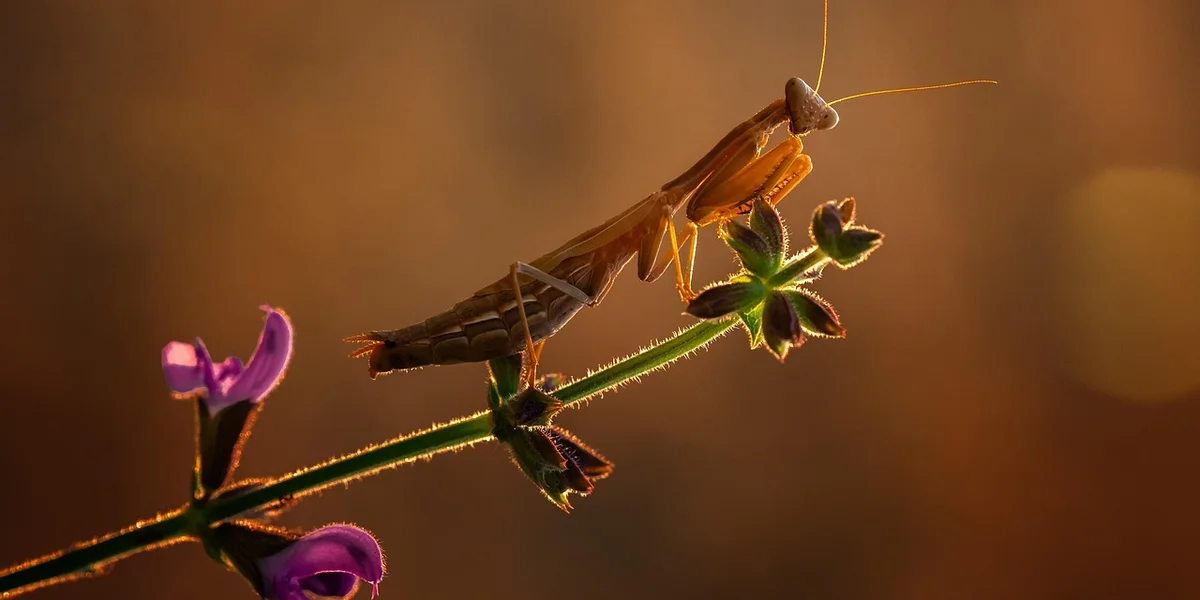
We often notice mantises becoming more active as mating season approaches, typically in late summer or early autumn when days are warm and food is plentiful. On a daily basis, they tend to be most active during warm, sunny periods and retreat during cooler times. Seasonally, their activity tracks warmth and daylight, often peaking in late spring through autumn in temperate regions, as discussed in the context of praying mantis activity patterns.
Female mantises develop clutches of eggs internally after mating, leading to the formation of a protective ootheca, which is a foamy, hardened egg case they attach to surfaces. Praying mantises typically lay their eggs a short time after mating, often in late summer or early fall. In temperate climates, the eggs overwinter and hatch in the spring.
Here is a general timeline from mating to hatching, with notes on common pet species:
- Mating occurs, often triggered by longer daylight hours and abundant prey.
- Eggs develop over 1-2 weeks; in species like the Ghost Mantis (e.g., our Luna), this stage is subtle with slight abdominal swelling.
- Ootheca formation takes a few hours to a day; Giant Asian Mantises (like Moss) produce larger, more robust cases.
- Incubation lasts 3-6 weeks, varying by temperature-Orchid Mantises (such as Sprig) may hatch faster in warmer setups.
- Nymphs emerge, ready to hunt tiny insects like fruit flies.
Females are generally larger and sturdier, with broader abdomens for egg storage, while males are slimmer and more agile, focused on locating mates.
In breeding, females can store sperm to fertilize multiple clutches, whereas males typically do not survive long after mating due to predation risks.
From Mating to Ootheca Incubation
After mating, your female mantis might show a plumper abdomen and reduced movement as she conserves energy for egg-laying. If she becomes egg-bound—unable to lay her eggs—it can be life-threatening and may even lead to death if not addressed promptly.
You will need to adjust care by offering more frequent feedings and ensuring she has sturdy branches or mesh to attach her ootheca securely.
Key factors that influence ootheca health include:
- Humidity levels between 50-70% to prevent the case from drying out or molding.
- Temperature ranges of 20-28°C, as cooler conditions can delay hatching.
- Proper ventilation to avoid stagnant air, which might harm developing nymphs.
In captivity, natural incubation periods depend on species and environment; for instance, Moss’s oothecae hatched reliably at room temperature with daily misting.
We find that maintaining a consistent routine helps mimic their wild habitat, encouraging successful hatching without intervention.
When to Seek Veterinary or Expert Help
Watch for red flags like prolonged lethargy, refusal to eat for over a week, or if your mantis struggles to lay an ootheca after several days of obvious readiness. These warning signs are the focus of the ultimate mantis health troubleshooting checklist, which helps you answer the question ‘why my mantis sick’. Use the checklist to assess diet, enclosure conditions, humidity, temperature, and potential stressors to pinpoint causes and solutions.
Failed egg-laying can lead to egg-binding, a serious condition where eggs get stuck, requiring prompt attention to prevent discomfort or health decline.
Use this simple decision flowchart to gauge when to contact a vet:
- If your mantis is active and eating normally, continue monitoring care routines.
- If she shows signs of distress, such as repeated falling or abdomen dragging, check humidity and temperature first.
- When issues persist beyond 2-3 days despite adjustments, seek a vet experienced with invertebrates.
For deeper questions on mantid biology, we recommend trusted online forums like Mantid Forum or consulting books such as “The Praying Mantises” by Frederick R. Prete.
Reaching out to local exotic pet groups can also provide community support and shared experiences to guide you.
Questions from Fellow Mantis Friends
What should I do with the ootheca after my mantis lays it?
Transfer the ootheca to a separate, ventilated container to protect it from disturbance. Maintain humidity and temperature to support incubation until nymphs hatch.
How can I tell if the ootheca is fertile?
Fertile oothecae typically darken in color and may develop small exit holes as hatching approaches. If it remains light and unchanged for over two months, it is likely infertile. Breeders often consult a not-hatching troubleshooting checklist to distinguish fertility issues from incubation problems. If hatch attempts still fail after confirming fertility, review environmental conditions (temperature, humidity, and incubation duration) per the checklist.
Will my mantis die soon after laying eggs?
Many female mantises can live for weeks or months after egg-laying, depending on species and care. After the eggs are laid, the ootheca will incubate and hatchlings emerge. The newborn nymphs will start feeding soon after. Continue offering food and monitoring her health to extend her lifespan.
Caring for Your Gravid Mantis: Final Thoughts
To spot a gravid mantis, look for a swollen abdomen and changes in feeding habits, as these are reliable signs she’s carrying eggs. Providing a stress-free habitat with proper humidity and nutrition supports her health during this delicate phase.
Responsible mantis ownership means regularly checking their environment and adapting care as their needs evolve. We encourage you to keep exploring mantis care resources, as continuous learning helps you offer the best life for your fascinating pet.
Further Reading & Sources
- Pregnant praying mantis in garden
- Pregnant Mantis Photos, Images & Pictures | Shutterstock
- I Never Thought A Pregnant Praying Mantis Would Win Me Over | by Jacqueline Dooley | Age of Empathy | Medium
- Pregnant Praying Mantis – Noellie’s Place
Rowan Hale is a lifelong insect enthusiast who fell in love with mantises for their calm presence, alien elegance, and surprising personalities. After years of keeping and raising a variety of species, Rowan shares practical tips, creative insights, and real-world experience to help others enjoy the quiet magic of mantis care. From setting up the perfect enclosure to understanding their subtle behaviors, Rowan invites readers into a gentle, curious world where every tiny movement feels like a discovery.
Breeding Practices