
How to Safely Move a Praying Mantis and Egg Sacs
Hello, mantis friend. We know that moment-a house move, a habitat upgrade, or simply the need to clean an enclosure-can fill any keeper with a quiet dread. The thought of disturbing your delicate, observant pet or their precious, frothy egg case is enough to give anyone pause.
Moving your mantis and their oothecae safely hinges on gentle techniques, meticulous preparation, and an understanding of their delicate biology.
While the process seems straightforward, the fragility of a mantis’s exoskeleton and the vulnerability of developing eggs add layers of complexity. A single jolt or a sudden temperature shift can have unintended consequences.
Here are the core principles we’ll gently walk you through:
- Choosing the perfect moment for the move, based on your mantis’s behaviour and life stage.
- Preparing a secure, temporary holding container to minimise stress and risk.
- Handling your mantis with confidence, using methods that encourage them to walk on rather than being picked up.
- Relocating an egg sac (ootheca) without harming the hundreds of tiny lives developing inside.
- Setting up the new enclosure to welcome your mantis home, ensuring a seamless transition.
We’ll draw from our own experiences with mantises like Moss, our ever-curious Giant Asian, and the precious oothecae we’ve carefully transferred over the years. Let’s ensure your green-bodied friend and their future offspring travel in complete safety.
Understanding When Relocation is Necessary
We often face moments where moving our mantis becomes the kindest choice, whether it’s for an upgrade or an urgent rescue. Relocating your mantis should always stem from a clear need to enhance their safety or comfort, not just routine handling.
- Enclosure upgrades: Switching to a larger or better-ventilated home as your mantis grows, like when Moss outgrew his starter terrarium and needed more climbing space.
- Outdoor rescues: Gently transferring a wild mantis from risky spots, such as busy pathways or harsh weather, to a sheltered indoor habitat.
- Habitat disturbances: Addressing issues like mold, overcrowded plants, or accidental damage that could stress or harm your pet.
Moving might be essential to prevent escapes, reduce injury risks, or offer a cleaner, more stimulating environment. Each move should aim to mimic the calm, natural settings they thrive in, much like the humid stillness of a forest floor after rain.
Before you begin, pause and ask if the move is truly needed-unnecessary handling can unsettle even the most patient mantis, like Sprig, who prefers quiet observation over frequent changes. Assessing necessity first helps keep their world as serene as a sun-dappled leaf, free from undue stress.
Essential Tools for a Stress-Free Move
Gathering the right tools turns a potentially jarring experience into a smooth, gentle transition for your mantis. Using items that prioritize softness and security can make all the difference in keeping your mantis calm and contained.
- Soft-bristled brushes: Ideal for coaxing your mantis onto a safe surface without startling them; a makeup brush or small paintbrush works wonderfully.
- Gloves: Lightweight, non-powdered gloves protect delicate exoskeletons and your hands, especially with species that might nibble when nervous.
- Secure containers: Small critter carriers or jars with ventilated lids prevent escapes; I’ve used a repurposed mason jar with holes punched in the cap for short moves.
For a budget-friendly approach, look around your home-a clean teaspoon can guide tiny legs, and a piece of cardboard makes a stable “bridge” for stepping into new spaces. Household alternatives like these let you improvise safely, ensuring you’re prepared without extra cost.
Focus on equipment that minimizes risks, such as containers with snug fits to avoid gaps where legs could get caught. Preventing escape or injury isn’t just practical; it’s a way to show care through every gentle rustle and careful placement.
Step-by-Step Guide to Moving Your Praying Mantis
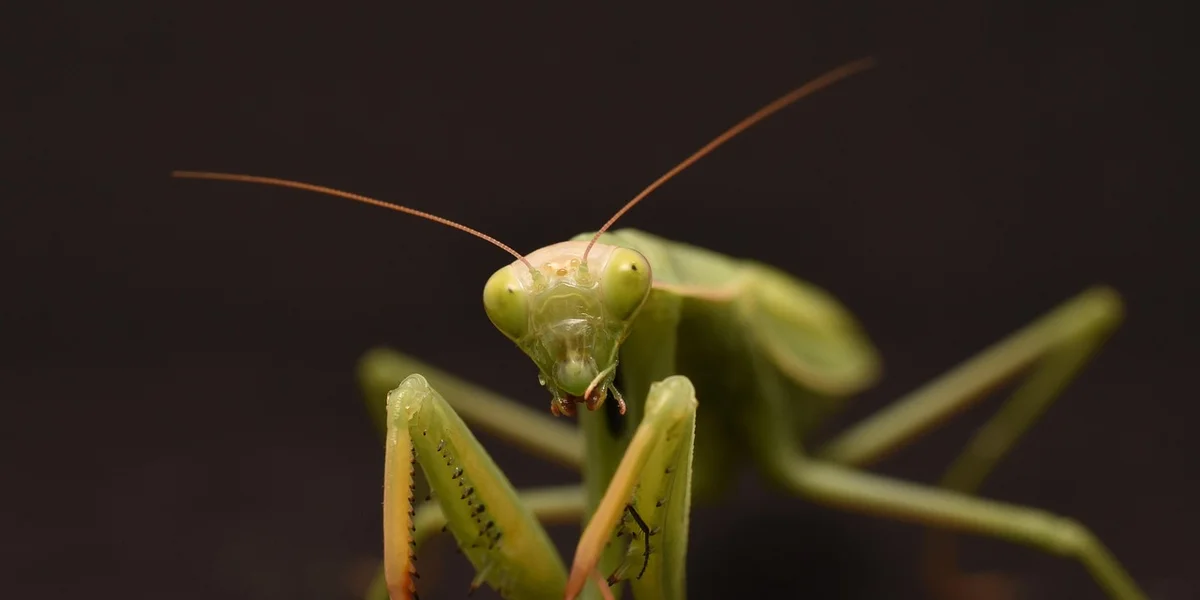
Preparing a Temporary Habitat
Before you begin, set up a snug temporary space to keep your mantis secure and calm. A clean, well-ventilated container lined with damp paper towel prevents slips and maintains a bit of humidity. For the final enclosure, tailor the humidity to your mantis species and monitor it with a hygrometer, adjusting misting to keep it steady. That careful humidity control helps your mantis stay healthy and calm in its new home.
- Choose a clean, ventilated container with safe lining
- Add familiar elements like small branches for comfort
- Ensure the space is escape-proof and calm
We often use a large mason jar with holes poked in the lid for our Ghost Mantis, Luna-she appreciates the gentle light and secure feel. Including a sprig of her favourite plant helps her settle without fuss.
Gentle Handling and Transfer Techniques
Approach your mantis with patience, using slow movements to build trust. Gently guide them with a soft paintbrush or your open hand, letting them step onto you at their own pace. To handle your praying mantis safely, keep movements slow and steady and avoid grabbing its body. Let it decide when to step onto your hand, and never squeeze or pin its limbs.
- Use a soft brush or your hand to guide the mantis slowly
- Avoid sudden movements to reduce stress
- Secure the mantis in the container without force
When moving Moss, our Giant Asian Mantis, we let him crawl onto a finger-his emerald body stills as he adjusts to the new perch. Never grab or squeeze; mantises feel secure when they choose to move.
Transporting to the New Enclosure
Keep the journey brief and steady to avoid startling your mantis. Hold the container level and away from direct sun or drafts, which can cause stress.
- Keep the container stable and away from extreme temperatures
- Minimize travel time and disturbances
- Release the mantis gently into its new home
We place the temporary habitat near the new enclosure and open it quietly, allowing the mantis to explore on its own. A naturalistic, safe habitat supports its acclimation and encourages natural behaviors. Watching them step onto a fresh branch feels like a quiet victory-a moment of calm transition.
Handling and Relocating Mantis Egg Sacs (Ootheca)
Assessing the Need and Timing for Movement
Only consider moving an ootheca if it’s at risk or you need to relocate it before hatching. Cool, calm periods-like early morning-are ideal, as sacs are less fragile then, especially when you’re close to the hatching day.
- Discuss when to move sacs, like before hatching or if threatened
- Note risks and ideal conditions such as cool, calm periods
- Advise against moving unless absolutely necessary
We’ve learnt that disturbing sacs unnecessarily can reduce hatch rates, so we weigh each situation carefully. If the sac is safe where it is, it’s often best to let nature take its course.
Safe Removal and Placement Methods
Handle ootheca with extreme care to preserve their delicate structure. Use sharp scissors to snip plant stems if the sac is attached, keeping the cut clean and close.
- Carefully detach sacs using scissors for plant-attached ones
- Place ootheca in padded containers to avoid desiccation
- Maintain orientation and avoid shaking during transport
We cushion sacs in a small box with soft cloth or moss, ensuring they stay upright as they were laid. This mimics the natural support they’d have on a twig or leaf outdoors.
Special Considerations for Outdoor or Plant-Attached Sacs
Outdoor sacs need extra protection from weather and predators. Surround them with leaves and twigs in their new spot to blend into the environment.
- Describe how to mimic natural habitats with leaves and branches
- Highlight predator avoidance and weather protection tips
- Suggest when to leave sacs in place for conservation
We’ve found that placing a fine mesh over relocated sacs deters ants and birds without blocking air. If the original site is sheltered and safe, we often leave sacs be to support local mantis populations.
Optimal Timing and Conditions for Relocation
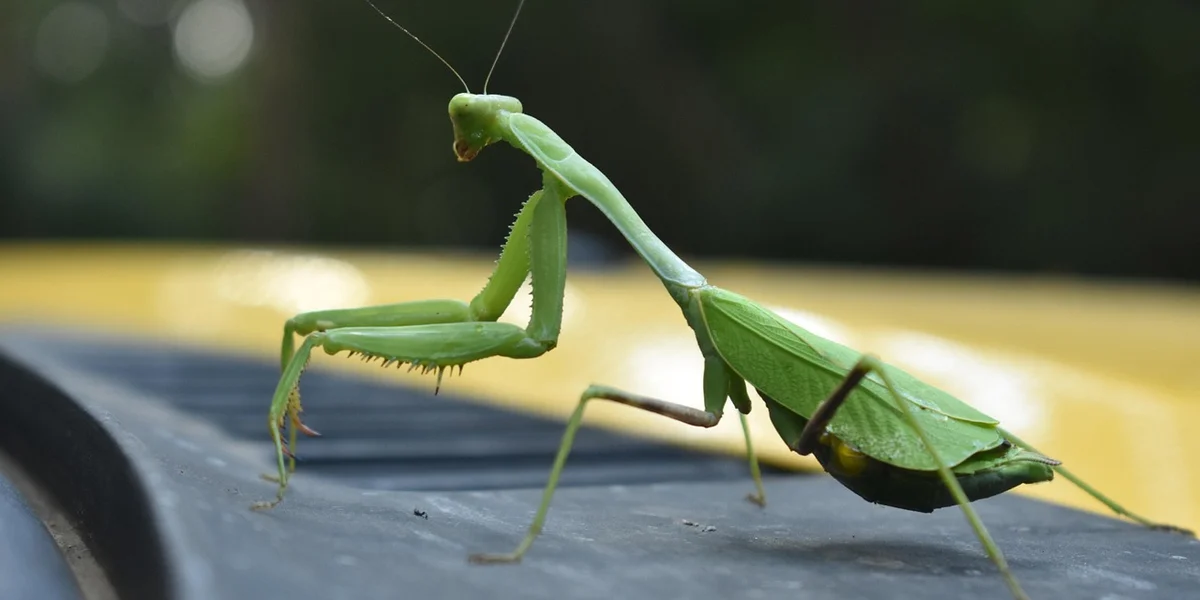
Choosing the right moment to move your mantis or egg sacs can prevent stress and keep them healthy. We always plan relocations for early mornings when our mantises, like Moss, are still drowsy and less likely to panic.
- Move your mantis during early morning hours or right after it has molted and its new skin has hardened. This timing reduces the risk of injury since your mantis is calmer and more settled.
- Keep temperatures between 20-25°C and humidity around 60-70% for a smooth transition. Stable conditions help your mantis and egg sacs avoid shock from sudden changes in their environment.
- Avoid moving during molting, mating, or when egg sacs are close to hatching. These sensitive stages make mantises more vulnerable, and disturbances can lead to failed molts or abandoned eggs.
Post-Relocation Care and Monitoring
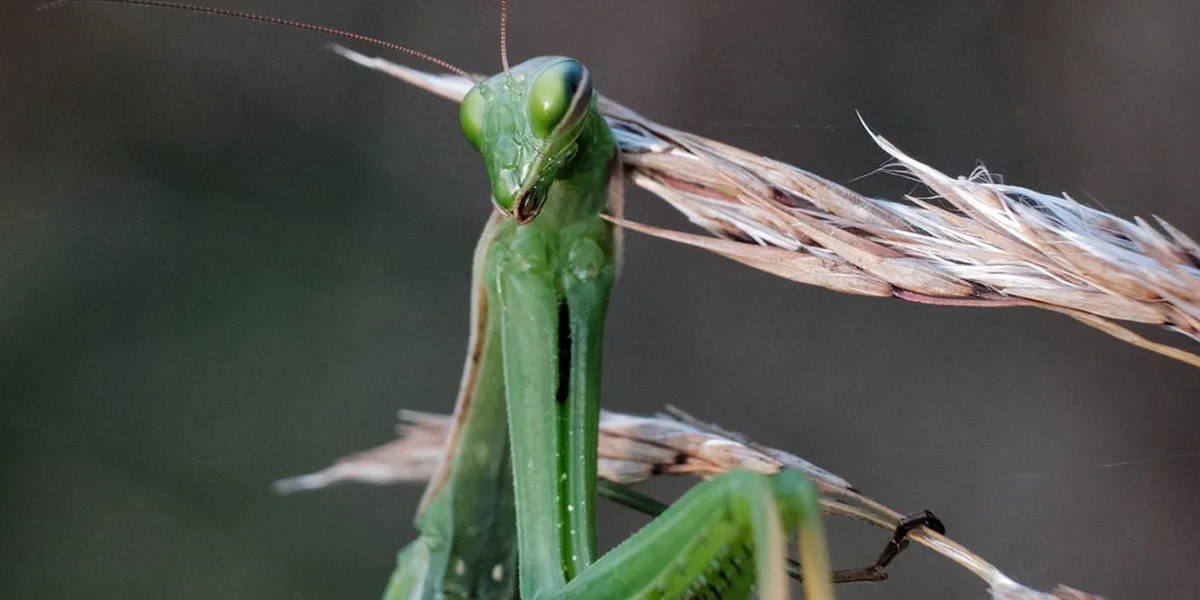
Observing Mantis Behavior and Health
After relocating your mantis, watch for subtle cues that show how it’s adjusting. Patience is your best tool here, as most mantises need a day or two to feel at home in their new space. If you notice signs of stress—such as not eating, hiding more than usual, or jittery movements—these can signal that the habitat needs tweaking. Tweak humidity, temperature, hiding spots, and perches to help fix the habitat and ease its transition.
- Look for signs of stress like hiding for long periods, refusing food, or making jerky movements. These behaviors often fade as your mantis gets used to its surroundings, so give it time to explore calmly.
- Reintroduce feeding slowly by offering small, easy prey like fruit flies before moving to larger insects. This gentle approach helps your mantis regain its appetite without feeling overwhelmed.
- Allow a few days for adjustment and avoid handling during this period. We’ve seen our Orchid Mantis, Sprig, become more active after a quiet settling-in phase, so trust the process.
Supporting Egg Sac Development and Hatching
Egg sacs need consistent care to hatch successfully, much like a delicate plant needing steady sunlight and water. Maintaining warmth and moisture is crucial for the tiny nymphs developing inside.
- Keep egg sacs in a warm spot around 25°C and mist them lightly each day to maintain humidity. This mimics the damp, cozy conditions they’d find in nature and encourages healthy growth.
- Watch for small holes or gentle movements in the sac, which mean hatching is near. Once nymphs emerge, have a prepared enclosure with fine mesh to keep them secure and well-ventilated.
- Protect young mantises from drafts, dehydration, and larger insects by providing plenty of tiny prey and a safe habitat. We always use a small jar with damp paper towel for newborn nymphs, giving them a gentle start in life.
Ethical and Legal Guidelines for Relocation
-
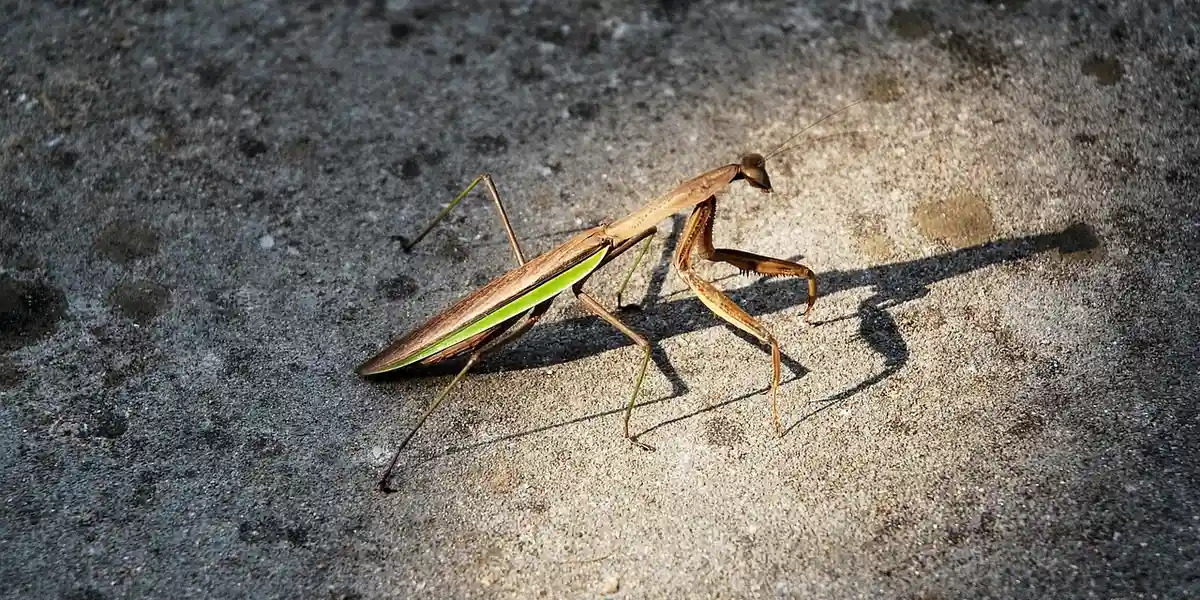
Before you even think about moving a mantis or its egg sac, take a moment to check your local wildlife regulations-many areas have specific rules about handling native species to prevent ecosystem disruptions. We always start by consulting regional guidelines, as some mantis types are protected and moving them could unintentionally harm local biodiversity. If you find yourself uncertain, it’s especially important to know what to do if you find a protected or endangered praying mantis. Drawing from our own mishaps, like when we considered relocating a wild mantis near Luna’s terrarium, we learned that conservation ethics mean prioritizing the creature’s long-term health over our immediate curiosity.
-
Respect the delicate balance of natural habitats by avoiding unnecessary disturbances, especially in wild spaces where mantises thrive amongst foliage and insects. Always verify local laws before any relocation effort, as fines or legal issues can arise from well-intentioned but unlawful moves. Picture the gentle hum of a garden where mantises hunt—we aim to keep that harmony intact by leaving wild populations undisturbed and focusing on captive care, ensuring their environment meets essential habitat requirements for health and wellbeing.
-
Responsible pet ownership means ensuring your mantis’s move supports both its welfare and environmental stewardship, such as using biodegradable materials for temporary enclosures. We foster a culture of care by choosing eco-friendly options and educating others on sustainable practices, much like how we set up Moss’s travel container with natural, reusable elements. Embrace this as part of your keeper’s duty, blending compassion for your pet with a commitment to preserving the world they came from.
FAQs on Mantis
Can mantis eggs be moved indoors after hatching?
Moving mantis eggs after hatching is not advisable because the tiny nymphs are highly vulnerable and can easily escape or suffer injury. It’s safer to relocate the egg sac before hatching to provide a controlled, secure environment for the newborns.
What precautions should you take when moving mantis eggs?
Always use gentle handling and avoid shaking or tilting the ootheca to protect the developing eggs inside. Maintain the sac’s original orientation and keep it in a stable, humid container to prevent desiccation or structural damage.
Are there risks associated with moving mantis eggs?
Yes, relocating mantis eggs can lead to lower hatch rates if the sac experiences temperature shocks or physical stress. There’s also a risk of introducing mold or predators if the new environment isn’t properly prepared and monitored. Common problems during hatching include mold growth, desiccation, and temperature swings. Solutions involve keeping the eggs in a clean, ventilated container and maintaining stable humidity and temperature, with regular monitoring.
Your Mantis Moving Checklist
Gently guide your mantis using a soft brush or your hand to reduce stress, and always transport egg sacs in a stable, breathable container to shield them from jostling. Patience and a calm approach make all the difference in keeping your tiny companion secure during transitions. For those caring for egg cases (ootheca), check out our ootheca care guide for tips on incubation and safe hatch timing. It also covers setup, humidity, and handling during early development.
As mantis keepers, we owe it to our pets to stay informed and attentive to their evolving care needs. Embrace the journey of learning—each observation deepens your bond and ensures a thriving habitat for years to come. For those seeking practical steps, our care pet praying mantis complete handling behavior guide offers clear, safe handling techniques. It also covers observation cues, stress signals, feeding, and habitat needs to support a thriving pet.
Further Reading & Sources
- r/insects on Reddit: A praying mantis laid eggs on my front door, can I safely move the egg sac?
- Praying Mantis Egg Case Relocation – Instructables
- insects – Where can I safely store a mantis egg sack until spring outside? – Pets Stack Exchange
- Ask Extension: I found a praying mantis egg case. Should I move it? – oregonlive.com
Rowan Hale is a lifelong insect enthusiast who fell in love with mantises for their calm presence, alien elegance, and surprising personalities. After years of keeping and raising a variety of species, Rowan shares practical tips, creative insights, and real-world experience to help others enjoy the quiet magic of mantis care. From setting up the perfect enclosure to understanding their subtle behaviors, Rowan invites readers into a gentle, curious world where every tiny movement feels like a discovery.
Egg Care