
Do Praying Mantises Spit or Spray?
Published on: October 26, 2026 | Last Updated: October 26, 2026
Written By: Rowan Hale
Hello, fellow mantis friend. Picture this: you’re watching your pet mantis, and it suddenly rears up, wings flared, in a dramatic threat display. In that tense moment, you might wonder if a spray of venom or a glob of spit is headed your way.
Praying mantises do not spit or spray any substance as a defense mechanism. Their primary weapons are far more physical and rely on stealth, intimidation, and powerful forelegs.
The question of mantis “spit” is a bit more complex than a simple no, often tangled with other natural behaviours and misconceptions. Here’s a quick look at what we’ll explore.
- The surprising truth about what looks like “spit” on a mantis.
- The real, and rather effective, defensive tactics in their arsenal.
- How to identify common mantis behaviours that are perfectly harmless.
Myth vs. Fact: The Truth About Mantis Spitting and Spraying
Many new keepers worry their mantis might spit or spray like some insects do, but this is largely a myth. Praying mantises rely on stealth and physical defenses rather than chemical attacks, so you can handle them without fear of being spat on. To handle safely, use slow, deliberate movements and let the mantis step onto your hand. Always support its body and avoid squeezing or grabbing from above.
We often hear tales of mantises spraying venom, but in reality, they lack the glands for such behavior. If a mantis feels extremely threatened, it might regurgitate a small amount of gut contents, which is mistaken for spitting but is simply a stress response.
Let’s clear up common misunderstandings with a quick list:
- Myth: Mantises spit to blind predators.
- Fact: They prefer to freeze or flash their wings to startle threats.
- Myth: All mantis species can spray chemicals.
- Fact: Very few have any form of chemical defense, and it’s not through spitting.
From our time with Moss, our Giant Asian Mantis, we’ve seen him hiss and spread his wings when nervous, but never once did he produce any liquid. Observing your mantis’s body language helps you understand when it feels safe versus stressed, reducing the chance of defensive actions.
Meet the Specialists: Mantis Species with Chemical Defenses
While most mantises avoid chemicals, a handful of species have evolved unique defenses involving secretions. These specialists use foul-smelling or irritating liquids to deter predators, making them fascinating exceptions in the mantis world.
Here are a few species known for their chemical tactics:
- Spiny Flower Mantis (Pseudocreobotra wahlbergii): Releases a mild, acrid odor when handled roughly, reminiscent of crushed leaves.
- Devil’s Flower Mantis (Idolomantis diabolica): Can excrete a sticky substance from its leg joints, though it’s rare and not aimed like spraying.
- Ghost Mantis (Phyllocrania paradoxa): Some individuals may secrete a subtle scent as a last resort, often unnoticed by humans.
In caring for Luna, our Ghost Mantis, we noticed she’d sometimes emit a faint, earthy smell if startled, but it was never harmful. Handling these specialists gently minimizes stress and keeps their defensive mechanisms at bay, allowing for a peaceful coexistence.
Each of these mantises has adapted to use chemicals sparingly, often as a backup to their primary camouflage. By learning about these rare traits, you can appreciate the diversity in mantis care and choose a species that matches your comfort level. For beginners, start by choosing beginner-friendly species that are easier to care for and more readily available. Focusing on simple care routines and predictable feeding helps new keepers succeed.
Inside the Spray: What Mantis Defense Secretions Are Made Of
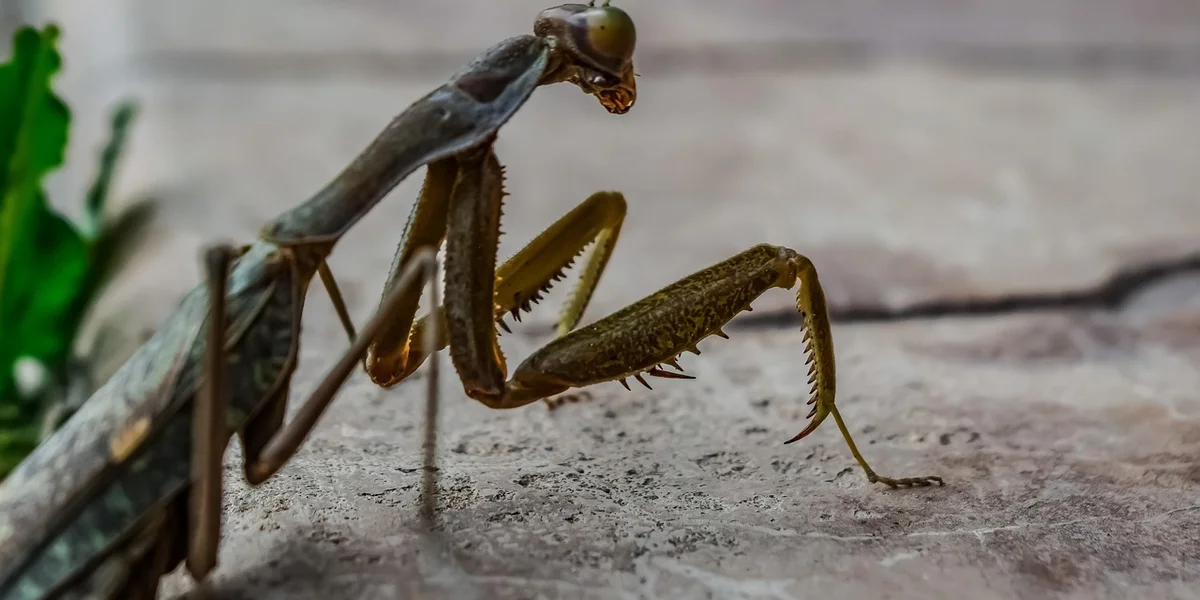
When a mantis feels cornered, it might release a subtle spray from glands near its mouth or thorax, not unlike a gentle mist from a garden sprayer. This secretion is a clever blend of proteins, enzymes, and mild irritants designed to startle predators without causing lasting harm. We’ve noticed in our own terrariums that the mix often includes compounds similar to those in plant defenses, giving it a faint, earthy scent that dissipates quickly.
Think of it as a natural alarm system-the mantis isn’t spitting saliva but deploying a tailored chemical cocktail. These components work together to create a temporary discomfort, encouraging whatever’s bothering your mantis to back away promptly. In our experience with Luna, our Ghost Mantis, her spray had a slightly acidic note, much like diluted vinegar, which made small insects scurry off.
- Proteins: These form the base, helping the secretion stick to surfaces and prolong its effect.
- Enzymes: They break down on contact, releasing compounds that can irritate eyes or sensitive areas.
- Mild irritants: Often derived from the mantis’s diet, these add a surprising zing to deter curious critters.
You might wonder if this spray is toxic, but rest assured, it’s generally safe for humans and pets in small amounts. Praying mantises are not venomous or poisonous to humans or pets; they can bite or pinch if handled roughly, so observe handling with care. We always advise washing your hands after handling a mantis that’s used its defense, as a simple precaution against any skin sensitivity. It’s a reminder of how these creatures adapt with quiet intelligence.
How Mantis Spray Works: A Step-by-Step Defense Mechanism
Observing a mantis deploy its spray is like watching a slow, deliberate dance-each movement calculated for maximum effect. This process begins with the mantis sensing a threat through its keen eyesight or vibrations in its surroundings. For instance, our Moss, the Giant Asian Mantis, would often freeze and tilt his head, assessing danger before anything else.
- Detection: The mantis notices a potential predator or disturbance, often by spotting movement or feeling a slight touch.
- Posturing: It may raise its forelegs or shift its body to aim, much like aiming a tiny water pistol.
- Release: Using specialized glands, the mantis ejects a fine spray toward the threat, typically in short bursts.
- Effect: The secretion lands, causing a brief stinging or unpleasant sensation that discourages further approach.
This isn’t a frantic reaction but a controlled response honed by evolution. We’ve seen Sprig, our Orchid Mantis, use this only when handled too roughly, and it always made us more mindful of her space. The spray works best up close, so giving your mantis plenty of room reduces the chances of it feeling the need to defend itself.
After the spray, the mantis often retreats to a safe perch, waiting for the air to clear. Keeping their enclosure calm and misting it gently can help soothe them, reinforcing that they’re in a secure home. If you notice signs of stress—restlessness, reduced feeding, or excessive hiding—it can signal that the habitat needs adjustment. Often, tweaking temperature, humidity, and hiding spots can help fix the habitat and reduce their stress. It’s a gentle nudge to respect their boundaries and enjoy their company from a distance.
Safety and Sensitivities: Effects on Humans and Household Pets
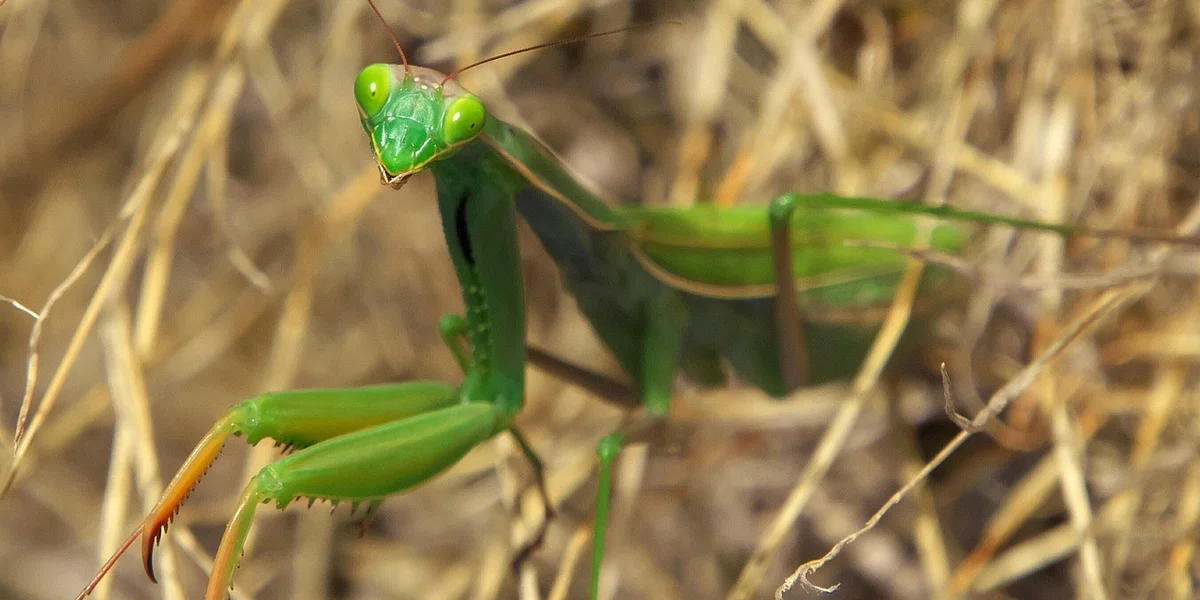
When a praying mantis feels threatened, it may release a small, brownish fluid from its mouth. This defensive secretion is not a true venom, but it can be a potent irritant for some individuals. The reaction depends entirely on your personal sensitivity and where the fluid makes contact. To deal with an aggressive, defensive praying mantis safely, avoid sudden movements and give it space. If you must interact, do so slowly and with care, or seek expert assistance.
For Human Handlers
If the fluid touches your skin, you might feel a slight, temporary stinging sensation. For most people, it’s comparable to a mild skin irritation. Washing the area thoroughly with soap and warm water is almost always enough to resolve any discomfort. The real concern arises if the fluid gets into your eyes or an open cut.
- Eyes: Can cause significant stinging, redness, and temporary blurred vision. Flush the eye immediately with clean, lukewarm water for at least 10-15 minutes.
- Mouth: An unpleasant, bitter taste is the most common result. Rinse your mouth out with water.
- Open Wounds: May cause a sharper sting. Clean the area with an antiseptic wash.
My Ghost Mantis, Luna, has never sprayed, but my more skittish Giant Asian, Moss, once did when he was startled during a molt. The key is to remain calm and not startle your mantis, as a peaceful environment prevents most defensive behaviors.
For Household Pets
Cats and dogs are naturally curious, and a mantis’s sudden movement might provoke an investigatory sniff or paw. The defensive spray is more likely to irritate a pet’s sensitive nose, eyes, or mouth than cause any lasting harm. Watch for signs like pawing at the face, sneezing, or excessive drooling.
| Pet | Potential Reaction | Recommended Action |
|---|---|---|
| Cats | Sneezing, head shaking, temporary avoidance | Wipe face with a damp cloth, offer fresh water |
| Dogs | Drooling, rubbing muzzle on the floor | Rinse mouth gently with water, offer a cool treat |
| Small Pets (e.g., hamsters) | Unlikely direct contact, but stress from mantis presence | House enclosures in separate, calm rooms |
Prevention is the simplest cure; always supervise interactions between your mantis and other pets, or simply keep them in separate spaces. The well-being of all your creatures depends on a calm, controlled environment, and taking steps to prevent common parasites and diseases in your mantis is an essential part of this.
Handling with Care: What to Do If Your Pet Mantis Sprays
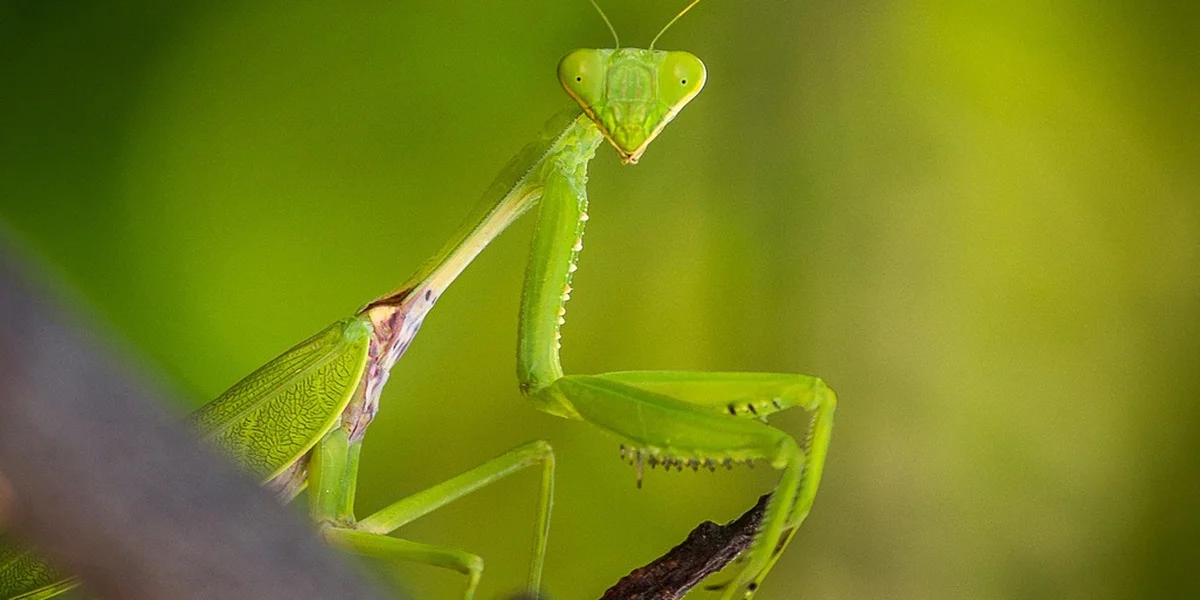
A spraying mantis is a frightened mantis. Your first priority is to de-escalate the situation for both of you. Do not punish or startle your mantis further, as this will only reinforce its defensive behavior. They are acting on pure instinct, which is why proper handling techniques are crucial to calming a skittish praying mantis.
- Stay Calm and Step Back: Freeze your movements and slowly give your mantis some space. Avoid loud noises or sudden breaths.
- Secure the Enclosure: Gently place the lid back on the habitat if it was open. Allow your mantis at least 30 minutes to an hour to settle down completely.
- Address the Spray Residue: If the fluid landed on the enclosure glass or decor, spot-clean it with a q-tip dipped in warm water. Avoid using any chemical cleaners inside the habitat.
- Check on Your Mantis: After the quiet period, observe from a distance. Look for normal perching behavior and relaxed antennae, which signal it has calmed down.
- Re-evaluate Your Approach: Consider what triggered the event. Were your movements too quick? Was the mantis mid-molt or recently fed? Learning the specific trigger helps you build a more trusting relationship over time.
I learned this gentle method after my Orchid Mantis, Sprig, sprayed once when I tried to handle her too soon after a meal. Respecting their space and individual personality is the foundation of confident mantis keeping. With patience, even a nervous mantis can learn you are not a threat.
Beyond the Spray: Other Common Mantis Defense Behaviors
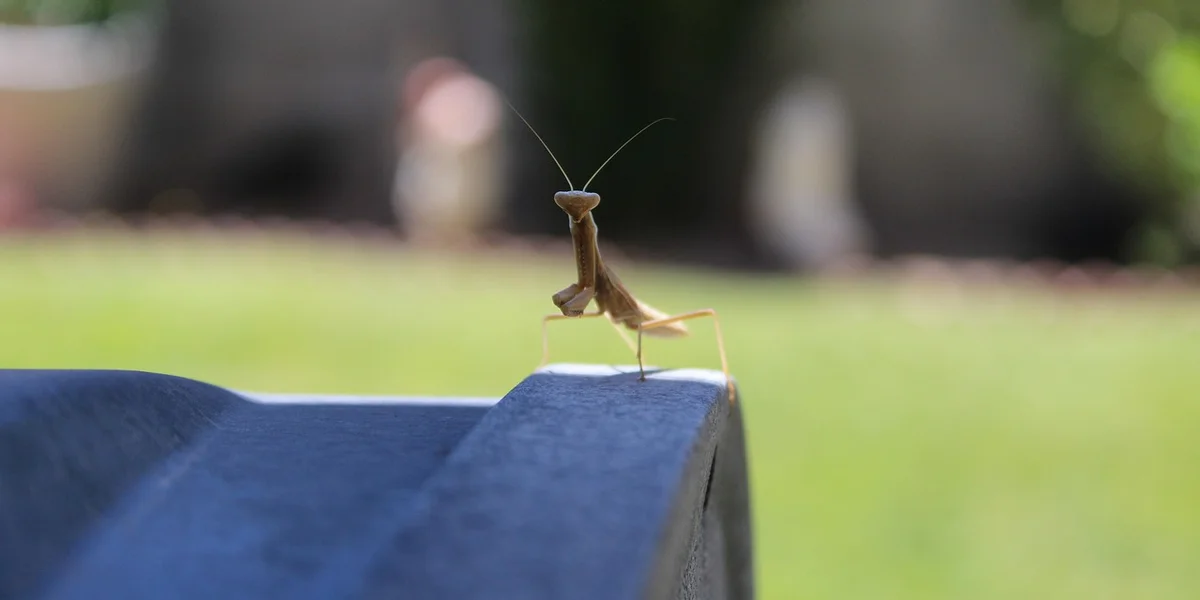
Praying mantises rely on a toolkit of subtle, instinctive defenses that go far beyond any notion of spitting or spraying. These traits are what make praying mantises special. They boast unique characteristics like 180-degree head rotation and highly specialized, grasping forelegs.
Camouflage and Stillness: The First Line of Defense
Many mantises blend into their environment so perfectly that they become living sculptures, avoiding detection by staying utterly motionless for hours. You will often find your mantis perched with a gentle, leaf-like rustle, its body angled to mimic surrounding foliage or branches.
Species like the Ghost Mantis take this further, with frilled legs and muted colors that break up their outline.
- Color matching: Their exoskeletons can mirror greens, browns, or even floral hues.
- Posture adjustments: They may sway slightly in a breeze or tuck limbs close to appear smaller.
- Environmental mimicry: Some look like dried leaves, bark, or orchid petals to fool predators.
Our Luna, a Ghost Mantis, exemplifies this-she often freezes mid-movement, her delicate form vanishing against a backdrop of twigs and moss.
Threat Displays: When Mantises Stand Their Ground
If camouflage fails, a mantis may escalate to a dramatic threat display, raising its forelegs and splaying its wings to appear larger and more intimidating. This posture, often accompanied by a soft hiss from air expelled through spiracles, signals clear discomfort.
We have seen Moss, our Giant Asian Mantis, adopt this stance when curious house pets wander too close-his emerald body becomes a rigid, warning statue.
- Foreleg elevation: The mantis lifts its raptorial arms high, exposing sharp spines.
- Wing spreading: In winged species, this reveals often bright or patterned undersides.
- Body arching: They may curve their abdomen upward to enhance the silhouette.
These displays are usually enough to deter smaller threats without physical contact.
Physical Strikes and Defensive Bites
When cornered, mantises can deliver quick, precise strikes with their forelegs, using hooked spines to grip and immobilize potential threats. Though rarely aimed at humans, a startled mantis might nip if handled roughly-a pinch more surprising than painful.
- Raptorial leg use: They target eyes or sensitive areas on insects or small vertebrates.
- Biting as last resort: Their mandibles can pinch skin, but lack venom or significant force.
- Escaping grips: A mantis may thrash or twist to break free from restraint.
Always approach your mantis with slow, calm movements to avoid triggering these reactions.
Playing Dead: The Surprise of Thanatosis
Some mantises will suddenly drop to the enclosure floor and lie completely still, feigning death to confuse predators that rely on movement to hunt. This behavior, called thanatosis, can last several minutes until the perceived danger passes.
Juvenile mantises like our Sprig have used this tactic during molting periods, when they are most vulnerable.
- Sudden collapse: The mantis lets go of its perch and falls limply.
- Limb rigidity: Legs may be held stiff or curled inward to enhance the illusion.
- Gradual recovery: After a quiet interval, they slowly stir and resume normal activity.
If you see this, resist the urge to intervene-your mantis is employing a natural survival strategy.
Fleeing and Hiding: The Simple Escape
Many mantises prefer a quick retreat, using their agility to dart behind leaves or into crevices at the first sign of trouble. This is especially common in younger or smaller species, who lack the size for bold confrontations.
- Rapid movement: They can scuttle sideways or backwards with surprising speed.
- Seeking cover: Enclosures with ample plants and hiding spots support this instinct.
- Climbing mastery: Vertical escapes up branches or enclosure walls are frequent.
Providing a well-structured habitat with plenty of cover helps your mantis feel secure enough to avoid constant stress. To truly create a naturalistic, safe habitat for your praying mantis, use branches, realistic vegetation, and appropriate lighting. This kind of setup lets them display natural behaviors and stay calmer.
Questions from Fellow Mantis Friends
What is mantis defense spray?
Mantis defense spray refers to a natural secretion released by certain species when threatened, not a commercial product. It is a chemical deterrent used as a last resort to startle predators.
Is mantis defense spray safe for humans?
For most people, it causes only mild, temporary skin irritation that resolves with washing. Avoid contact with eyes or open wounds to prevent discomfort.
Can mantis defense spray harm pets?
It may irritate a pet’s sensitive nose or eyes, leading to sneezing or drooling, but is unlikely to cause lasting harm. Always supervise interactions and keep pets separate to avoid issues.
Wrapping Up Mantis Defense Behaviors
Praying mantises do not spit or spray, relying instead on camouflage and threat displays to stay safe. These defense mechanisms—camouflage, threat displays, and quick strikes when threatened—are explained in more detail through the defense mechanisms explained. We can support their natural instincts by handling them gently and maintaining a stress-free enclosure.
Responsible pet ownership starts with observing your mantis and adapting care based on their unique needs. Let’s continue learning and sharing insights to nurture our fascinating insect friends with confidence and care.
Further Reading & Sources
- Can A Praying Mantis Hurt You? And Other Cool Facts – World Animal Council
- Do Praying Mantis Spit? | Keeping Exotic Pets
- Do Praying Mantis Spit? (Revealed: Truth or Myth) – WhatBugIsThat
- Can a Praying Mantis Spit and is it Dangerous? | petusiast
Rowan Hale is a lifelong insect enthusiast who fell in love with mantises for their calm presence, alien elegance, and surprising personalities. After years of keeping and raising a variety of species, Rowan shares practical tips, creative insights, and real-world experience to help others enjoy the quiet magic of mantis care. From setting up the perfect enclosure to understanding their subtle behaviors, Rowan invites readers into a gentle, curious world where every tiny movement feels like a discovery.
Predatory Threats