
How Strong Are Praying Mantises? Understanding Their Weight Capacity and Strength
Hello, mantis friend! Picture a praying mantis perched on a leaf, its slender body swaying gently in the breeze-then, in a blur, it strikes with precision, seizing a moth mid-flight. That quiet moment hides a world of hidden power.
Praying mantises are remarkably strong for their size, often lifting prey two to three times their own body weight with ease. Their strength isn’t just about raw numbers; it’s shaped by their species, age, and even how we care for them.
Understanding their capacity involves more than simple measurements-it’s about the delicate balance of their anatomy and environment. From my own mantis, Moss, I’ve seen how a healthy diet and proper habitat can boost their natural abilities.
- Factors like species and life stage heavily influence their lifting power.
- Their raptorial legs act like living pliers, gripping with surprising force.
- Good care, from feeding to enclosure setup, helps mantises reach their full strength potential.
The Anatomy Behind Mantis Strength: Raptorial Forelegs and More
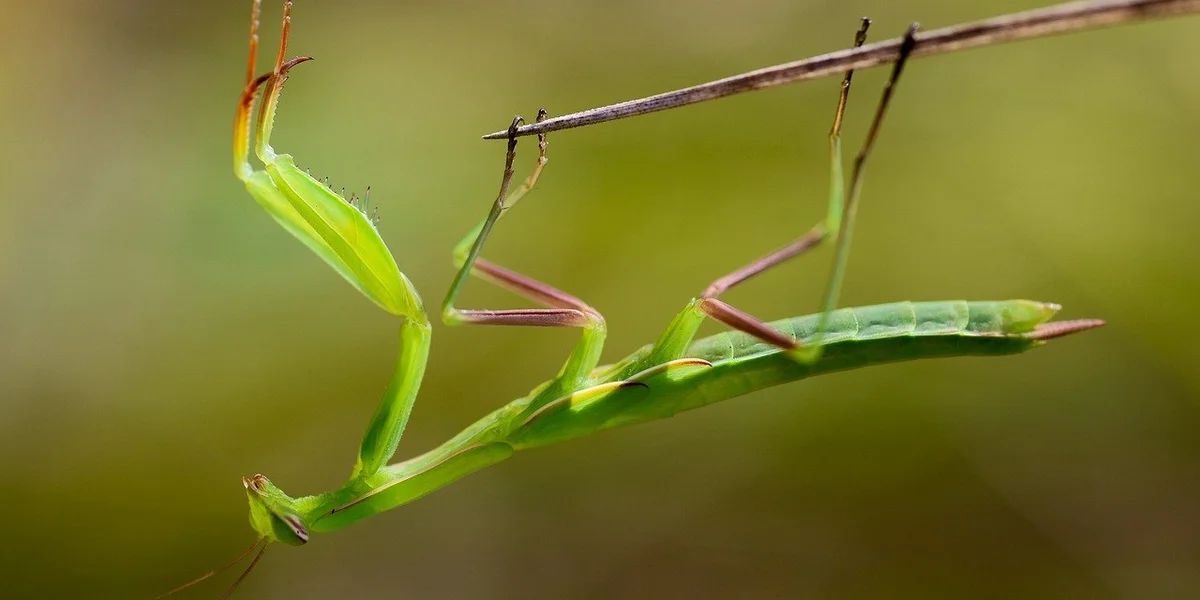
Praying mantises wield raptorial forelegs that act like nature’s precision tools, with serrated spines and a hinged joint for swift, secure grabs. These specialized limbs snap shut in milliseconds, trapping prey with a grip that feels both delicate and unyielding. Curious minds often ask, are praying mantis arms claws called? Technically, they’re raptorial forelegs, not true claws, though their hooked spines function like claws when gripping prey.
Insect muscles pack immense power relative to their size, and the exoskeleton acts as a built-in suit of armor, reinforcing each movement. This combination lets mantises exert force far beyond what their slender frames suggest, much like a tiny weightlifter in a protective shell.
Imagine the mantis foreleg as a pair of garden shears-the joint serves as the pivot, giving it a mechanical advantage to apply strong pressure with minimal effort. This lever system allows even small mantises to hold down struggling insects many times their own weight.
Key biomechanical features that boost their grip and strike speed include:
- Barbed spines on the tibia that dig into prey, preventing escape.
- Rapid muscle contractions powered by high-energy reserves for lightning-fast attacks.
- A flexible coxa joint that widens the striking range and improves accuracy.
- Lightweight exoskeletal segments that reduce drag while maximizing strength.
Understanding Mantis Weight Capacity and Prey Handling
Mantises assess prey through keen eyesight, gauging size and movement to avoid overambitious targets that could fight back. They often tilt their heads or adjust their stance, showing a thoughtful approach before committing to a strike.
When choosing feeder insects, aim for prey no larger than the mantis’s head or thorax to stay within safe weight limits. For instance, a subadult like my Ghost Mantis, Luna, handles fruit flies with ease, while an adult Giant Asian such as Moss can manage small crickets. When deciding between fruit flies vs houseflies for nymphs, fruit flies are typically the safer starting prey for younger mantises. As they grow, you can consider gradually introducing houseflies to larger individuals.
Tissue toughness plays a big role-softer-bodied insects like moths or flies are simpler to pierce and digest than hard-shelled beetles. This affects predation efficiency, as mantises conserve energy by targeting prey that yields quickly to their grip.
To observe your mantis and learn its strength boundaries during feeding, follow these steps:
- Place a suitably sized feeder insect in the enclosure and watch from a distance to avoid startling your mantis.
- Note the strike speed and how firmly the raptorial legs latch onto the prey-a strong mantis will hold without faltering.
- Time how long it takes to subdue and begin eating; struggles lasting more than a minute might mean the prey is too hefty.
- Check for signs of fatigue, like releasing the prey early or sluggish movements, and adjust feeder size accordingly.
Strength-to-Weight Ratio: How Mantises Measure Up
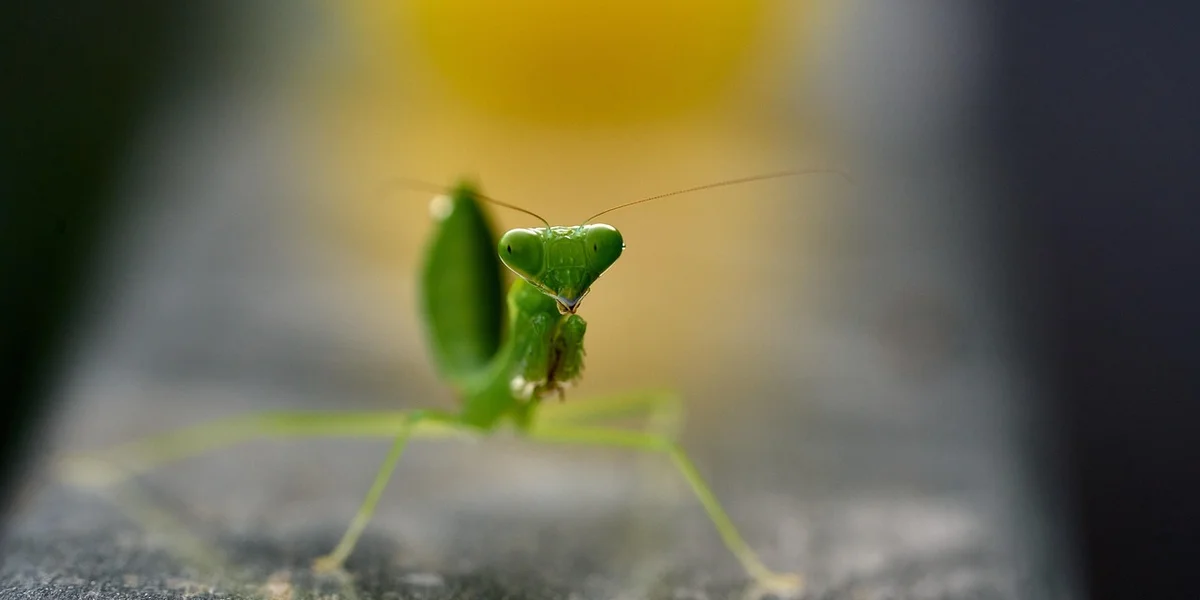
When we look at a praying mantis, its slender build might not scream power, but these insects pack a surprising punch for their size. A mantis can typically lift and hold prey that weighs up to three times its own body weight, which is like a person hoisting a small car with their bare hands. This incredible strength comes from their specialized muscles and joint structures, allowing them to be efficient hunters in their tiny world. What makes mantises so special are their unique characteristics: a flexible neck and spiny, grasping forelegs. Coupled with their keen, forward-facing eyes, these traits make them precise, patient hunters.
Comparing mantises to other creatures helps put their abilities in perspective. While ants are famous for carrying objects many times heavier than themselves, mantises excel in quick, powerful strikes rather than long-distance hauling. For instance, a common garden mantis might overpower a grasshopper or small moth with ease, whereas larger species can tackle prey like small lizards or frogs. We often see this in our own terrariums-our Ghost mantis, Luna, gently restrains fruit flies, while Moss, the Giant Asian, confidently grabs crickets without a struggle.
Scientists measure mantis strength using methods like force sensors and high-speed cameras to track their grip and strike forces. These tools help researchers understand how mantises generate such force through their raptorial legs, which act like spring-loaded traps. By studying the biomechanics, we learn that their strength isn’t just about muscle mass but also about leverage and speed, making every movement count.
For pet owners, common questions often arise about what mantises can handle. You might wonder if your mantis can climb smooth surfaces or escape its enclosure-most can grip well on textured materials but struggle with slick glass. Another frequent query is whether they can injure themselves by holding onto heavy objects; generally, they’re adept at judging their limits, but it’s wise to avoid overcrowding their space with bulky items.
Strength Variations: Species, Gender, and Growth Stages
Not all mantises are created equal when it comes to strength, and the differences can be quite striking depending on the species. Giant Asian mantises, like our Moss, tend to be robust and can subdue larger prey, while delicate species such as Ghost mantises focus on smaller, softer targets. This variation means that choosing the right mantis for your home depends on what you’re comfortable handling and feeding.
Strength evolves dramatically as mantises grow from tiny nymphs to full adults. Young nymphs have softer exoskeletons and weaker grips, making them more vulnerable until they molt and harden. Each molt brings a boost in power, with adults reaching their peak strength after the final shed. We’ve watched Sprig, our Orchid mantis, transform from a cautious juvenile to a confident hunter, her strikes becoming more precise with each stage.
Gender plays a big role in strength, with female mantises often outmuscling their male counterparts. Females are typically larger and bulkier, built for capturing substantial prey to support egg production, whereas males are leaner and more agile for quick escapes. This doesn’t mean males are weak-they’re just optimized for different tasks, like navigating complex environments during mating season.
To give you a clearer picture, here’s a table comparing strength traits for some popular pet mantis species:
| Species | Average Size | Prey Size Capability | Notable Strength Traits |
|---|---|---|---|
| Ghost Mantis | 4-6 cm | Small flies, fruit flies | Delicate grip, best for lightweight prey |
| Giant Asian Mantis | 7-10 cm | Crickets, small moths | Powerful strikes, handles mid-sized insects |
| Orchid Mantis | 5-7 cm | Flies, small beetles | Agile and precise, suited for ambush hunting |
| European Mantis | 6-8 cm | Grasshoppers, caterpillars | Strong legs, good for varied prey in gardens |
Understanding these variations helps us tailor care to each mantis’s needs. By matching their environment and diet to their natural strengths, we can ensure they thrive without unnecessary stress. For example, providing sturdy branches for larger species to climb on supports their powerful grips, while finer perches suit more delicate types. A naturalistic, safe habitat for your praying mantis helps them stay calmer and show natural behaviors. Designing the enclosure with realistic branches and foliage supports their long-term health.
Practical Implications for Pet Mantis Care
-
Start by matching feeder insects to your mantis’s current size and strength—this prevents unnecessary strain during feeding. Offering prey that’s too large can overwhelm even a sturdy mantis, so we always pick insects no bigger than the space between its eyes. This naturally ties into our praying mantis feeding schedule species comparative guide. There we compare prey habits and feeding frequencies across species. From our time with Moss, our energetic Giant Asian mantis, we learned that juvenile mantises do best with tiny fruit flies, while adults confidently tackle small crickets or flies.
-
Design the enclosure with vertical branches, twigs, and ample climbing space to promote natural hunting and exercise. A well-furnished habitat encourages your mantis to use its strength regularly, keeping those forelegs toned and ready. We’ve seen Luna, our Ghost Mantis, perch for hours on a gently curved vine, poised to strike-this setup mirrors her wild instincts and supports healthy muscle development.
-
Keep a close eye on how your mantis interacts with prey; signs of overexertion include repeated misses, backing away, or dropping the insect. If your mantis struggles to subdue its meal, it’s a clear signal to switch to smaller, easier targets. When Sprig, our Orchid Mantis, once fumbled with a hefty moth, we knew to offer softer-bodied options like waxworms instead.
-
As your mantis matures, gradually introduce larger feeders and adjust the enclosure to challenge its growing strength. Regular updates to care routines ensure your mantis remains engaged and physically fit throughout its life stages. We’ve watched Moss transition from delicate prey to robust crickets, his emerald frame growing sturdier with each successful hunt.
Safety and Handling: Can a Mantis Hurt You?
-
Rest assured, a praying mantis’s strength is no match for human skin—they simply lack the power to cause real injury. Their formidable grip is reserved for insects, not people, making them wonderfully safe pets to observe and handle. If you’re wondering whether they’re good pets, this guide explains the pros and cons. It’s a concise overview of what to expect when keeping a praying mantis.
-
A defensive bite feels like a faint pinch, often compared to a light tap from a blade of grass, and occurs only if the mantis feels cornered. This mild pinch strength is their last resort, used sparingly when they sense immediate danger.
-
For stress-free handling, approach slowly and let the mantis step onto your open hand on its own terms. Moving with patience reduces the likelihood of startled nips and helps your mantis feel secure in your care.
-
Overall, pet mantises are gentle companions that rarely show aggression towards their keepers. With a calm demeanor and mindful touch, you’ll find these creatures to be peaceful additions to your home. If you’re wondering whether praying mantises are friendly, understanding their temperament is key. By observing their reactions to gentle handling and quiet surroundings, you can gauge how comfortable they are with human interaction.
Questions from Fellow Mantis Friends
What does Reddit say about praying mantis strength?
Reddit users often share observations of mantises easily capturing prey larger than themselves, highlighting their impressive grip and strike speed. However, experiences can vary by species and individual health, so it’s best to consult reliable care guides alongside community insights.
Can the praying mantis’ strength hurt humans?
A mantis’s strength is not sufficient to cause harm to human skin, as their grip is adapted for insect prey. If they do bite defensively, it feels like a mild pinch and is very rare during gentle handling. When bites do occur, they are typically brief and only mildly painful, illustrating the generally low pain level of mantis bites. This helps people understand what to expect if a mantis bites and reassures that bites are not a serious threat to humans.
What are the strengths and weaknesses of a praying mantis?
Their key strengths include powerful raptorial legs for swift prey capture and excellent camouflage for ambush hunting. Weaknesses involve vulnerability during molting when their exoskeleton is soft, and they can struggle with overly large or hard-bodied prey that resists their grip.
Nurturing Your Mantis’s Remarkable Strength
Praying mantises wield surprising power for their size, adeptly managing prey larger than themselves in the wild. Mantises eat a wide range of insects, and a comprehensive list of suitable prey can guide your feeding decisions. We always recommend selecting feeder insects that match your mantis’s size and strength to avoid overexertion and support their natural hunting instincts.
Embracing responsible pet ownership involves a commitment to learning and adapting your care routines as your mantis grows. Stay curious and seek out new insights from trusted sources to ensure your mantis enjoys a healthy, vibrant life under your watch.
Further Reading & Sources
- Mantis – Wikipedia
- r/biology on Reddit: How tall would a Praying Mantis weighting 100kg be?
- How much does a praying mantis weigh in grams and what is the height of a praying mantis? – Quora
- Praying Mantis | Euclid Public Library
Rowan Hale is a lifelong insect enthusiast who fell in love with mantises for their calm presence, alien elegance, and surprising personalities. After years of keeping and raising a variety of species, Rowan shares practical tips, creative insights, and real-world experience to help others enjoy the quiet magic of mantis care. From setting up the perfect enclosure to understanding their subtle behaviors, Rowan invites readers into a gentle, curious world where every tiny movement feels like a discovery.
Feeding