
How to Handle Your Praying Mantis Safely
Published on: November 11, 2026 | Last Updated: November 11, 2026
Written By: Rowan Hale
Hello, fellow mantis friend. There’s a special kind of magic in watching one of these living sculptures slowly, deliberately, reach out and step onto your hand.
Handling your praying mantis safely is about gentle, patient interactions that respect their delicate nature and keep both of you comfortable and stress-free.
It seems simple, but getting it right involves understanding their unique body language, knowing when to interact, and creating an environment of trust.
In this guide, we’ll walk through:
- The correct way to offer your hand and encourage stepping up.
- How to read your mantis’s mood through its posture and movements.
- Creating short, positive handling sessions that build confidence.
Understanding the Right Time for Mantis Handling
-
Look for active movement and a calm posture as clear signs your mantis is ready for handling. When your mantis strolls along a branch with slow, deliberate steps and keeps its arms relaxed at its sides, it’s often inviting gentle interaction. From my experience with Luna, her misty brown frills seem to quiver with curiosity when she’s in a sociable mood, and she’ll even tilt her head as if sizing up the world beyond her terrarium.
-
Always check for molting, recent feeding, or illness to prevent unnecessary stress. Gently observe your mantis for cloudy eyes or a still, hunched stance—both can signal an upcoming molt, a time when handling could harm their delicate new skin. If their abdomen looks full from a recent meal, wait a day or two; a bloated mantis prefers rest over exploration. Watch for any sluggishness or discoloration that might hint at illness, and err on the side of caution by postponing contact.
-
Temperature and humidity in the enclosure play a big role in your mantis’s readiness. Mantises thrive in warm, stable environments, and a drop below 20°C can make them too sluggish for handling, while high humidity around 70% often perks them up. I’ve noticed Moss, my Giant Asian Mantis, becomes far more adventurous on balmy days when his home feels like a humid, tropical nook-his emerald body almost glows with energy.
Preparing Yourself and the Environment for Interaction
-
Wash your hands thoroughly with mild, unscented soap to remove oils, lotions, or pesticide traces. Clean hands ensure you don’t transfer any harsh chemicals to your mantis’s sensitive exoskeleton, keeping them safe and healthy. (Pesticides and bug sprays can be especially harmful).I make it a habit to rinse well under warm water before reaching for Sprig, as her petal-like skin deserves the purest touch.
-
Set up a calm, escape-proof area close to the terrarium, like a cleared tabletop or a small, enclosed room. Choosing a quiet spot with no drafts or sudden noises helps your mantis feel secure and reduces the chance of them darting away. That calm setup also helps create a naturalistic, safe habitat for your praying mantis. Add soft foliage textures and secure perches to mimic their wild environment. We often use a spare tray with soft edges—it’s cosy and contained, much like a miniature stage for their brief adventures.
-
Consider using soft, breathable gloves if you or your mantis seem uneasy, as they can ease nerves on both sides. If the mantis shows aggression or is defensive, keep your movements slow and avoid looming over it. In those moments, a calm, deliberate approach with gloves can help keep both you and your mantis safe. Thin cotton gloves offer a gentle barrier that protects your mantis from rough skin and gives you confidence during those first tentative holds. For skittish juveniles like Sprig, I’ll sometimes slip on gloves to mimic the softness of a leaf, and she’ll cling without a fuss.
Gentle Techniques for Picking Up and Holding Your Mantis
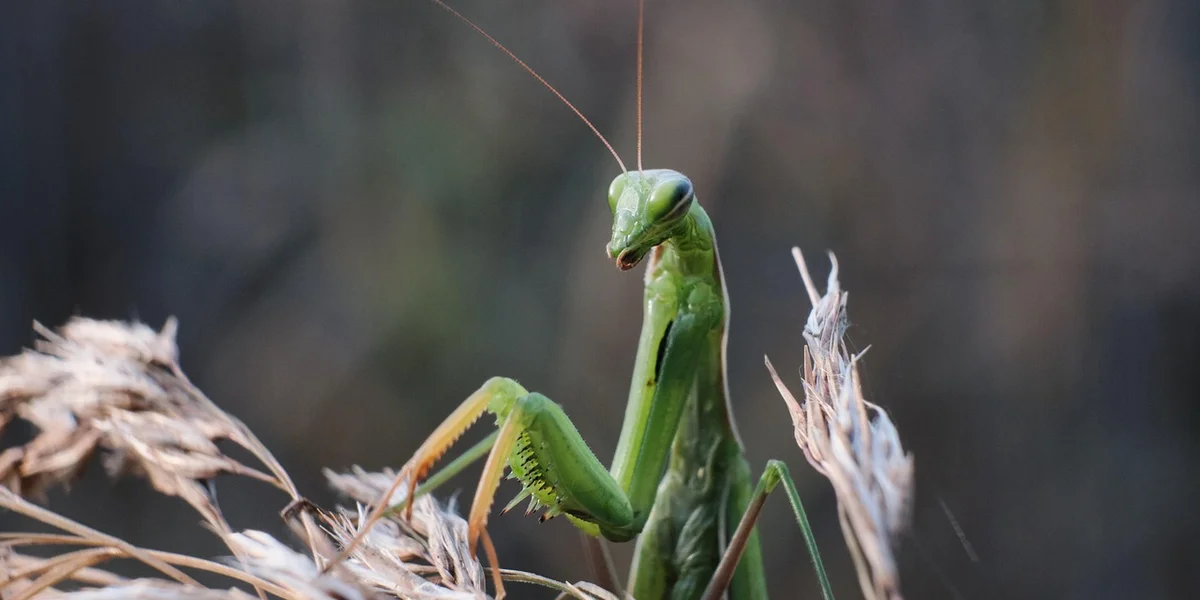
Approaching your mantis with slow, calm movements builds trust and makes handling a peaceful experience. Moving your hand gradually toward them lets the mantis see you as a safe perch rather than a threat. We find that holding your palm flat and steady encourages them to step on willingly, much like how my Ghost Mantis Luna often tilts her head before climbing aboard.
For shy or skittish mantises, using a soft brush or a thin stick can ease the transition. Gently nudging their legs with a tool allows them to grip it first before moving to your hand. Here’s a simple step-by-step method:
- Place the brush or stick near their front legs without touching them directly.
- Wait for the mantis to step onto the tool on their own-no pushing needed.
- Slowly lift the tool and guide them onto your open palm.
Avoid any sudden grabs or tight holds, as this can harm their delicate antennae and limbs. Quick movements might startle them into defensive postures or cause accidental injury. With my energetic Moss, I always let him set the pace, and he rarely hesitates to explore.
Reading Your Mantis’s Body Language and Reactions
Recognising stress signals helps you know when to back off and give your mantis space. Common signs of discomfort include flicking their abdomen side to side, making a soft purring sound, or raising their front legs in an aggressive stance. If you see this, it’s best to pause handling and let them calm down in their enclosure.
Calm behaviors show your mantis is relaxed and curious. Gentle walking, slow head tilts, and antennae twitching often mean they’re exploring their surroundings without fear. My Orchid Mantis Sprig, for instance, will sometimes pause and watch me with a quiet intensity before resuming her patrol. Behavior can change as they molt and mature. Watching these shifts helps you gauge their lifecycle stage.
Observing without handling is a great way to bond while reducing anxiety. Spending time near their habitat lets you learn their habits and moods without any physical contact. Sit quietly and watch how they move, eat, or rest-you’ll pick up on subtle cues that make future interactions smoother.
Safety Measures to Protect Both You and Your Mantis
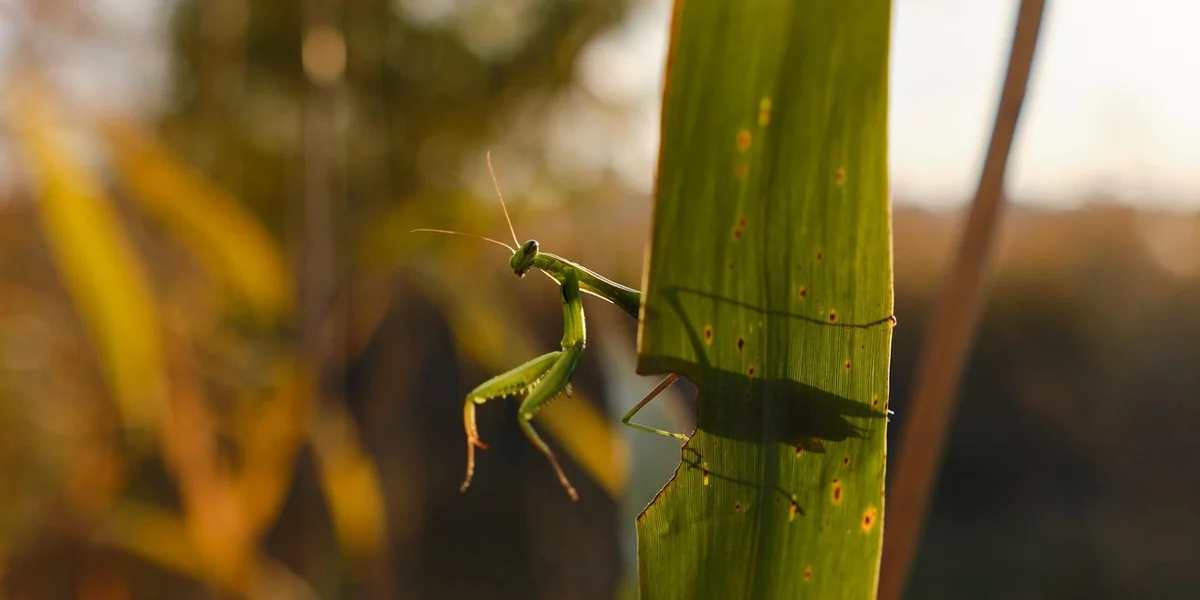
Handling your praying mantis can be a delightful experience, but it requires careful attention to keep everyone safe. We always start by choosing a quiet time when both we and our mantis are relaxed, much like how my Ghost Mantis Luna prefers the calm of early evening. This approach also helps us gauge a mantis’s temperament and whether it seems comfortable around humans. By watching for cues like stillness or retreat, you can tell if it’s safe and appropriate to handle. A peaceful setting helps prevent sudden movements that might frighten your insect companion.
- Step 1: Keep handling sessions brief to minimize escape risks.
- Step 2: Avoid areas with drafts or loud noises that could startle the mantis.
- Step 3: Monitor for signs of fatigue or discomfort during interaction.
Watch for subtle cues like slower movements or a mantis turning away, which signal it is time to end the session. Gentle handling not only protects their fragile limbs but also builds a trusting relationship over time. I recall how Moss, my Giant Asian Mantis, would gently step onto my hand when he felt secure, his emerald body poised and calm.
Fun Alternatives to Direct Handling for Bonding
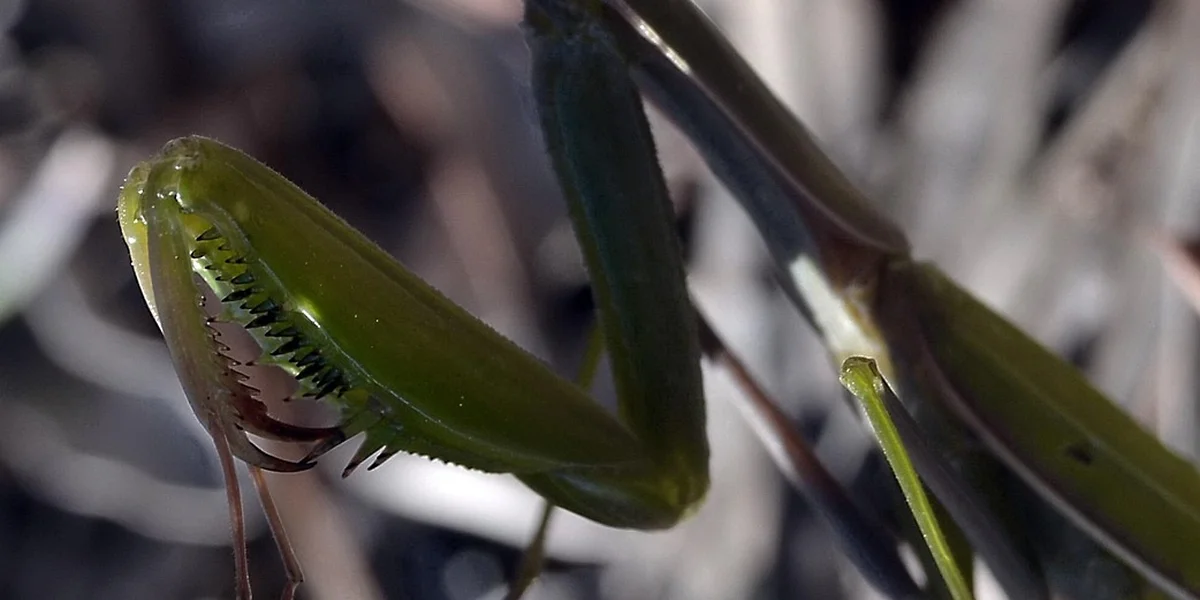
Bonding with your mantis does not always require physical contact; enriching their environment can be just as rewarding. Adding live plants like pothos or small ferns creates a lush, natural habitat that encourages exploration and reduces stress. Live plants are a safe, beneficial addition to a praying mantis enclosure. The soft rustle of leaves and the humid, earthy scent make the terrarium a cozy retreat for your mantis.
- Suggest adding plants and shelter to the habitat for enrichment.
- Include ideas for feeding observations or gentle terrarium upgrades.
- Note how these activities support mantis care without physical contact.
Observing feeding times can be a quiet joy, as you watch your mantis stalk prey with patient precision. Upgrading their space with soft moss or a new branch offers mental stimulation and mimics their wild surroundings. My Orchid Mantis Sprig loves perching on fresh additions, her pink-and-white marbling glowing under warm light. These activities let us connect deeply while respecting their need for space and safety.
Responding to Accidents or Minor Injuries
-
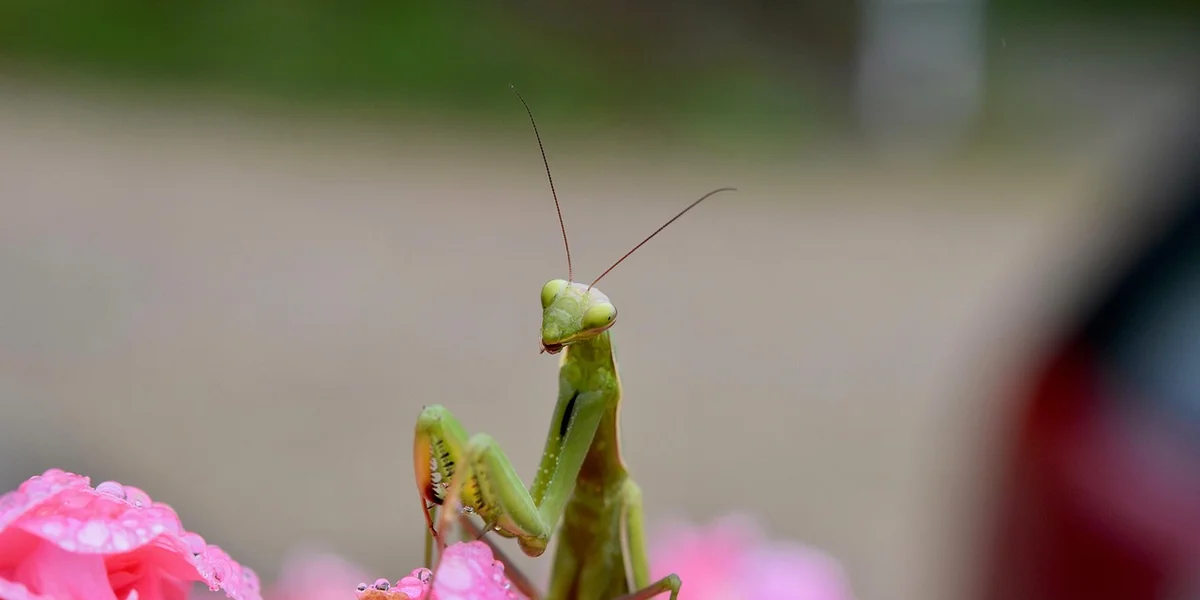
If your mantis gives a small bite or scratch, don’t worry-it’s usually more surprising than harmful. Rinse the area with clean, lukewarm water right away to wash out any debris. Gently pat it dry with a soft cloth, and avoid using soaps or antiseptics that could irritate the skin. Clean water is your best friend for preventing infection and soothing minor wounds. I remember when Luna, my ghost mantis, once nipped my finger during a feeding; a quick rinse under the tap left no mark, and she went back to her perch as if nothing happened.
-
When your mantis seems stressed-perhaps darting quickly or clinging tightly-it’s time to return them to their enclosure calmly. Start by cupping your hands gently around them, moving slowly to avoid sudden motions. Guide them onto a familiar branch or leaf inside their home, letting them step off on their own. Keeping movements steady helps your mantis feel secure and reduces the risk of further stress. With Moss, my giant Asian mantis, I’ve found that a soft nudge with a paintbrush works wonders if he’s too skittish to handle directly, especially when you’re trying to hand-tame a skittish praying mantis.
-
While most mishaps are minor, watch for signs that need expert attention. If your mantis has a visible injury like a broken limb, shows bleeding, or acts lethargic for more than a day, contact a vet who specializes in invertebrates. For issues like difficulty molting or loss of appetite, it’s better to seek help early. Trust your instincts-if something feels off, reaching out for professional guidance can make all the difference for your mantis’s health.
FAQs on Mantis
How frequently should I handle my praying mantis to keep it comfortable?
Handle your mantis no more than a few times a week to prevent stress and overstimulation. Always watch for signs of fatigue or disinterest and adjust based on their individual temperament.
Is it okay to handle my mantis immediately after it has finished molting?
Wait at least 24-48 hours after molting to allow their new exoskeleton to fully harden and reduce the risk of injury. Provide a quiet, stable environment during this recovery period to support their health.
What behaviors indicate that my mantis is enjoying the interaction?
Look for slow, deliberate movements and curious head tilts as signs of a relaxed and engaged mantis. They may also gently explore your hand without showing defensive postures like raised front legs.
Gentle Goodbyes: Your Mantis Handling Recap
Handle your mantis with calm, patient movements and always read their body language for comfort. Creating a stress-free experience builds trust and keeps your tiny friend safe during interactions.
Owning a praying mantis is a delightful commitment that grows with your knowledge and care. We invite you to keep learning and observing, as every day offers a new chance to understand their fascinating world better. In this guide, we’ll bust 11 common praying mantis myths and reveal the truth about mantis care. Stay with us to learn practical tips for a healthy, thriving mantis.
Further Reading & Sources
- Can You Pick Up Wild Praying Mantis: Safety & Handling Tips Can You Pick Up Wild Praying Mantis: Safety & Handling Tips
- How to Take Care of a Praying Mantis (with Pictures) – wikiHow
- Praying Mantis – Ask Extension
- Is It Safe to Hold a Praying Mantis? | Keeping Exotic Pets
Rowan Hale is a lifelong insect enthusiast who fell in love with mantises for their calm presence, alien elegance, and surprising personalities. After years of keeping and raising a variety of species, Rowan shares practical tips, creative insights, and real-world experience to help others enjoy the quiet magic of mantis care. From setting up the perfect enclosure to understanding their subtle behaviors, Rowan invites readers into a gentle, curious world where every tiny movement feels like a discovery.
First-Time Mantis Owners