
Signs of a Stressed Praying Mantis and How to Fix Its Habitat
Published on: March 2, 2026 | Last Updated: March 2, 2026
Written By: Rowan Hale
Hello, fellow mantis friend. There’s something uniquely peaceful about watching your mantis perched like a tiny, living sculpture. But when that stillness feels off, it’s natural to worry.
A stressed praying mantis shows its discomfort through physical changes, unusual behaviours, and a loss of appetite, but by carefully adjusting its habitat for temperature, humidity, and security, you can quickly help it feel safe again.
Recognising stress isn’t always straightforward, as their signals can be wonderfully subtle. We’ll walk through the clear indicators together, from antennae positions to feeding habits.
Here are the key areas we’ll cover:
- Spotting the physical and behavioural red flags of stress.
- Calibrating the perfect temperature and humidity levels.
- Creating a secure, enriching enclosure that feels like home.
- Simple, immediate steps to restore your mantis’s calm.
Recognizing the Telltale Signs of Mantis Stress
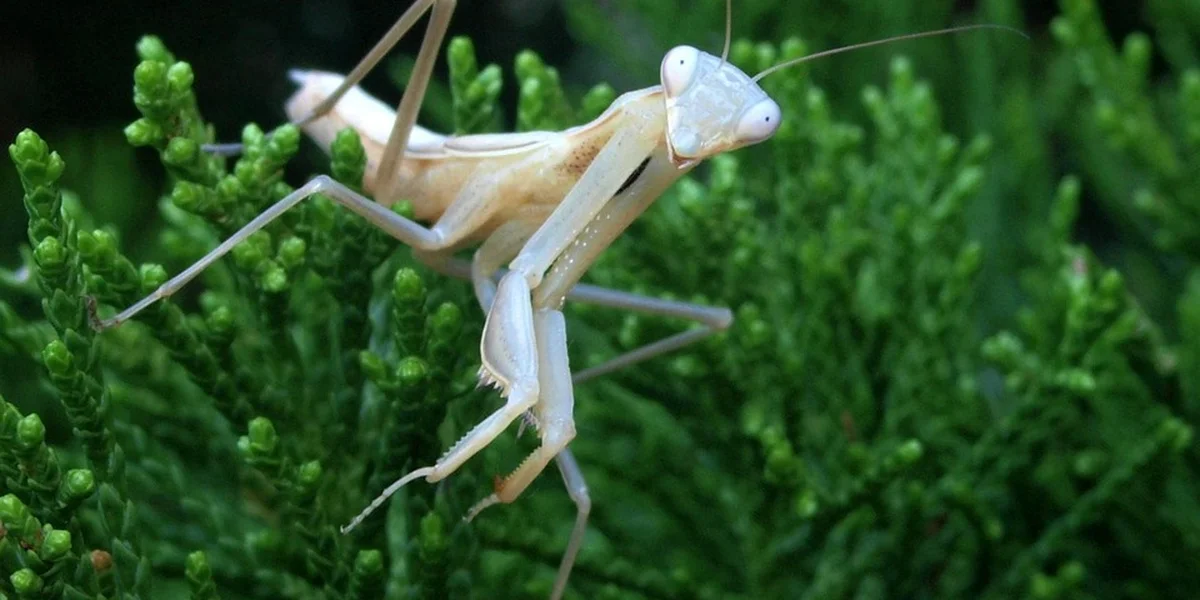
- Lethargy: Your mantis might sit unusually still for hours, barely reacting to movement around it. I’ve seen Luna, my Ghost Mantis, become so motionless she resembled a dried leaf, which was a clear shift from her normal alert posture.
- Reduced Appetite: A stressed mantis often ignores live prey it would normally pounce on. Moss, my Giant Asian Mantis, once turned away from fruit flies for days when his habitat felt off, signaling something was amiss.
- Erratic Movement: Instead of smooth, deliberate motions, you might notice jerky or frantic crawling. This can look like your mantis is trying to escape without reason, which I’ve observed in Sprig during sudden environmental changes.
- Head Tilt: A persistent tilt to one side can indicate stress or discomfort. Luna occasionally tilts her head when the humidity drops too low, making her seem unsteady.
- Dehydration: Watch for wrinkled skin or a sunken abdomen, as mantises need moisture to stay plump. I’ve misted Moss’s enclosure more frequently when I noticed his body looking slightly shriveled.
- Color Change: Stress can cause colors to fade or darken unnaturally. Sprig’s pink hues dulled when her tank lacked proper ventilation, a sign she wasn’t comfortable.
- Shedding Issues: Difficulty molting, like getting stuck in old skin, often stems from low humidity. Luna once had a partial shed that left her vulnerable, reminding me to keep conditions just right.
- Abnormal Molts: Molting in odd positions or at unexpected times can be a red flag. Moss molted prematurely once when temperatures fluctuated, leading to a weak new exoskeleton.
- Decreased Responsiveness: A normally curious mantis might not react to gentle touches or prey movements. I’ve seen this in Sprig when her space felt too crowded, making her withdraw.
- Agitated Defense: Excessive wing flaring or striking without provocation shows heightened stress. Luna will sometimes raise her forelegs defensively if her habitat is disturbed too often.
Behavioral Red Flags in Daily Activity
- Changes in Movement Patterns: Your mantis may pace erratically or avoid its favorite perches. Moss, for instance, stopped climbing his usual branches when the enclosure lacked enough vertical space, making him restless.
- Altered Feeding Habits: Skipping meals or showing less interest in hunting is common. I’ve noticed Luna hesitating to strike at prey when the lighting was too harsh, indicating discomfort.
- Shift in Interaction Levels: A stressed mantis might hide more or become overly defensive. Sprig used to retreat to the bottom of her tank when live prey was left uneaten, signaling she felt overwhelmed.
Physical Symptoms and Molting Troubles
- Color Shifts: A healthy mantis has vibrant, consistent coloring, while stress can cause dullness or patches. Moss’s emerald green faded when humidity levels dipped, unlike his usual bright hue.
- Dehydration Signs: Look for a wrinkled thorax or lethargic behavior, as mantises need regular misting. I’ve corrected this by adding a small water dish and misting twice daily for Luna.
- Molting Problems: Normal molts happen smoothly in a secure hang, but stress leads to incomplete sheds or deformities. Sprig once had a molt where her legs didn’t fully extend, which improved after adjusting her habitat’s humidity.
What’s Causing Stress in Your Mantis Habitat?
- Environmental stress factors range from enclosure size to air quality, and getting these wrong can unsettle your mantis. We’ll explore common pitfalls and how to create a calming space that mimics their natural environment.
| Factor | Ideal Conditions | Problematic Conditions |
|---|---|---|
| Enclosure Size | Tall enough for full hanging during molts | Cramped space limiting movement |
| Temperature | 75-85°F (24-29°C) for most species | Extreme cold or heat causing lethargy |
| Humidity | 50-70% to support hydration and molting | Too dry or overly damp leading to mold |
| Ventilation | Good airflow to prevent stagnation | Poor ventilation causing respiratory issues |
| Hiding Spots | Leafy plants or decor for security | Bare enclosures increasing exposure stress |
| Live Prey Supply | Appropriate-sized insects offered regularly | Overfeeding or underfeeding disrupting balance |
| Pesticide Exposure | None, using organic plants and prey | Chemicals from treated items causing toxicity |
| Cleanliness | Regular removal of waste and old prey | Dirty substrates promoting bacteria growth |
| Lighting | Indirect natural light or soft artificial sources | Harsh direct light causing agitation |
| Substrate Quality | Moisture-retaining materials like coconut fibre | Dry or sharp substrates irritating feet |
| Air Quality | Fresh, uncontaminated air free from fumes | Stale or polluted air from nearby sources |
Enclosure Setup and Space Issues
- Improper size can make your mantis feel trapped, especially if it lacks vertical room for climbing and molting. A tall glass jar or dedicated terrarium with branches works well, as I’ve used for Moss to give him space to explore.
- Lack of climbing surfaces like twigs or mesh leads to frustration and poor molting success. Adding fake vines or dried stems provides grip, which helped Luna feel secure during her growth phases.
- Poor decor without hiding spots increases stress from constant visibility. Simple additions like plastic plants or cork bark create cozy nooks, much like Sprig’s preference for tucked-away perches.
Environmental Imbalances: Temperature, Humidity, and Light
- Incorrect temperature ranges can slow metabolism or cause overheating, affecting activity levels. Use a small thermometer to monitor, and adjust with a heat mat or cooler spot if needed, as I do for Moss in cooler months.
- Low or high humidity disrupts molting and hydration, leading to physical stress. A hygrometer helps track levels, and misting with warm water boosts humidity gently, which resolved Luna’s shedding troubles.
- Inadequate lighting from too much or too little exposure affects daily rhythms and feeding. Position enclosures away from direct sun and use soft LED lights to mimic natural cycles, similar to what keeps Sprig calm and active.
Step-by-Step Fixes for a Calmer Mantis Home
-
Start by checking humidity with a simple hygrometer. Misting the enclosure lightly each morning mimics dew and keeps your mantis hydrated. For my Ghost Mantis Luna, I use a spray bottle set to fine mist, avoiding direct sprays that might startle her. If levels dip, add a shallow water dish or damp sponge corner for steady moisture.
-
Monitor temperature using a digital thermometer near the basking spot. Heat mats placed on one side create a gentle warmth gradient for natural thermoregulation. My Giant Asian Moss thrives when I keep his area around 75-80°F, adjusting room heaters or moving enclosures away from drafts as needed.
-
Boost air flow by adding small mesh panels or propping lids slightly ajar. Good ventilation prevents mold and stale air, which can stress delicate respiratory systems. I often crack open Sprig’s orchid habitat for an hour daily, letting fresh currents in without dropping humidity too much.
-
Introduce safe hides like cork bark tubes or silk plants. Hiding spots offer security, reducing anxiety when your mantis feels exposed. Weave in non-toxic ivy or fern replicas to mimic natural cover, giving options for perching and retreat. Plants are safe and beneficial in a mantis enclosure when you use non-toxic varieties or replicas. They help maintain humidity and provide natural climbing surfaces.
-
Provide live prey like fruit flies or pinhead crickets every few days. A consistent food source prevents hunger-induced stress and encourages natural hunting behaviors. Always source insects from pesticide-free suppliers to avoid toxins that could harm your pet.
-
Refresh substrate weekly with coconut fiber or paper towel liners. Clean bedding reduces waste buildup and deters mites or bacteria. I spot-clean Moss’s enclosure daily, wiping surfaces with warm water to maintain a fresh, earthy scent he seems to enjoy.
Quick Adjustments for Immediate Relief
-
Reposition the enclosure to a quieter, low-traffic area. Moving it away from loud noises or vibrations can soothe a jittery mantis in minutes.
-
Offer a single water droplet on foliage or your finger. This quick hydration boost often calms mantises showing signs of dehydration.
-
Limit handling to essential moments only. Reducing physical contact gives your mantis space to settle without added stress.
-
Dim bright lights or cover part of the enclosure. Softening the environment helps mantises feel less exposed and more secure.
Long-Term Habitat Enhancements
-
Upgrade to a mesh or screened enclosure for better air circulation. Proper housing with vertical space supports climbing and molting safely.
-
Install full-spectrum LED or low-wattage bulbs for natural daylight cycles. Consistent lighting regulates mantis activity and supports overall health.
-
Set a weekly deep-cleaning routine with gentle, pet-safe cleaners. Regular maintenance prevents stress from dirty or cluttered living conditions.
-
Use digital hygrometers and thermometers for accurate monitoring. These tools help you track changes and respond before issues escalate.
Preventing Stress Through Thoughtful Mantis Care
-
Conduct daily visual checks for normal behavior and appetite. Early detection of changes lets you address problems before they worsen.
-
Research your mantis species’ native habitat for tailored setups. Customizing care to mimic natural conditions reduces adaptation stress. To create a naturalistic, safe habitat for your praying mantis, mimic its native vegetation and enclosure structure. This approach supports authentic behavior and lowers stress levels.
-
Maintain stable temperature and humidity without sudden shifts. Different mantis species require different optimal mantis temperature and humidity ranges. Tailor your enclosure to the specific species you keep. Consistency in the environment fosters a sense of security for your mantis.
-
Observe feeding responses and adjust prey size accordingly. Matching food to your mantis’s size and species prevents frustration or injury. In a complete diet feeding guide, you’ll learn which prey provide essential nutrients and how often to feed. This helps ensure your mantis gets a balanced diet across its life stages.
Routine Care and Monitoring
-
Feed live insects on a set schedule, like every 2-3 days for adults. Regular meals keep energy levels steady and minimize hunting stress.
-
Mist enclosures lightly each morning to maintain humidity. This routine simulates natural dew and supports hydration needs.
-
Clean waste and uneaten prey daily to prevent odors and pests. A tidy habitat promotes calm and reduces health risks over time.
-
Note behavior patterns in a simple journal or app. Tracking habits helps you spot deviations early and adjust care proactively.
Tailoring Care to Your Mantis Species
-
Ghost Mantises like Luna prefer higher humidity and dense foliage. Their leaf-like bodies thrive in moist, shaded setups with plenty of hiding spots.
-
Giant Asian Mantises such as Moss need warmer temps and ample space. These active hunters benefit from taller enclosures and varied perches.
-
Orchid Mantises like Sprig require precise humidity and delicate prey. Their flower-mimicking forms do best with frequent misting and small, soft insects.
-
Always verify species-specific molting and dietary needs. Understanding unique traits ensures your mantis stays content and healthy long-term. Some keepers wonder if nutritional supplements are necessary. Generally, a varied diet of gut-loaded prey suffices, with supplements only advised for certain species or life stages.
Common Mantis Queries
How often should I handle my praying mantis?
Handling should be kept to a minimum, as it can be a significant source of stress. Only handle your mantis when absolutely necessary, and always watch for signs of agitation like defensive postures. Handling should be done with care and proper technique to ensure the safety and comfort of your pet.
What is the safest way to clean my mantis enclosure?
Perform a full cleaning by temporarily relocating your mantis to a secure, temporary container. Use only warm water to wipe down surfaces and avoid any soaps or chemicals that could leave harmful residues. This helps maintain a clean, safe habitat for your praying mantis. Regular upkeep reduces the risk of mold, bacteria, and pests in the enclosure.
What are the best feeder insects for my mantis?
Appropriately sized, live insects like fruit flies, pinhead crickets, or houseflies are ideal. Always ensure the prey is sourced from a pesticide-free supplier to prevent accidental poisoning. In particular, you might want to compare fruit flies and houseflies when selecting feeder insects for nymphs.
Your Mantis’s Path to Peace
Keep a close eye on your mantis for any unusual stillness or color shifts, and tweak their home by ensuring proper warmth and humidity. Small, consistent adjustments to their enclosure can transform stress into serene contentment. Watch for other stress signals—such as sudden pacing, erratic head movements, or a drop in appetite—to tell when your mantis is stressed. Recognizing these behavioral cues helps you tailor its care and keep it calm.
As caring keepers, we owe it to our mantises to stay curious and keep learning about their unique world. Your dedication to understanding their subtle needs makes all the difference in their wellbeing.
Further Reading & Sources
- All About Praying Mantises, Climate, and Temperature – Insect Lore
- How to Set up a Praying Mantis Habitat (Step-by-Step) – Insect Keeper
- Keeping Praying Mantis as Pets: The Beginners Guide – PBS Pet Travel
- Praying Mantis Habitat, Predators, Prey & Facts
Rowan Hale is a lifelong insect enthusiast who fell in love with mantises for their calm presence, alien elegance, and surprising personalities. After years of keeping and raising a variety of species, Rowan shares practical tips, creative insights, and real-world experience to help others enjoy the quiet magic of mantis care. From setting up the perfect enclosure to understanding their subtle behaviors, Rowan invites readers into a gentle, curious world where every tiny movement feels like a discovery.
Temperature and Humidity