
How Big Do Praying Mantis Get? (Size and Growth Guide)
Hello, fellow mantis friend! Have you ever watched a praying mantis perch on a stem, its body a delicate sculpture of green or brown, and wondered just how large these captivating insects can become? Their size spans a surprising range, from petite nymphs no bigger than a thumbnail to majestic adults that command attention in any terrarium.
Praying mantises can grow from as small as 1 inch to over 6 inches in length, with common species averaging 2 to 4 inches when fully mature. But that’s not the whole story-their final size isn’t a simple number and depends on a mix of factors like species, sex, and care.
From my own experience with mantises like Luna, my Ghost Mantis who’s a subtle 2 inches, to Moss, the Giant Asian who stretches over 5, I’ve learned that growth is a personal journey for each insect. Factors such as diet, molting success, and even the humidity in their enclosure can shape how big they get.
In this guide, we’ll explore the ins and outs of mantis growth together. You’ll gain practical insights to help your mantis reach its full potential in a healthy, thriving way. For beginners, selecting the right mantis species is essential. We’ll guide you through beginner-friendly options and what to consider when choosing.
- How species and sex influence maximum size
- Stages of growth from tiny nymph to sturdy adult
- Care tips that support optimal development
- Size comparisons for popular mantis types
Praying Mantis Size: A Gentle Introduction
Praying mantises come in a delightful range of sizes, from petite species that fit on a fingertip to stately ones that span the length of your hand. Their size often depends on the species, with common pet mantises like the Chinese mantis reaching up to 4 inches, while delicate types like the ghost mantis stay around 2 inches. We find that observing these variations helps you appreciate the unique charm each mantis brings to your care. Beyond size, mantises have unique traits that make them special, such as their grasping forelegs and flexible necks. They can rotate their heads and use camouflage to ambush prey, turning everyday observation into a lesson in natural design.
In our experience, factors like diet, habitat, and genetics play a role in how big they grow. Providing a spacious enclosure and nutritious meals supports healthy development, allowing your mantis to reach its full potential size. It is a joy to watch them unfold from tiny hatchlings into their adult forms, each with its own graceful presence.
The Mantis Growth Journey: From Tiny Nymph to Stately Adult
This journey is a series of gentle transformations, marked by molts and gradual changes. From the moment they emerge, mantises undergo several stages, each bringing them closer to their final size and beauty. We will walk you through each phase, sharing insights from caring for mantises like Luna and Moss.
Egg Stage: The Quiet Beginning
Mantis eggs are nestled in a protective case called an ootheca, which feels firm and foam-like to the touch. An ootheca can hold dozens of eggs, each no bigger than a grain of rice, waiting patiently for the right conditions to hatch. We have seen these cases attached to twigs or leaves, where they remain undisturbed until warmth and humidity signal the start of life. For those following a care guide for praying mantis egg cases (ootheca), keeping the environment stable is key. This practical guide also covers placement, humidity, and safe handling to support healthy hatchlings.
During this stage, the eggs are dormant and require minimal intervention. Keeping the ootheca in a stable environment helps ensure a successful hatch, with tiny nymphs emerging ready for their first meal. It is a quiet beginning, full of promise for the growth to come.
Nymph Stage: Rapid Changes and Molting Magic
Once hatched, nymphs enter a period of fast growth, shedding their skin multiple times. This stage is filled with activity as they explore, hunt, and prepare for each molt, which is essential for increasing their size. We have watched nymphs like Sprig transform almost weekly, their colors and shapes shifting with every shed.
How Big Are Baby Praying Mantises?
Baby mantises, or nymphs, start incredibly small-often just 5 to 10 millimeters long upon hatching. They grow quickly with each successful molt, adding length and bulk as they progress through several instars, or developmental stages. Here is a general size guide for common pet species in their early nymph stages:
- First instar: 5-10 mm, resembling tiny ants with slender bodies
- Second to fourth instar: 1-2 cm, gaining more defined features and agility
- Fifth instar and beyond: 2-4 cm, approaching adult proportions with clearer wing buds
In our care, we have noted that well-fed nymphs can reach these sizes faster, but each individual grows at its own pace. Offering small, live prey like fruit flies ensures they get the nutrition needed for steady growth without stress. When deciding between fruit flies and houseflies as feeder insects for nymphs, factors like prey size, nutritional content, and ease of culture can guide the best choice. Different species and life stages require different prey sizes.
The Molting Process: A Delicate Dance of Growth
Molting is when a mantis sheds its exoskeleton to allow for expansion, a process that requires calm and careful conditions. If you’re looking for signs that a praying mantis is about to molt, these behaviors are reliable indicators. Before a molt, your mantis may become still and refuse food, hanging upside down to ease the old skin away. We have observed this with Moss, who would cling to a branch for hours, his body slowly emerging renewed and larger.
Follow these steps to support a safe molt:
- Ensure high humidity by misting the enclosure lightly, as dry air can cause the old skin to stick.
- Avoid handling or disturbing the mantis during this time, as any interruption can lead to injury.
- Provide a sturdy perch or branch for them to hang from, giving them space to complete the process smoothly.
After molting, the new exoskeleton is soft and vulnerable, taking a few hours to harden. This is a critical period where extra care prevents deformities and ensures your mantis continues to grow healthily. We always check that the habitat is secure and peaceful, much like a sheltered spot in a garden after a gentle rain.
Adult Stage: Reaching Full Stature
Adulthood marks the end of the growth journey, with mantises achieving their final size and often developing wings for flight. Most species stop growing after their final molt, with females typically larger than males-for instance, a female Chinese mantis can reach 4 inches, while males may be slightly smaller. In our experience, adults like Luna exhibit a poised stillness, their full size allowing them to perch elegantly and hunt with precision.
At this stage, their care focuses on maintenance rather than growth. Providing a varied diet and clean habitat helps adults thrive, showcasing the majestic size they have worked so hard to attain. It is rewarding to see them settle into their stately forms, a testament to the gentle guidance throughout their lifecycle.
Size Variations: A Look at Common Pet Mantis Species
Petite Beauties: Ghost and Orchid Mantis Sizes
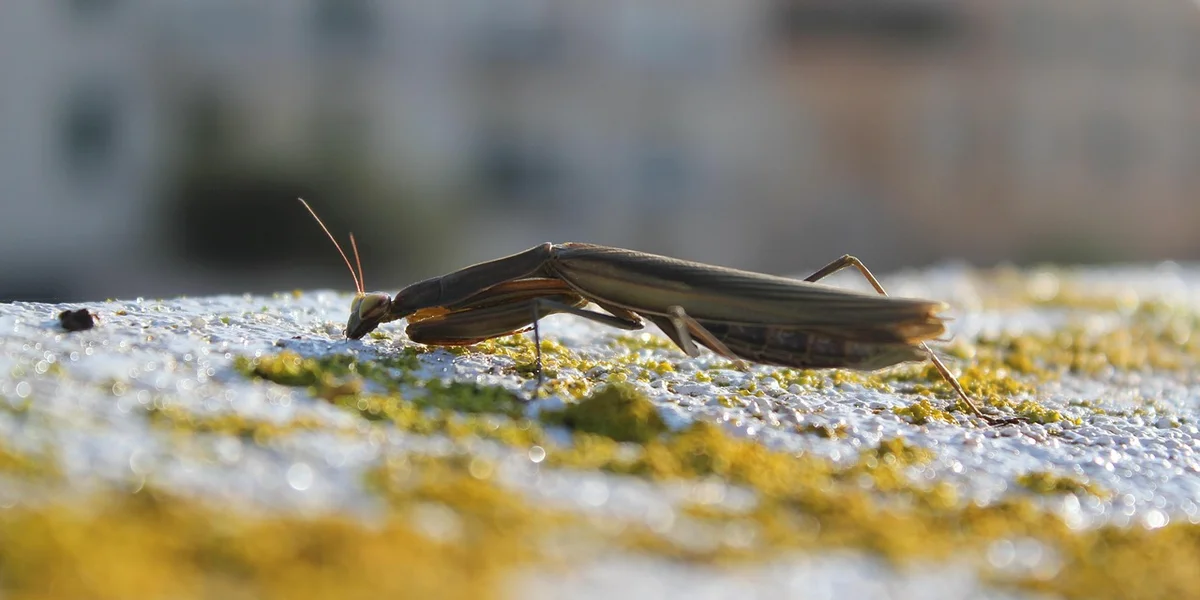
Ghost mantises stay quite small, with adults reaching just 2 to 3 inches in length. Their delicate, leaflike bodies make them perfect for smaller enclosures, and they often perch with a gentle stillness that belies their hunting skill. I’ve watched Luna, my subadult female Ghost Mantis, blend into twigs with her misty brown frills, her movements slow and deliberate as she surveys her world.
Orchid mantises are similarly petite, growing to about 2.5 inches when fully mature. Their stunning pink and white marbling mimics flower petals, allowing them to hide in plain sight while awaiting prey. Sprig, my juvenile Orchid Mantis, has a shy demeanor but becomes surprisingly bold during feeding, her petal-like legs poised for a swift strike.
- Ghost Mantis: 2-3 inches, lightweight and cryptic in appearance.
- Orchid Mantis: 2-2.5 inches, vibrant colors ideal for camouflage.
Larger Companions: Chinese and Giant Mantis Sizes
Chinese mantises are robust insects, often stretching to 4 or 5 inches as adults. Their sturdy build and long limbs give them an imposing presence, yet they can be quite docile with regular handling. Many keepers appreciate their hardy nature, which makes them a reliable choice for beginners.
Giant mantises, like the Giant Asian species, can reach similar sizes of 4 to 5 inches. These mantises display vivid green hues and active behaviors, often exploring every corner of their habitat with curiosity. Moss, my adult male Giant Asian Mantis, is a vivid emerald with pale banding, and he’s always the first to investigate a new branch or hiding spot.
- Chinese Mantis: 4-5 inches, adaptable and common in captivity.
- Giant Asian Mantis: 4-5 inches, energetic and visually striking.
What Shapes Your Mantis’s Size? Key Influences Explored
Food and Feeding: Fueling Growth the Right Way
A balanced diet is vital for your mantis to reach its full size potential. Offering a variety of live prey, like fruit flies for youngsters and crickets for adults, ensures they get the nutrients needed for steady growth. We’ve found that feeding every two to three days prevents overfeeding while keeping them active and healthy. This fits into a complete feeding schedule you can follow. As they grow, you may need to adjust the frequency, with nymphs typically needing more frequent meals than adults.
Underfeeding can stunt growth, while overfeeding might lead to obesity or molting issues. Watch for signs like a plump abdomen after meals, which indicates they’re getting enough fuel without excess. For nymphs, we start with pinhead crickets and gradually increase prey size as they molt and grow.
- Provide appropriately sized live insects based on your mantis’s life stage.
- Adjust feeding frequency to match activity levels and molting cycles.
- Supplement with gut-loaded prey for extra vitamins and minerals.
Environment and Habitat: Creating Ideal Conditions
Your mantis’s enclosure plays a huge role in how big it can grow. Maintaining a warm temperature between 75°F and 85°F supports metabolism and digestion, directly influencing growth rates. We use a small heat mat on one side of the tank to create a gentle gradient, allowing our mantises to thermoregulate as needed.
Humidity levels must be just right to aid in molting, a critical process for size increases. Regular misting creates a humid, earthy scent in the enclosure, helping the mantis shed its old skin smoothly and avoid deformities. Aim for 50-70% humidity, and always provide plenty of vertical space for climbing and hanging during molts.
- Keep temperatures consistent with a slight drop at night to mimic natural cycles.
- Use a hygrometer to monitor humidity and mist with warm water daily.
- Choose an enclosure with adequate height and ventilation for unrestricted movement.
Male vs Female Mantis: Understanding Size Differences
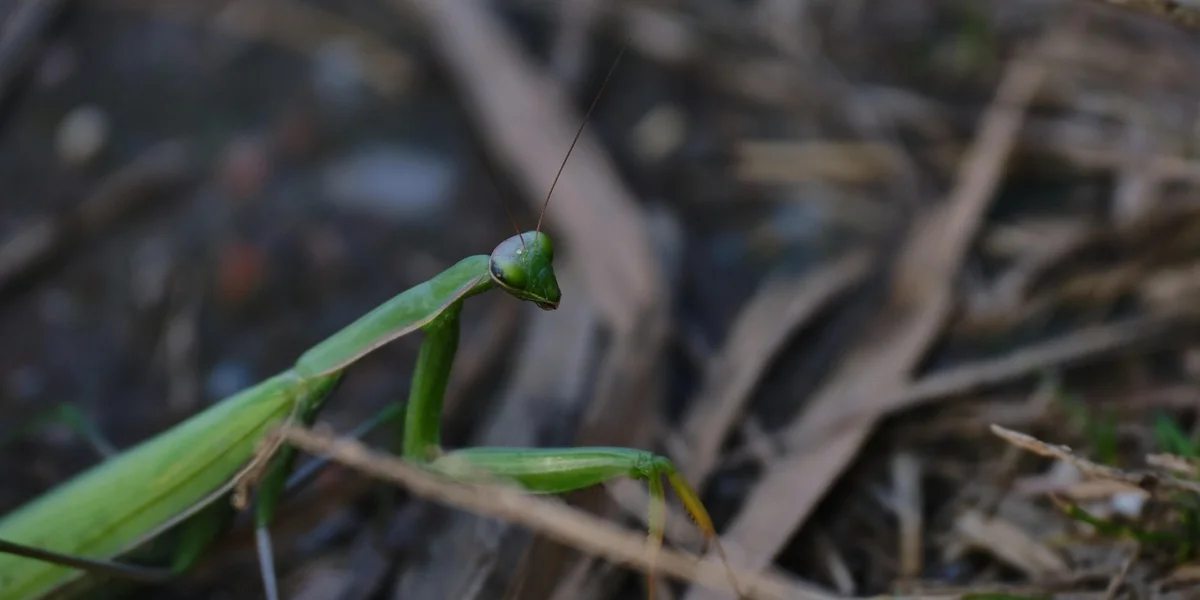
Sex plays the biggest role in determining a mantis’s final size. Female praying mantises are consistently larger and heavier than males across nearly all species. This isn’t just a slight variation; it’s a dramatic difference in both bulk and length. If you want to know exactly how to tell mantises apart, check out our complete guide. It highlights the main visual differences and practical tips for accurate sexing.
We find that females often have thicker, broader abdomens to accommodate developing egg cases, while males possess a leaner, more streamlined build. This size difference directly influences their behavior, with larger females being more sedentary ambush predators. Males, being smaller and lighter, are built for agility and flight to seek out mates.
Look closely at the abdomen segments on the underside; females typically have six, while males have eight. You can often spot a female by her comparatively robust body, even before she reaches maturity. My male Giant Asian, Moss, is a full third smaller and more delicate than a female of the same age.
Choosing the Right Enclosure: A Size-Based Guide
Providing the correct amount of space is a cornerstone of good mantis care. The perfect enclosure offers enough room for molting and exploring while feeling secure and not overwhelmingly vast. A good rule is an enclosure at least three times the mantis’s length in height and twice its length in width. When selecting an enclosure, opt for species-specific dimensions—different mantis species need different space and shapes to thrive.
Enclosures for Nymphs: Safe Spaces for Little Ones
Young nymphs are incredibly vulnerable and can easily get lost or injured in a large habitat. Small, simple containers are your best bet for raising healthy nymphs through their early instars. We often use plastic deli cups or small glass jars with fine mesh lids for ventilation.
- Ensure the lid has a mesh panel for excellent airflow to prevent stagnant, humid air.
- Line the top interior with a thin layer of mesh or fabric to give tiny legs something to grip during molting.
- Keep decorations minimal-a single twig or a small artificial leaf is plenty for climbing and perching.
My Ghost Mantis, Luna, spent her first few weeks in a repurposed spice jar before graduating to a larger home. This controlled environment makes it much easier for you to monitor their health and feeding habits.
Enclosures for Adults: Room to Thrive
An adult mantis needs a permanent home that supports its full-grown size and natural behaviors. Tall, well-ventilated terrariums are ideal, as mantises are climbers who appreciate vertical space. These features are essential habitat requirements for a healthy praying mantis. These conditions help keep mantises healthy, active, and stress-free. A standard 12x12x12 inch glass or mesh enclosure suits most medium to large species perfectly.
- Mesh or screen cages offer superb ventilation, which is vital for preventing mold and ensuring successful molts.
- Glass terrariums hold humidity better, a boon for species that need a more tropical environment.
- Fill the space with an array of branches, vines, and foliage that reach all the way to the top.
Your mantis should be able to hang upside-down from the ceiling with plenty of clearance below to shed its old skin completely. A cramped molting space is one of the most common causes of fatal complications for adult mantises. Proper care after molting is crucial to ensure your mantis remains healthy and stress-free.
Common Mantis Queries
How big were prehistoric praying mantises?
Prehistoric mantises were generally similar in size to many modern species, with fossils showing lengths typically under 4 inches. They did not grow as large as some other prehistoric insects, like dragonflies, due to their ecological roles and body structures.
What sizes do Australian praying mantises reach?
Australian mantises vary widely, with common species like the False Garden Mantis growing to about 2-3 inches as adults. Larger native species can reach up to 4 inches, adapting to diverse habitats across the continent.
Is there a size chart for different praying mantis species?
Yes, size charts categorize species by average adult length, such as the European Mantis at 2-3 inches and the African Mantis at 4-5 inches. These charts assist pet owners in choosing species that match their space and care capabilities.
Your Mantis Size Journey: A Gentle Recap
Mantis size varies widely by species, from the tiny Ghost Mantis to the impressive Giant Asian, so always research your specific pet’s potential growth. Providing an enclosure that matches their adult size and ensuring proper humidity supports smooth, healthy molting as they reach their full dimensions.
Responsible mantis ownership means observing your pet’s development closely and adapting care as they grow. We encourage you to keep learning through trusted care guides and fellow enthusiasts, deepening your connection with these fascinating insects.
Further Reading & Sources
- Mantis – Wikipedia
- European mantis – Wikipedia
- Life Cycle of a Praying Mantis – Insect Lore
- Praying Mantids – Wisconsin Horticulture
Rowan Hale is a lifelong insect enthusiast who fell in love with mantises for their calm presence, alien elegance, and surprising personalities. After years of keeping and raising a variety of species, Rowan shares practical tips, creative insights, and real-world experience to help others enjoy the quiet magic of mantis care. From setting up the perfect enclosure to understanding their subtle behaviors, Rowan invites readers into a gentle, curious world where every tiny movement feels like a discovery.
Common Species