
How to Tell Male and Female Praying Mantis Apart: A Complete Guide
Hello there, mantis friend. Ever watched your elegant green predator perched on a leaf and wondered about the quiet secrets it holds? One of the most common, and sometimes tricky, questions for new keepers is figuring out if their mantis is a gentleman or a lady.
The most reliable way to tell male and female praying mantises apart is by examining their body shape, size, and the number of segments on their abdomen.
While it seems simple, identifying mantis gender can be surprisingly nuanced, especially with younger nymphs or certain species where differences are subtle. We’ve spent many quiet afternoons observing our own mantises, like the slender male Moss and the robust female Luna, to understand these tell-tale signs.
Here are the core differences you’ll be looking for:
- Abdomen Shape & Segments: Females have a broader, heavier abdomen with six visible segments. Males are slimmer with eight.
- Body Size & Build: Adult females are generally larger and stockier, built for egg-laying. Males are more lightweight and agile flyers.
- Antennae: Males often possess longer, bushier antennae to help them detect female pheromones.
Let’s walk through these identifiers together, step by step, so you can greet your mantis by name with confidence.
What Is Sexual Dimorphism in Praying Mantises?
Sexual dimorphism simply means that male and female praying mantises look different from each other, much like how some birds show distinct colours or sizes based on gender. This natural variation helps us identify their sex without invasive methods, making pet care more tailored and stress-free. These differences are part of what makes praying mantises so special, highlighting their unique characteristics.
In mantises, these differences aren’t just for show—they affect behaviour, lifespan, and even how we set up their habitats. Recognising these traits early can prevent mismatches in communal setups, where females might see males as prey. It’s crucial to know how to safely introduce a male and female mantis for breeding.
We’ve noticed this in our own mantises, like Luna, whose delicate frame contrasts with Moss’s slender build, highlighting how dimorphism shapes their daily lives.
Key Physical Traits to Spot Gender Differences
Focusing on visible clues lets you distinguish males from females with confidence. By examining specific body parts, you can avoid guesswork and provide better care for your mantis.
Abdomen and Body Size Clues
Females often have broader, rounder abdomens to accommodate egg cases, while males tend to be slimmer and more streamlined. A female’s abdomen feels fuller and may appear segmented, especially as she matures and prepares for breeding.
Body size is another telltale sign-adult females are generally larger and stockier, which we’ve seen with Sprig, whose juvenile form already hints at a fuller build. This size difference isn’t just about appearance; it influences how much space and food each gender needs.
- Females: Heavier abdomen, ideal for egg-laying; overall length can exceed males by up to 2 centimetres in some species.
- Males: Slimmer profile, making them agile fliers; often lighter and more delicate in structure.
Wing Patterns and Length Variations
Wings offer clear hints, with males typically having longer wings that extend past their abdomen for efficient flight. In many species, male wings are more developed to aid in seeking mates, whereas females might have shorter, sturdier wings.
Patterns can vary too-males may display subtle colour bands or translucency, while females’ wings are often plainer but thicker. Observing wings under soft light reveals these nuances, much like noticing the fine details on Moss’s emerald wings during his active explorations.
- Males: Wings often reach or surpass the abdomen tip; useful for dispersal and mating flights.
- Females: Wings may be shorter or vestigial in some breeds; focused on energy conservation for reproduction.
Antennae and Leg Structure Insights
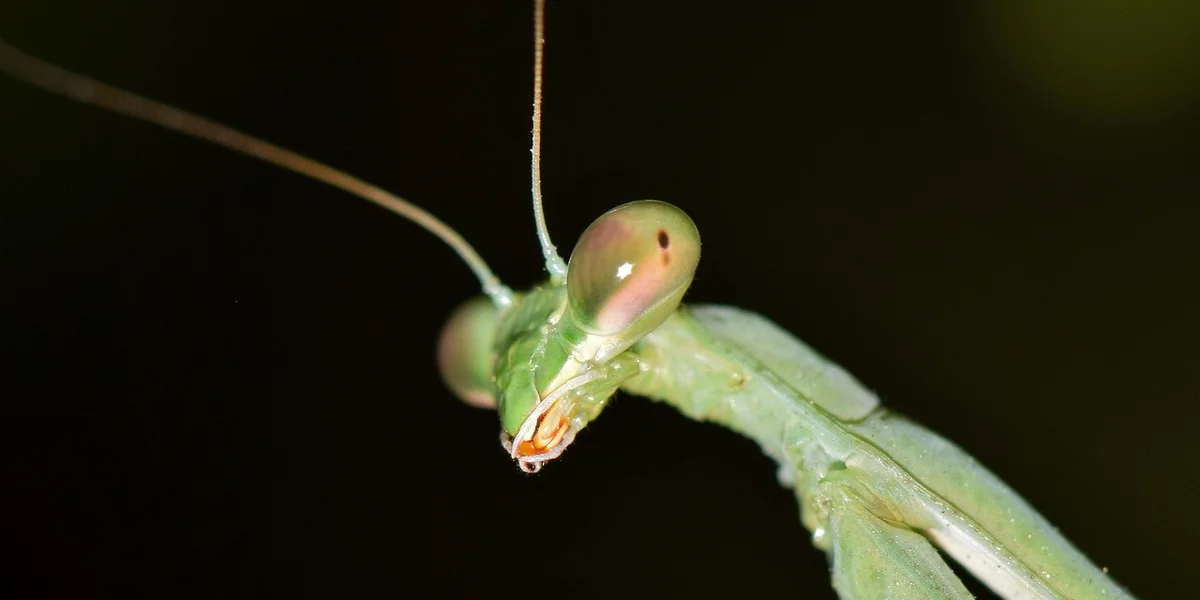
Antennae in males are usually longer and bushier, helping them detect female pheromones from a distance. This sensory advantage makes males more responsive to their surroundings, something we’ve seen in Moss’s curious head tilts during feeding.
Leg structure also differs, with females having robust forelegs for capturing larger prey, while males’ legs are finer for precision movements. These adaptations reflect their roles-females as hunters, males as navigators-so handling each requires a gentle touch.
- Examine antennae: Males feature thicker, feather-like strands; females have shorter, simpler antennae.
- Check forelegs: Females show stronger spines and muscle definition; males display slender, less pronounced spikes.
Behavioral Signs That Reveal Mantis Gender
Mating Behaviors and Cannibalism Risks
Observing how your mantis acts around others can give strong clues about its gender without any physical handling. Males often display more skittish, flighty movements, especially when introduced to a female’s space-they might flutter their wings or make quick, hesitant advances. Females tend to be more grounded and patient, holding their position like a quiet sentinel before reacting. During mating, males approach with careful, almost dance-like steps to avoid triggering aggression, while females remain still, assessing the situation with a calm intensity.
We’ve seen this with our own mantises; Moss, the Giant Asian male, always moves with a curious energy, whereas Luna, the Ghost Mantis female, waits thoughtfully before any action. Cannibalism risks are higher in females, who may view males as prey if not properly introduced or if they’re hungry, so always feed your mantis well before any interactions. This behavior isn’t a sure sign on its own, but paired with other clues, it helps build a clearer picture of your mantis’s gender.
A Step-by-Step Guide to Sexing Your Mantis
Handling Your Mantis Safely for Inspection
Gently handling your mantis lets you check for physical traits without causing stress. Start by washing your hands with warm water to remove any scents that might startle them. Use a soft paintbrush or your open hand to encourage the mantis to step onto you, supporting its body to prevent falls. This careful, hands-on approach can help you hand-tame a skittish praying mantis. With time and patience, even wary individuals may become more comfortable stepping onto your hand. Move slowly and avoid sudden motions—mantises can feel threatened easily, and a calm approach keeps them secure.
With Sprig, our Orchid Mantis, we let her climb onto a finger at her own pace, which makes the process smooth and stress-free. Always inspect in a quiet, well-lit area where your mantis feels safe, and limit handling to a few minutes to reduce anxiety. If your mantis shows signs of distress, like rapid movement or trying to flee, gently return it to its enclosure and try another time.
-
Wash your hands thoroughly to eliminate foreign smells. This simple step prevents your mantis from mistaking you for a threat. Maintaining clean hands and gear also helps prevent parasite transfer and common diseases in captive mantises. Clean hands reduce the risk of spreading parasites during handling.
-
Approach from the front with a steady hand or brush. Let the mantis decide to climb on, rather than forcing contact, to build trust. Handle your praying mantis safely by keeping movements slow and predictable. Give it time to approach and settle on your hand.
-
Hold the mantis over a soft surface, like a towel, in case it jumps. Supporting the abdomen and legs minimizes injury risks and keeps your mantis comfortable. When you plan a bioactive enclosure for your praying mantis, include secure, escape-proof features and plenty of vertical space. A well-designed setup reduces the need for handling and supports natural behaviors.
Checking for Ootheca in Females
One of the most reliable ways to identify a female mantis is by looking for an ootheca, the egg case she produces after mating. It appears as a frothy, hardened mass, often attached to branches or enclosure walls, and only females create these. Inspecting for ootheca involves gently examining the abdomen area where it might be forming or already present. In mature females, you might notice a fuller, rounder abdomen even before the ootheca is visible, signaling her reproductive readiness. Knowing when and how mantids lay eggs can also aid in identifying females during the breeding season.
We’ve found that using a small flashlight can help spot early signs without disturbing the mantis too much. If you see an ootheca, it confirms your mantis is female, and you can plan for potential nymph care if eggs hatch. Remember, not all females produce ootheca, especially if they haven’t mated, so combine this check with other methods for accuracy.
-
Look for a creamy, foam-like structure on surfaces in the enclosure. Ootheca can vary in size and color depending on the mantis species, but they’re always a female trait. If you spot one unexpectedly, don’t panic—note its location and plan for possible hatchlings. Check your care guide for whether to leave it to hatch or safely remove it to prevent overcrowding.
-
Gently lift the mantis to view the underside of the abdomen. Avoid pressing too hard; a light touch ensures you don’t harm delicate tissues.
-
Note any swelling or changes in abdomen shape over time. Females often show a more pronounced bulge as they near egg-laying, unlike males who stay slimmer.
How Species Variation Affects Gender Identification
Not all mantises follow the same rulebook. You will find that species-specific traits can dramatically alter the classic male versus female checklist. A feature that is reliable for one type may be misleading for another, making species knowledge your most valuable tool. For beginners, choosing the right mantis species is crucial. Start with species known for forgiving care and clear, predictable traits.
Body Shape and Size Differences Across Species
While females are often larger, the degree of difference varies. A female Giant Asian Mantis can be nearly double the size of her male counterpart, while in species like the Ghost Mantis, the size gap is much more subtle. You must compare adults of the same species for an accurate assessment.
- Giant Mantis Species: Females are substantially bulkier and longer. Males appear slender and delicate by comparison.
- Smaller or “Flower” Mantis Species: The size difference is less pronounced. Focus on abdominal segment count and antennae length for a more reliable diagnosis.
- Thin, Stick-like Species: Both sexes are naturally slender, so body width becomes a less useful indicator.
Specialized Camouflage and Its Impact
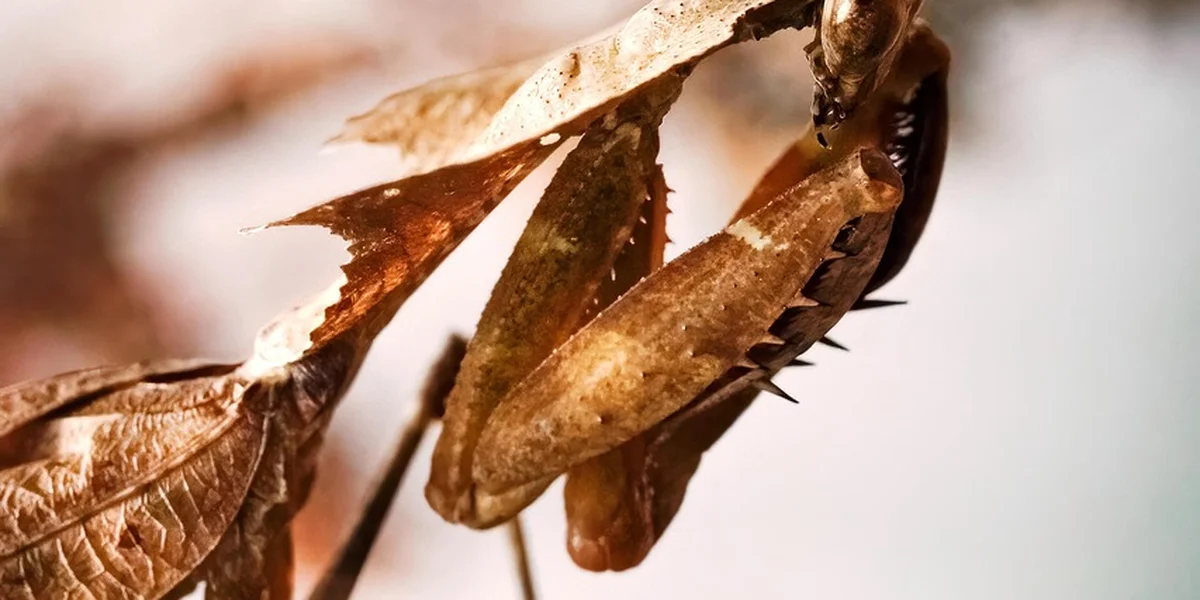
Evolution has shaped some mantises into incredible mimics, which can obscure gender clues. An Orchid Mantis’s petal-like flaps or a Ghost Mantis’s leaflike frills can make spotting abdominal segments a real challenge. You must learn to look past the disguise to the underlying structure.
My own Ghost Mantis, Luna, is a perfect example. Her misty brown coloration and delicate frills initially made her gender a puzzle, but her broader abdomen and shorter antennae eventually gave her away as female. Patience and a gentle, observant eye are your best allies here.
Why Gender Matters in Your Mantis Care Routine
Knowing if you have a male or female mantis transforms your care from generic to precisely tailored. This simple piece of information directly influences their lifespan, dietary needs, and even the type of home you provide. It is the difference between good care and truly attentive stewardship.
Lifespan and Lifecycle Expectations
This is one of the most significant care differences. Female mantises almost always live considerably longer than males, often by several months. This extended lifespan means a longer commitment and a different aging process for you to observe and support.
- Females: Focus their energy on growth and eventual egg production. They molt more times to reach a larger adult size, leading to a longer juvenile period and a lengthier adult life.
- Males: Mature faster with fewer molts. Their primary biological drive as adults is to find a mate, which often results in a shorter, though sometimes more active, adult stage.
Adjusting Feeding Schedules and Enclosure Setup
Your mantis’s sex dictates its appetite and spatial needs. A growing female requires more frequent, larger meals to fuel her greater body mass and reproductive development, while an adult male may be content with smaller, less frequent feedings.
Enclosure height is also critical. Males of many species are prolific fliers as adults and need a tall enclosure with ample vertical space and sturdy climbing surfaces to accommodate this natural behavior. A female’s enclosure can often prioritize width and foliage for hiding and laying her ootheca (egg case).
Behavioral Cues and Handling Considerations
You will often notice distinct personality trends. Females tend to be more sedentary and patient hunters, often choosing a prime perch and waiting for food to come to them. They can be bolder and less skittish when handled gently.
Males, like my Giant Asian Mantis Moss, are often more restless. They exhibit more exploratory behavior, frequently moving around their enclosure and, as adults, may attempt flight if startled. This makes them slightly more delicate to handle and requires a secure habitat to prevent escape.
FAQs on Mantis
Are there mantis species with reversed gender characteristics?
Yes, some mantis species show reversed traits, such as females being smaller or less aggressive in certain cases. These exceptions are rare and often tied to unique environmental or evolutionary pressures.
How do habitat and ecology relate to mantis gender differences?
Habitat influences gender roles, like males in open areas evolving better flight for mate searching. Ecological factors such as food availability and predation risks can shape size and behavior differences between genders.
What factors drive sexual selection and gender differences in mantises?
Sexual selection, including female mate choice and male competition, promotes traits like larger female size for reproduction. Additionally, natural selection and resource allocation play roles in reinforcing these gender-based distinctions.
Bringing It All Together: Your Mantis Care Journey
By checking body size, antenna length, and abdominal segments, you can easily identify your mantis’s gender. This knowledge lets you adjust feeding and housing to suit their specific needs, just as I do with my Ghost Mantis, Luna, whose delicate build reminds me to handle her with extra care. Speaking of anatomy, many wonder how many legs a praying mantis has. For a detailed look, you can refer to the mantis leg anatomy explained. Praying mantises have six legs, with the front pair modified into grasping arms to catch prey.
Responsible ownership means creating a safe, stimulating home that mimics their natural habitat. Stay curious and keep exploring new care tips to ensure your mantis thrives under your watchful eye.
Further Reading & Sources
- Determining the sex of your praying mantis | Keeping Insects
- Determining the sex of a praying mantis – USMANTIS
- r/mantids on Reddit: Is my praying mantis a male or a female? Also I’ve never tried to keep one as a pet? Any tips for a first timer? Thanks
- Male vs. Female Praying Mantis: What Are the Differences? – A-Z Animals
Rowan Hale is a lifelong insect enthusiast who fell in love with mantises for their calm presence, alien elegance, and surprising personalities. After years of keeping and raising a variety of species, Rowan shares practical tips, creative insights, and real-world experience to help others enjoy the quiet magic of mantis care. From setting up the perfect enclosure to understanding their subtle behaviors, Rowan invites readers into a gentle, curious world where every tiny movement feels like a discovery.
Breeding Practices