Fruit Flies vs. Houseflies: Choosing the Best Feeder for Mantis Nymphs
Hello mantis friend, imagine the quiet rustle of a young nymph perched on a leaf, its tiny eyes fixed on a potential meal-this moment hinges on picking the right feeder insect.
For most mantis nymphs, fruit flies are the superior starter feeder due to their small size, ease of catching, and gentle nutritional profile.
Selecting between fruit flies and houseflies isn’t a one-size-fits-all choice; it depends on your nymph’s species, growth stage, and your own rearing setup.
Here are the key takeaways to guide your decision:
- Fruit flies match the minuscule mouths of young nymphs, reducing feeding stress.
- Houseflies offer more protein but can be too large or fast for delicate hunters.
- Fruit fly cultures are simpler to maintain, making them beginner-friendly.
Getting to Know Mantis Nymphs and Their Dietary Needs
Mantis nymphs are the young, wingless stage that emerge right after hatching from their egg case, called an ootheca. They undergo a series of molts, shedding their exoskeleton every few weeks to grow larger and develop wings. This rapid growth phase means nymphs are constantly building new tissue and need frequent, nutrient-packed meals to support their development.
Selecting the right feeder insects is not just about filling tiny bellies-it directly impacts your nymph’s ability to molt successfully and avoid deformities. A poor diet can lead to weak exoskeletons, failed molts, or even shorten their lifespan, so choosing feeders with balanced nutrition is non-negotiable.
Nymph feeding differs from adult care in both portion size and frequency. Whilst adult mantises might tackle larger prey like crickets every few days, nymphs require smaller insects offered daily to match their high metabolism and petite jaws.
Fruit Flies: A Deep Dive into Drosophila Species
Fruit flies, primarily Drosophila melanogaster, are tiny winged or wingless insects cherished by mantis keepers for their manageable size. Common types used include flightless Hydei for slightly larger nymphs and smaller melanogaster strains for the tiniest hatchlings, both bred to minimise escape risks in enclosures.
Their small stature makes them ideal for nymphs to capture easily, and rearing them is straightforward with basic setups. You can culture fruit flies in simple containers like mason jars filled with a media of mashed fruit, oatmeal, or commercial mix, topped with a breathable lid to maintain humidity and prevent mould. To keep a clean feeder insect culture, swap out old media regularly and wipe down jars between batches. Label cultures and wash hands between handling.
When it comes to nutrition, fruit flies offer a mix of moisture, protein, and fats that suit growing nymphs. They typically contain around 15-20% protein, low fat levels, and high moisture content, which helps keep nymphs hydrated but may require gut-loading with nutritious foods to boost their value. Given that the diet of a mantis is crucial for its development, understanding what fruit flies provide is essential to complement their feeding regimen. Learning about a mantis’s complete diet can help you ensure they get all the nutrients they need.
Houseflies: Exploring Musca Domestica as a Feeder Option
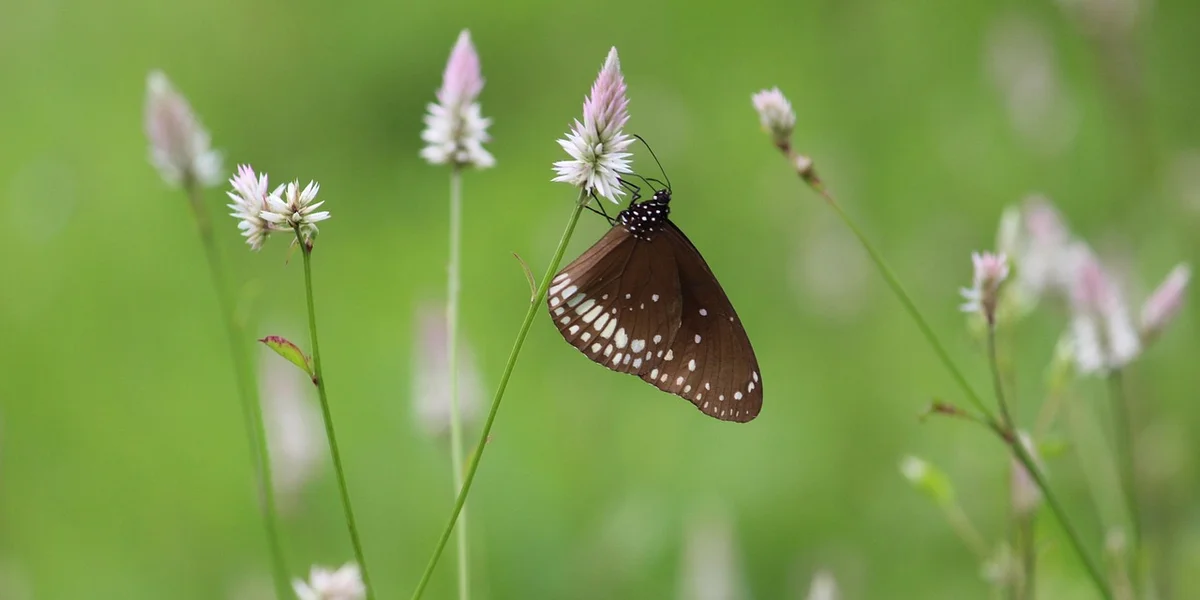
Houseflies, or Musca domestica, are those familiar buzzing insects you often see indoors. They serve as a robust feeder choice for mantis nymphs that have grown beyond the tiny fruit fly stage. Their larger size makes them a filling meal for developing predators.
In terms of dimensions, houseflies typically measure 6 to 7 millimetres long. This bulkier build allows them to provide more substantial nutrition per catch. Their energetic flight patterns can spark your mantis’s natural hunting drive, turning feedings into lively events.
Colony management does pose some hurdles. Houseflies breed quickly but demand careful containment to prevent escapes and maintain cleanliness. You might find them messier than fruit flies, requiring regular upkeep of their habitat.
Nutritionally, houseflies offer a solid profile. They are rich in protein and have a higher fat content compared to many smaller feeders. This supports energy needs and healthy growth in larger nymphs, like my mantis Moss who eagerly pursued them.
Side-by-Side Comparison: Fruit Flies vs. Houseflies for Nymphs
| Feature | Fruit Flies | Houseflies |
|---|---|---|
| Size | 2-3 mm | 6-7 mm |
| Protein Content | Approx. 20% | Approx. 18-20% |
| Fat Content | Moderate | Higher |
| Moisture Content | High | Moderate to High |
Safety is a key factor in feeder selection. Houseflies from uncontrolled sources may carry contaminants, so using bred colonies reduces health risks. Fruit flies often have more stable gut flora when cultured properly, making them a safer bet for delicate nymphs.
Ease of use varies greatly between the two options. Fruit flies are simpler for young nymphs to capture due to their small size and slower movement. You will need to offer them more frequently to meet dietary needs. Houseflies, whilst larger, may require less frequent feedings but can be harder for tiny nymphs to handle successfully. If a feeder insect escapes your house, promptly locate it and trap it to prevent it from spreading. To prevent future escapes, keep cultures in sealed containers and place enclosures on stable, elevated surfaces away from doors or windows.
Practical Feeding Techniques for Each Insect Type
-
Start by gently tapping your fruit fly culture to dislodge a small cluster of flies.
Use a soft-bristled brush or a small spoon to transfer a few flies directly into your mantis nymph’s enclosure.
Releasing just two or three flies at a time mimics natural hunting and keeps your tiny nymph from feeling bombarded.
We often watch Luna, our Ghost Mantis, tilt her head and stalk them with quiet precision.
Always remove any uneaten flies after an hour to maintain a clean habitat.
-
Houseflies are more active, so we use a clear plastic cup with a mesh lid as a temporary feeder container.
Place one housefly inside the cup and set it gently into the mantis enclosure, allowing your nymph to observe and strike when ready.
This controlled method reduces stress by giving your mantis the choice to hunt without sudden movements startling them.
Moss, our Giant Asian Mantis, appreciates this calm approach-he’ll often wait patiently before making his move.
Never release multiple houseflies at once, as their buzzing can overwhelm young nymphs.
-
Gut loading begins by feeding your insects nutrient-rich foods like grated carrot, spinach, or a commercial gut load mix.
Provide this diet to your feeder insects for at least 24 hours before offering them to your mantis.
A well-fed fruit fly or housefly passes on vital vitamins and minerals, supporting your nymph’s growth and molting cycles. Crickets and dubia roaches are also common feeder options, and many keepers compare which is more nutritious for nymphs. Generally, crickets and dubia roaches provide higher protein and moisture, depending on gut-loading.
We mix in a bit of bee pollen for an extra boost, which Sprig, our Orchid Mantis, seems to thrive on.
Always use fresh vegetables and remove old food to prevent mold in your insect cultures.
Culturing Fruit Flies at Home: Simple Steps for Success
-
Begin with a clean glass jar or plastic container filled with a prepared medium like instant mashed potatoes or commercial fruit fly mix.
Add a sprinkle of active dry yeast to the surface, then introduce a starter culture of wingless fruit flies.
Maintaining temperatures between 70°F and 80°F encourages steady breeding and keeps your colony active.
We keep our cultures on a shelf away from direct sunlight, where the gentle warmth feels like a soft spring day.
Check cultures weekly for new larvae-tiny white wrigglers mean your colony is thriving.
-
Sterilize all containers and tools with a mild bleach solution or by boiling them before starting a new culture.
Wash your hands thoroughly and work in a clean area to avoid introducing mites or bacteria.
Clean practices prevent contamination, ensuring your fruit flies remain healthy and safe for your mantis to eat.
A quick wipe with vinegar water on jar rims after each use keeps things fresh and tidy.
Discard any cultures that show signs of mold or unusual odors right away.
-
Adjust humidity by lightly misting the culture medium with water if it looks dry, but avoid making it soggy.
Feed your flies every few days with a slice of fruit or a dab of media to sustain the colony.
Balancing moisture and food schedules leads to robust flies that are perfect for nourishing your growing nymphs. This approach is a core part of the ultimate guide on gut loading feeder insects for mantises, showing how to maximize nutrition before feeding.
We find that a slightly damp paper towel over the jar opening helps maintain ideal humidity without condensation buildup.
Rotate cultures every three to four weeks to ensure a continuous supply of feeders.
Raising Houseflies Responsibly: Tips for Keepers
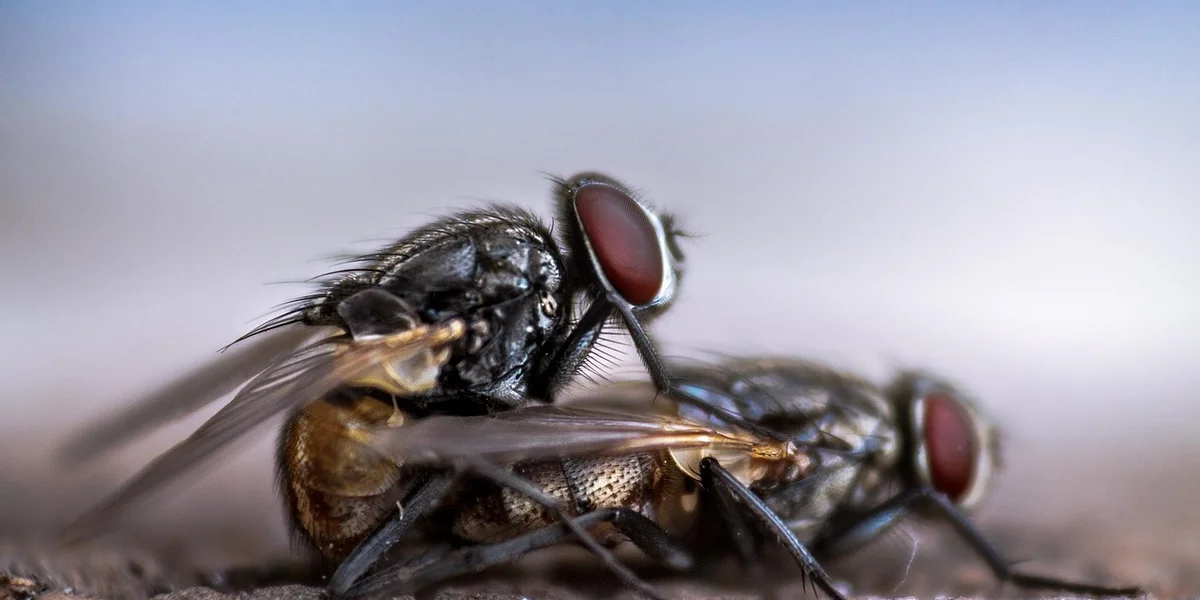
Keeping a housefly colony feels a bit like tending a bustling mini-ecosystem right on your shelf. We always start with an escape-proof setup to prevent any unplanned flyabouts in the home. A large glass jar or plastic container with a fine mesh lid works wonders, allowing air flow without letting curious flies slip out.
For hygiene, we clean the enclosure weekly by gently shaking out old food and wiping surfaces with warm water. This simple routine cuts down on mould and keeps your flies—and your mantises—healthy and happy. Regular cleaning is part of maintaining a clean, thriving praying mantis habitat. It also makes spotting problems early easier. Place a small dish of moist sponge or cotton for water, and offer a mix of sugar water and protein sources like fish flakes to mimic their natural diet.
When managing waste, remove dead flies and leftover food every few days to avoid odours and pests. Handling waste promptly means your colony stays clean and your home stays fresh. We’ve found that using a separate small bin for disposal makes this quick and mess-free.
Ethically, it’s kind to provide space for flies to move and breed naturally, much like we do for our mantis Moss, who thrives with room to explore. Always check local guidelines, as some areas have rules about breeding insects to ensure they don’t impact local wildlife. A quick online search or call to your council can give you peace of mind.
Identifying and Addressing Nutritional Shortfalls in Nymphs
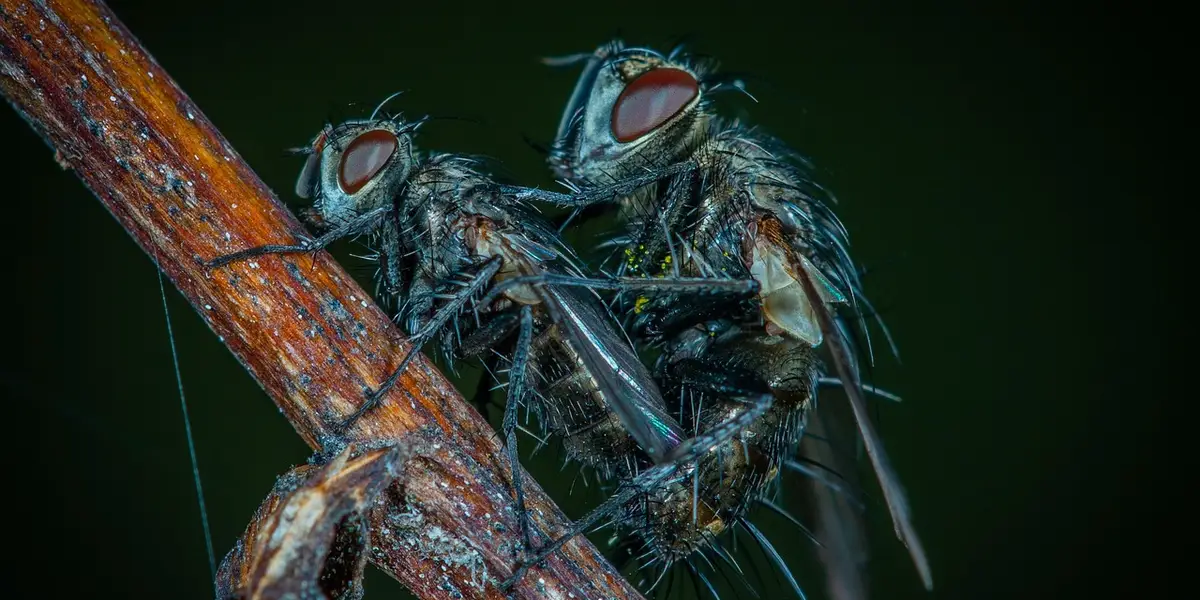
Spotting trouble early can save your little nymph from a rocky start. Watch for sluggish movement, tiny size compared to siblings, or difficulty shedding old skin during molts. These subtle cues often point to a diet that’s not quite hitting the mark.
If growth seems off, first check the prey size-nymphs need insects no bigger than the space between their eyes. Switching to smaller, more frequent feedings can give them the energy boost they need without overwhelming them. Try offering fruit flies one day and houseflies the next to add variety and essential nutrients. Make sure you’re feeding appropriate prey to your mantis nymphs.
For a quick fix, dust feeder insects with a calcium supplement before serving. This easy step strengthens their exoskeletons and supports smooth molting, much like how our Ghost Mantis Luna perks up after a nutrient-rich meal. If problems persist, gently increase humidity with a light mist to ease any dehydration-related issues.
Remember, most feeding hiccups are simple to correct with a little observation and tweaking. Your patience and small adjustments will help your nymph grow into a vibrant, healthy mantis ready for adventures.
Questions from Fellow Mantis Friends
What are fruit flies?
Fruit flies are very small flying insects, primarily of the Drosophila species, that are commonly cultured as feeder insects. They are an ideal first food for young mantis nymphs due to their manageable size and ease of capture.
What are nymphs?
Nymphs are the juvenile, wingless stage of a mantis that hatches directly from the egg case. They require frequent, nutrient-dense meals to support their rapid growth and successful molting cycles. In the first 30 days of a mantis nymph’s life, careful care is essential for survival. This complete survival guide walks you through that critical period with practical feeding and habitat tips.
Which is better for my nymph: fruit flies or houseflies?
Fruit flies are generally the best starter feeder for most tiny nymphs because their small size reduces feeding stress. Houseflies, being larger and more active, are better suited for nymphs that have grown a bit and can handle more substantial prey. However, it’s equally important to consider the feeding strategy to ensure the behavioral well-being of your mantis.
Your Mantis Nymph’s Feeding Journey
For hatchling and small nymphs, fruit flies are the ideal starter prey due to their manageable size and ease of culture. As your mantis grows, introducing houseflies or other larger insects can better match their developing strength and appetite. To mirror growth, gradually phase out fruit flies and transition nymphs to larger prey. This staged transition helps develop hunting skills and mandible strength as they mature.
Responsible mantis ownership involves adapting their diet as they mature and ensuring their overall well-being. We invite you to keep learning through trusted sources and fellow enthusiasts to provide the best care for your unique pet.
Further Reading & Sources
- Feeding Guide for Praying Mantids – Mantis Mayhem
- Feeder insects for your predatory insects | Keeping Insects
- Food and Water | Fatal Mantis
- r/mantids on Reddit: What to feed my mantis nymphs?
Rowan Hale is a lifelong insect enthusiast who fell in love with mantises for their calm presence, alien elegance, and surprising personalities. After years of keeping and raising a variety of species, Rowan shares practical tips, creative insights, and real-world experience to help others enjoy the quiet magic of mantis care. From setting up the perfect enclosure to understanding their subtle behaviors, Rowan invites readers into a gentle, curious world where every tiny movement feels like a discovery.
Feeding