
What Triggers the Praying Mantis Mating Season?
Hello, mantis friend-have you ever noticed your green companion suddenly becoming more active, perhaps swaying gently or perching with renewed purpose as the seasons shift? It’s a quiet signal that something special is stirring in their world.
Praying mantis mating season is sparked by a blend of environmental cues: rising temperatures, longer daylight hours, steady humidity, and ample food supply.
But it’s not just a single switch-it’s a delicate dance of nature’s signals, fine-tuned over millennia. From my own time with mantises like Luna, our Ghost Mantis who tilts her head thoughtfully when the air warms, I’ve seen how these triggers work in harmony.
Here’s a quick look at what guides their seasonal rhythms:
- Warmer temperatures that signal safe conditions for egg development
- Extended daylight hours prompting hormonal changes
- Consistent humidity levels supporting healthy molting and activity
- Abundant prey ensuring both male and female are strong and ready
Environmental Triggers of Mating Season
In the world of praying mantises, nature’s subtle shifts play a huge role in sparking their mating instincts. We see this in our own enclosures, where mimicking seasonal changes through temperature, daylight, and humidity can gently nudge mantises toward breeding readiness, especially in how they actually mate.
These environmental cues act like a soft whisper from the wild, telling your mantis it’s time to think about the next generation.
- Temperature rises signal the arrival of spring, warming their bodies and stirring hormonal activity.
- Longer daylight hours, or photoperiod, help regulate their internal clocks for mating behavior.
- Increased humidity mirrors rainy seasons, supporting egg-laying and overall vitality.
Temperature Rise and Warm Weather
As spring unfolds and temperatures climb, your mantis’s metabolism quickens, priming them for reproduction. Warmer weather triggers hormonal shifts that boost energy and mating desire, much like how our mantis Moss perks up when his habitat hits the ideal range. It’s not just for mating; temperature influences their overall growth and development as well.
We aim for gradual increases, avoiding sudden spikes that could stress them.
Daylight Hours and Photoperiod
Longer days are a clear signal for mantises to start their courtship rituals. Extended light exposure activates their biological rhythms, encouraging males to seek out females and females to become receptive.
In our care, we mimic natural dawn-to-dusk cycles to keep their instincts sharp and timely.
Humidity and Habitat Conditions
Proper humidity levels are vital for egg development and female health during mating season. Higher moisture in the air supports oviposition, helping females produce sturdy oothecae that hatch successfully.
We often mist enclosures lightly to maintain that damp, earthy feel they crave.
Prey Availability and Food Resources
An abundance of food fuels your mantis’s energy for the demanding mating process. Well-fed mantises show stronger mating desires, as ample prey ensures they have the stamina for courtship and potential escapes.
We’ve noticed that offering varied, nutritious insects like fruit flies or small crickets keeps our mantises vibrant and ready. Praying mantises are opportunistic predators with a broad menu. They can eat a comprehensive list of insects—from fruit flies and small crickets to larger beetles and caterpillars—depending on their size.
Biological and Internal Triggers
Beyond the environment, internal factors deeply influence when and how mantises mate. Age, health, and chemical signals work together to drive their natural instincts, ensuring only the fittest pass on their genes. This raises the broader question: does praying mantis behavior through lifecycle change? As mantises grow from nymphs to adults, their mating cues and aggression levels can shift, reflecting changes in priorities and tactics over time.
- Age determines sexual maturity, with most species ready after their final molt.
- Health impacts breeding success, as robust mantises are more likely to engage and survive.
- Pheromones act as invisible invitations, drawing mates from a distance.
- Hormonal signals fine-tune behavior, coordinating timing for optimal results.
Age and Sexual Maturity
Mantises typically reach breeding age after completing their growth cycles, which vary by species. For instance, our Ghost Mantis Luna became receptive as a subadult, while larger types might wait until full adulthood.
We watch for signs like wing development in males or abdominal swelling in females to gauge readiness.
Pheromones and Courtship Signals
Pheromones are chemical messages that females release to attract males, often initiating elaborate courtship. These scents prompt males to approach cautiously, performing gentle sways and touches to win favor.
In our enclosures, we’ve seen how a whiff of pheromones can turn a calm male into a determined suitor.
Male Competition and Female Choice
Males often compete for attention through displays of agility and persistence, while females carefully select their partners. This dynamic ensures that stronger, healthier males father the next brood, promoting resilient offspring.
We’ve observed our mantis Sprig assessing multiple suitors before allowing a match, highlighting nature’s careful balance.
Recognizing Mating Readiness in Your Pet
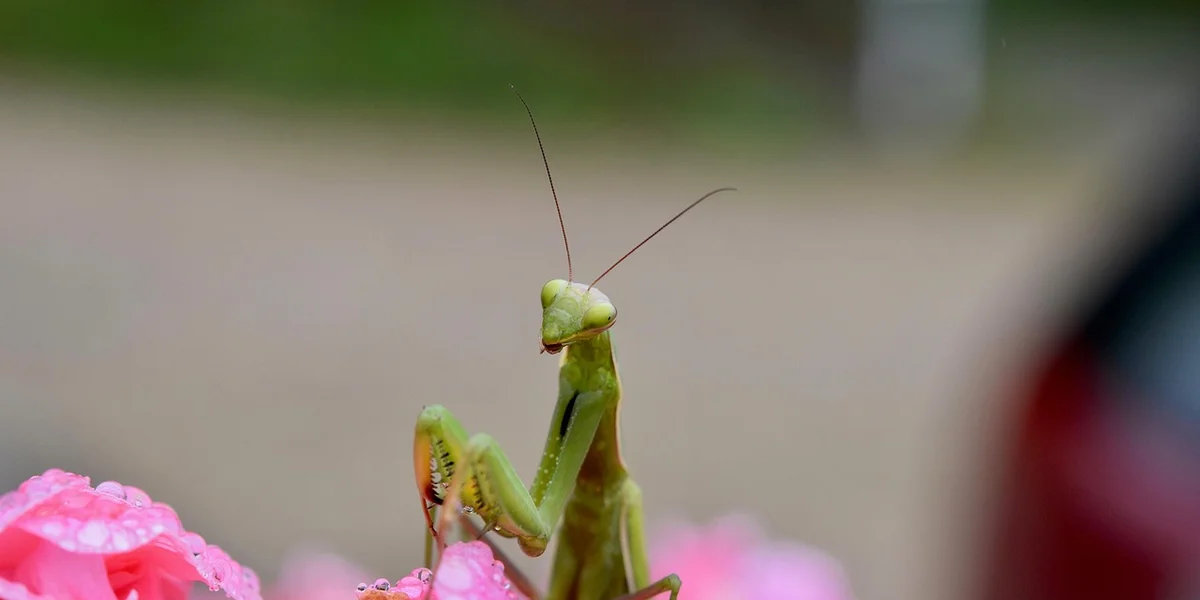
Spotting when your mantis is ready to mate feels a bit like reading nature’s quiet signals-subtle shifts in behaviour and physique that whisper of readiness. We often notice our mantises become more animated or display unique postures as mating season nears, offering clear hints if you know what to look for.
- Behavioural changes: Increased pacing or restless movements, heightened interest in surroundings, and occasional wing fluttering in adults.
- Physical indicators: A fuller, slightly swollen abdomen in females, and in some species, subtle colour intensification like deeper greens or browns.
- Activity levels: More frequent hunting attempts or alert stances, with males often becoming bolder in their explorations.
By tuning into these cues, you can confidently gauge when your pet is prepared for pairing.
Courtship and Mating Behaviors
Courtship in mantises unfolds like a delicate dance, where every movement carries meaning. Males typically initiate with slow, rhythmic swaying to catch the female’s attention, a behaviour we’ve seen in Moss, our Giant Asian Mantis, who sways gently before inching closer. This swaying is a common dance behavior among mantises.
Females may respond by remaining still or tilting their heads, and if receptive, they allow the male to approach without aggression. In some cases, females might even lift their forelegs in a non-threatening gesture, signalling it’s safe to proceed.
Physical Signs of Readiness
Physical traits offer reliable clues, much like noticing the soft plumpness of a ripe berry. A female’s abdomen often swells noticeably as eggs develop, while both sexes might show brighter colouration or heightened alertness, perching with keen focus.
We’ve observed Luna, our Ghost Mantis, with her abdomen rounded and frills more pronounced, a sure sign she’s entering her receptive phase. Keep an eye out for these changes-they’re nature’s way of saying the time is right.
How to Safely Induce Mating in Captivity
- Step 1: Check that both mantises are in prime health, with no signs of illness, and ensure they’re well-fed and at the correct adult stage for their species.
- Step 2: Mimic ideal conditions by maintaining warm temperatures around 24-28°C and moderate humidity, using a gentle mist to recreate that fresh, dewy feel.
- Step 3: Introduce the pair in a neutral, spacious area, watching closely to prevent any aggressive encounters and separating them if needed.
Following these steps helps create a calm setting where mating can occur naturally.
Timing the Introduction
Choosing the right moment is key, much like waiting for the perfect breeze on a still day. For many species, introducing mates in the early evening or after a recent feed works well, as this aligns with their natural activity peaks and reduces stress.
Consider seasonal cues too; in captivity, simulating longer daylight hours in spring can trigger mating instincts, while species like Orchid Mantises may respond better in warmer, humid conditions.
Setting Up a Safe Mating Enclosure
A well-prepared space minimises risks and encourages successful pairing. Use an enclosure with plenty of vertical space and multiple perches, like twigs or fake plants, to give both mantises room to move and escape if necessary. Creating a naturalistic, safe habitat for your praying mantis helps reduce stress and supports healthy behavior. Aim for realistic surroundings with varied textures, live or preserved plants, and appropriate humidity.
We always add a few extra hiding spots and ensure the area is free of distractions to lower cannibalism chances, much like we did for Sprig, our Orchid Mantis, who appreciated the calm of her dedicated mating tank.
Species Variations in Mating Triggers
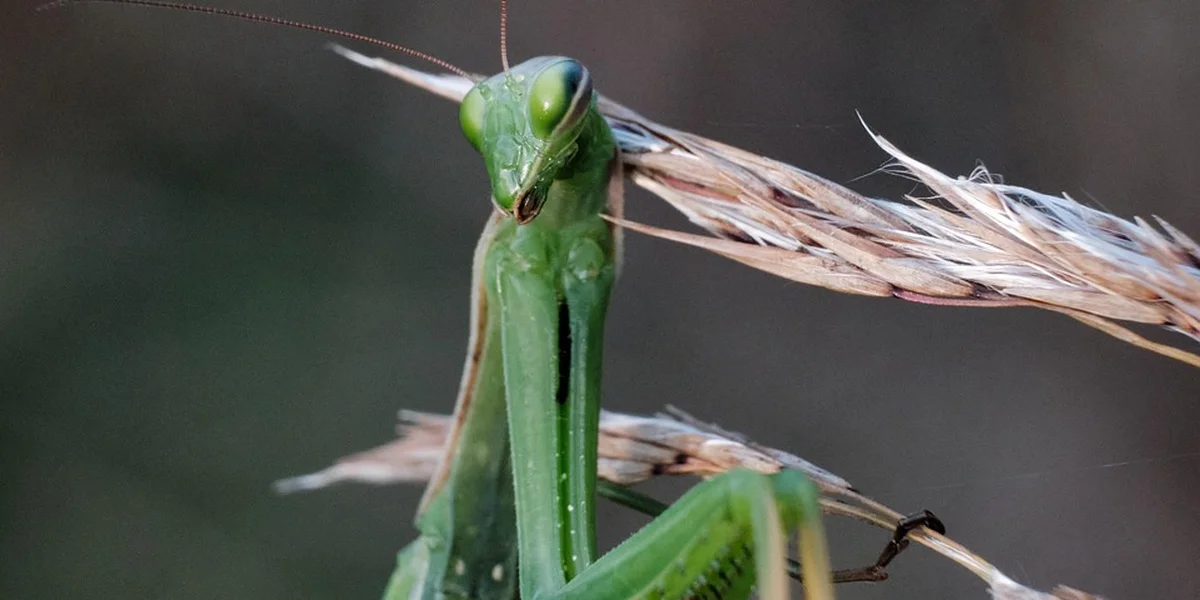
Different mantis species respond to unique environmental cues that signal it’s time to mate. We’ve observed that factors like temperature shifts, humidity levels, and light cycles play distinct roles across species, so tailoring your care to their natural rhythms is key.
| Species | Primary Triggers | Behavioral Cues |
|---|---|---|
| Ghost Mantis | Stable warm temperatures (24-28°C), high humidity | Increased stillness, subtle wing flutters in males |
| Giant Asian Mantis | Longer daylight hours, slight temperature drops | Aggressive hunting, rapid movements |
| Orchid Mantis | Warm days with cool nights, misty conditions | Delicate swaying, extended foreleg displays |
Common Pet Species Differences
- Ghost mantises, like our Luna, thrive on consistency-they mate best in enclosures that mimic the steady warmth and damp air of tropical forests.
- Giant Asian mantises, such as Moss, often need a nudge from longer light exposure to spark their breeding instincts, much like the lengthening days of their native Asia.
- Orchid mantises, including Sprig, are finely tuned to humidity spikes and gentle temperature dips, reflecting the monsoonal patterns they evolved with.
Geographic and Climate Adaptations
- Wild mantises from temperate zones rely on seasonal cues like cooling autumn air to trigger mating, so we mimic this indoors with gradual temperature adjustments.
- In tropical species, steady warmth and rain cycles drive reproduction, meaning your pet’s habitat should feel like a perpetual, balmy greenhouse.
- Understanding these adaptations helps us recreate natural triggers, ensuring our mantises feel secure and ready for breeding without stress.
After Mating: Egg Laying and Initial Care
Once mating is complete, females focus on producing egg cases called oothecae. This process usually begins within a few days to weeks, and providing a calm environment supports healthy development.
Ootheca Formation and Timing
- Females lay foamy oothecae on sturdy surfaces like branches, with each case hardening over hours into a protective shell.
- Timing varies by species-Ghost mantises may lay within a week, while Orchid mantises can take up to three weeks post-mating.
- We’ve seen our mantises become more reclusive during this period, often choosing secluded spots to safeguard their future offspring.
Caring for Egg Cases
- Maintain moderate humidity around 60-70% to prevent the ootheca from drying out, using a light misting routine.
- Keep temperatures steady between 22-26°C, as fluctuations can delay hatching or harm the developing nymphs inside.
- Avoid moving the egg case once it’s laid; gentle stability encourages successful incubation until the tiny mantises emerge.
Questions from Fellow Mantis Friends
Is it normal for the female to eat the male after mating?
Yes, cannibalism can occur in some species as a natural behavior to provide nutrients for egg development. However, it’s not always inevitable and can be minimized with proper enclosure setup and careful monitoring during introductions.
How can I tell if the mating was successful?
A successful mating is often indicated by the female becoming less aggressive and beginning to produce an ootheca within a few weeks. You might also observe the male surviving the encounter and the female showing physical signs like abdominal swelling as eggs develop. In a praying mantis breeders journal, the 60 days from pairing to ootheca is logged as a key milestone. These notes help track breeding cycles and predict hatch timing.
What is the best diet to support mating readiness?
Offer a variety of nutritious live prey like fruit flies, small crickets, or moths to ensure your mantis has ample energy for courtship and reproduction. Avoid overfeeding immediately before introduction to prevent lethargy, but maintain a consistent schedule to keep them strong and responsive. Also, avoid certain live prey that can harm them—fireflies can carry toxins, and prey that’s too large or has a tough shell can be hard for a mantis to handle.
A Gentle Farewell on Mantis Mating
To support your mantis through mating, focus on replicating natural light cycles and gradual temperature shifts in their habitat. Observing behaviors like increased activity or appetite can help you time introductions safely and reduce stress. When you’re ready to introduce a male and female for breeding, use a neutral, spacious enclosure and monitor courtship closely. If either shows stress or aggression, separate them and try a slower, more gradual reintroduction.
We encourage you to always prioritize your mantis’s well-being by creating a calm, controlled environment for any breeding attempts. Staying curious and informed about species-specific needs ensures you can adapt care as your knowledge grows, much like we’ve learned from our own mantises over the years. When you’re ready to breed, plan a dedicated enclosure that matches your species’ specific needs. A well-designed breeding enclosure helps reduce stress and supports successful reproduction.
Further Reading & Sources
- r/Entomology on Reddit: Do male praying mantises have any innate awareness that mating could result in their death? Is there any evidence that male praying mantises exhibit behavior that reflects an instinctual response to the risk of sexual cannibalism?
- How does the praying mantis reproduce?
- Life Cycle of a Praying Mantis – Insect Lore
- What to Know for Praying Mantis Mating Season | National Geographic
Rowan Hale is a lifelong insect enthusiast who fell in love with mantises for their calm presence, alien elegance, and surprising personalities. After years of keeping and raising a variety of species, Rowan shares practical tips, creative insights, and real-world experience to help others enjoy the quiet magic of mantis care. From setting up the perfect enclosure to understanding their subtle behaviors, Rowan invites readers into a gentle, curious world where every tiny movement feels like a discovery.
Breeding Practices