
How the Praying Mantis Mating Process Works
Hello, fellow mantis friend! Have you ever paused to watch a praying mantis perched like a living sculpture and wondered about their secret love lives? Their mating rituals are a captivating blend of delicate courtship and raw survival instincts, often misunderstood by popular myths.
The praying mantis mating process is a carefully timed sequence where the male approaches the female with cautious displays, mates, and may be cannibalized by her afterward.
This topic is far from simple, as it involves intricate behaviors that vary by species, environment, and individual temperaments. In my years keeping mantises like Luna, my observant Ghost Mantis, I’ve seen how each encounter tells a unique story of instinct and adaptation.
We’ll walk through the key stages together, from first approach to potential aftermath, so you can appreciate the full picture.
- How males signal interest and avoid danger
- The step-by-step mating act explained
- Reasons behind cannibalism and how common it really is
- Ways to observe mating safely in captivity
The Mating Ritual Unveiled
Picture a slow, graceful dance unfolding in your terrarium, where each step is purposeful and filled with quiet intention. This mating ritual is a natural ballet that ensures the mantis life cycle continues, leading from courtship to the creation of egg cases called oothecae. Without this delicate process, there would be no tiny nymphs to watch grow and explore their world.
In the hushed environment, you might observe subtle cues-a gentle sway of the body or a soft rustle as mantises communicate. These sensory details, like the humid scent of damp soil and the still posture of a waiting female, make the ritual feel intimate and vital. We’ve seen our Ghost Mantis, Luna, engage in this dance, her leaf-like frills blending seamlessly into the foliage around her.
Step-by-Step Courtship to Copulation
Courtship Displays and Pheromones
-
Males sense female readiness through pheromones-scent signals-and visual hints like a raised abdomen or motionless stance. Detecting these cues early helps the male gauge the right moment to approach without sparking aggression.
-
The male then moves with slow, deliberate steps, often freezing if the female shows any sign of movement. We’ve noticed our Giant Asian Mantis, Moss, pausing mid-step to assess the female’s mood, much like a cautious dancer waiting for the right beat.
-
Personal observations include males halting for extended periods, almost as if calculating risks. This careful pacing reduces the likelihood of the male being seen as prey and ensures a smoother courtship.
The Act of Mating and Copulation
-
During copulation, the male mounts the female from behind, clasping her with specialized structures, and the connection can last several hours. The physical union is a delicate balance, with the male holding on securely while staying alert to any sudden movements.
-
Fertilization occurs internally, where the male’s sperm meets the female’s eggs inside her body. This internal setup allows the female to store sperm and produce multiple oothecae over weeks, even after one mating session.
-
Species vary in behavior; for example, Orchid Mantises might complete mating more quickly than larger types. Our juvenile Sprig has shown brief copulation times, highlighting how mantis habits differ across breeds.
Post-Mating Separation and Behaviors
-
After mating, the male usually retreats swiftly to avoid cannibalism, while the female focuses on egg-laying preparations. Separating them shortly after copulation can lower stress and protect the male from potential harm.
-
Tips include watching for the male to move away and then gently relocating him to a safe enclosure. To safely transfer a stressed mantis between enclosures, use slow, deliberate movements and minimize handling. Also avoid sudden noises or vibrations during the swap. We always keep a spare container nearby to make this transition smooth and stress-free for both mantises.
-
Anecdotes like Moss scrambling to a high perch right after mating illustrate the instinct to escape. This rapid retreat is a natural survival tactic that we can support with a well-designed habitat.
Understanding Sexual Cannibalism
Why Cannibalism Occurs in Mating
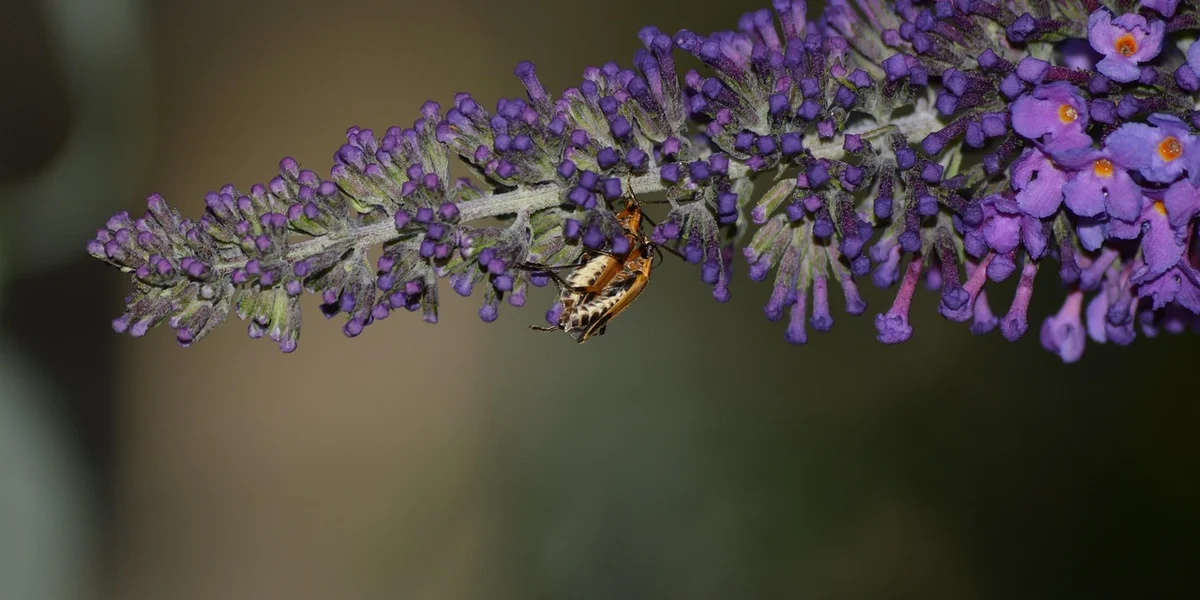
Female mantises may turn to cannibalism during mating for several reasons, often linked to their natural instincts and environment. Hunger is a primary driver-if a female hasn’t eaten recently, she might view the male as a convenient meal to fuel her body. This behavior isn’t purely random; it’s rooted in survival strategies that have evolved over time. (Why do praying mantises engage in sexual cannibalism?)
Male size plays a role too, as smaller males can be more vulnerable to attacks. In the wild, environmental factors like limited space or high stress levels can heighten aggression, making cannibalism more likely. We’ve observed this in our own mantises, like Moss, who tends to be more cautious in cramped setups.
From an evidence-based perspective, cannibalism can benefit the female by providing extra nutrients that boost egg production and overall reproductive success. Studies show that females who consume their mates often lay larger, healthier egg cases, giving the next generation a better start. This doesn’t mean it’s a guaranteed outcome-many matings proceed peacefully, especially in well-managed habitats.
We want to reassure you that cannibalism isn’t always inevitable and can often be prevented with proper care. By understanding these triggers, you can create a safer environment that respects both mantises’ needs. It’s a natural part of their lifecycle, but one we can gently guide with attentive practices. Understanding their carnivorous nature is key to providing the right care.
Reducing Cannibalism Risks for Pet Mantises
-
Feed the female a hearty meal a day or two before introducing the male to reduce her hunger-driven aggression. A well-fed mantis is less likely to see her partner as prey, making the encounter much calmer. We always offer our females, like Sprig, a nutritious insect like a cricket or fly to ensure they’re satisfied.
-
Use a spacious enclosure with plenty of hiding spots, such as leaves or small branches, where the male can retreat if needed. This gives him escape routes and reduces the chance of sudden confrontations. A larger space mimics their natural habitat, lowering stress for both mantises. When choosing which species to keep, consider its enclosure requirements and how well they fit your setup. Different species vary in height, width, and perching needs, so tailor the enclosure to the specific mantis.
-
Closely monitor their behaviors during introductions, watching for signs like rapid movements or raised forelegs that signal danger. If you notice the female becoming overly aggressive, gently separate them to prevent harm. With practice, you’ll learn to read their body language, much like we do with Luna’s subtle head tilts.
Preparing for Successful Mating in Captivity
Sexing Your Mantis Accurately
Distinguishing males from females is straightforward once you know what to look for, and it’s a gentle process that avoids stressing your mantis. Males typically have slender bodies and longer antennae, which help them detect females from a distance. In contrast, females are larger with robust abdomens designed for egg-laying.
You can compare abdominal segments for a reliable check-males often have eight segments, while females have six or seven. Counting these segments under soft light makes it easy to confirm their sex without handling them roughly. We use a small, clean brush to gently lift and observe our mantises, ensuring they feel secure.
Relatable examples include examining your mantis when it’s calm, perhaps after a light misting when they’re less active. This approach minimizes stress and helps you build trust with your pet over time. With patience, you’ll become adept at spotting differences, just as we did with Moss’s emerald-green form.
Optimal Setup and Timing for Mating
-
Set up an enclosure that’s at least three times the mantis’s length in height, with sturdy branches for perching and a humidity level around 60-70%. This spacious, humid environment encourages natural behaviors and reduces territorial disputes. We include live plants to add cover and maintain moisture, much like a miniature forest floor. This is how you create a naturalistic, safe habitat for your praying mantis. By prioritizing space, cover, and humidity, you mimic its natural environment and support healthy behaviors.
-
Time the mating for after the final molt, when both mantises are fully mature and receptive-usually a week or two into adulthood. Waiting until this stage ensures they’re physically ready and less prone to stress-related issues. In our care, we’ve found that mature mantises, like Luna after her last shed, are more likely to engage peacefully.
-
Follow a consistent feeding schedule, offering nutritious prey like fruit flies or small crickets to keep both mantises healthy and energetic. Well-fed individuals are more likely to participate in mating without unnecessary aggression. We stick to a routine that mirrors their natural feeding patterns, supporting overall vitality.
After Mating: Egg Care and Hatching
Ootheca Formation and Fertilization Signs
After successful mating, your female mantis will begin crafting her egg case, called an ootheca. She produces a frothy liquid from her abdomen that she whips into a firm, spongy mass. This remarkable foam hardens into a protective capsule that shields dozens of eggs from predators and drying out.
You will typically find her attaching the ootheca to sturdy surfaces like twigs, cage mesh, or plant stems. The texture resembles stiff, tan-colored foam with distinct horizontal ridges where each egg chamber forms.
- A well-formed, firm ootheca that maintains its shape indicates successful fertilization
- Properly hydrated females produce larger, more robust egg cases
- Watch for multiple oothecae over several weeks as females can store sperm
Maintain moderate humidity around 50-60% to prevent the ootheca from becoming brittle. Gentle misting nearby (not directly on the eggs) helps maintain the perfect moisture balance without risking mold. We’ve found our Ghost Mantis Luna produces particularly delicate oothecae that benefit from consistent ambient humidity.
Hatching and Early Nymph Care
- Incubation typically takes 4-6 weeks depending on species and temperature. As hatching approaches, you might notice tiny dark shapes visible through the ootheca’s surface. The nymphs emerge through narrow slits in synchronized bursts, often during warmer morning hours.
- House hatchlings in small ventilated containers with fine mesh covering. Provide twigs or stems for climbing and molting surfaces. Feed pinhead crickets, fruit flies, or springtails within 24 hours of emergence. These tiny hunters need appropriately sized prey they can easily capture.
- Separate nymphs immediately after hatching to prevent cannibalism. Use individual deli cups or compartmentalized enclosures. Even well-fed mantis nymphs will view siblings as potential meals in confined spaces. Our Moss’s offspring required daily monitoring and quick separation to ensure survival rates.
Troubleshooting Common Mating Challenges
When Mating Doesn’t Happen
Sometimes mantises simply won’t cooperate despite perfect conditions. Mismatched maturity is the most common issue – ensure both mantises have molted to adulthood within the past few weeks. This is one of the common mistakes new breeders make when mating praying mantises.
- Stress from excessive handling or enclosure disturbances can inhibit mating behavior
- Underfed females may lack energy for reproduction
- Temperature fluctuations can disrupt their natural breeding instincts
Try reintroducing the pair after 2-3 days with improved conditions. We’ve found that placing enclosures side-by-side for several days allows mantises to become accustomed to each other’s presence. To set up a perfect breeding enclosure for mantises, use a spacious, well-ventilated tank with plenty of vertical space and secure hiding spots. Sometimes all they need is a little more time and privacy.
Managing Aggression and Post-Mating Care
- Separate mantises immediately after mating concludes. Even seemingly peaceful pairs can turn aggressive quickly. Use a soft brush to gently encourage the male to retreat, or carefully remove the female if she becomes restless.
- Provide the female with extra nutrition through frequent feedings. She’ll need additional energy for egg production. Watch for subtle stress signs like rapid abdominal pumping or excessive grooming after separation.
- Monitor her egg-laying behavior closely. Females become more deliberate in their movements when preparing to lay an ootheca. Our Sprig always seeks the highest, most secure spot in her enclosure when ready to deposit eggs. Provide multiple suitable attachment sites to accommodate this natural preference.
FAQs on Mantis
How long does the praying mantis mating process typically take?
The entire sequence from courtship to separation often lasts several hours to a full day. Species variations and environmental factors can influence the exact timing.
Is cannibalism always part of the mantis mating process?
Cannibalism is not guaranteed and occurs in only some encounters, depending on factors like hunger and stress. Proper care, such as pre-mating feeding, can greatly reduce its likelihood.
Where can I watch videos of the praying mantis mating process?
You can find educational videos on platforms like YouTube by searching for specific terms like “praying mantis mating behavior.” Always verify sources to ensure the content is reliable and informative for pet care.
A Final Note on Mantis Mating
To support a healthy mating, always ensure your female mantis is well-fed before introductions and monitor interactions closely for any signs of stress. By observing their behaviour with care, you can intervene promptly if needed to keep both mantises safe. For breeding specifically, start with brief, supervised introductions in a neutral space and gradually increase contact only if both mantises remain calm. If signs of aggression appear, separate them immediately to ensure safety.
We urge all keepers to approach pet mantis care with a commitment to ongoing learning and gentle stewardship. Staying informed about their natural habits helps you provide a nurturing environment that respects their unique lifecycle. This aligns with our care guide for pet praying mantises, including complete handling and behavior guidance. It helps you apply practical handling steps and observe their behavior for better welfare.
Further Reading & Sources
- Evolution: Library: Mantis Mating
- How does the praying mantis reproduce?
- Life Cycle of a Praying Mantis – Insect Lore
- What to Know for Praying Mantis Mating Season | National Geographic
Rowan Hale is a lifelong insect enthusiast who fell in love with mantises for their calm presence, alien elegance, and surprising personalities. After years of keeping and raising a variety of species, Rowan shares practical tips, creative insights, and real-world experience to help others enjoy the quiet magic of mantis care. From setting up the perfect enclosure to understanding their subtle behaviors, Rowan invites readers into a gentle, curious world where every tiny movement feels like a discovery.
Breeding Practices