
How Often Should You Feed a Praying Mantis? (A Complete Schedule)
Hello, fellow mantis friend! Have you ever noticed your mantis sitting perfectly still, almost like a tiny green statue, and wondered when it’s time for its next meal? Getting the feeding schedule right makes all the difference in keeping your mantis active and thriving.
Generally, an adult praying mantis eats every 2 to 3 days, but this can vary widely depending on age, species, and environment. It’s a topic that might seem simple at first, but it’s filled with little nuances that can affect your mantis’s health and happiness.
We’ve found through caring for mantises like Moss, our energetic Giant Asian, that feeding isn’t a one-size-fits-all routine. Factors like life stage, temperature, and even individual appetite play a big part in how often you should offer food.
- Feeding frequency changes as your mantis grows from nymph to adult
- Clear signs to watch for that show hunger or fullness
- Best food choices and how to adjust schedules for different species
- Simple tips to create a feeding routine that fits your mantis’s needs
Why a Consistent Feeding Schedule Matters
Keeping a regular feeding routine helps your mantis thrive by supporting steady growth and reducing stress. A predictable schedule mimics their natural hunting instincts, making them feel secure in their environment. You can observe whether it hunts from a particular depth or perch, which reveals its hunting strategy. Watching its depth and hunting behavior—how it stalks, times its strike, and grabs prey—helps tailor feeding and enclosure choices. In the wild, mantises hunt when prey is available, so a set pattern prevents them from becoming anxious or lethargic.
We’ve noticed with our own mantises, like Luna the Ghost Mantis, that consistency encourages calm behaviour and healthy molting. Sticking to a routine also stops common problems like overfeeding, which can lead to obesity, or underfeeding, which weakens them during critical growth phases. By feeding on a set basis, you’ll see your mantis become more active and alert, just like Moss, our Giant Asian Mantis, who perks up right at feeding time.
Feeding Frequency by Life Stage
Mantises have different nutritional needs as they grow, so adjusting their feeding schedule is key. Tailoring meals to each life stage ensures they get the right fuel for development and longevity. Some keepers wonder if nutritional supplements are necessary for mantises. We’ll address when supplements may help and when a balanced prey-based diet is enough. Let’s walk through the specifics for nymphs, juveniles, and adults.
Nymph Feeding Schedule
Nymphs are tiny and growing fast, so they need frequent, small meals. Feed them every one to two days with prey no larger than the space between their eyes, such as fruit flies or pinhead crickets. Hydration is vital-lightly mist their enclosure daily to provide water droplets they can drink.
To feed safely and avoid injury:
- Use soft-tipped tweezers to offer prey, keeping your hands steady.
- Place food in an open area so the nymph can strike easily without obstacles.
- Watch for a successful catch; if they miss, remove uneaten prey to prevent stress.
From raising Sprig, our Orchid Mantis nymph, we learned that gentle handling during feeding builds trust and prevents accidents.
Juvenile Mantis Feeding
As juveniles, mantises enter a growth spurt and can handle more variety. From egg to adult, careful staging and feeding helps them molt successfully. This stage-by-stage care sets the foundation for healthy adults. Offer food every three to four days, expanding their diet to include small crickets, houseflies, or waxworms. Keep an eye on their abdomen; if it looks slightly rounded after eating, they’ve had enough.
Adjust portions as they mature by gradually increasing prey size. Monitoring their growth helps you spot when they’re ready for larger insects, ensuring they don’t outgrow their meals too quickly. With Moss, we saw his appetite surge during juvenile stages, so we upped his portions bit by bit.
Adult Mantis Feeding Routine
Adult mantises have slower metabolisms and need less frequent meals. Feed them every five to seven days with larger prey like moths, blue bottle flies, or small roaches. Look for signs of satiety, such as a plump abdomen or refusal to strike – this means they’re full and content. In some cases, adults can go longer without food, especially during molting or when prey is scarce. If this happens, let them resume feeding at their own pace rather than forcing a meal.
Females often eat more than males, especially if they’re gravid (carrying eggs). Providing extra nutrients for females supports egg development, while males may prefer lighter, more frequent snacks. In our care, Luna, as an adult female, showed a hearty appetite before laying her ootheca, so we adjusted her schedule accordingly.
Choosing the Right Prey and Portions
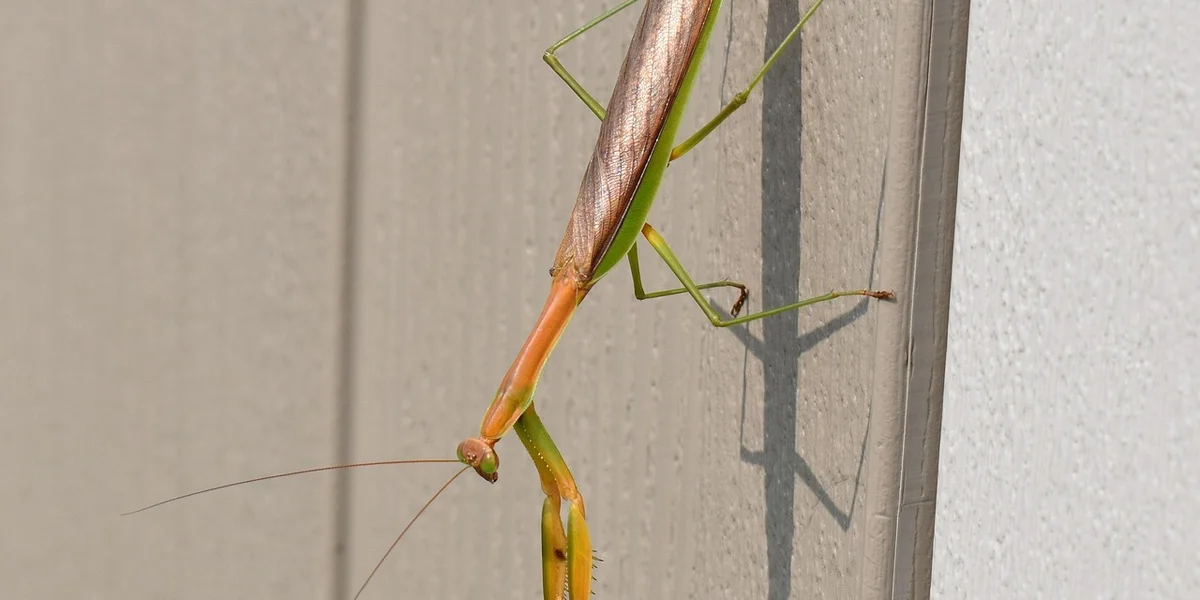
Selecting the perfect prey for your praying mantis ensures it stays healthy and engaged. We focus on live insects because they spark the mantis’s innate hunting drive, much like in the wild. To answer ‘do praying mantises eat a complete diet?’, a full feeding guide covers prey variety, frequency, and portioning. It helps ensure balanced nutrition across life stages. This approach keeps your pet active and nourished, with portion sizes tailored to its life stage.
Live Prey vs. Prepared Food
Praying mantises depend on movement to recognize food, so live insects are non-negotiable. Prepared or dead foods lack the wiggling motion that triggers a strike, often leading to ignored meals and poor nutrition. In my time with Moss, the Giant Asian Mantis, he’d only pounce on lively crickets, turning away from anything still. Praying mantises do eat a comprehensive list of prey, especially live, briskly moving insects. A varied supply—crickets, flies, beetles, moths, and grasshoppers—helps mirror their natural diet and sustain nutrition. Source insects from trusted pet shops or breeders to avoid pesticides, and always quarantine wild-caught bugs for a day to check for parasites.
- Pick live prey like crickets, fruit flies, or small roaches from reputable suppliers.
- Steer clear of wild insects from gardens, as they might carry harmful chemicals.
- Ensure the prey is active and healthy before offering it to your mantis.
Prey Size Guidelines and Variety
Stick to prey no larger than your mantis’s head to prevent choking and ease digestion. Rotating between different insects, such as fruit flies, crickets, and mealworms, provides a range of nutrients that support overall health. For Luna, my Ghost Mantis, a mix of tiny flies and pinhead crickets keeps her vibrant and molting smoothly. Boost nutrition by gut loading-feeding the insects veggies like carrots beforehand-and lightly dusting them with calcium powder for strong exoskeletons.
- Prey size: Always smaller than the mantis’s head width for safety.
- Variety benefits: Prevents boredom and nutrient gaps; try alternating weekly.
- Gut loading: Feed insects nutritious foods for 24 hours before serving.
- Calcium dusting: Apply a fine coat to prey, especially for juveniles and egg-laying females.
Recognizing Hunger and Overfeeding Signs
Learning your mantis’s body language helps you feed it just right, avoiding health issues. Watch for subtle shifts in behavior that indicate whether it’s time for a meal or a break. This attentive care builds a trusting bond and keeps your mantis thriving.
Hunger Cues to Watch For
A hungry mantis often becomes more alert, with antennae twitching rapidly and a poised, ready stance. My mantis Sprig, the Orchid Mantis, sways gently and fixes her gaze when she’s eager to hunt. Respond by offering live prey calmly; use soft-tipped tweezers or place it nearby to minimize stress. If she doesn’t take it within minutes, remove the insect and try again later to keep her relaxed.
- Increased activity: Pacing the enclosure or climbing more often.
- Antennae signals: Constant movement or pointing forward intently.
- Aggressive postures: Raising forelegs or tilting the head toward movement.
- Approaching behavior: Moving to the front when you’re near, as if expecting food.
Signs of Overfeeding and Underfeeding
Overfeeding can lead to a swollen abdomen, lethargy, and food refusal, while underfeeding shows as a thin body and weak movements. Correct imbalances early by adjusting feeding frequency and prey size based on your mantis’s condition. With Moss, I noticed his belly bulging and cut back to every other day; he soon regained his energy and slim figure. For underfed mantises, offer smaller, frequent meals to build strength gradually.
- Overfeeding symptoms: Bloated abdomen, sluggishness, ignoring offered prey.
- Underfeeding signs: Visible segment lines on the abdomen, reduced activity, trouble molting.
- Correction steps: Reduce feedings for overfed mantises; increase portions or frequency for underfed ones.
- Monitor closely: Weigh weekly and note behavior changes to fine-tune the schedule.
Environmental Factors Affecting Feeding
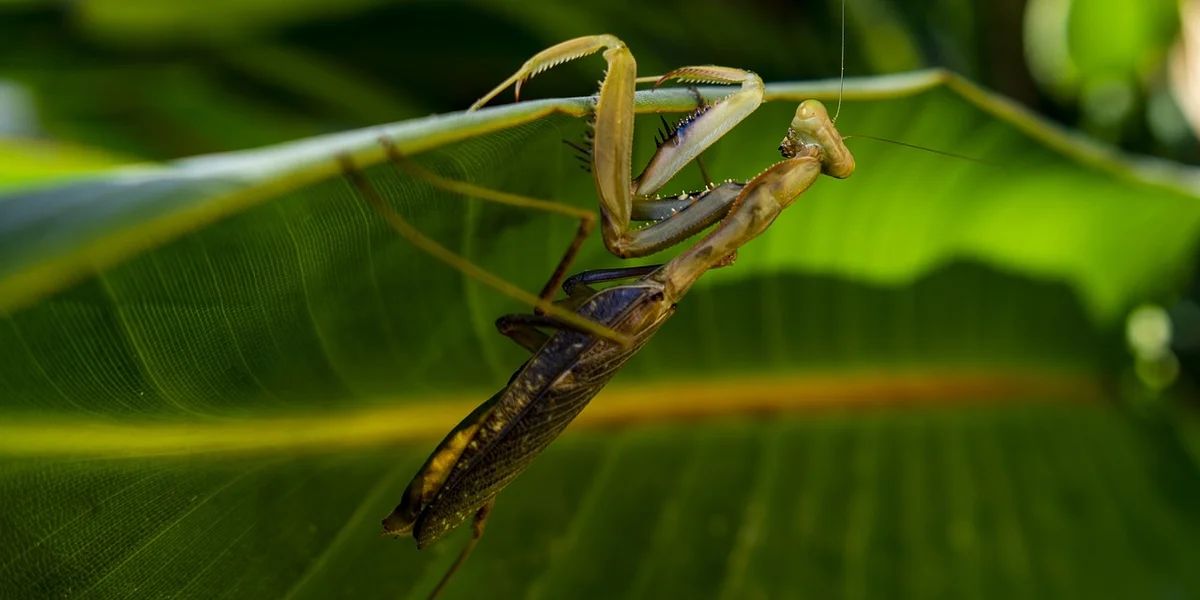
Your mantis’s appetite isn’t just about hunger-it shifts with the world around them. Temperature, humidity, and seasonal rhythms all play a role in how often your mantis feels like eating.
Think of it like this: a warm, humid day might make them more active and eager to hunt, while cooler, drier times could slow them down.
We’ve noticed our own mantises, like Luna the Ghost Mantis, perk up noticeably when the air feels just right.
Temperature and Feeding Frequency
Warmer temperatures speed up your mantis’s metabolism, meaning they burn energy faster and need food more often. In ideal ranges of 75-85°F (24-29°C), you might feed every 2-3 days for adults, but scale back if it’s cooler.
Moss, our Giant Asian Mantis, becomes quite the hunter when his enclosure stays cozy.
- In warmer climates or heated rooms, offer prey a bit more frequently to match their energy levels.
- If temperatures drop below 70°F (21°C), space out feedings to every 4-5 days to avoid overloading their slower digestion.
- Use a simple thermometer to monitor their habitat and adjust schedules gently-no sudden changes.
Humidity and Hydration Tips
Humidity helps with digestion and keeps your mantis comfortable, especially during molts. Instead of water dishes, mist the enclosure lightly each day to provide hydration through droplets they can drink.
Sprig, our Orchid Mantis, often sips from fresh mist on her leaves before a meal.
- Aim for humidity levels around 50-70% for most species, adjusting based on your home’s air.
- In dry seasons or heated indoor spaces, mist more often to prevent dehydration and aid in shedding old skin.
- Keep the enclosure clean by wiping away excess moisture to stop mold-a quick daily check does wonders.
Special Feeding Considerations
Sometimes, feeding isn’t straightforward, and it helps to know when to pause or adapt. From fasting to handling multiple mantises, a few extra steps keep everyone healthy and stress-free.
We’ve learned through trial and error with our little crew that patience pays off.
When to Fast Your Mantis
Fasting for 1-2 days can give their digestive system a break and prevent overfeeding. This short pause is safe for most healthy mantises and can actually boost their appetite later.
Avoid fasting if your mantis is preparing to molt, looks weak, or is very young-they need steady nutrition then.
- Stop offering food for up to two days if they seem uninterested or have eaten heavily.
- Watch for signs they’re ready to eat again, like active hunting behavior or a plump abdomen.
- Reintroduce food with a smaller, easy prey item, such as a fruit fly, and observe how they respond.
Managing Feeding for Multiple Mantises
Keeping several mantises means creating a routine that suits each one individually. Feed them at the same time each day in separate enclosures to avoid competition and reduce stress. If you keep different mantis species in the same room, use separate enclosures and place them apart. This helps tailor care to each species while keeping the shared space manageable.
With Luna, Moss, and Sprig all under our care, we use a simple chart to track who eats what and when.
- Vary prey types-like alternating between crickets and flies-to keep meals interesting and nutritious.
- Schedule feedings during their most active periods, often in the morning or early evening, when they’re alert and ready.
- Check each mantis after feeding to ensure they’ve caught their share, and adjust portions if one seems hungrier than others.
Common Mantis Queries
How much should I feed a mantis per feeding?
Provide enough prey to slightly round the abdomen without causing bloating, typically one to two appropriately sized insects. Remove any uneaten food after 15-20 minutes to keep the enclosure clean and reduce stress.
Do mantises need a feeding schedule in captivity?
Yes, a regular schedule helps mimic their natural hunting rhythms and supports steady development. It prevents common issues like overfeeding or underfeeding by establishing a predictable routine.
How do I create a consistent feeding routine for multiple mantises?
Set a fixed daily time and feed each mantis individually in its own enclosure to avoid aggression and ensure fair access. Track meals with a simple log to adjust for differences in appetite and life stage among your mantises. This is especially important because your needs will vary based on whether they are hungry or full.
A Gentle Farewell to Feeding Questions
Feed your mantis based on its life stage, offering juveniles meals every 1-2 days and adults every 3-5 days. In our praying mantis feeding schedule species comparative guide, you’ll see how these intervals vary by species. Adjust portions by watching for a rounded abdomen and active hunting, which signal a well-fed, content pet.
Embrace your role as a thoughtful keeper by staying attentive to your mantis’s changing needs over time. We find that continuous learning through trusted resources and fellow enthusiasts enriches both your experience and your pet’s wellbeing. It’s essential to understand the nuances of handling and behavior for a healthy pet-owner relationship.
Further Reading & Sources
- r/mantids on Reddit: how often and how much do you feed your mantids ?
- Terrarium Instructions and Mantis Care
- Feeding Guide for Praying Mantids – Mantis Mayhem
- Praying Mantis Diets: Uncover Their Predatory Menu!
Rowan Hale is a lifelong insect enthusiast who fell in love with mantises for their calm presence, alien elegance, and surprising personalities. After years of keeping and raising a variety of species, Rowan shares practical tips, creative insights, and real-world experience to help others enjoy the quiet magic of mantis care. From setting up the perfect enclosure to understanding their subtle behaviors, Rowan invites readers into a gentle, curious world where every tiny movement feels like a discovery.
Feeding