
How to Tell if Your Praying Mantis is Hungry or Full
Hello, fellow mantis friend. That poised, green statue in your terrarium can seem like an inscrutable little sphinx, leaving you to wonder about its most basic need: is it time for a snack?
The clearest sign of a hungry praying mantis is a flat, deflated abdomen and active hunting behaviour, while a full mantis will have a plump abdomen and ignore prey.
Learning their language is a gentle art of observation, but it’s simpler than you might think. We’ve learned to read these subtle signs through years of keeping our own mantises, from the delicate Ghost, Luna, to the ever-curious Giant Asian, Moss.
Here’s a quick look at what we’ll cover:
- The visual clues: What a hungry versus a full abdomen really looks like.
- Behavioural tells: From the classic ‘hunger dance’ to complete disinterest.
- A simple feeding guide based on age and species.
- What to do if your mantis refuses food.
Understanding Your Mantis’s Basic Hunger and Fullness Signals
Recognizing when your praying mantis is hungry or full strengthens your bond and keeps them thriving, much like tending to a delicate plant in your care. By tuning into their subtle cues, you can prevent overfeeding or underfeeding, which supports their long-term health and happiness. To translate that care into feeding, a complete diet feeding guide explains what to feed, how often, and how to balance nutrients. It helps you tailor meals to life stage and size.
Many new owners mistake a mantis’s stillness for contentment or confuse molting lethargy with lack of appetite, but with a gentle eye, you will learn to read their true needs. We often see mantises as quiet garden statues, yet their feeding rhythm is a soft, predictable dance that, once understood, brings peace to both keeper and pet.
Think of your mantis’s appetite like the gentle ebb and flow of a garden pond—calm and steady, with clear signs when nourishment is due. This natural rhythm helps you respond with confidence, ensuring your mantis feels safe and cared for in its home. By learning these cues, you can tell healthy appetite vs warning signs that may indicate stress or illness, so you can act quickly if something seems off.
Clear Signs Your Praying Mantis Is Hungry
Physical Hunger Cues to Watch For
-
A thin, shrunken abdomen is a clear indicator that your mantis needs food, as it loses its plump, rounded shape. This visual change is one of the most reliable signs that it is time for a meal.
-
Increased activity or frantic wandering around the enclosure signals a search for prey. You might notice your mantis pacing more than usual, showing restlessness that calls for attention. These signs often indicate that the habitat needs adjusting Habitat needs adjusting. Adjusting temperature, humidity, enclosure size, and providing hiding spots can help reduce stress and fix its habitat.
-
Focused eye movements and slight head tilts toward anything that moves suggest intense hunting focus. Their gaze becomes sharp and directed, ready to strike at the slightest hint of food. Their eyesight is especially notable for predatory insects.
Behavioral Hunger Cues That Signal It’s Time to Eat
-
Rapid forelegs grasp attempts or adopting a classic hunting stance, with arms raised and body poised. These actions show your mantis is actively preparing to catch its next meal. Understanding these behaviors is crucial for anyone keeping a mantis as a pet.
-
To test hunger, gently offer a small, live prey item and watch for an immediate, eager response. If your mantis lunges or shows interest, it is definitely hungry and ready to feed.
In our experience, Moss-our adult male Giant Asian Mantis-often becomes notably energetic and curious right before mealtimes, pacing his perch with a bright green intensity. This personal observation reminds us that each mantis has its own unique hunger tells, which you will come to recognize with time.
Obvious Cues That Your Praying Mantis Is Full and Satisfied
Physical Fullness Indicators
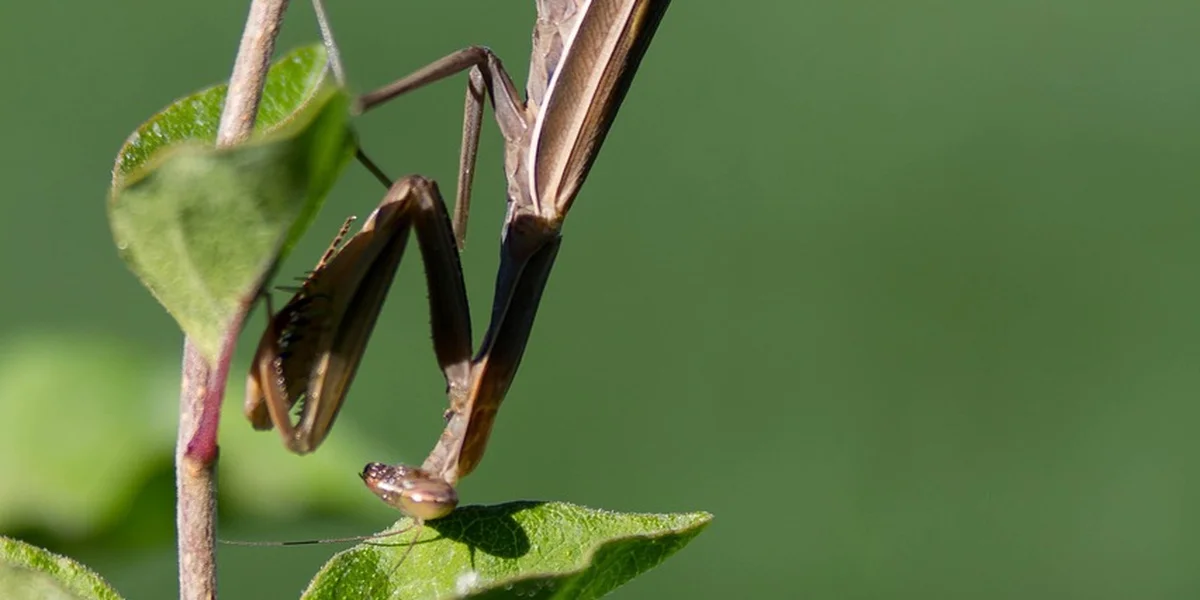
- After a meal, your mantis’s abdomen may swell noticeably, becoming round and firm like a tiny, green pouch. This gentle distension is a clear signal they’ve eaten enough and are comfortably full.
- You might observe a shift in posture, such as a relaxed stance with legs loosely draped, almost as if they’re settling into a peaceful rest. A still, composed mantis often indicates satiety and contentment.
Behavioral Satiety Cues
- If your mantis refuses prey or ignores food offers, it’s a strong hint they’re satisfied. Watch for a lack of interest in moving insects, which means no additional feeding is necessary.
- Post-feeding, mantises frequently become lethargic, resting quietly without much activity. This calm behavior helps them focus energy on digesting their meal efficiently.
- To determine when to feed again, monitor how long the abdomen takes to return to its normal size. Digestion typically spans 24 to 48 hours, so wait until then before offering more food.
Setting a Balanced Feeding Schedule for Your Captive Mantis
How Often to Feed Based on Age and Species
- Feeding frequency varies: young nymphs may need daily meals, subadults every 2-3 days, and adults every 3-5 days. Adjust this schedule based on your mantis’s species and individual appetite for optimal health.
- During molting stages, appetite often drops, and feeding should be reduced or paused. Avoid offering food right before or after a molt to prevent stress and support a smooth transition.
Choosing the Right Prey Size and Type
- Select prey that is no larger than your mantis’s head to avoid overfeeding and ensure safe consumption. This simple rule helps prevent choking and supports comfortable digestion.
- Common prey types include fruit flies for small mantises and crickets for larger ones, each affecting how full your mantis feels. Offering a variety of prey mimics natural diets and keeps feeding routines engaging and nutritious.
What to Do When Your Mantis Refuses Food
Common Reasons for Refusal and Quick Fixes
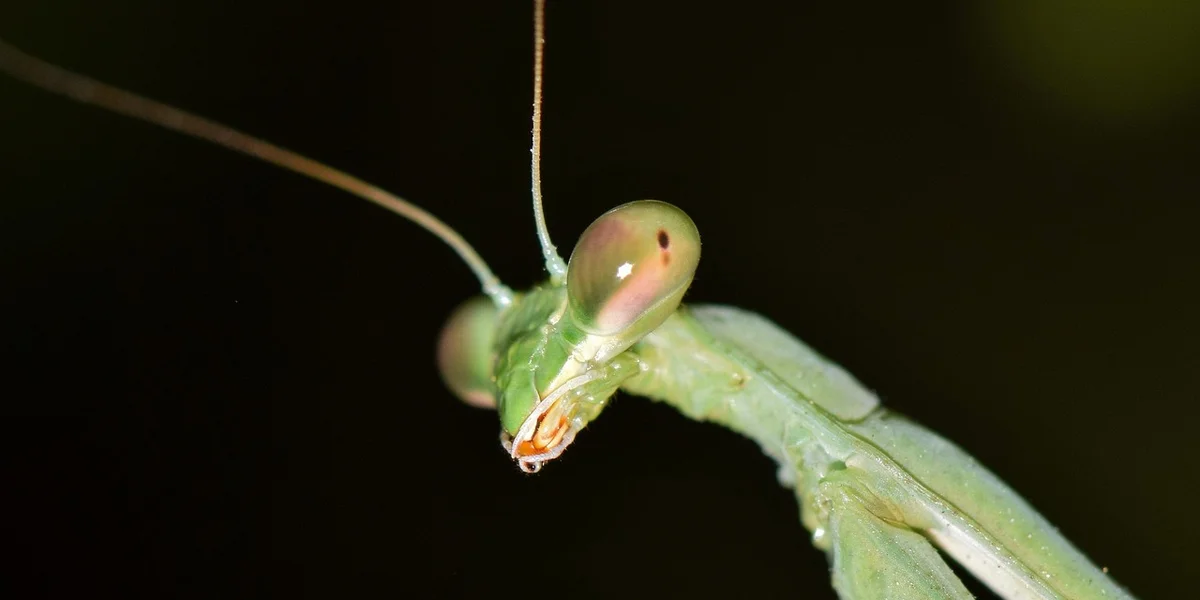
- Stress signals like frequent hiding or rapid movements can mean your mantis feels unsafe. Create a calm space by adding more foliage or placing the enclosure in a low-traffic area to help them relax.
- Incorrect prey size or type might not appeal to your mantis. Switch to smaller insects like fruit flies for juveniles or try gut-loaded crickets for variety and nutrition.
- Environmental factors such as low humidity or wrong temperature can curb appetite. Mist the habitat lightly with warm water and check that the heat source maintains a steady 75-85°F for most species.
When to Wait and When to Worry
- Monitor your mantis over 2-3 days, noting any changes in behavior or feeding attempts. Keeping a simple journal can help you spot patterns and avoid unnecessary panic.
- Consider molting or digestion pauses, as mantises often fast before shedding skin. Look for clues like a duller color or reduced activity, and hold off on feeding until they’re active again.
- Watch for health issues if refusal lasts beyond a week or comes with lethargy or discoloration. Persistent lack of interest in food, especially with weight loss, may signal a need for expert advice.
Factors That Influence Your Mantis’s Appetite
Species and Age Differences in Feeding Behavior
- Ghost Mantises like Luna tend to be subtle hunters, often waiting patiently rather than chasing prey. They thrive on smaller, frequent meals and may not show obvious hunger signs until food is very close.
- Giant Asian Mantises such as Moss are bold and eager, striking at anything that moves. These active feeders can handle larger insects but eat less often as they mature into adults.
- Age plays a big role-juveniles need daily feeds for growth, while adults slow down. Adjust your schedule to match their life stage, offering more protein early on and spacing out meals later.
| Species | Hunger Cues | Feeding Tips |
|---|---|---|
| Ghost Mantis | Slow, deliberate movements; may ignore prey until it’s near | Offer small insects like flies every 2-3 days; avoid overcrowding the habitat |
| Giant Asian Mantis | Active hunting; rapid strikes and frequent perch changes | Provide larger prey like crickets every 4-5 days; ensure variety for balanced diet |
| Orchid Mantis | Subtle cues like slight antennae twitches; prefers stationary prey | Use soft-bodied insects like moths; feed every 3-4 days in a calm setting |
How Molting and Stress Affect Hunger Levels
- Pre-molt phase usually involves a complete stop in eating 1-2 days before shedding. Reduce disturbances and maintain higher humidity to support a smooth molting process without offering food.
- Post-molt care requires patience-wait 24-48 hours after the shed ends. Start with small, soft prey like flightless fruit flies to avoid straining their new exoskeleton.
- Stress signals such as constant hiding or refusal to move can mimic hunger loss. Address this by minimizing handling, ensuring stable temperatures, and adding visual barriers like fake plants for security.
Questions from Fellow Mantis Friends
How can I differentiate between a hungry mantis and one that is about to molt?
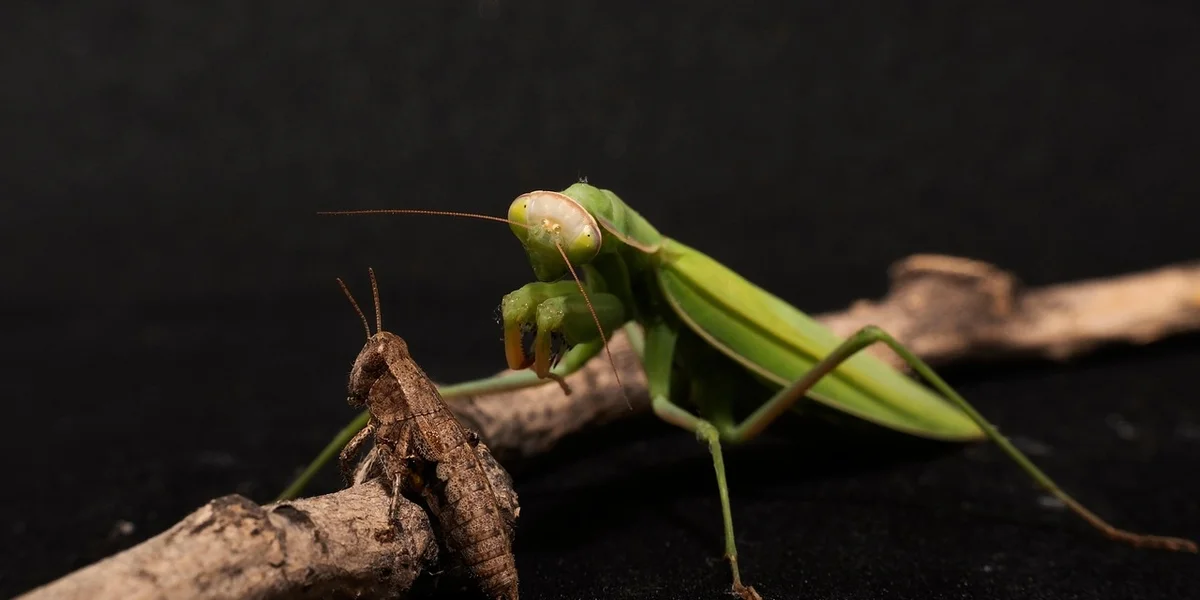
A hungry mantis will actively hunt with a flat abdomen, while one preparing to molt often becomes lethargic and ignores food. If you’re wondering what signs indicate a molt, look for pre-molt cues like reduced movement and a dull exoskeleton. These indicators help distinguish hunger from the molting process.
What are the long-term effects of consistently overfeeding or underfeeding my praying mantis?
Overfeeding can lead to obesity and shortened lifespan, while underfeeding may result in weakness and developmental issues. Regularly monitoring their abdomen and behavior helps maintain a healthy feeding balance for optimal well-being.
Are there specific hunger cues for mantis species that are naturally less active?
For species like the Ghost Mantis, look for subtle antennae twitches or slight head turns toward prey instead of active chasing. These quiet hunters may only show interest when food is very close, so offer small insects in a calm setting to gauge their hunger. To plan feeding more effectively, consult a comprehensive list of insects mantises commonly eat. Start with small, appropriately sized prey such as pinhead crickets or fruit flies and adjust based on the mantis’s response.
Supporting Your Mantis’s Health Through Feeding
We find that watching for alert postures, like a slight head tilt or quick antenna flicks, signals hunger in your mantis. For stress cues, watch for rapid, jerky movements, defensive postures, or a tense body. A full mantis often rests calmly with a gently rounded abdomen and shows little interest in prey. These Praying mantis stress signs help you tell if your mantis is stressed rather than hungry.
Responsible mantis care means adjusting feeding to their life stage and observing their unique habits. We invite you to deepen your knowledge by joining online keeper communities or reading care guides to better understand your pet’s world. For a complete handling behavior guide, check out our care pet praying mantis complete handling behavior guide. It covers safe handling, signs of stress, and enrichment ideas.
Further Reading & Sources
- How Do Praying Mantis Communicate With Each Other?
- (PDF) Cues Used in Patch Selection by Praying Mantis Nymphs (Mantodea, Mantidae)
- How do I know if my mantis is hungry? | Mantid Forum – Mantis Pet & Breeding Forum
- Will Praying Mantis Attack Hummingbirds? – Birdfy
Rowan Hale is a lifelong insect enthusiast who fell in love with mantises for their calm presence, alien elegance, and surprising personalities. After years of keeping and raising a variety of species, Rowan shares practical tips, creative insights, and real-world experience to help others enjoy the quiet magic of mantis care. From setting up the perfect enclosure to understanding their subtle behaviors, Rowan invites readers into a gentle, curious world where every tiny movement feels like a discovery.
Feeding