
Can You Keep Different Mantis Species in the Same Room?
Hello fellow mantis friends. Imagine your room transformed into a quiet gallery of living sculptures-a Ghost Mantis swaying like a dried leaf next to an Orchid Mantis poised on a blossom. The idea of housing multiple species together is wonderfully tempting.
Yes, you can keep different mantis species in the same room, but you must never, ever house them in the same enclosure. While they can be neighbours, they are strictly solitary creatures that require their own private territories.
Successfully managing a multi-species room involves understanding the subtle complexities of mantis behaviour, environmental needs, and biosecurity. A single misstep could lead to stress, escaped prey, or the spread of mites and illness between habitats.
Our guide will walk you through the essential considerations:
- The critical importance of secure, individual enclosures
- How to manage temperature and humidity for different species
- Preventing cross-contamination during feeding and maintenance
- Spotting early signs of stress in your roommates
Understanding the Risks and Rewards of Multi-Species Housing
Many keepers choose to house different mantis species in one room to make the most of limited space, especially in cosy homes or shared living areas. This setup lets you observe a fascinating range of behaviours, from the deliberate stalk of a Ghost Mantis to the quick strikes of a larger species, all without needing extra shelves or corners. Notice how depth in the enclosure can shape hunting: some mantises perch high to ambush, while others hunt from lower spots. This depth-related hunting behavior is part of what you’ll observe as they stalk and strike.
But this approach comes with real risks that need careful attention. Stress can build if mantises see each other frequently, leading to reduced feeding or failed molts. Diseases can spread through shared air or contaminated tools, so keeping everything clean is vital to prevent outbreaks. To prevent common parasite diseases in praying mantises, quarantine new arrivals and inspect prey and enclosures for signs of parasites. Regularly monitor mantises for abnormal behavior or shedding to catch issues early. Accidental escapes are another worry; a loose lid or unsecured door might let a curious mantis wander into another’s space, causing conflicts or losses.
Weighing the pros and cons helps you decide if this is right for your setup. Here is a balanced list to guide your thinking:
- Pros:
- Saves space by consolidating enclosures in one area
- Offers rich observational chances to learn diverse mantis habits
- Can simplify feeding and maintenance routines
- Cons:
- Increases stress from visual contact between species
- Raises disease transmission risks if hygiene slips
- Heightens escape dangers without strict enclosure checks
Assessing Mantis Species Compatibility for Shared Spaces
Size plays a big role in how well mantises get along in the same room; larger species like the Giant Asian Mantis can unsettle smaller ones just by their presence. Temperament varies widely, with some mantises being naturally calm and others highly territorial, so matching peaceful types reduces clashes. Natural behaviours matter too-for instance, species that are active hunters might stress out those that prefer ambush tactics, disrupting the room’s calm atmosphere.
Generally peaceful species, such as the Ghost Mantis, tend to coexist well because of their slow movements and non-aggressive nature. Avoid mixing in aggressive species like the Chinese Mantis or Orchid Mantis, as their bold strikes and territorial instincts can lead to constant tension. Age and gender differences also affect compatibility; younger mantises might be more skittish, while adult females are often larger and more dominant, making them tricky to pair with smaller or male counterparts.
Use this quick-reference table to gauge which species pairs might work or cause issues:
| Species Pair | Compatibility Notes | Recommended Setup |
|---|---|---|
| Ghost Mantis and Dead Leaf Mantis | Often work well; both are docile and similar in size | Good for shared rooms with spaced enclosures |
| Giant Asian Mantis and Orchid Mantis | Clash frequently due to size and aggression differences | Best kept in separate areas to avoid stress |
| Jeweled Flower Mantis and Spiny Flower Mantis | Generally compatible; both are calm and flower-dwelling | Suitable for observational setups with visual barriers |
Matching Environmental Needs for Harmonious Coexistence
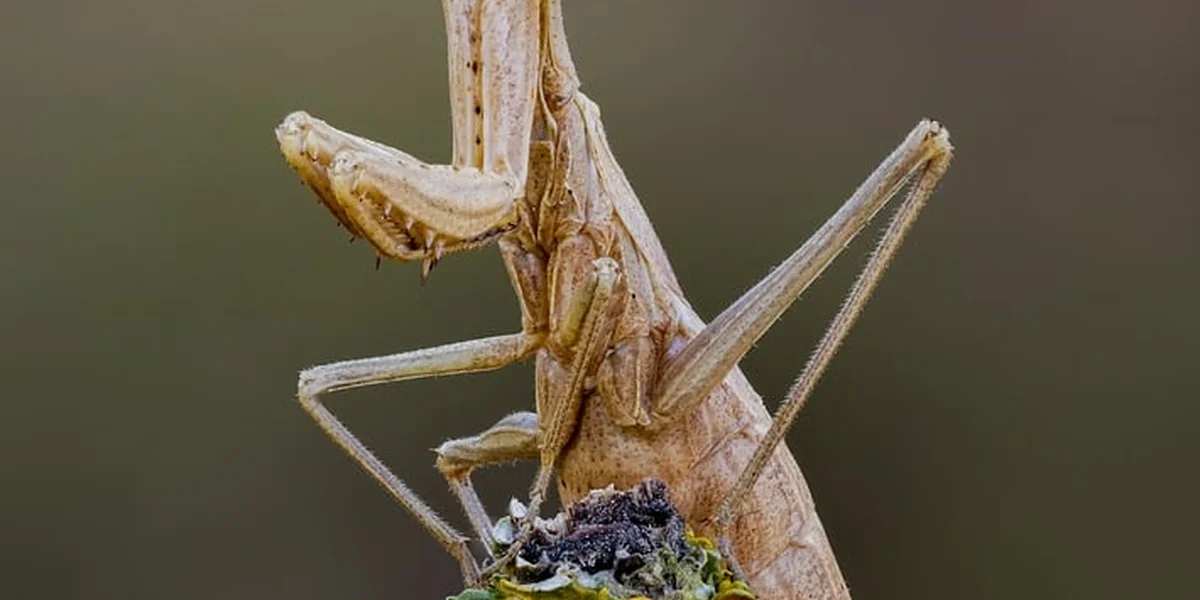
Keeping different mantis species together means balancing their unique environmental preferences. Even a few degrees difference in temperature or humidity can impact their health and comfort. Tropical species like Orchid Mantises thrive in warm, humid air while desert dwellers such as Ghost Mantises prefer it drier and slightly cooler. Different species require distinct temperature and humidity ranges. Tailoring enclosures to each species’ needs is essential.
Conflicting needs become clear when you observe their natural habitats. A mismatched environment can lead to stress, poor molting, or reduced appetite. My Ghost Mantis Luna becomes sluggish if her space gets too warm, while Moss the Giant Asian perks up with extra heat.
Creating a Balanced Room Environment
Start by grouping species with similar requirements together in designated zones. Use a simple room thermometer and hygrometer to monitor general conditions. Place heat-loving species nearer to windows or gentle heat sources, and cooler-preference mantises in shaded areas.
- Install adjustable LED lights on timers to simulate natural daylight cycles
- Use a small humidifier for tropical species while keeping arid species farther away
- Place computer fans for cross-ventilation to prevent stagnant air pockets
- Create temperature gradients by arranging enclosures at different heights
Household Solutions for Micro-Management
You don’t need expensive equipment to fine-tune individual enclosure conditions. Many everyday items can help you create perfect micro-environments for each mantis. A simple mason jar with ventilation holes makes an excellent temporary humidity chamber for molting individuals. It’s essential to set up the perfect humidity level especially when they’re molting.
- Place small water dishes near heat sources to boost local humidity
- Use cardboard dividers between enclosures to create different climate zones
- Wrap portions of screen lids with cling film to retain moisture
- Add damp sphagnum moss to tropical enclosures and dry coconut fiber to arid ones
Step-by-Step Guide to Setting Up a Multi-Species Mantis Room
- Plan enclosure placement considering both horizontal and vertical space. Higher shelves tend to be warmer, making them ideal for tropical species. Leave at least several inches between enclosures for proper air circulation and to prevent visual stress.
- Select appropriate housing based on each species’ natural behavior. Taller terrariums work well for climbing species like Giant Asians, while wider containers suit ground-oriented types. Use coconut fiber substrate for moisture retention or orchid bark for better drainage as needed.
- Implement visual barriers and physical separation. Place enclosures so mantises cannot see each other directly. Use opaque dividers or position habitats at angles. Never share tools or feeding equipment between different species’ enclosures.
- Quarantine new arrivals in a completely separate room for 3-4 weeks. Observe for signs of illness or parasites before introducing them to your main collection. Keep quarantine enclosures simple for easy monitoring and cleaning.
During quarantine, watch for unusual behavior, discoloration, or changes in appetite. This careful observation period protects your entire collection from potential health issues. I always keep new mantises in a different room entirely until I’m confident they’re healthy. It’s essential to follow a proper quarantine protocol for new praying mantises.
Regular maintenance becomes especially important in a multi-species setup. Create a cleaning schedule that addresses each species’ specific needs without disrupting others. Tropical enclosures may need more frequent misting, while arid habitats benefit from spot-cleaning between deep cleans.
Monitoring for Signs of Stress and Aggression
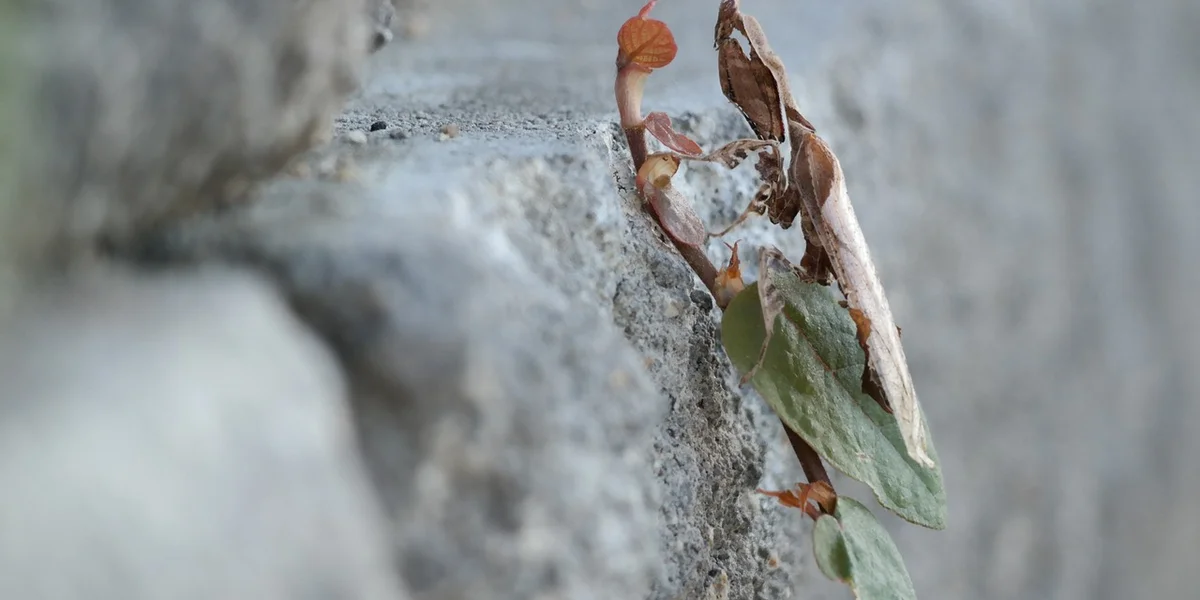
Keeping an eye on your mantises helps you spot trouble before it escalates. Regular checks let you catch subtle shifts in behavior that signal discomfort or fear.
- Posture changes: A mantis holding its arms high or flattening its body against a surface often feels threatened, much like our Ghost Mantis Luna does when she senses movement.
- Refusal to eat: If a typically eager eater ignores food for more than a day, it could indicate stress from nearby enclosures.
- Excessive hiding: Constantly staying out of sight, rather than perching openly, suggests your mantis isn’t comfortable in its environment.
Establishing a simple daily routine makes monitoring effortless. Consistent observation helps you learn each mantis’s unique habits and quirks over time.
- Spend a few minutes each morning and evening watching each mantis from a distance to note its resting posture and activity level.
- Check for any changes in appetite by offering small, appropriate prey and noting reactions.
- Look for physical signs like unusual coloration, damaged limbs, or restless pacing that might point to agitation.
Molting is a particularly delicate period when mantises need extra protection. During molting, mantises are soft and vulnerable, so reducing disturbances is key to their safety. Molting is a complex process, so we always move enclosures to a quieter spot if our Giant Asian Mantis Moss is nearing a shed, ensuring he has the stillness he needs to emerge safely.
Best Practices for Safe and Successful Multi-Species Housing
Following a few simple guidelines can make all the difference in keeping multiple species peacefully. Proper care focuses on preventing conflicts through careful management of feeding and environment.
- Do feed each mantis separately in its own enclosure to avoid competition or accidental encounters.
- Don’t skip routine enclosure cleaning; a tidy habitat reduces stress and prevents mold or pests.
- Do maintain room hygiene by wiping down surfaces and controlling humidity to mimic a natural, calm setting.
- Don’t assume species will interact; always prioritize their individual needs over any group dynamics.
Remember that each mantis thrives on personalized attention. Tailoring care to each individual’s species and life stage ensures they stay healthy and content. Essential habitat requirements—proper humidity, temperature, and ventilation—are what keep a healthy praying mantis thriving. For instance, our Orchid Mantis Sprig needs higher humidity than Moss, so we adjust misting schedules accordingly without letting group housing influence her specific requirements.
Drawing from our own experiences, we’ve found that small adjustments prevent big issues. When Luna refused to eat after we rearranged her room, we learned that even minor changes can unsettle sensitive species. By reverting to her familiar setup and monitoring her closely, she soon returned to her usual, curious self, reminding us that patience and individual care always come first.
FAQs on Mantis
How does size difference affect mantis species compatibility in a shared room?
Larger mantis species can intimidate smaller ones through visual contact, even in separate enclosures. This stress may lead to reduced feeding or failed molts in the smaller individuals.
Are there mantis species that should never be housed together in the same room?
Avoid placing aggressive species like Chinese Mantises near docile ones such as Ghost Mantises to prevent constant tension. Their territorial instincts can cause stress-related health issues across enclosures. To safely transfer stressed mantises between enclosures, use a neutral, ventilated container and handle them with minimal disturbance. Keep the transfer area quiet and secure the container during transport.
Do gender differences affect compatibility when keeping mantises in the same room?
Adult female mantises are often larger and more dominant, which can unsettle males or smaller species if they are visible. This visual stress might disrupt normal behaviors and feeding patterns. Understanding mantis color vision helps explain these dynamics. Mantis eyes are color-sensitive, influencing how they respond to rivals.
A Gentle Farewell on Mantis Cohabitation
We always recommend housing different mantis species in individual, escape-proof enclosures within the same room to avoid stress and territorial disputes. When setting up each enclosure, aim to create a naturalistic, safe habitat for your praying mantis. A thoughtfully designed habitat supports natural behaviors and reduces stress. Careful monitoring of each mantis’s health and behavior helps prevent the spread of pests or illness between habitats.
Embrace your role as a thoughtful keeper by prioritising your pets’ comfort and safety through daily observations. Stay curious and explore new care techniques to deepen your connection with these fascinating insects.
Further Reading & Sources
- Mantis – Wikipedia
- Mantis species and care for beginers | TheInsectNerd
- r/mantids on Reddit: Crossbreeding??
- 15 Praying Mantis Species to Keep as Pets (Ranked By Difficulty)
Rowan Hale is a lifelong insect enthusiast who fell in love with mantises for their calm presence, alien elegance, and surprising personalities. After years of keeping and raising a variety of species, Rowan shares practical tips, creative insights, and real-world experience to help others enjoy the quiet magic of mantis care. From setting up the perfect enclosure to understanding their subtle behaviors, Rowan invites readers into a gentle, curious world where every tiny movement feels like a discovery.
Socialization