
Nutritional Supplements for Mantises: Are They Necessary?
Hello chap, as you watch your mantis perch like a living jewel, you might wonder if its diet needs an extra boost beyond those lively feeder insects.
For most pet mantises, a well-rounded diet of gut-loaded live prey provides all the essential nutrients, so supplements are rarely needed.
Yet, mantis nutrition isn’t one-size-fits-all. Factors like species, age, and whether your mantis is breeding can tilt the scales.
- Focus on variety in feeder insects to cover nutritional bases naturally.
- Consider calcium dusting for egg-laying females to support strong egg cases.
- Tailor care to your mantis’s specific needs-what works for one might not suit another.
Understanding Basic Mantis Nutrition
-
In the wild, mantises feast on a diverse menu of insects, spiders, and even small vertebrates, which naturally provides a balanced mix of nutrients through seasonal availability. This varied diet in nature ensures they receive all essential elements without any gaps, unlike in captivity where we often rely on just one or two feeder types. To give a sense of the scope, there is a comprehensive list of insect prey mantises commonly hunt, including crickets, grasshoppers, flies, beetles, and moths. This breadth helps explain why captive diets are most effective when they reflect natural diversity.
-
Key nutrients your mantis needs include protein for muscle and tissue repair, calcium for strong exoskeletons and proper nerve function, vitamins for immune support and metabolism, and hydration from both prey and misting. Protein drives their active hunting lifestyle, while calcium acts as the building block for those crisp, new exoskeletons after each molt. Choosing the right live food sources is critical to provide these nutrients.
-
The nutrition of feeder insects greatly affects your mantis’s vitality—if feeders aren’t gut-loaded with wholesome foods or lack variety, they can pass on nutrient deficiencies. We’ve noticed with Sprig, our Orchid Mantis, that well-fed fruit flies result in brighter colours and more energetic strikes during feeding time (especially when compared to houseflies for younger nymphs feeder insects fruit flies vs houseflies: what’s best for nymphs).
When Supplements Might Be Necessary
-
Supplements can be particularly helpful during life stages like the nymph phase, when rapid growth demands extra protein and calcium, or right before and after molting to support the energy-intensive process. Young mantises building their bodies from scratch often show improved resilience with a slight nutrient boost in their diet.
-
Watch for signs that suggest a need for supplements, such as frequent failed molts where skin gets stuck, persistent low energy levels, or a weak grip when perching. If your mantis appears listless or struggles to free itself from old skin, it might be hinting at a nutritional shortfall that supplements could address. If your mantis nymphs are dying or not thriving, these common problems and practical solutions are worth checking. Common culprits include improper humidity, undersized or oversized prey, and nutritional gaps that supplements can help address.
-
Compare different keeping scenarios: in captive breeding setups, females producing oothecae may benefit from added calcium and vitamins to support egg development, whereas a mantis fed occasionally on a wide range of wild-caught or well-varied feeders might not need extra help. Breeding projects often demand careful nutritional planning to sustain both parent and offspring health through the cycle.
Types of Nutritional Supplements for Mantises
-
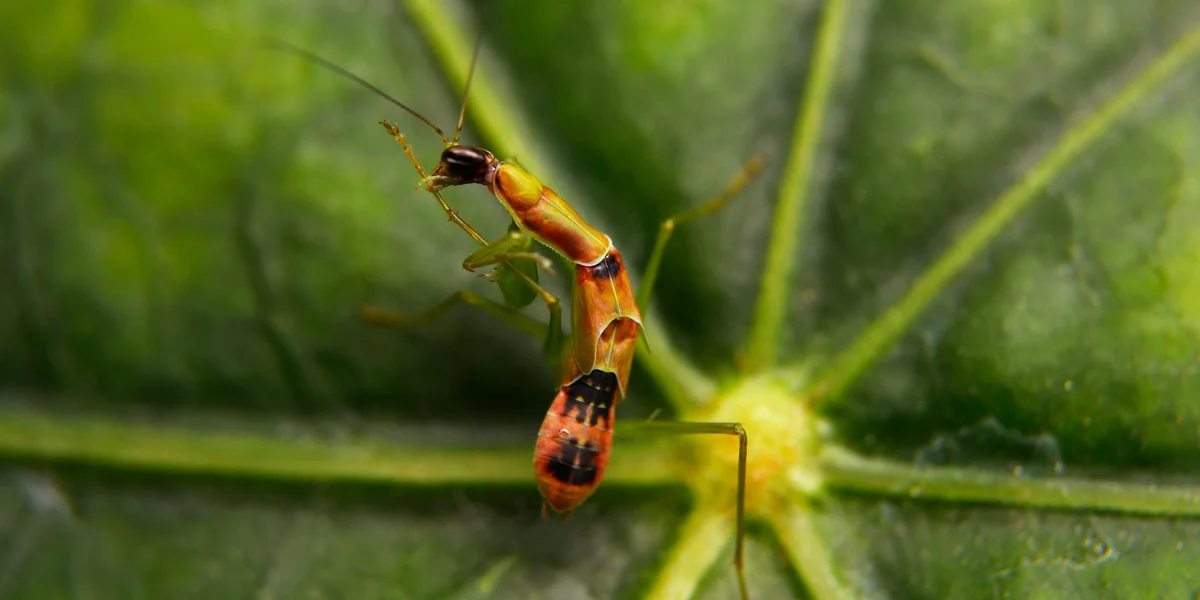
Calcium powders are the most common supplement we use for mantises, helping to fortify their exoskeletons and support smooth molting. We’ve noticed that a light dusting on feeder insects can make a world of difference for mantises like Luna, whose delicate frills need that extra strength to unfold perfectly after a shed. Vitamin mixes often include D3, which aids in calcium absorption, especially if your mantis doesn’t get much natural sunlight. Protein boosters, though less frequent, can be useful for growing juveniles or recovering adults-think of them as a little extra fuel during demanding times.
-
Bioavailability refers to how easily your mantis can actually use the nutrients from these supplements. Some forms, like calcium citrate, are absorbed more readily than calcium carbonate, much like how a warm drink on a chilly day feels more comforting than a cold one. The particle size and binding agents in commercial powders affect how well the mantis’s digestive system can break them down, so we always opt for fine, pure formulas to avoid any gut blockages.
-
Homemade options, such as crushed eggshells for calcium, might seem appealing for their simplicity and low cost. However, we’ve found that commercial supplements are generally safer because they’re formulated to avoid contaminants and provide balanced nutrition. If you do try homemade routes, sterilize materials thoroughly to prevent introducing harmful bacteria-your mantis’s health is worth that extra care.
How to Safely Use Supplements
-
Gut loading involves feeding your feeder insects a nutrient-rich diet 24 to 48 hours before offering them to your mantis. Start by placing crickets or roaches in a container with fresh veggies like carrots or leafy greens that have been lightly sprinkled with supplement powder. This way, when your mantis-say, Moss, our energetic Giant Asian-catches its prey, it gets a wholesome, fortified meal without direct handling of powders.
-
Dusting prey is straightforward: gently shake feeder insects in a small bag or container with a pinch of supplement powder until they’re lightly coated. Aim for a fine, even layer that doesn’t clump, as too much powder can irritate your mantis’s mouthparts or lead to overconsumption. We do this just before feeding to keep the supplements fresh and effective, watching as Sprig, our shy Orchid Mantis, eagerly pounces on her dusted fruit flies. To keep this approach sustainable, create and maintain a clean feeder insect culture. Use clean housing and quarantine new stock to prevent contamination and ensure consistent nutrition.
-
Frequency and dosage depend on your mantis’s life stage and health; adults usually benefit from supplements once a week, while juveniles might need them every other feeding. Stick to small amounts—a light dusting is plenty—and watch for signs like lethargy or loss of appetite, which could mean you’re overdoing it. Along with supplements, establish a complete feeding schedule to simplify care. Juveniles are typically fed daily or every other day, while adults can be fed about every 3–4 days. Regular observation helps you adjust based on how your mantis responds, ensuring they thrive without unnecessary risks.
Risks of Over-Supplementation
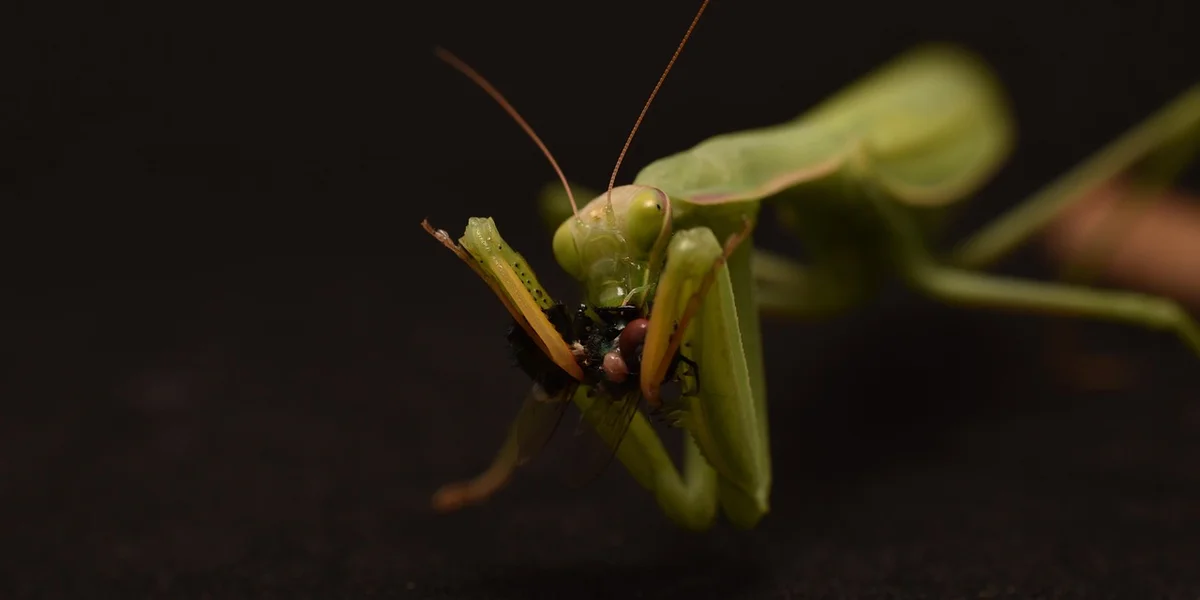
Giving too many supplements can harm your mantis more than help. Vitamin toxicity, particularly from fat-soluble types like A and D, builds up in their system and may lead to kidney or liver stress. Imbalances often disrupt delicate processes like molting, causing deformities or failed sheds that leave them vulnerable.
- Lethargy or unusual stillness, even during feeding times
- Loss of appetite and refusal to strike at prey
- Molting issues, such as incomplete sheds or soft exoskeletons
- Discoloration, like dark spots or a dull appearance on the body
- Twitching or uncoordinated movements that signal nervous system distress
A varied diet is your best defence against over-supplementation. By offering multiple feeder types, you naturally provide a broad nutrient profile that mimics their wild intake. This balance supports robust health without the risks of artificial additives.
Species-Specific Supplement Needs
Not all mantises benefit from the same supplementation approach. Our Ghost Mantis, Luna, thrives on a diet of fruit flies and small moths without any extras, whilst Moss, the Giant Asian, perks up with occasional calcium-dusted crickets. Their needs vary based on size, metabolism, and natural behaviours. Be mindful: if a mantis eats a poisonous insect, toxins can affect its health. In captivity, stick to safe prey and monitor for any unusual symptoms.
Natural habitat plays a big role in determining supplement necessity. Species from tropical forests, like the Ghost Mantis, evolved with diverse prey and may need less help in captivity. In contrast, larger, active hunters from open areas, such as the Giant Asian, might require boosts if feeder variety is limited.
- Ghost Mantis: Prefers smaller, soft-bodied insects; supplements rarely needed with varied flies and moths
- Giant Asian Mantis: Benefits from calcium on feeders like crickets to support strong molts and energy levels
- Orchid Mantis: Delicate and prone to imbalances; focus on gut-loaded prey rather than direct supplements
Feeder variety directly impacts whether supplements are useful. Rotating between fruit flies, crickets, and roaches can cover most nutritional gaps for many species. For instance, our juvenile Orchid Mantis, Sprig, stays vibrant on a mix of flies and occasional bees, avoiding the need for added powders.
FAQs on Mantis
What is the shelf life of mantis supplement powders?
Most supplement powders remain effective for up to a year if stored in a cool, dry place away from sunlight. Always check for clumping or odor changes, as these indicate it’s time to replace them.
Is it safe to combine multiple supplements in one feeding?
Mixing supplements can cause nutrient imbalances and increase the risk of toxicity in your mantis. Stick to one type per feeding or use a pre-mixed formula to ensure safe, balanced nutrition.
What steps should I take if I suspect over-supplementation?
Stop all supplements immediately and provide only plain, gut-loaded prey to help your mantis recover. If symptoms like twitching or appetite loss continue, seek advice from a vet or experienced keeper.
Caring for Your Mantis’s Diet: A Final Note
For most mantises, a varied menu of gut-loaded live insects provides all the nutrition they need without extra supplements. Stick to natural feeding methods and only consider supplements if you notice signs of deficiency or during stressful periods like molting. You can learn more about what makes a natural diet for mantises in this comprehensive guide.
Keep a close eye on your mantis’s health and habits, adjusting their diet as they grow and change. We always find that staying informed through reliable sources and connecting with other keepers enriches both your experience and your mantis’s wellbeing. If you notice unusual symptoms, use an ultimate mantis health troubleshooting checklist to determine why your mantis is sick and what steps to take. Having a clear plan helps you act quickly and confidently.
Further Reading & Sources
- Praying mantis nutritional needs in captivity – USMANTIS
- MANTIS™ Buffered Nutrients
- MANTIS™ Buffered Nutrients 1L Bottle
- Recommended Mantis Feeding Nutrition Tips: A Guide to Healthy Diets for Your Praying Mantises – Bug Domain
Rowan Hale is a lifelong insect enthusiast who fell in love with mantises for their calm presence, alien elegance, and surprising personalities. After years of keeping and raising a variety of species, Rowan shares practical tips, creative insights, and real-world experience to help others enjoy the quiet magic of mantis care. From setting up the perfect enclosure to understanding their subtle behaviors, Rowan invites readers into a gentle, curious world where every tiny movement feels like a discovery.
Feeding