
Why Do Praying Mantises Engage in Sexual Cannibalism?
Hello there, fellow mantis friend.
We’ve all seen the image-a female mantis calmly consuming the male even as they mate, a scene that seems both chilling and deeply puzzling.
Female mantises eat their mates primarily to gain a massive nutritional boost for producing more, healthier eggs, a direct evolutionary trade-off for survival and reproductive success.
But this dramatic behaviour is far more complex than a simple hunger-driven act.
Let’s look at the key factors behind this fascinating ritual.
- It’s a high-stakes energy investment for superior egg production.
- The male’s sacrifice can dramatically increase his own genetic legacy.
- Hunger and environmental stress heavily influence the female’s decision.
- Not all mantis species do this, and it’s less common in the wild than we think.
Understanding Sexual Cannibalism in Pet Mantises
What Exactly Is This Behavior?
Sexual cannibalism occurs when a female praying mantis consumes the male during or shortly after mating, a behavior that can seem startling if you’re new to mantis care. This isn’t a random act of aggression but a natural, though not universal, part of their reproductive cycle in the wild and captivity, often timed with the mating season. We’ve observed it in species like the Giant Asian Mantis, where the female might turn and grasp the male with her spiky forelegs, often starting with the head while he’s still connected. Picture the soft rustle of leaves as she settles in, her movements deliberate and calm, much like our own Moss when he’s exploring a fresh branch. Not all matings end this way, but when they do, it’s a quiet, efficient process that underscores the raw simplicity of nature in your terrarium.
In pet settings, this behavior can be influenced by factors like the female’s hunger levels or the enclosure’s size. Keeping your mantis well-fed before introductions can reduce the likelihood, but it’s no guarantee against this innate instinct. We recall Luna, our Ghost Mantis, who once mated without incident, her delicate frills barely stirring as the male retreated safely. Understanding this helps you see it not as a failure in care, but as a possible outcome in the life cycle you’re nurturing.
Myths Versus Reality in Mantis Keeping
Many new keepers worry that sexual cannibalism is a cruel or inevitable event, but let’s clear up some common misunderstandings with a quick comparison.
- Myth: Females always eat males after mating.
- Reality: It happens in about a quarter of observed cases, varying by species and conditions like food availability.
- Myth: This behavior is a sign of poor health or stress in your pet.
- Reality: It’s often a healthy, evolved strategy that can occur even in ideal setups with proper humidity and space.
- Myth: Preventing it requires separating mates immediately.
- Reality: While supervision helps, interference can stress them more; sometimes, it’s best to let nature take its course.
By focusing on the facts, you can approach mantis keeping with more confidence and less fear. We’ve seen Sprig, our Orchid Mantis, shy away from interactions entirely, reminding us that each individual has its own temperament. This myth-busting isn’t just about knowledge-it’s about fostering a calm, observant mindset as you care for these fascinating insects.
Evolutionary Reasons for This Striking Behavior
Nutritional Gains and Egg Production
From an evolutionary standpoint, sexual cannibalism provides the female with a high-protein meal that boosts her energy for egg-laying. This nutrient-rich snack can lead to larger, healthier oothecae (egg cases) with better hatchling survival rates. Imagine the female absorbing those essential proteins, much like how we might feel revitalised after a hearty meal, her body channeling the energy into creating those intricate, foam-like nests. In our experience, well-nourished females like Moss’s potential mates have produced robust egg cases that thrive in a warm, humid environment. This isn’t just about survival; it’s about giving the next generation a strong start in life.
Studies suggest that females who engage in cannibalism may lay up to twice as many eggs compared to those who don’t. By investing these extra resources, she increases the odds of her offspring flourishing in your care. Think of it as a natural trade-off: the male’s sacrifice translates into more little mantises to watch grow and explore, adding to the joy of your hobby.
Male Sacrifice and Mating Success
For the male, being eaten might seem like a loss, but evolutionarily, it can enhance his reproductive success. By providing his body as a meal, he ensures the female has ample resources to carry and nurture his sperm, potentially outcompeting other males’ genetic material. It’s a selfless act that, in the wild, means his genes are more likely to be passed on, even if he doesn’t live to see it. We’ve noticed this in species where males approach mating cautiously, almost as if they’re weighing the risks against the reward of fathering the next brood.
This behavior isn’t about recklessness; it’s a calculated strategy that has persisted through generations. Males who “sacrifice” themselves may father more offspring than those who escape, as the female’s improved condition leads to higher fertilization rates. In your terrarium, this might play out quietly, with the male’s brief life contributing to a legacy of vibrant, healthy nymphs. It’s a poignant reminder of the cycles of life that unfold right before your eyes, encouraging a deeper appreciation for these delicate creatures.
How Common Is Sexual Cannibalism in Home Enclosures?
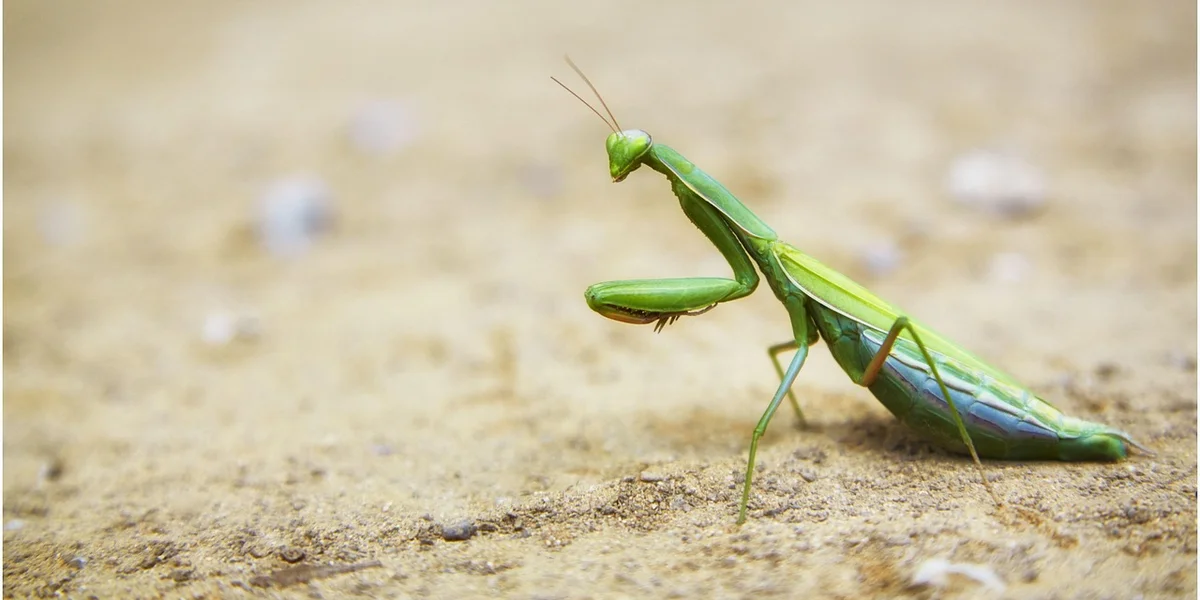
In our home setups, sexual cannibalism occurs less often than in the wild, but it still surprises many new keepers. With proper care and attention, you can significantly reduce the risks and enjoy a smoother breeding experience. We have seen cases where well-fed mantises in spacious enclosures rarely turn aggressive, while stressed pairs might act out. To set up a perfect breeding enclosure for mantises, start with a roomy, well-ventilated enclosure with plenty of hiding spots. A stable microclimate and ample space help reduce stress and support smooth pairings.
Species-Specific Tendencies You Should Know
Different mantis species show unique behaviors, and some are far more likely to engage in cannibalism than others. Knowing your mantis’s natural instincts helps you prepare and prevent unwanted incidents. For instance, my Ghost Mantis, Luna, moves slowly and rarely threatens mates, whereas Moss, the Giant Asian, can be more impulsive during encounters.
- Chinese Mantis: Often more aggressive; monitor closely during introductions.
- Orchid Mantis: Tends to be shy but may strike if hungry or startled.
- Ghost Mantis: Generally peaceful; ideal for beginners wary of cannibalism.
- Giant Asian Mantis: Energetic and curious; requires extra feeding before pairing.
We recommend researching your specific species to tailor your approach. Choosing a less aggressive type can make your first breeding attempts much calmer and more successful.
Seasonal and Environmental Influences
Seasonal changes and enclosure conditions play a big role in mantis behavior, much like how outdoor shifts affect wild insects. Warmer months with longer daylight can heighten activity and mating urges, sometimes leading to more confrontations. In our experience, a sudden drop in humidity or cramped space might trigger stress, increasing cannibalism risks.
- Temperature: Keep it stable; avoid spikes that raise aggression levels.
- Humidity: Maintain gentle misting routines to mimic natural, dewy mornings.
- Light cycles: Simulate natural seasons with consistent day-night patterns.
- Enclosure size: A roomy habitat reduces competition and tension between mates.
By adjusting these factors, you create a soothing environment that discourages violence. A well-balanced setup feels like a safe, leafy sanctuary where mantises focus on bonding rather than conflict.
Practical Steps to Minimize Cannibalism When Breeding
Breeding mantises can be rewarding if you follow a few careful steps to keep both insects safe. Planning ahead and staying observant lets you foster a peaceful mating process without drama. We have found that patience and preparation turn potential chaos into a calm, natural event. To help you breed mantis species successfully, here is a concise step-by-step guide. Following these steps will maximize safety for both insects and increase your success rate.
Feeding and Enclosure Setup Before Mating
Start by ensuring both the male and female are healthy and well-nourished in the days leading up to mating. A satiated female is less likely to view her mate as a meal, so offer plentiful, nutritious prey like fruit flies or small crickets. Set up the enclosure with plenty of vertical branches and foliage for hiding, mimicking a dense, green thicket where the male can approach cautiously.
- Feed the female heavily for at least three days before introduction to reduce hunger-driven attacks.
- Use a spacious tank or terrarium with multiple perches and escape routes to prevent trapping.
- Maintain optimal humidity and temperature to keep both mantises relaxed and comfortable.
- Observe their behavior separately first; only pair them when both seem calm and active.
This groundwork builds a foundation of safety. Think of it as setting the stage for a gentle dance rather than a predatory ambush.
During and After Mating Supervision
Stay nearby during the mating process, ready to step in if aggression arises, but avoid unnecessary disturbances. Keeping a watchful eye allows you to intervene gently, perhaps with a soft brush to redirect attention, if the female becomes too intense. After mating, separate the pair promptly to prevent post-copulatory incidents, as males can become vulnerable once their role is complete.
- Monitor from a distance using dim lighting to avoid startling the mantises during their encounter.
- Have a small container handy to safely remove the male immediately after mating concludes.
- Check the female for signs of stress or injury, and return her to her usual enclosure with extra food.
- Continue observing her for a day or two to ensure she settles back into her routine peacefully.
This attentive care makes all the difference. Your calm presence helps the mantises feel secure, turning a risky ritual into a managed, low-stress event.
Behavioral Ecology Insights for Pet Owners
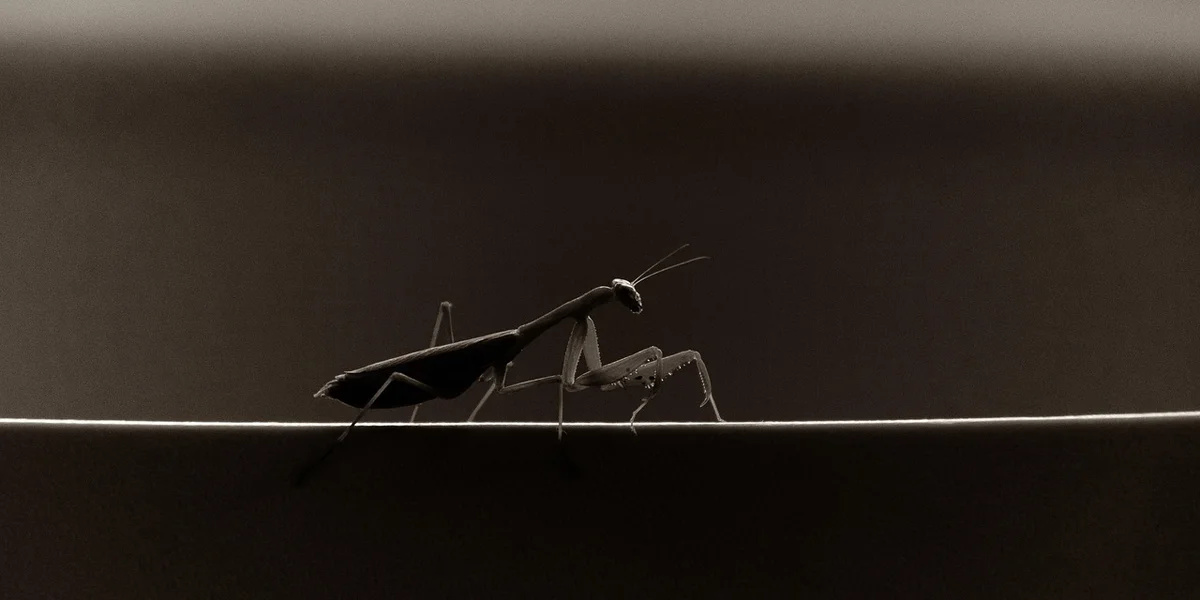
Energy Conservation and Survival Trade-Offs
Female mantises often consume their mates to stockpile energy for producing and laying eggs. This act isn’t random aggression but a calculated move to boost their reproductive success when food is scarce. In the wild, a well-fed female might lay more robust oothecae, giving her offspring a stronger start. We see this trade-off in our own terrariums-males like Moss, our Giant Asian Mantis, approach mating with a cautious dance, balancing the chance to pass on genes against the very real risk of becoming a meal.
Males may sacrifice themselves because, evolutionarily, a successful mating can outweigh the cost of death. For pet owners, recognising this helps us appreciate the delicate balance between survival and reproduction in these fascinating insects. It’s a reminder that every behaviour has roots in energy efficiency and environmental pressures, much like how we might save resources for a big project.
Observable Cues and Keeper Interventions
Watch for subtle signs that a female might turn cannibalistic during encounters. A hungry female often holds her body stiffly, with forelegs raised and antennae twitching aggressively, while a receptive one remains calm and allows the male to approach. From tending to Luna, our Ghost Mantis, we learned that a well-timed distraction can prevent mishaps-like offering a juicy cricket right before introductions.
If you spot tension, step in gently to separate them using a soft brush or by guiding the male to a safe perch. Intervening early not only saves your mantis but also lets you observe their natural behaviours without the heartache of loss. Handle your mantis gently and only when necessary. Move slowly and support its body to prevent injuries. Here’s a simple list of steps to follow:
- Feed the female heavily a day before mating to reduce her hunting drive.
- Supervise the pairing in a neutral, spacious enclosure to minimise territorial disputes.
- Keep a small container handy to isolate the male quickly if things turn risky.
These small actions make a big difference in fostering a safe environment for both mantises. We’ve found that a watchful eye and a full belly often lead to successful, peaceful matings in our care.
Addressing Common Questions and Concerns
Fitness Consequences for Your Mantis
When a female consumes her mate, she gains a nutrient-rich meal that can enhance her egg quality and quantity. This boost in fitness means her offspring may hatch healthier, with better chances of thriving in your care. For the male, while it ends his life, his genes live on through successful fertilization-a trade-off that’s shaped mantis evolution for millennia.
In captivity, though, we can influence these outcomes by managing their diet and environment. Preventing cannibalism might mean your female lays slightly fewer eggs, but it ensures both mantises remain part of your pet family longer. With Sprig, our Orchid Mantis, we opted to avoid risky pairings altogether, focusing instead on her overall well-being through balanced feeding and stress reduction.
Consider this simple comparison to guide your decisions:
- Allowing cannibalism: Potentially higher egg fitness, but loss of the male.
- Preventing it: Both mantises survive, with eggs still viable through proper nutrition.
Ultimately, your choice depends on your goals as a keeper-whether you prioritise breeding success or individual pet longevity. We lean towards gentle interventions that honour their instincts while keeping our mantises safe and sound.
FAQs on Mantis
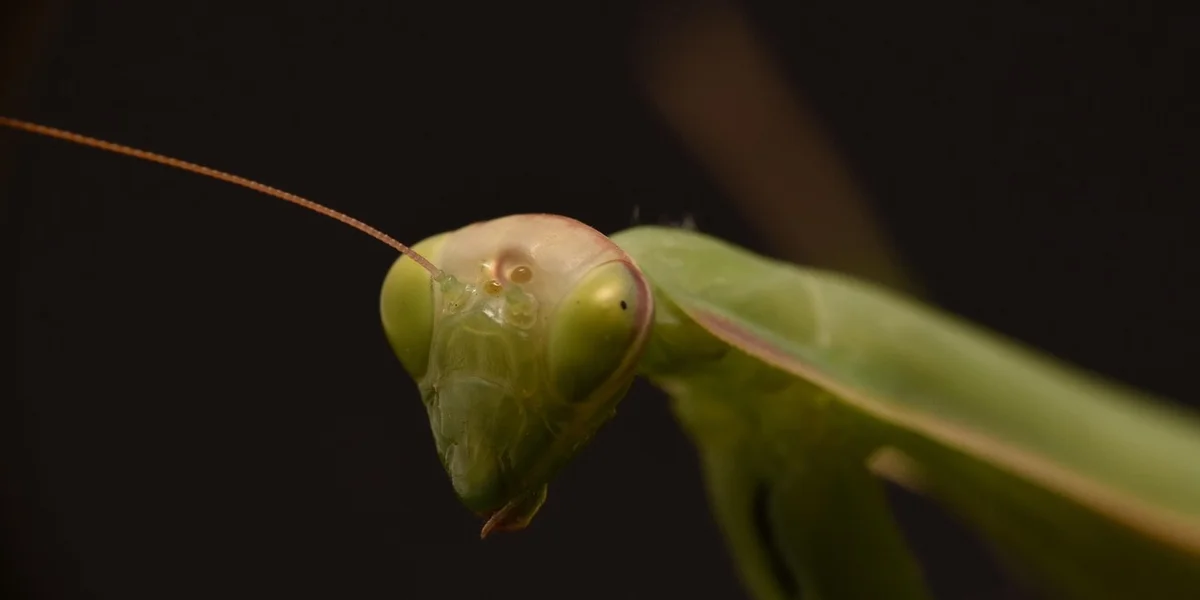
What is a praying mantis cannibalism video?
A praying mantis cannibalism video captures footage of a female consuming a male during or after mating, often shared online for educational or sensational purposes. These clips can spark curiosity but may not reflect how common this behavior is in home enclosures.
What is the praying mantis cannibalism myth on Reddit?
On Reddit, the praying mantis cannibalism myth often involves exaggerated stories of females always decapitating mates, leading to lively debates among pet keepers about its accuracy. Users frequently share advice to clarify that it’s not a guaranteed outcome and depends on factors like species and care. Praying mantises are carnivorous predators, so cannibalism is tied to their feeding biology rather than a universal rule. Understanding this carnivorous nature helps explain why it happens in some cases but not across all species or situations.
What is sexual cannibalism in praying mantis 2021?
In 2021, sexual cannibalism in praying mantises gained attention through studies and online discussions, focusing on its evolutionary benefits and how to manage it in captivity. Do male mantises manage to avoid being eaten by females? This year saw increased sharing of care tips to help owners minimize risks while breeding their pet mantises.
Your Mantis Care Journey Ahead
Sexual cannibalism in mantises is a natural behaviour shaped by evolution and hunger cues. By feeding your female mantis well before introductions and supervising pairs closely, you create a safer setting for both insects. Sometimes it happens because the female gains nutrients from the male, especially when food is scarce. Understanding these triggers helps explain why sexual cannibalism in mantises sometimes occurs during mating.
Embrace your role as a keeper by observing your mantis’s unique habits and adjusting care as needed. We encourage you to keep learning through trusted sources and fellow enthusiasts to nurture a happy, healthy pet mantis, such as our complete handling and behavior guide.
Further Reading & Sources
- Sexual cannibalism increases male material investment in offspring: quantifying terminal reproductive effort in a praying mantis | Proceedings of the Royal Society B: Biological Sciences
- Making a meal of it: Praying mantis cannibalism explained
- Courtship, mating behaviour and sexual cannibalism in the praying mantis, Sphodromantis lineola – ScienceDirect
- What to Know for Praying Mantis Mating Season | National Geographic
Rowan Hale is a lifelong insect enthusiast who fell in love with mantises for their calm presence, alien elegance, and surprising personalities. After years of keeping and raising a variety of species, Rowan shares practical tips, creative insights, and real-world experience to help others enjoy the quiet magic of mantis care. From setting up the perfect enclosure to understanding their subtle behaviors, Rowan invites readers into a gentle, curious world where every tiny movement feels like a discovery.
Breeding Practices