
How to Breed Mantis Species Successfully: A Step-by-Step Guide
Published on: December 5, 2025 | Last Updated: December 5, 2025
Written By: Rowan Hale
Hello, fellow mantis friend. Picture the soft rustle of wings in a warm, humid enclosure, the careful dance of a mantis pair, and the eventual hatching of dozens of tiny, new lives-breeding these fascinating insects is a quiet adventure right in your home.
Breeding mantis species successfully hinges on understanding their natural rhythms and providing a safe, controlled environment that mimics their wild habitats.
While the process involves careful steps and attentive timing, it is entirely achievable with the right guidance. We will walk you through each phase, from selecting your pair to raising the nymphs, with clear, practical advice.
Here are the key takeaways we will cover in detail:
- Choosing healthy, compatible adult mantises for breeding.
- Preparing the perfect enclosure with the right humidity, temperature, and space.
- Safely managing the mating process to reduce stress and risk.
- Caring for the ootheca (egg case) until the nymphs emerge.
- Raising the delicate nymphs with proper food and housing.
Caring for the Ootheca: The Quiet Nursery
Once mating is complete, your focus shifts to the expectant female and the egg case she will produce. This period is one of quiet anticipation. The female will need extra nutrition and a perfect spot to lay her ootheca, a process that is fascinating to witness but requires a hands-off approach from you. Provide a steady supply of food and ensure her enclosure has suitable anchor points, like twigs or the mesh ceiling. In a dedicated ootheca care guide, you’ll find tips on placement, humidity, and mold prevention for the egg case. Following those guidelines helps ensure healthy hatchlings.
- Post-mating feeding: Offer the female plentiful, gut-loaded insects like flies or small roaches to support egg development.
- Laying site: She will seek a firm, elevated surface. A horizontal twig or the enclosure frame itself is often chosen.
- Do not disturb: Once she begins laying the foamy mass, avoid any vibrations or movement nearby. The process can take several hours.
Ootheca Incubation: Patience is Key
After the ootheca hardens into its protective, papery shell, you must decide whether to leave it in place or gently remove it for incubation. Mimicking the natural seasonal shifts in temperature and humidity is what triggers the nymphs inside to develop and eventually hatch. Think of it as setting a very slow, natural clock. Be mindful that improper care—such as mistimed removal, wrong humidity, or temperature fluctuations—can prevent successful hatching. These issues are summarized in the guide 9 ootheca care mistakes that prevent successful hatching.
- Positioning: If removed, secure the ootheca to a stick or mesh in a small, ventilated container. Keep it upright, as it was laid.
- Temperature: Maintain a stable, species-appropriate warmth. For most common species, room temperature (20-24°C) is sufficient.
- Humidity: Light, occasional misting around (not directly on) the ootheca prevents it from desiccating. A drop in humidity can sometimes simulate a dry season, followed by a rise to mimic rains and encourage hatching.
- The Wait: Incubation can last from 3 to 10 weeks. Patience is your greatest tool here.
The Hatching Event: Welcoming Nymphs
The hatch day is a moment of pure wonder, as dozens of tiny, thread-like nymphs emerge. Preparation before this day is critical to ensure the survival of the delicate hatchlings, who are incredibly vulnerable from the moment they arrive. Have their first home ready well in advance. In an ootheca watch 6-week countdown, hatching day is the culmination. Keep a hatching day checklist handy to ensure you have everything ready.
- Hatching container: Use a large, well-ventilated jar or faunarium lined with paper towel and stuffed with fine mesh or twigs for them to climb onto immediately.
- Immediate separation: Mantis nymphs are cannibalistic from birth. You must separate them within a day or two of hatching to prevent losses. Small deli cups or individual vials work perfectly.
- First meal: Offer food 24-48 hours after their first molt, which usually happens within a day of hatching. They will not eat before this.
Feeding and Caring for First Instar Nymphs
These first-stage babies, called L1 nymphs, need the smallest prey and meticulous attention. Their survival hinges on appropriate food size and maintaining gentle humidity for successful molting. A fruit fly culture is an essential investment for any mantis breeder at this stage.
| Aspect of Care | Recommendation | Reason |
|---|---|---|
| Prey Type | Melanogaster or Hydei fruit flies | Perfectly sized for tiny mouthparts and slow movement. |
| Feeding Schedule | Offer 2-3 flies every 2-3 days | Prevents overcrowding and ensures each nymph eats. |
| Hydration | Fine mist on the enclosure walls daily | Nymphs drink droplets; direct spray can drown them. |
| Enclosure | Individual containers with mesh or cloth for climbing | Provides secure footing for the all-important first molts. |
Raising Nymphs to Adulthood: The Journey Through Instars
Watching your mantises grow through each successive molt is the true reward of breeding. Each instar is a milestone, revealing more color, size, and personality, like my Sprig whose pink hues deepened with every shed. Consistent care through these stages builds strong, healthy adults.
- Monitor Molting: Before a molt, they will stop eating and hang upside down. Do not disturb them during this 1-2 day period.
- Increase Prey Size: As they grow, graduate food from fruit flies to small crickets, then to larger flies and roaches. The prey should never be larger than the mantis’s head.
- Provide Space: Upgrade their individual enclosures as they grow to give ample room for molting and hunting.
- Record Keeping: Note molting dates. This helps you track their growth rate and predict when they will reach maturity for future breeding projects.
The path from a delicate ootheca to a confident adult mantis is filled with small, daily observations. Your calm and consistent care provides the stability these fascinating creatures need to complete their beautiful, silent transformation. It is a practice in patience that yields incredible connection to the small wonders of the natural world.
After Mating: Ootheca Care and Incubation
Once mating is complete, the female’s work begins, and yours shifts to patient stewardship of the next generation. The ootheca is a marvel of nature, a frothy protective case that hardens into a safe nursery for dozens of eggs. Your job is to provide the right environment for it to develop.
What is an Ootheca? The Mantis Egg Case Explained
The ootheca is not just an egg. It is a complex structure. We often watch in awe as the female produces a frothy liquid from her abdomen. This liquid hardens in contact with air. Inside this foam, she lays her eggs in precise layers, creating an insulated, camouflaged home that protects against predators and drying out. She may produce several oothecae from one mating, a clever bit of natural planning.
How to Care for Mantis Eggs: Humidity and Temperature Control
After the ootheca is laid, usually on a twig or the enclosure ceiling, minimal disturbance is best. Ideal incubation involves stable, gentle warmth and consistent, light humidity, like a warm, misty spring morning. Do not spray the ootheca directly. Mist the air around it to avoid damaging the delicate case.
- Temperature for mantis eggs: Keep between 72°F and 82°F (22°C to 28°C). A simple heat mat on one side of the enclosure works well, providing a gentle gradient.
- Humidity control: Maintain 50-60% humidity. Lightly mist the enclosure every other day, avoiding pooling water that could lead to mould.
- Keep the ootheca in the female’s enclosure or carefully move it to a separate, small incubation container. We use a clean jam jar with ventilation holes for this purpose, a simple household solution.
Incubation Period: What to Expect and When to Act
Patience is your greatest tool here. The incubation period varies by species but generally spans several weeks. Most common pet mantis oothecae will hatch in 4 to 8 weeks, with tiny nymphs emerging almost in unison. You will see little black dots, their eyes, through the foam as hatching nears. It is a thrilling moment for any keeper.
- Ghost Mantis: 3-5 weeks. Our Luna’s ootheca hatched in just under four weeks, with a cloud of delicate nymphs.
- Giant Asian Mantis: 4-6 weeks. Moss, our male, came from a case that took five weeks to hatch.
- Orchid Mantis: 5-8 weeks. Sprig’s siblings emerged after six weeks, each one a tiny pink blossom.
- Once eyes are visible, increase misting slightly to help soften the case for hatching. A gentle boost in humidity can ease their exit.
Welcoming the Next Generation: Nymph Care
The day your ootheca hatches feels like witnessing a quiet miracle. Dozens of tiny, thread-like nymphs spill out, each moving with hesitant, jerky steps. We recall the hatching of Luna’s clutch—a misty brown cloud of life that instantly demanded our full attention. Your care now becomes a delicate ballet of providing immediate safety and nourishment, as these fragile newcomers are entirely reliant on your prepared environment. Have their nursery set up well in advance, turning anticipation into calm readiness. If you’re following the L1 Nymph Diaries, this marks the first entry in a day-by-day guide to raising hatchlings. Use it to log feedings, molts, and milestones as these tiny nymphs begin their journey.
Hatching Day: Caring for Mantis Nymphs After Emergence
After hatching, nymphs often cluster near the empty egg case for warmth and security. Gently transfer them using a soft artist’s brush or a clean feather, guiding them into a nursery enclosure that feels like a secure first home. A large, ventilated jar or a small faunarium with fine mesh sides works perfectly, mimicking the airy spaces they crave. We used a repurposed gallon glass jar for Moss’s siblings, and it let us watch their progress without disturbance.
- Step 1: Prepare the nursery with plenty of fine twigs, mesh, or cheesecloth lining the sides. This gives them secure footing and prevents fatal falls.
- Step 2: Move nymphs in small groups of five or ten. Work slowly under gentle light to avoid squashing any with sudden motions.
- Step 3: Offer food within the first 24 hours. They may not eat immediately, but having prey present reduces stress and fuels their first exploratory movements.
Feeding Tiny Nymphs: Live Prey and Alternatives
First instar nymphs have mouths and eyes tuned for the tiniest of movements. Flightless fruit flies (Drosophila melanogaster) are the cornerstone of early nymph care, their constant, slow crawl an irresistible trigger for a mantis’s first hunt. You can culture these at home in a simple container with banana medium or buy ready vials from specialist shops. For Sprig’s orchid mantis brood, we found a light dusting of calcium powder on the flies every third feeding supported strong, flexible limb development. It’s important to know what baby mantises eat before caring for them.
- Dust fruit flies with a pinch of calcium or vitamin powder twice a week. This fortifies their exoskeletons for upcoming molts.
- Offer a small sprinkle of flies every two to three days. Too many can overwhelm the nymphs or soil the enclosure.
- If fruit flies are scarce, very small springtails or aphids from unsprayed plants can work in a pinch. Always ensure prey is smaller than the nymph’s head.
- As they reach their second or third instar, introduce pinhead crickets or small cockroach nymphs. Watch for enthusiastic strikes!
Molting and Growth: Transitioning Nymphs to Adults
Each molt is a vulnerable, breathtaking process where the nymph hangs upside down and slowly slips from its old skin. Ensure your nursery has perfect humidity from a light, ambient mist and ample vertical space for a clear hang; any interruption during this delicate hours-long dance can lead to deformities or death. After molting, their new exoskeleton is soft and pale, leaving them hiding quietly for a day. We keep the room extra quiet during these times, much like we would for a sleeping pet.
- Keep the enclosure clean by removing old prey and wiping condensation. Good ventilation prevents mold, which thrives in the humid conditions molting requires.
- Separate nymphs into smaller groups after the third instar. Crowding increases cannibalism, especially as their appetites grow.
- By the 5th or 6th instar, most species are ready for individual housing. Use small deli cups or terrariums with climbing décor, just like adult setups.
- Observe their colors and behaviors. You might notice your Ghost Mantis nymphs developing leafy frills or your Giants gaining vibrant green bands-a silent promise of the adults they will become.
Troubleshooting Common Breeding Challenges
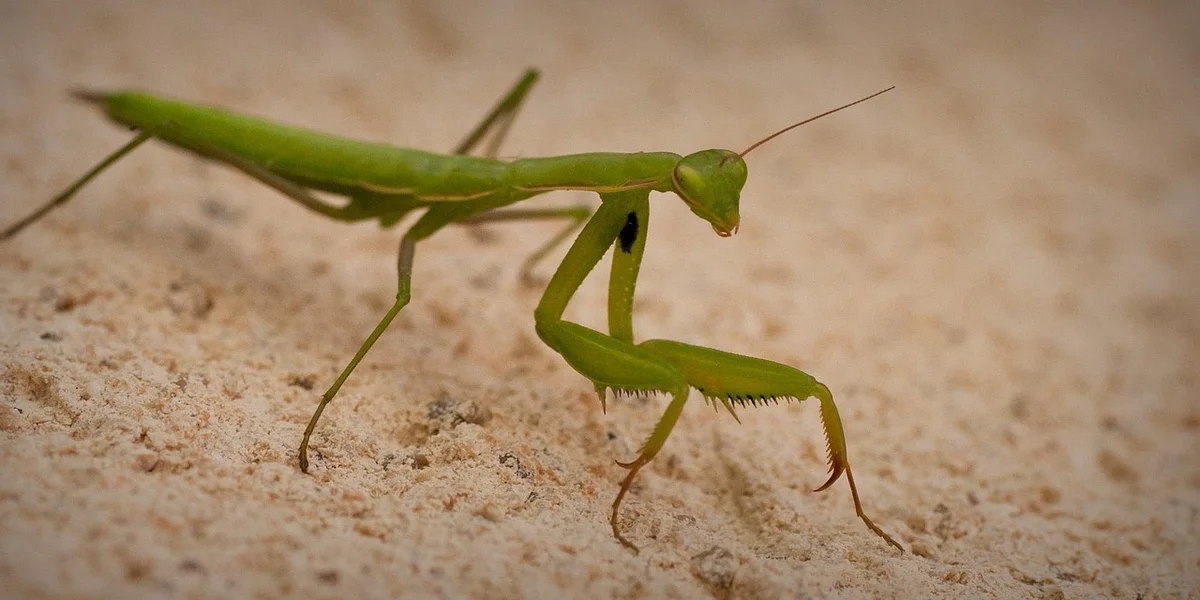
Even with our most attentive care, breeding mantises can have its shaky moments. Stay gentle and observe. Many breeding hiccups trace back to environmental stress-a sneaky draft, an overnight chill, or simply too many curious checks from us. We can usually set things right with quiet, thoughtful tweaks to their world.
Preventing Cannibalism and Stress in Breeding Mantises
Cannibalism isn’t just a mating risk; hungry nymphs in tight quarters will see siblings as food. Keep nymph groups small, no more than five, in a generously sized habitat with constant food access to curb those instincts. For adults, choose a large, open space for introductions, free of clutter where they might feel cornered. My Moss, an energetic Giant Asian male, always appreciated a clear flight path when meeting a potential mate.
Health Issues in Breeding: Spotting and Solving Problems
Watch for subtle clues: a mantis perched too still, refusing feeders, or sporting awkward limbs after a shed. Most breeding health woes link directly to off-kilter humidity or a menu missing key vitamins and minerals. Rotate their feeder insects and dust with supplements thoughtfully. A varied diet builds resilience from the inside out. If you notice stress signs, consider whether the habitat could be the culprit. In many cases, fixing humidity, temperature, and enclosure layout can relieve stress and support recovery.
- Dehydration: A shrunken, wrinkled abdomen and slow, heavy movements signal thirst. Increase gentle misting sessions with room-temperature water, letting droplets bead on the leaves.
- Molting issues: If your mantis struggles in its old skin, gently raise the enclosure’s humidity. Resist the urge to help peel it away; interference often causes more harm.
- Fungal infection: Look for a soft, white fuzz on an ootheca or your mantis’s body. Improve ventilation straight away and scale back on moisture to let the area dry.
Record Keeping: Documenting Your Breeding Journey
A plain notebook is a keeper’s best friend. Maintaining clear records lets you follow timelines, identify your most compatible pairs, and catch subtle shifts in health or behavior across nymph generations. Note the key dates: when they mate, when oothecae appear, and when tiny nymphs first emerge. It turns experience into reliable knowledge.
- Begin by writing down the species, sex, and estimated age of your breeding pair.
- Log the precise mating date and tally each ootheca the female lays afterwards.
- Document incubation conditions-temperature and humidity-plus the hatch date and how many nymphs you count.
Ethical Considerations and Final Tips
Breeding mantises is a quiet responsibility we hold towards both the insects and our wider community. We aim to do no harm and nurture healthy, thriving populations. Ethical insect husbandry means breeding only the number you can care for deeply, with a solid plan for every nymph that emerges. Within our ethical guide, we distinguish line breeding and selective breeding to maintain genetic health. This careful approach informs how we manage lineages and ensure robust offspring. It transforms a hobby into a thoughtful, gentle practice of stewardship.
The Ethics of Mantis Breeding: Responsible Insect Husbandry
Before you begin, pause and picture dozens of nymphs—each delicate as a whispered secret. What will you do with 50 or 100 of them? Always have a rehoming plan ready, whether through fellow enthusiasts, local schools for educational projects, or trusted pet shops, to prevent overpopulation and ensure every mantis has a home. Should you end up with unwanted nymphs, rehome them through fellow enthusiasts, local schools, or trusted pet shops rather than releasing them. Handling these situations responsibly protects both the mantises and the ecosystems they inhabit. Remember, releasing non-native species into the wild is never an option; it can quietly disrupt local ecosystems.
Common Mistakes Beginners Make and How to Avoid Them
We all learn through experience, but some stumbles are easily avoided with a bit of forethought. Rushing the process-pairing mantises before they’re ready, disturbing a delicate ootheca, or overhandling fragile nymphs-is the most common error we see. Trust the natural rhythm and your prepared setup. My mantis Moss taught me patience pays off in calm, successful breeding.
- Never breed mantises from the same ootheca. Inbreeding can lead to genetic weakness and health issues in the next generation.
- Avoid feeding wild-caught insects without quarantining them first. They may carry parasites that could harm your mantises.
- Do not incubate oothecae in sealed containers. They need gentle, fresh airflow to prevent mold in the humid environment.
Lifespan and Long-Term Care for Your Mantises
Cherish the full cycle. After breeding, an adult mantis’s lifespan often shortens, especially for females. With my Ghost Mantis Luna, I saw how calm, consistent care extended her peaceful days. From hatching, males typically live 6 to 12 months, while some females, with attentive care, can reach up to 18 months. Provide them with regular misting, a quiet space, and gentle observation until their natural end.
Breeding mantises connects us to a silent, captivating world. With these steps, you’re not just following a guide; you’re becoming a caretaker of a tiny, wondrous life cycle. To set the stage, consider a perfect breeding enclosure for mantises—adequate space, safe access, and stable conditions. A well-prepared habitat helps ensure smooth pairing and healthy offspring. Move slowly, watch closely, and savour every hushed moment of this rewarding journey.
Common Mantis Queries
What species of mantis are best for beginners?
Ghost Mantises and Giant Asian Mantises are excellent choices for newcomers due to their resilient nature and straightforward care. Their manageable size and generally docile behavior make them ideal for learning mantis husbandry basics.
How to identify male and female mantis?
Males typically have longer antennae, slimmer abdomens, and more visible abdominal segments compared to females. Females are often larger with broader abdomens, which become especially pronounced when they are gravid and ready to lay eggs.
How long after mating will eggs be laid?
After a successful mating, a female mantis usually lays her first ootheca within one to two weeks. The exact timing can vary with species and temperature, but the 1–2 week window is a good starting point for when eggs are likely to appear after mating. Providing ample food and a stress-free environment during this interval encourages timely and healthy egg production.
Your Mantis Breeding Journey: A Gentle Close
Successful breeding flows from a calm, well-prepared habitat and a keen eye for your mantis pair’s unique behaviors, from their first introduction to the careful placement of the ootheca. Trust in slow, observant care-providing warmth, humidity, and quiet-to support nature’s delicate process from start to finish.
We encourage every keeper to plan for the hatchlings’ futures, ensuring you can offer them or find them proper homes with the same attentive stewardship. Mantis care is a path of constant learning; nurture your curiosity, connect with fellow enthusiasts, and let each generation deepen your connection to these quiet wonders.
Further Reading & Sources
- Breeding mantids | Jenny Read
- Breeding praying mantises | Keeping Insects
- How to Breed Praying Mantis – Time to Breed
- r/mantids on Reddit: Breeding praying mantis tips.
Rowan Hale is a lifelong insect enthusiast who fell in love with mantises for their calm presence, alien elegance, and surprising personalities. After years of keeping and raising a variety of species, Rowan shares practical tips, creative insights, and real-world experience to help others enjoy the quiet magic of mantis care. From setting up the perfect enclosure to understanding their subtle behaviors, Rowan invites readers into a gentle, curious world where every tiny movement feels like a discovery.
Breeding Practices