
What Is the Natural Habitat and Distribution of Praying Mantises?
Published on: September 12, 2026 | Last Updated: September 12, 2026
Written By: Rowan Hale
Hello there, mantis friend. Have you ever watched one of these fascinating predators, motionless on a leaf, and wondered where in the world they truly belong?
Praying mantises are found on every continent except Antarctica, thriving in warm, vegetated environments from tropical rainforests to your own sun-drenched garden.
While that fact seems simple, their global story is wonderfully complex. These insects are masters of adaptation, carving out niches in an astonishing variety of landscapes. Let’s explore the key elements that make up their world.
- Their incredible global range and how they got there.
- The specific habitats, from grasslands to forests, they call home.
- How their camouflage and hunting style are perfectly suited to their environment.
Exploring the Diverse Natural Habitats of Praying Mantises
Praying mantises thrive in environments that offer ample camouflage and hunting opportunities. Their survival depends on blending seamlessly into their surroundings, whether that’s the swaying stem of a meadow grass or the textured bark of an oak tree. Praying mantis color plays a crucial role in ensuring effective camouflage. Each species evolves specific coloration and body shapes to match its preferred home.
Woodlands and Forest Edges
Many mantis species, like the European Mantis, favor the dappled light and structural complexity of wooded areas. You’ll often find them patiently waiting on low-hanging branches, their green or brown bodies nearly invisible against the foliage. They use the vertical space, climbing from shrub layer to canopy in search of prey.
Grasslands and Meadows
Open fields provide perfect hunting grounds for species adapted to life among grasses and wildflowers. The rhythmic sway of stems helps conceal their movement as they track flying insects like bees and butterflies. My Ghost Mantis, Luna, demonstrates this perfectly with her leaflike extensions that mimic dried vegetation.
Tropical Rainforests
These biodiversity hotspots host the most spectacular mantis varieties, including the breathtaking Orchid Mantis. High humidity, dense vegetation, and constant insect activity create an ideal environment for these masters of disguise. They often perch on flowers, their petal-like legs helping them ambush pollinators.
Desert and Arid Regions
Even harsh environments host specialized mantis species adapted to survive with minimal moisture. They’ve evolved lighter coloration to reflect heat and behaviors that conserve water, like reduced activity during peak daylight hours. Their exoskeletons help prevent dehydration in dry climates.
Urban and Suburban Gardens
Many mantises have successfully adapted to human-modified landscapes. Your backyard likely provides everything a wandering mantis needs: tall plants for perching, abundant insect prey, and sheltered spots for egg-laying. They’re nature’s pest control, quietly patrolling rose bushes and vegetable patches. Are praying mantises beneficial garden pest control? They can help reduce many pests, but they are generalist predators and may also eat beneficial insects, so their impact can vary.
Global Distribution of Mantodea Across Continents
With over 2,400 documented species, mantises have established populations on every continent except Antarctica. Their distribution reflects millions of years of evolution and adaptation to local conditions. Temperature, humidity levels, and available prey largely determine which species thrive where. Where do different mantis species live? They occupy a wide range of habitats—from tropical forests and grasslands to temperate woodlands and deserts—where prey and microclimates support them.
North America
- Native species include the Carolina Mantis
- Introduced European and Chinese mantises now widespread
- Found from southern Canada through Mexico
Europe
- Mediterranean regions host the greatest diversity
- Several species range as far north as the United Kingdom
- Most active during warm summer months
Asia
- Extremely high species diversity in tropical Southeast Asia
- Home to the famous Giant Asian Mantis
- Many species remain undocumented by science
Africa
- Rich variety of desert-adapted species
- Large predatory mantises common in savanna regions
- Some species display remarkable drought tolerance
Australia and South America
- Unique endemic species found nowhere else
- Rainforest species particularly colorful and specialized
- Distribution patterns still being mapped by researchers
Are Praying Mantises Native to Your Area?
Determining whether mantises are native to your region requires checking local wildlife records. Many areas now host both native and introduced species, sometimes competing for the same resources. Your local extension service or nature conservation group can provide specific information. This often leads to the question of whether non-native praying mantis species are harmful to local ecosystems. In some regions introduced mantises can outcompete native insects for prey and disrupt local predator-prey dynamics, though effects vary by habitat and species.
Look for these signs of local mantis populations:
- Examine garden plants for distinctive egg cases (oothecae)
- Watch for mantises hunting in vegetation during warm months
- Check underneath loose bark on trees
- Inspect tall grasses and flowering plants
Even if mantises aren’t native to your region, you might still encounter established populations that arrived through plant trade or accidental introduction. My first mantis, Moss, likely descended from such a population – his vibrant green coloration perfectly matched the local foliage despite his ancestors originating overseas.
Remember that distribution patterns change over time as climates shift and human activity creates new corridors for dispersal. What seems like a new visitor today might become a established resident within just a few generations. Keeping notes of your observations contributes valuable data to understanding these fascinating insects’ spread.
Essential Habitat Elements for Mantis Health and Behavior
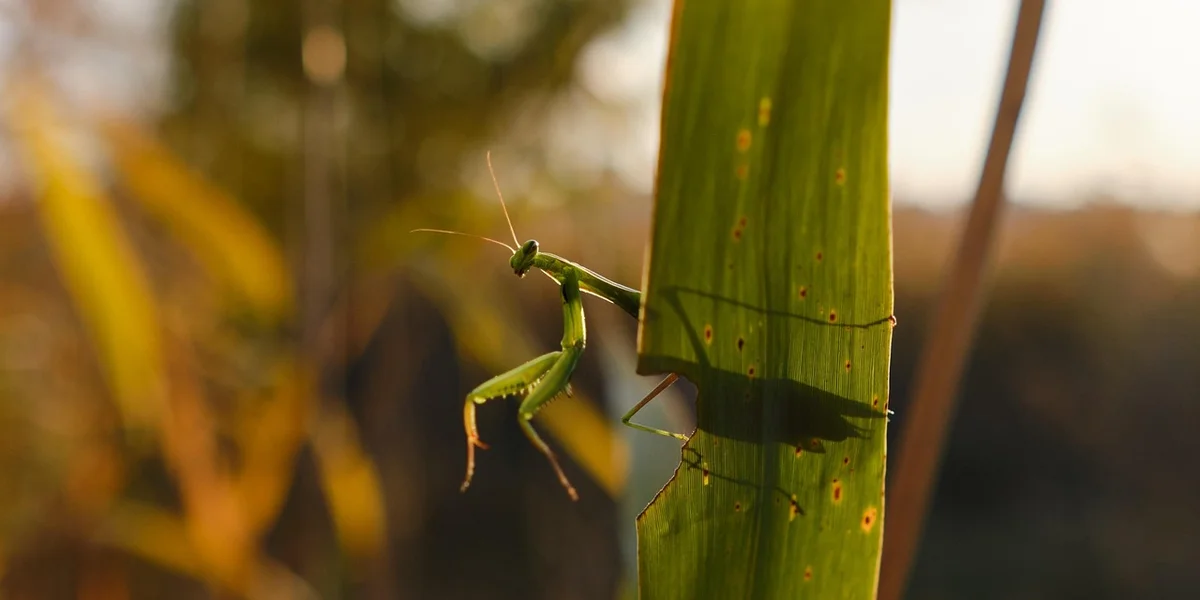
Recreating the right environmental conditions is the single most important gift you can give your mantis. Their entire world exists within the few inches of their enclosure, so getting the temperature and humidity right supports everything from successful molts to their natural hunting behaviors. If you’re heading out on vacation, prepare their habitat in advance. Set up a stable temperature and a simple feeding schedule so they stay healthy while you’re away.
Temperature Ranges for Different Mantis Species
Think of temperature as the engine of your mantis’s activity level. A mantis that is too cold becomes sluggish and may refuse food, while one that is too hot can become stressed and dehydrated. So what happens if it crosses these extremes? Mantis temperature extremes can lead to extreme cold slowing metabolism and stopping feeding, while extreme heat causes overheating.
- Tropical Species (e.g., Orchid Mantis, Giant Shield Mantis): These beauties thrive in steady warmth. Aim for a range of 75-85°F (24-29°C). A small, low-wattage heat mat on one side of the enclosure works perfectly.
- Temperate Species (e.g., European Mantis, Carolina Mantis): These hardy types are more forgiving. They do well at room temperature, around 70-80°F (21-27°C). They rarely need extra heating unless your home is particularly cool.
- Desert Species (e.g., Devil’s Flower Mantis): They prefer it hot and dry, with a basking spot that can reach 90°F (32°C) and a cooler area around 75°F (24°C). Good ventilation is non-negotiable for them.
My male Giant Asian, Moss, always perches right under the gentle warmth of his heat lamp, his emerald body angled to soak up every bit of it. Providing a temperature gradient like this allows your mantis to self-regulate, moving to the spot that feels most comfortable.
Humidity Levels and Their Role in Mantis Care
Humidity is the silent partner to temperature, and its main job is to ensure successful molting. When a mantis sheds its old exoskeleton, it needs a slightly humid environment for the new skin underneath to expand and harden properly.
- Low Humidity (30-50%): Ideal for desert species. Achieve this with a well-ventilated enclosure and a light misting only once or twice a week.
- Moderate Humidity (50-60%): Perfect for many common temperate species. A light daily misting usually maintains this level.
- High Humidity (60-80%): Essential for tropical and rainforest species like the Orchid Mantis. This often requires misting twice daily and using a moisture-retaining substrate.
My Ghost Mantis, Luna, begins to slow down and becomes almost statue-like a day before she molts. We always increase her misting frequency during this time, creating that vital humid microclimate that helps her slip out of her old skin like a perfect, misty ghost. A simple digital hygrometer takes the guesswork out of maintaining these levels.
Creating a Pet Mantis Habitat That Mimics the Wild
Your goal is not to build a cage, but to craft a miniature landscape. A well-designed habitat reduces stress, encourages natural behaviors like climbing and hunting, and becomes a living piece of art in your home.
Enclosure Setup and Sizing Tips
The cardinal rule for an enclosure is that it must be at least three times the mantis’s length in height and twice its length in width. This vertical space is critical for molting.
- Mesh or Screen Cages: Excellent for most species due to superior ventilation and plenty of grip points for climbing and hanging upside-down to molt.
- Glass Terrariums: Best for high-humidity species, but you must ensure cross-ventilation with a mesh top or side panels to prevent stagnant air.
- Plastic Faunariums: A budget-friendly and lightweight option, ideal for nymphs and smaller species. Just drill small holes for airflow.
A cluttered enclosure is a happy enclosure-fill that vertical space with twigs, vines, and mesh sides to give your mantis a rich, three-dimensional world to explore.
Natural Decor and Substrate Choices
Choose decorations that are functional first and beautiful second. Everything you place inside should offer a secure perch, a hiding spot, or aid in humidity control.
- Substrate:<!–
- Coconut Fiber (Coir): Our top choice. It’s natural, holds moisture well to boost humidity, and is safe if ingested accidentally.
- Organic Potting Soil: Another great option, but ensure it has no added fertilizers or pesticides.
- Sphagnum Moss: Perfect for topping a substrate in tropical setups. It holds a tremendous amount of water and releases humidity slowly.
When we set up a new home for our juvenile Orchid Mantis, Sprig, we weave thin twigs through the leaves of a small live plant. She immediately blends into the pink-tinged petals, her shy nature comforted by having so many perfect places to hide and feel secure.
Selecting a Mantis Species Based on Native Habitat
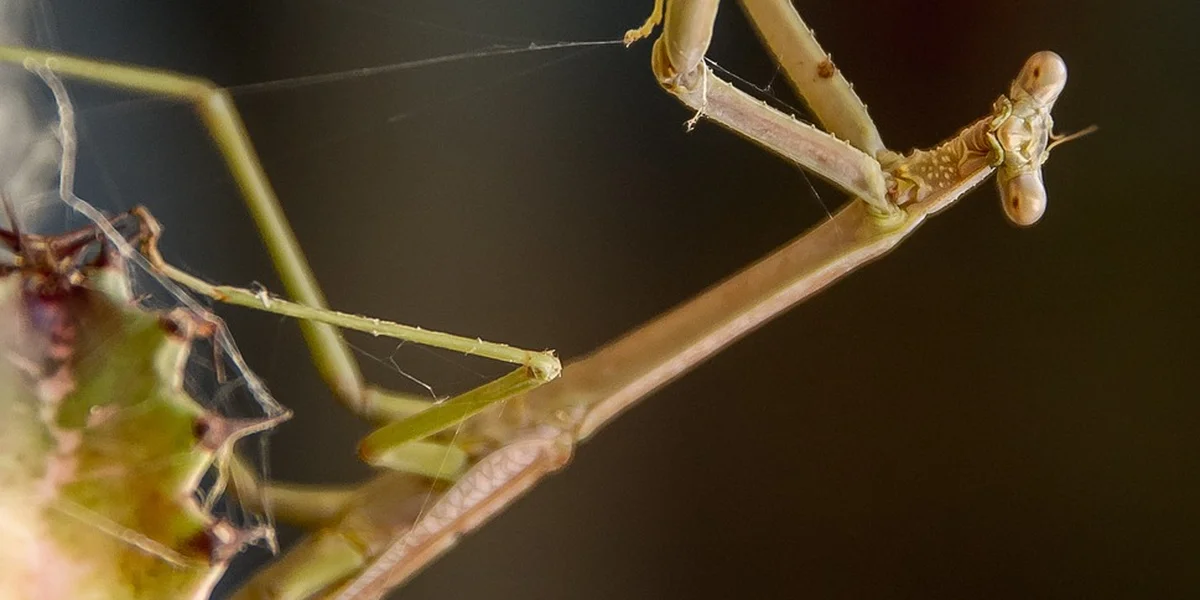
When you choose a mantis for your home, thinking about where it comes from in the wild helps you recreate a comfortable space. Matching their native environment reduces stress and supports their natural behaviors, making pet care smoother and more rewarding. For instance, tropical species like the Ghost Mantis need steady warmth and moisture, while those from temperate zones handle cooler, drier conditions better.
We often start by considering a mantis’s origin before bringing one home. Researching their habitat clues you into the humidity, temperature, and enclosure setup they’ll thrive in, much like preparing a cosy nook that feels like home. Luna, our Ghost Mantis, hails from warm, humid forests, so we keep her terrarium misted and filled with live plants to mimic the soft, damp air she’s used to.
Here’s a simple way to pick a species based on common habitat types:
- Tropical mantises, such as Orchid or Ghost Mantises, prefer high humidity and stable warmth; they’re ideal if you can provide daily misting and a heated setup.
- Temperate species, like the European Mantis, adapt to room temperature and moderate moisture, making them great for beginners with simpler enclosures.
- Arid-region mantises, including some from dry grasslands, need less humidity and more ventilation to prevent mould, suited for keepers in drier homes.
Observing how a mantis behaves can guide your choice too. Sprig, our juvenile Orchid Mantis, shows her tropical roots by perching delicately on flowers, reminding us to include blooming plants for her to blend into. By selecting a species that fits your ability to mimic its natural home, you create a happier, healthier pet.
Adapting Pet Care to Seasonal Natural Cycles
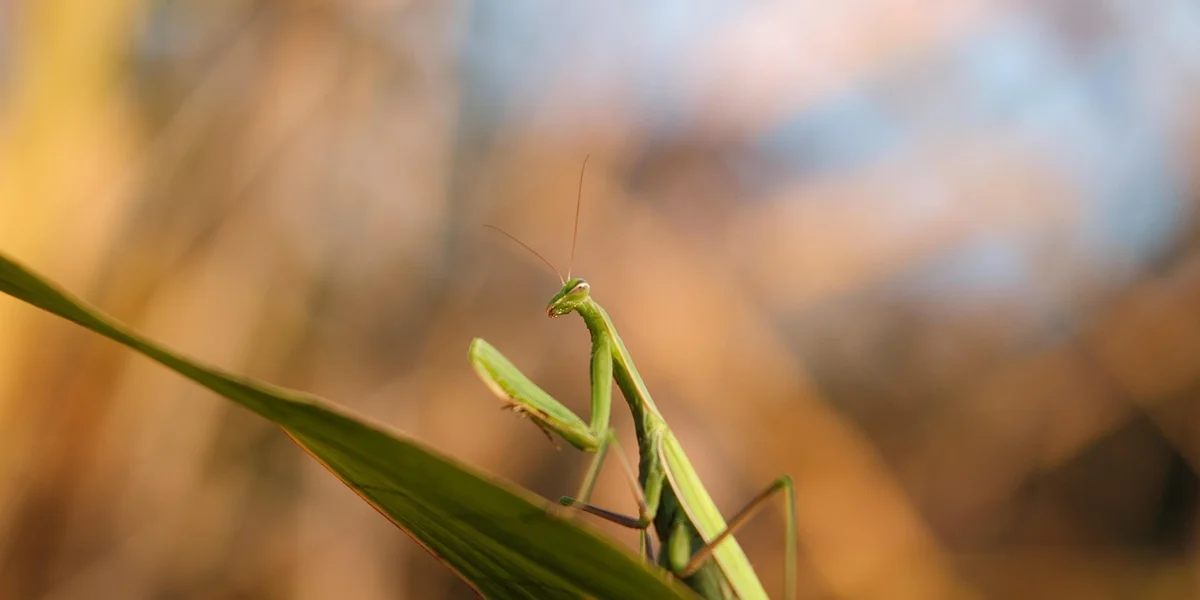
Mantises follow nature’s rhythms, and tuning into these cycles helps them feel secure in captivity. Adjusting care with the seasons mirrors their wild life, promoting natural growth and reducing health issues. As days shorten or temperatures drop, you might notice changes in appetite or activity, signaling it’s time to adapt their environment.
We gently shift routines based on the time of year, like increasing misting in summer for humidity or providing extra warmth in winter. This thoughtful approach keeps your mantis in sync with its instincts, much like how Moss, our Giant Asian Mantis, becomes more active in warmer months, eagerly exploring new branches. Paying attention to light and temperature cues makes pet care feel like a shared dance with nature.
Recognizing and Managing Diapause in Captivity
Diapause is a rest period some mantises enter, often triggered by cooler weather or less light, and spotting it early prevents worry. Look for signs like reduced movement, refusal to eat, or longer periods of stillness, as these indicate your mantis is settling into a natural pause. It’s not illness but a built-in survival tactic, similar to how animals hibernate.
When we first noticed Luna slowing down and ignoring food, we knew she was in diapause. Managing it involves creating a calm, cool space with minimal disturbance, allowing your mantis to rest without stress. Here are steps to handle diapause safely:
- Gradually lower the enclosure temperature by a few degrees over a week, using a thermostat to avoid sudden changes.
- Reduce feeding frequency; offer prey less often, as a fasting mantis is normal during this time.
- Maintain light levels on a natural cycle, mimicking shorter days if it’s autumn or winter in your area.
- Check on them gently every few days, but avoid handling or loud noises to keep their environment peaceful.
After diapause, slowly return to regular care as your mantis becomes active again. This gentle transition supports their health, much like waking from a deep sleep, and strengthens their resilience for the seasons ahead. With patience, you’ll see your mantis re-emerge vibrant and ready for daily life.
Ethical and Legal Considerations for Mantis Keepers
Before welcoming a mantis into your home, it’s vital to consider the ethical and legal framework surrounding their keeping. Caring for a captive mantis means accepting full responsibility for an animal that would otherwise live a completely independent life in the wild.
Responsible Sourcing and Captive Breeding
The origin of your mantis is the first major ethical checkpoint. We strongly advocate for sourcing from reputable captive breeders. Purchasing a captive-bred mantis helps protect wild populations and ensures your new pet is already adapted to life in an enclosure. Wild-caught individuals often carry hidden parasites and experience immense stress during the transition to captivity.
- Choose breeders with transparent practices and positive reviews from the mantis community.
- Ask about the mantis’s lineage and current instar stage.
- Avoid sellers who cannot confirm their stock is captive-bred.
Understanding Local and International Laws
Mantis keeping is not a universally permitted hobby. Regulations vary dramatically by country, state, and even city. Always verify your local wildlife laws before acquiring any mantis species, as keeping a prohibited insect can lead to significant fines and the confiscation of your pet. Some places ban non-native species entirely to protect local ecosystems.
- Check with your national and regional departments of agriculture or wildlife.
- Research CITES (Convention on International Trade in Endangered Species) listings, as some exotic mantises are protected.
- Be extra cautious when ordering mantises from international online sellers.
The Commitment to Humane Care
Ethical keeping extends beyond acquisition to daily husbandry. Your mantis relies entirely on you for an environment that closely mimics its natural needs for space, humidity, temperature, and appropriate food. A small, barren container is a prison; a well-planned habitat is a home.
My own Ghost Mantis, Luna, thrives in a tall enclosure filled with twigs and dried leaves that replicate the dense foliage she’d naturally inhabit. Providing this complexity isn’t just aesthetic-it’s a fundamental aspect of their psychological well-being, allowing for natural behaviors like climbing, molting, and hunting.
The Question of Releasing Captive Mantises
Never release a captive-bred mantis into the wild, even with the best intentions. A mantis raised in captivity lacks the necessary skills to survive and could introduce diseases to native populations or, if non-native, become an invasive species. If you can no longer care for your mantis, seek out an experienced keeper or a local insect enthusiast group for rehoming.
Ethical Feeding Practices
Feeding your mantis live prey is a necessity, but it comes with an ethical duty. Source feeder insects from clean, reputable suppliers to ensure they are healthy and free from pesticides that could harm your mantis. Offer prey of an appropriate size to prevent injury to your mantis and to ensure a quick, humane end for the feeder insect. Properly gut-load feeder insects to provide optimal nutrition.
- My male Giant Asian Mantis, Moss, thrives on a diet of flightless fruit flies and small crickets.
- Avoid leaving uneaten, aggressive prey (like large crickets) in the enclosure for extended periods.
- Provide gut-loaded feeders to pass maximum nutrition to your mantis.
Common Mantis Queries
What should I look for in a praying mantis habitat kit?
A good habitat kit includes a well-ventilated enclosure, secure mesh for climbing, and safe decor like twigs. It should match your mantis species’ needs for space and humidity to ensure proper molting and health. Consider the essential habitat requirements for a healthy praying mantis when setting up your enclosure.
How can I set up a safe praying mantis habitat for kids?
Choose an escape-proof, easy-to-clean enclosure with smooth edges and avoid small parts that could be choking hazards. Safe, beneficial plants can enrich the enclosure by providing cover and perches. Supervise interactions and use hardy, non-toxic plants to teach responsibility while keeping the mantis secure.
What are some easy DIY ideas for a praying mantis habitat?
Repurpose a tall plastic container with drilled ventilation holes and add sanitized branches from your garden for perching. Use coconut fiber as substrate and include silk or live plants to create a natural, cost-effective environment.
Bringing the Wild into Your Home
Knowing your mantis’s natural habitat helps you build an enclosure that feels like home, with the right humidity, temperature, and hiding spots. Tailor your setup to mimic their wild origins—whether it’s a tropical terrarium for an orchid mantis or a drier space for a species from arid regions. Choosing the right enclosure is key to providing the proper environment.
Responsible mantis care means observing your pet daily and adjusting their environment as they grow and molt. We encourage you to keep learning through online forums and watching your mantis’s behaviours-it’s a rewarding journey that deepens your connection.
Further Reading & Sources
- Praying Mantis – Facts, Diet & Habitat Information
- Praying Mantis Habitat, Predators, Prey & Facts
- Mantis – Wikipedia
- Praying Mantids – Wisconsin Horticulture
Rowan Hale is a lifelong insect enthusiast who fell in love with mantises for their calm presence, alien elegance, and surprising personalities. After years of keeping and raising a variety of species, Rowan shares practical tips, creative insights, and real-world experience to help others enjoy the quiet magic of mantis care. From setting up the perfect enclosure to understanding their subtle behaviors, Rowan invites readers into a gentle, curious world where every tiny movement feels like a discovery.
Native Mantids