
How Does a Praying Mantis’s Colour Help It Survive?
Published on: January 10, 2026 | Last Updated: January 10, 2026
Written By: Rowan Hale
Hello, mantis friend. Have you ever spent long minutes searching an enclosure or a garden bush, knowing a mantis is there, only for it to suddenly materialise right before your eyes? That moment of magical appearance is no accident.
A praying mantis’s colour is its primary survival tool, providing near-perfect camouflage to hide from both predators and prey, while some species use colour and shape for advanced mimicry, impersonating everything from dead leaves to vibrant orchids.
But the story of mantis colour is more complex than simple disguise. It’s a dynamic interplay of adaptation, behaviour, and even environment.
Here’s a quick look at what we’ll explore:
- The two main camouflage strategies: blending in and standing out.
- How specific colours-green, brown, pink, and white-serve different purposes.
- The remarkable ability of some mantises to change their colour.
- Why colour is just one part of their masterful deception.
The Magic of Mantis Coloration: An Introduction
When you first spot a praying mantis in its natural setting, the way its colors melt into the background feels almost magical. Their hues aren’t just random; they’re finely tuned by evolution to help them thrive in specific environments. We’ve watched our own mantises, like Luna with her misty brown tones, blend so perfectly into dried leaves that she becomes nearly invisible. This coloration isn’t for show—it’s a vital part of how they avoid danger and catch their next meal, with variations influenced by diet and genetics.
Mantis colors can range from vibrant greens to earthy browns, and even pinks or whites in some species. These shades are influenced by factors like light, humidity, and the mantis’s surroundings, adapting over time to offer the best possible disguise. In pet care, noticing how your mantis’s color might shift slightly after a molt can give you clues about its health and comfort. It’s a gentle reminder that we’re caring for creatures deeply connected to their habitat. There’s a surprising truth: praying mantises change color in subtle ways in response to light, humidity, and surroundings. This color-shifting can also signal their health and readiness post-molt.
Why Mantises Wear Their Colors: Survival Strategies
Mantises rely on their colors for two main survival tactics: staying hidden and tricking others. By blending in or mimicking other objects, they reduce the risk of being spotted by predators while increasing their chances of a successful hunt. We’ve seen this in action with Moss, our Giant Asian Mantis, whose emerald green lets him perch unnoticed on plants, waiting patiently for prey. Understanding these strategies helps us create safer, more natural enclosures for our pet mantises.
Camouflage for Concealment
Camouflage allows mantises to hide in plain sight by matching the colors and textures of their environment. This concealment helps them avoid predators like birds and lizards, and also lets them ambush insects that wander too close. These concealment tactics are just one part of how mantises defend themselves. If approached by a predator, they may flash their wings to startle and spur a quick retreat or deliver a swift foreleg strike to deter the threat. For instance, a green mantis on a leaf is hard to distinguish from the foliage, making it a stealthy hunter. In pet care, providing branches, leaves, and backgrounds that mimic your mantis’s natural colors can make them feel secure and reduce stress.
Here are common ways mantises use camouflage:
- Background matching: Their body color blends with surfaces like bark or grass.
- Disruptive coloration: Patterns break up their outline, making them harder to detect.
- Seasonal adaptation: Some change shades after molting to suit new surroundings.
We’ve noticed that Sprig, our Orchid Mantis, uses her pink and white marbling to disappear among flower petals. By observing how your mantis positions itself, you can learn what makes it feel safest in its home. This knowledge lets us adjust enclosures to support their natural behaviors, like adding real or artificial plants that match their hue.
Mimicry for Deception
Mimicry takes camouflage a step further by making mantises look like something else entirely, such as leaves, flowers, or even other insects. This deception tricks prey into coming closer or confuses predators into thinking they’re harmless. The Orchid Mantis, for example, mimics orchid flowers to attract pollinators like bees, which become an easy meal. In our care, recognizing mimicry helps us choose the right prey and habitat elements to keep our mantises engaged and well-fed.
Types of mimicry in mantises include:
- Aggressive mimicry: Pretending to be a flower or leaf to lure prey.
- Batesian mimicry: Resembling a dangerous species to scare off threats.
- Structural mimicry: Body shapes that imitate plants, like frills or petals.
When we mist Sprig’s enclosure, the water droplets on her petal-like limbs enhance her flowery appearance. Providing a habitat that supports mimicry, such as adding floral decorations, can encourage natural hunting instincts in pet mantises. This not only makes feeding time more effective but also enriches their daily life, much like we’ve seen with our own mantises thriving in thoughtfully designed spaces.
How Color Aids Hunting and Predator Avoidance
Stealth in Ambush Predation
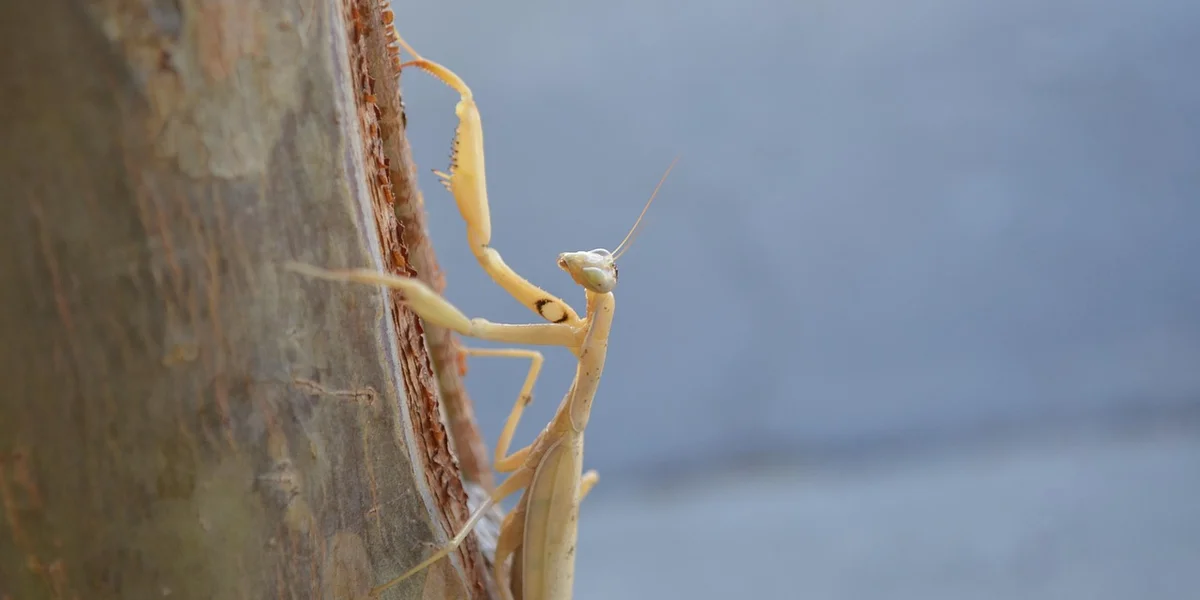
A praying mantis relies on its colour to blend into the background, waiting motionless for unsuspecting prey to wander close. Their hues match common elements like green leaves or brown twigs, making them nearly invisible until they strike. This camouflage allows mantises to conserve energy by avoiding chases and ensuring a higher success rate in catching food. For instance, our Ghost Mantis Luna often perches among dried foliage, her misty brown tones letting her disappear into the clutter. We’ve watched her remain still for hours, only to snatch a fruit fly with lightning speed when it ventures too near. You can see this in action by placing a mantis in a well-decorated enclosure-they’ll naturally seek out spots that mirror their own shading. This hunting behavior is well-documented.
Mantises use their colour not just for hiding but to appear harmless or even attractive to prey. Brightly coloured species might lure in curious insects, while earth-toned ones avoid detection altogether. Their ability to stay perfectly still, combined with colour matching, turns them into living traps that prey rarely notice until it’s too late. In our care, Moss, the Giant Asian Mantis, uses his vibrant green to vanish against fresh plant stems, ambushing crickets that mistake him for part of the scenery. This stealth approach reduces stress for your mantis, as they don’t need to exert themselves hunting in open spaces.
Disruptive Coloration and Texture Mimicry
Disruptive coloration involves patterns that break up the mantis’s outline, making it harder for predators or prey to recognize its shape. Think of how stripes or spots can confuse the eye, much like the dappled light through tree leaves. These patterns blend edges with the environment, so the mantis looks like a random cluster of colours rather than a living creature. Many species, such as the Orchid Mantis, add texture mimicry-their bodies resemble flower petals or bark, complete with subtle ridges and bumps. Sprig, our juvenile Orchid, has soft pink marbling that mimics orchid blooms, helping her avoid birds and larger insects while she waits for pollinators.
Texture mimicry goes beyond colour, with skin that feels rough or smooth to match surfaces like wood or foliage. This dual approach of colour and texture makes mantises masters of disguise, reducing their risk from predators like birds or lizards. When setting up an enclosure, we include varied textures-rough branches, smooth leaves-to let your mantis practice this natural behaviour. You might notice them pressing against surfaces to enhance their camouflage, a quiet reminder of how their survival hinges on these subtle adaptations.
- Disruptive patterns: Stripes or mottling that obscure body contours.
- Texture elements: Rough patches mimic bark, while smooth areas blend with petals.
- Environmental matching: Choose decor that complements your mantis’s natural hues for better concealment.
Choosing Your Pet Mantis: Color Considerations
Species with Notable Coloration
Some mantis species stand out for their striking colours, which can influence both their care needs and your enjoyment as an owner. Selecting a species with colours that suit your preferences ensures a more engaging pet-keeping experience. For example, the Orchid Mantis displays soft pinks and whites that mimic flowers, ideal if you appreciate delicate beauty. In contrast, the Dead Leaf Mantis has browns and tans that resemble crumpled foliage, perfect for a natural, earthy vibe. We’ve found that Sprig’s orchid-like appearance not only delights us but also helps her hunt more effectively in floral setups.
Here are a few species with unique colour traits to consider:
- Ghost Mantis: Misty browns and greys for subtle, leaf-like camouflage.
- Giant Asian Mantis: Vibrant greens that pop in well-lit enclosures.
- Indian Flower Mantis: Bright patterns that mimic blossoms, adding a splash of colour.
Each species has colour adaptations tied to their native habitats, so research their origins to understand why certain shades evolved. Owning a mantis like Luna, with her ghostly tones, teaches us how colour isn’t just for show-it’s a survival tool that shapes their daily habits.
Matching Your Home Environment
When picking a pet mantis, think about how its colour will fit into your home’s lighting and enclosure decor. A mantis that blends well with its surroundings feels safer and exhibits more natural behaviours. Matching your mantis’s colour to your setup reduces stress and encourages healthy activity, like hunting and molting. For instance, if your room has lots of green plants, a green species like Moss will thrive, whereas a brown mantis might prefer a terrarium with dried leaves and branches. We always test different backdrops to see where our mantises feel most hidden-it’s a simple way to boost their confidence.
Consider these factors for a harmonious match:
- Lighting: Bright rooms suit lighter colours; dim areas benefit from darker shades.
- Enclosure materials: Use substrates and decorations that echo your mantis’s hues.
- Visibility: Choose colours that let you observe your pet without causing them anxiety.
By aligning colour with environment, you create a calming space that supports your mantis’s innate camouflage instincts. We’ve seen how a well-matched mantis, like Sprig among pink orchids, stays active and content, making care routines smoother and more rewarding. This attention to detail helps your pet feel secure, much like how we’d arrange a cosy nook for ourselves.
Enhancing Camouflage in Your Mantis Enclosure

Selecting Backgrounds and Plants
Your mantis relies on its surroundings to disappear, so we build their home to be a stage for their natural artistry. Choose backgrounds that mirror their wild habitats-cork bark slabs offer textured brown canvases, while live plants like pothos or snake plants provide lush, three-dimensional hiding spots. We watch our Ghost Mantis Luna vanish against dried magnolia leaves, her frilled edges becoming just another leaf in the collection.
Artificial plants work beautifully too, especially for species like the Orchid Mantis that demand specific pink-and-white environments. Mix different leaf shapes and densities to create visual complexity, giving your mantis plenty of options to match its current coloration. Avoid brightly colored decorations that might clash with their natural palette.
- For green mantids: Include artificial ferns, plastic ivy, or preserved mosses
- For brown mantids: Use twisted grapevine, oak leaf litter, or bamboo segments
- For flower mimics: Add artificial orchids or other delicate-looking blooms
Lighting and Substrate Tips
Lighting transforms how your mantis’s colors appear and function. Soft, indirect light from a low-wattage LED creates gentle shadows where your mantis can retreat, while preventing colors from washing out. Our Giant Asian Mantis Moss often positions himself where dappled light through the plants makes his green body shimmer like sunlight through forest canopy.
The enclosure floor matters more than you might think. A natural substrate like coconut fiber or organic potting soil provides an earthy base that absorbs light rather than reflecting it. This dark, matte surface helps your mantis stand out less against its background.
- Position lights at the top front of the enclosure to create depth
- Use a timer to maintain consistent day/night cycles
- Choose substrate that holds some moisture for humidity
- Avoid shiny or reflective surfaces that might startle your mantis
Understanding Color Changes: Health and Stress Clues
Normal Changes from Molting
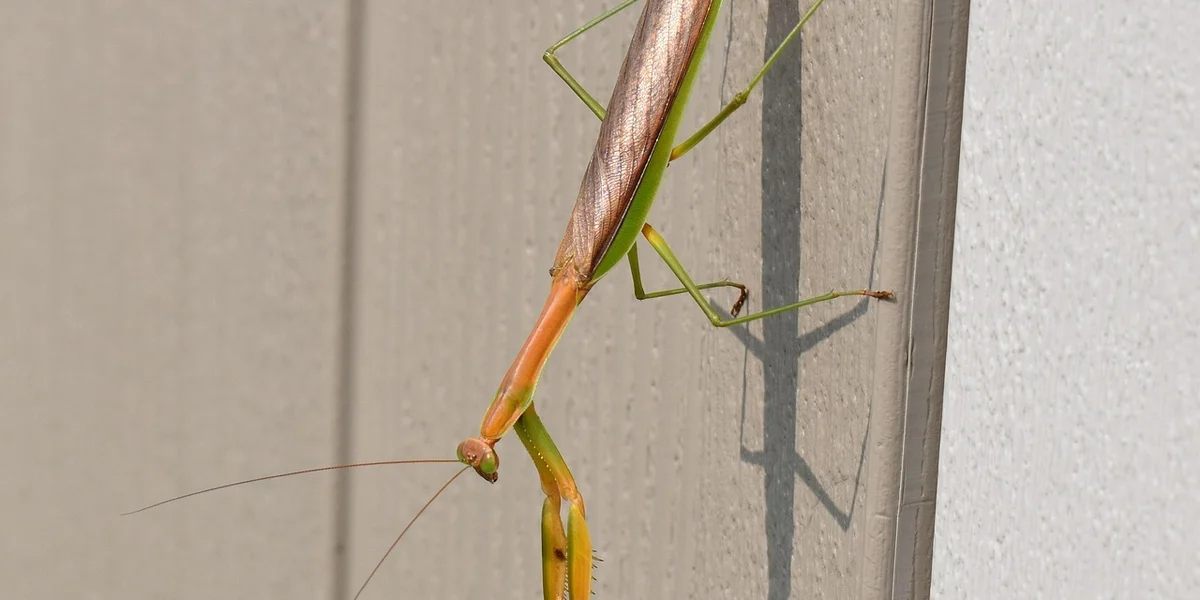
When your mantis prepares to molt, you might notice its colors becoming dull or cloudy. This temporary fading is completely normal-the old exoskeleton separates from the new one forming underneath, creating a milky appearance. After molting, your mantis will emerge with brighter, more vibrant colors as the new exoskeleton hardens.
Some species experience dramatic color shifts between life stages. Our juvenile Orchid Mantis Sprig transformed from plain white to intricate pink-and-white patterning after her final molt, a breathtaking development we monitored closely. These changes are part of their natural development and something to celebrate.
Signs of Stress or Illness
While some color variation is normal, certain changes warrant attention. A mantis that remains unusually dark for extended periods might be signaling discomfort with temperature or humidity levels. Similarly, sudden paleness can indicate dehydration or preparation for molting that isn’t progressing normally.
Watch for these specific warning signs in your mantis’s coloration:
- Persistent darkening despite comfortable temperatures
- Dull, faded appearance lasting more than several days
- Uneven coloring or strange spots that weren’t there before
- Difficulty clinging to surfaces combined with color changes
Trust your observations-you know your mantis’s normal color patterns better than anyone, and subtle shifts often provide the first clues to their wellbeing. Regular monitoring helps you distinguish between beautiful natural variation and signs that something needs adjustment in their care.
Troubleshooting Issues with Coloration and Behavior
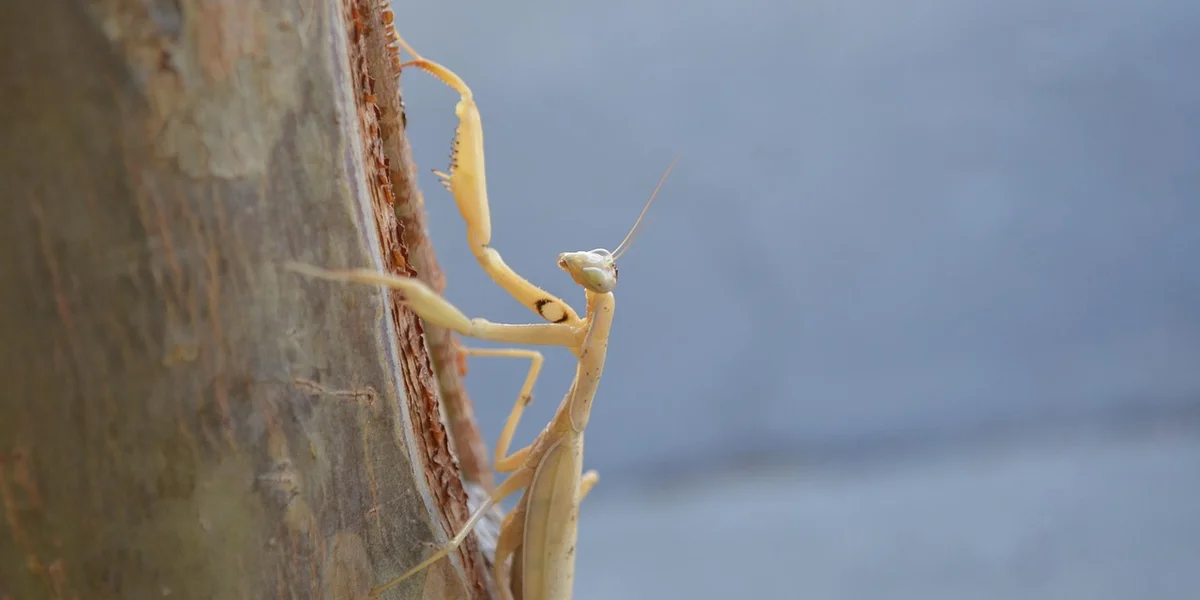
When your mantis’s natural coloring doesn’t align with its surroundings, it can lead to visible struggles in daily life. We often notice these issues through changes in behavior, like reduced activity or hesitant movements, which signal that something in their environment isn’t quite right. By observing closely, you can spot early signs and make adjustments to support their well-being. To tell if your praying mantis is stressed, look for behaviors such as unusual stillness, rapid darting movements, or a tense, crouched posture, which can indicate anxiety or discomfort. Recognizing these signs of mantis stress helps you adjust habitat conditions and handling to reduce stress.
Addressing Poor Hunting Success
If your mantis is missing strikes or seems uninterested in food, its camouflage might be failing to conceal it from prey. A mismatched color can make your mantis stand out like a sore thumb, alerting insects before it can pounce. Start by assessing the enclosure’s backdrop-does it mimic the hues of your mantis’s body? For instance, my Ghost Mantis, Luna, blends perfectly with dried leaves, but in a brightly lit area, she became less effective at ambushing crickets.
Here are steps to improve hunting success:
- Match enclosure decor to your mantis’s dominant color, using live plants or artificial foliage that mirrors their shade.
- Ensure lighting is soft and indirect to avoid casting shadows that break their disguise.
- Offer prey that moves naturally, like fruit flies or small crickets, to trigger their instinct to strike from hiding.
Adjusting these elements can turn a sluggish hunter into a stealthy predator. With a few tweaks, you might see your mantis regain its confidence, striking with the precision of a well-tuned spring.
Managing Stress from Inadequate Concealment
Stress in mantises often stems from feeling exposed, much like we might in a crowded room with nowhere to hide. Inadequate concealment due to poor color matching can cause constant alertness, leading to fatigue and even refusal to eat. My Giant Asian Mantis, Moss, once grew restless in a bare enclosure until I added dense, green vines that mirrored his emerald tones-he soon settled into a calm, watchful posture. This is one of the signs of a stressed praying mantis.
To reduce stress, focus on creating a sanctuary that enhances their natural camouflage:
- Add multiple perches and hiding spots, such as twisted branches or silk flowers, that match your mantis’s coloration.
- Maintain a consistent humidity level with gentle misting, as dry environments can make colors appear dull and less effective.
- Observe their behavior after changes; a relaxed mantis will groom itself or rest with limbs tucked in, rather than staying rigid.
These adjustments help your mantis feel secure and in tune with its home. Essential habitat requirements—proper temperature, humidity, shelter, and prey access—support a healthy praying mantis. By fostering a habitat that embraces their innate disguise, you provide a foundation for a content, thriving companion.
Questions from Fellow Mantis Friends
Can my pet mantis’s color change indicate a health problem?
While some color variation is normal after molting, a sudden, persistent darkening or paleness can signal stress or illness. These changes often relate to incorrect humidity, temperature, or other environmental factors in their enclosure.
What mantis species is best for a beginner based on its color and care needs?
For beginners, the Ghost Mantis is an excellent choice due to its hardy nature and adaptable brown/grey coloration that camouflages easily in most enclosures. Its color provides good concealment, which helps reduce stress and makes it a more forgiving pet for those new to mantis care. When choosing the right mantis species for beginners, look for hardiness and a forgiving temperament. The Ghost Mantis fits this profile well, making it a strong starting point.
How can I set up my mantis’s enclosure to best support its natural camouflage?
Use backgrounds and decorations like live or artificial plants that closely match your mantis’s primary color, such as green leaves for a green mantis. Avoid bright, reflective surfaces and ensure the lighting is soft and indirect to help your mantis blend in and feel secure. Plants in a mantis enclosure are safe and beneficial, offering cover and climbing space. Choose non-toxic, pest-free plants and keep the enclosure clean to help regulate humidity and enrich the mantis’s environment.
Your Mantis’s Colourful World
A praying mantis relies on its colour for perfect camouflage, allowing it to vanish among leaves and flowers to evade threats and ambush meals. By choosing an enclosure with natural décor that matches your mantis’s hues, you support its instinct to hide and hunt successfully. To create a naturalistic, safe habitat for your praying mantis, mimic its wild environment in the enclosure. Use safe, pesticide-free plants and sturdy branches to support camouflage and hunting behavior.
Responsible ownership means observing how your pet uses its colour in daily life and adjusting its home to feel secure and authentic. We encourage you to keep learning about your mantis’s unique needs, as every discovery helps you provide a happier, healthier life for your fascinating friend.
Further Reading & Sources
- Coloration in a Praying Mantis: Color Change, Sexual Color Dimorphism, and Possible Camouflage Strategies – Rosenheim – 2025 – Ecology and Evolution – Wiley Online Library
- (PDF) Coloration in a Praying Mantis: Color Change, Sexual Color Dimorphism, and Possible Camouflage Strategies
- Crypsis by background matching and disruptive coloration as drivers of substrate occupation in sympatric Amazonian bark praying mantises | Scientific Reports
- Coloration in a Praying Mantis: Color Change, Sexual Color Dimorphism, and Possible Camouflage Strategies.
Rowan Hale is a lifelong insect enthusiast who fell in love with mantises for their calm presence, alien elegance, and surprising personalities. After years of keeping and raising a variety of species, Rowan shares practical tips, creative insights, and real-world experience to help others enjoy the quiet magic of mantis care. From setting up the perfect enclosure to understanding their subtle behaviors, Rowan invites readers into a gentle, curious world where every tiny movement feels like a discovery.
Predatory Threats