
How to Prepare Your Mantis’s Habitat for Your Vacation
Published on: January 20, 2026 | Last Updated: January 20, 2026
Written By: Rowan Hale
Hello fellow mantis friend.
That little flutter of worry when you look at your travel bag, then over at your mantis’s enclosure, is a feeling we know well. You’re not just leaving a pet; you’re leaving a tiny, fascinating world in your care.
With some thoughtful planning and simple setup changes, you can create a stable, self-sufficient environment that keeps your mantis thriving while you’re away.
Preparing for a trip involves more than just leaving out extra food. It’s about managing humidity, temperature, and safety for a creature that depends entirely on the micro-world you’ve built. We’ll walk through it together.
Your main goals are straightforward:
- Ensure a reliable hydration source.
- Set up a safe feeding plan.
- Double-check the security and climate of the enclosure.
Understanding Your Mantis’s Basic Vacation Needs
Before you head off, let’s gently unpack what your mantis relies on day to day. A well-prepared habitat mimics the quiet, consistent rhythms of their natural world, keeping stress at bay. That’s why it’s crucial to meet all the essential habitat requirements.
We’ve found that focusing on a few core areas makes all the difference. Regular misting ensures your mantis stays hydrated, as they sip water droplets from leaves and walls.
Food is another key piece-mantises hunt live prey, so planning meals ahead is a must. For a feeding schedule species comparative guide, different mantis species have varying feeding frequencies and prey-size needs. This helps tailor care to each species and avoid common mistakes. Offering appropriately sized insects right before you leave can tide them over for a short while.
Humidity and temperature need to stay steady to support molting and overall health. Using a simple hygrometer helps you monitor levels, much like we do for Luna’s leafy enclosure.
Security matters too; a escape-proof setup prevents accidents. Check for any gaps or sharp edges that could harm your mantis during your absence.
- Hydration: Mist the enclosure thoroughly before departing to create dew-like droplets.
- Feeding: Provide one or two live feeders, such as fruit flies or small crickets, depending on your mantis’s size.
- Environment: Maintain humidity between 50-70% and temperatures around 22-26°C for most species.
- Safety: Secure lids and remove any decor that might topple over.
Drawing from our time with Moss, we learned that a slight boost in humidity before a trip helps him feel at ease. Small adjustments, like placing a damp sponge nearby, can sustain moisture without constant attention.
How Long Can Your Praying Mantis Safely Be Left Alone?
The answer hinges on your mantis’s age, species, and overall health. Generally, adult mantises can manage alone for up to three to five days with proper prep, while nymphs need more frequent care. How long they can go without food varies significantly based on these factors.
Young mantises, like our Sprig in her juvenile stage, molt often and require daily feeding. Leaving a nymph for more than two days risks starvation or molting issues.
Adults, such as Moss, are hardier and can fast briefly if well-fed beforehand. Always consider your mantis’s recent behavior-if they’ve been active and eating well, they’ll handle solitude better.
Here’s a simple guide based on our experiences:
- Nymphs (under 2-3 instars): No more than 1-2 days alone.
- Subadults (like Luna): Can often last 2-4 days with ample food and water.
- Adults: Typically safe for 3-5 days, provided the habitat is stable.
For trips longer than this, arranging for a pet sitter is wise. We once left Luna for four days by stocking her tank with extra prey and ensuring consistent humidity, and she greeted us with her usual curious tilt.
Monitor your mantis’s condition upon return for any signs of stress or hunger. A quick check of their posture and appetite tells you if they weathered your absence well.
Choosing Your Care Approach: Automatic Systems or a Helper
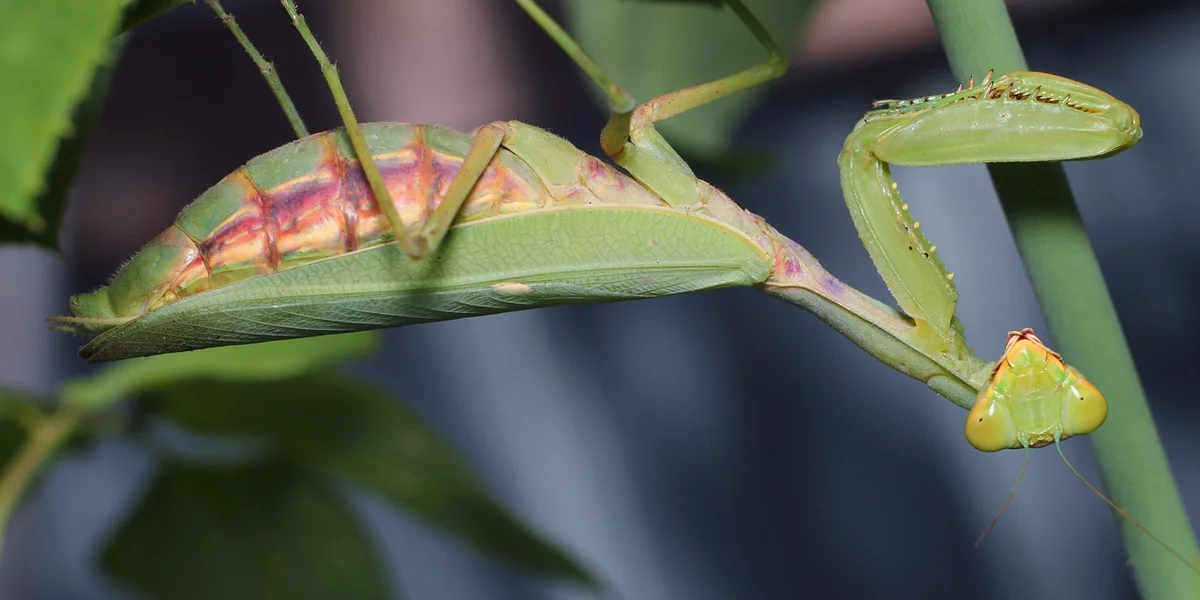
When you’re away, your mantis relies on a steady routine, so picking the right care method is key. We often weigh automatic systems against a trusted helper, and each has its own charm and challenges. Automatic setups can mimic daily care with gadgets like misters and feeders, while a helper brings a personal touch. For my Ghost Mantis, Luna, I’ve used both-her calm nature suits automated misting, but a helper’s watchful eye catches subtle changes.
Consider automatic systems if you prefer consistency and have the gear. These systems maintain humidity and feeding schedules without daily human input, which is great for short trips. Options include programmable misters, timed feeders, and thermostat-controlled heaters. They’re ideal for species like the Giant Asian Mantis, Moss, who thrives on routine.
- Automatic systems: Reliable for temperature and humidity control; reduces risk of human error.
- Helper approach: Allows for visual checks and adjustments; perfect for noticing molting signs or stress.
Helpers, like a friend or family member, offer flexibility. They can spot issues like escaped prey or enclosure damage that machines might miss. Give them clear instructions and a demo-perhaps with your Orchid Mantis, Sprig, whose delicate petals need gentle handling. We find that combining both methods works well for longer absences.
Step-by-Step Preparation of the Mantis Enclosure
Getting the enclosure ready ensures your mantis stays safe and comfortable while you’re gone. Start by gathering all supplies a day or two before your trip to avoid last-minute rush. We like to do a full check, from securing lids to testing humidity levels, so everything runs smoothly. When choosing between a bioactive and a sterile setup for mantises, weigh maintenance needs against the animal’s comfort. A bioactive setup can help with humidity and enrichment, but a sterile setup is simpler to manage.
Securing the Habitat and Ensuring Escape-Proof Setup
A secure habitat prevents escapes and keeps your mantis from harm. Inspect every seam and latch for gaps, as mantises are clever climbers who can slip through tiny openings. For enclosures with mesh lids, press firmly to ensure no loose edges. I recall how Moss, my Giant Asian Mantis, once nudged a poorly fitted lid-thankfully, we caught it in time.
- Check the enclosure lid and doors for tight closures; use clips or weights if needed.
- Seal any cracks with non-toxic silicone or tape, avoiding areas with sharp edges.
- Remove tall objects near the walls that could serve as escape routes.
Ventilation is crucial, but balance it with security. Mesh panels should be fine enough to block small insects yet allow air flow for a healthy environment. Test by gently tapping the sides; if it feels sturdy, your mantis will rest easy.
Stabilizing Temperature, Humidity, and Ventilation
Mantises need stable conditions to avoid stress, especially during molting. Use a digital hygrometer and thermometer to monitor levels, aiming for consistency rather than perfect numbers. For humidity, automatic misters set to a schedule can mimic natural dew, like the soft moisture Luna enjoys in her terrarium. To set up the perfect humidity level in your praying mantis enclosure, tailor the misting schedule to the species and molt stage. Keep readings steady and adjust as needed.
- Temperature: Keep it within the species’ range; a small space heater with a thermostat works well for drops.
- Humidity: Misting systems or water dishes with sponges help maintain levels; avoid over-saturation.
- Ventilation: Ensure cross-ventilation with screened areas to prevent mold and stale air.
Adjust based on your mantis’s needs-Sprig, my Orchid Mantis, prefers slightly higher humidity. Place the enclosure away from direct sunlight or drafts to maintain a steady microclimate. We often use a backup battery for gadgets in case of power outages.
Setting Up Feeding and Water Solutions
Feeding and hydration are vital, and automation or prepping ahead keeps your mantis nourished. For water, a shallow dish with a sponge or an automatic mister provides hydration without drowning risks. Mist the enclosure lightly before you leave, creating a refreshing environment reminiscent of morning dew.
- Feeding: Offer live prey like fruit flies or crickets in a secure container; automatic feeders can dispense them.
- Water: Set up a drip system or use gel water crystals for longer trips; check that it’s accessible.
- Monitor portions: Avoid overfeeding; a slightly hungry mantis is better than one with spoiled food.
With helpers, demonstrate how to offer food gently. Pre-measure portions and label them to simplify the process for your caretaker. For my mantises, I leave notes on feeding times and signs of fullness, like Luna’s slow, deliberate strikes.
Creating a Clear Care Plan for Your Time Away
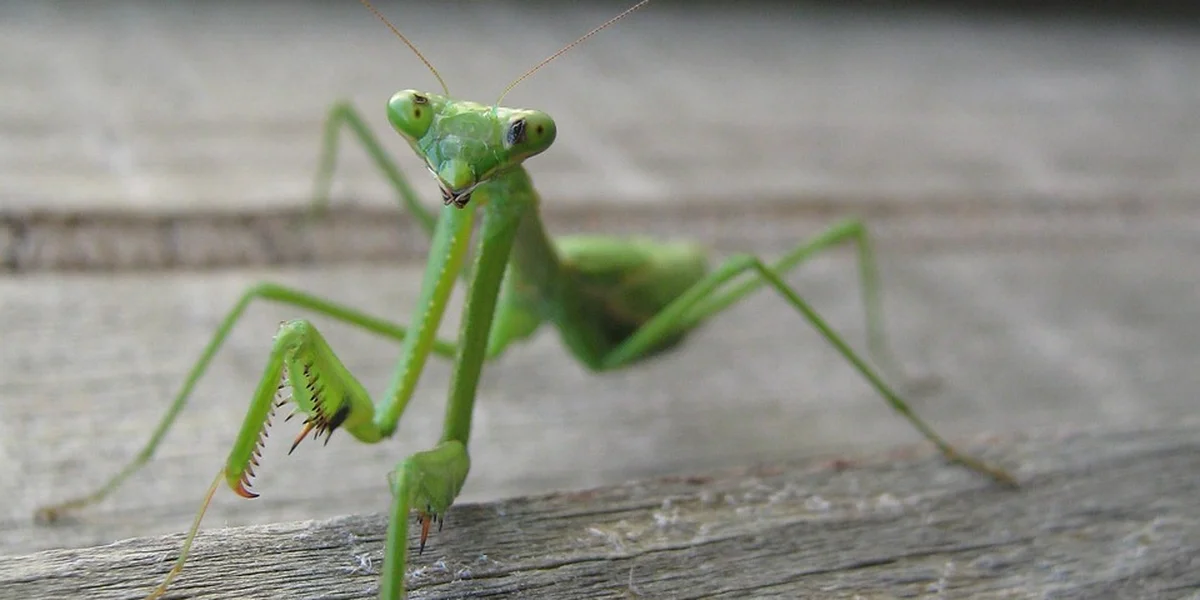
We always start by sketching out a simple care sheet that anyone can follow, even if they have never met a mantis before. A well-written plan covers feeding schedules, misting routines, and habitat checks in plain language. For your first pet mantis, this week-by-week care guide for new owners helps you navigate Week 1 with confidence. It breaks down daily tasks and simple checks you can do every day.
Step-by-Step Instructions for Your Caretaker
Break tasks into daily and weekly actions to prevent overwhelm. Daily duties might include a light misting to mimic morning dew and checking that your mantis is active and perched safely.
- List feeding days with specific prey sizes-for example, fruit flies for juveniles or crickets for adults.
- Note how to offer food using soft-tipped tweezers to avoid startling your mantis.
- Include temperature ranges; we keep Moss’s enclosure between 22-26°C using a small heat mat on a timer.
- Remind them to look for molting signs, like refusal to eat or hanging upside down, and to avoid disturbances then.
Preparing the Habitat for Easy Care
Simplify the setup so your helper feels confident. We arrange perches at varying heights and secure them firmly to give mantises like Luna plenty of climbing options without risk of falls.
Label containers for prey and misting bottles clearly. Using a spray bottle with ‘daily mist’ written on it helps prevent over or under-watering while you are gone.
- Place a small notebook nearby for logging feedings or unusual behaviors.
- Set up a backup power source for heat or lighting to handle brief outages.
- Leave your contact info and a vet’s number in an obvious spot.
Handling Potential Issues While You’re on Vacation
Even with the best plans, little surprises can pop up, so we prepare for common scenarios. Staying calm and having solutions ready means your mantis stays safe and stress-free.
Dealing with Escape Attempts or Falls
Mantises are curious climbers and might try to explore. If your mantis gets out, guide it gently onto a piece of paper or your hand-never grab it, as those delicate legs can break easily.
- Check enclosure lids for secure fits; we use fine mesh screens to allow air flow but block escapes.
- Keep a small, clean container handy for temporary holding if needed.
- Inspect perches regularly for stability to prevent falls that could injure limbs.
Managing Humidity and Mold Risks
Balancing moisture is key to a healthy habitat. Too much dampness can lead to mold growth, which harms your mantis’s respiratory system.
We use a hygrometer to monitor levels and advise caretakers to mist lightly rather than drenching. Good ventilation from screened areas helps air circulate and reduces mold chances.
- Choose substrates like coconut fiber that hold humidity without staying soggy.
- If mold appears, remove affected material immediately and replace it with fresh, dry bedding.
- Instruct helpers to watch for condensation buildup and wipe it away with a soft cloth.
Addressing Feeding Problems or Refusals
Sometimes mantises skip meals, especially before molting. We remind caretakers not to panic if Sprig turns down food for a day-it is often normal behavior.
- Offer prey at the same time each day to maintain routine.
- If live insects are not eaten within a few hours, remove them to prevent stress or bites.
- Keep a few pre-killed options available as a backup for finicky eaters.
Questions from Fellow Mantis Friends
How can I prepare my mantis for a vacation longer than a week?
For extended trips, arrange for a reliable pet sitter who can perform daily checks and adjustments. Provide detailed instructions on feeding, misting, and monitoring for any health changes to ensure continuous care.
What emergency supplies should I keep available for my mantis?
Stock a small kit with soft-tipped tweezers for handling and a clean container for temporary housing if needed. Include contact details for an exotic vet to address any urgent health issues promptly.
Is it safe to use artificial decor in the habitat for low-maintenance setups?
Artificial plants and perches can simplify upkeep by reducing the need for live plant care. Create a naturalistic, safe habitat for your praying mantis by selecting realistic-looking artificial plants and sturdy perches. This helps mimic its natural environment while keeping the enclosure secure. Ensure all items are non-toxic and firmly secured to prevent any accidents or injuries to your mantis.
A Calm Farewell for Your Mantis Companion
Before you depart, set up a steady water source and arrange for food that will sustain your mantis throughout your absence. We always check that the habitat’s humidity and temperature are stable, much like we do for our own mantises, such as Moss, to avoid any stress. Regular cleaning and routine maintenance of the enclosure are also essential to keep the habitat clean and safe for your mantis. A quick wipe of surfaces and fresh substrate between check-ins helps prevent mold and pests.
Caring for a pet mantis invites you to grow alongside them through attentive observation and ongoing education. Embrace each moment of discovery to provide a nurturing environment that supports their unique, captivating nature. Learn how to care for a pet praying mantis to better understand their handling and behavior.
Further Reading & Sources
- Habitats – USMANTIS
- Praying Mantis Habitat, Predators, Prey & Facts
- Mantis Habitat Kit – Bugs In Cyberspace
- What do you do with your mantids during vacations? | Mantid Forum – Mantis Pet & Breeding Forum
Rowan Hale is a lifelong insect enthusiast who fell in love with mantises for their calm presence, alien elegance, and surprising personalities. After years of keeping and raising a variety of species, Rowan shares practical tips, creative insights, and real-world experience to help others enjoy the quiet magic of mantis care. From setting up the perfect enclosure to understanding their subtle behaviors, Rowan invites readers into a gentle, curious world where every tiny movement feels like a discovery.
Temperature and Humidity