
Are Non-Native Praying Mantis Species Harmful to Local Ecosystems?
Hello, mantis friend! Imagine spotting a praying mantis in your garden, its delicate form poised like a living sculpture-but what if this captivating visitor isn’t from around here? That moment of wonder can open a window into the delicate balance of our local wildlife.
Yes, non-native praying mantis species often pose risks to local ecosystems, though the impact isn’t always straightforward.
This topic is layered, influenced by factors like species behavior and environmental conditions. We’ll break down the complexities to help you grasp the full picture.
- How non-native mantises compete with local insects for food and space
- Their role in altering pollination and predator-prey dynamics
- Practical steps to enjoy mantises without harming native habitats
Understanding Non-Native Mantis Species
Non-native mantises are species that hail from distant regions but find homes in our terrariums, bringing a touch of the exotic to pet keeping. These insects captivate us with their unique forms and behaviors, offering a window into ecosystems far from our own. We often choose them for their striking appearances and the gentle challenge they present in care, making them a delightful addition for both novice and seasoned keepers. In the wild, mantis species occupy a range of habitats—from humid tropical forests to arid deserts. Knowing where they live helps us tailor terrariums to mimic their native homes.
Common non-native species include the Ghost Mantis, with its leaf-like frills and misty brown hues, and the Orchid Mantis, which dazzles in soft pinks and whites. My own Orchid Mantis, Sprig, moves with a shy grace that belies her bold appetite during feeding times. The Giant Asian Mantis, like my energetic Moss, sports vivid emerald coloring and a curious nature, always exploring new branches with vigor.
| Trait | Native Mantises | Non-Native Mantises |
|---|---|---|
| Typical Size | Small to medium, adapted to local prey | Often larger, with varied dimensions |
| Coloration | Blends with regional flora | Exotic shades like pink or emerald |
| Reproduction Rate | Moderate, synced with seasons | Can be high, with multiple egg cases |
| Diet Flexibility | Specialized to local insects | Broad, may include diverse prey |
What Makes a Mantis Species Invasive?
Invasive mantises possess traits that let them thrive where they don’t belong, often outcompeting local species. Rapid reproduction and adaptability are key drivers, allowing them to establish quickly in new environments. Imagine an ootheca hatching dozens of nymphs in a warm, humid corner-this burst of life can overwhelm native insects if left unchecked.
Factors leading to invasive behavior include a lack of natural predators and the ability to exploit human-altered landscapes. These mantises might find easy meals in gardens or parks, where their generalist diets give them an edge. We’ve seen this with species that adjust to varying climates, spreading quietly through urban green spaces.
- High fecundity: Producing many egg cases per season
- Broad dietary habits: Feeding on a wide range of insects
- Climate tolerance: Surviving in diverse temperature and humidity levels
- Fast development: Reaching maturity quicker than natives
- Aggressive hunting: Outcompeting local predators for resources
Ecological Impacts of Non-Native Mantises
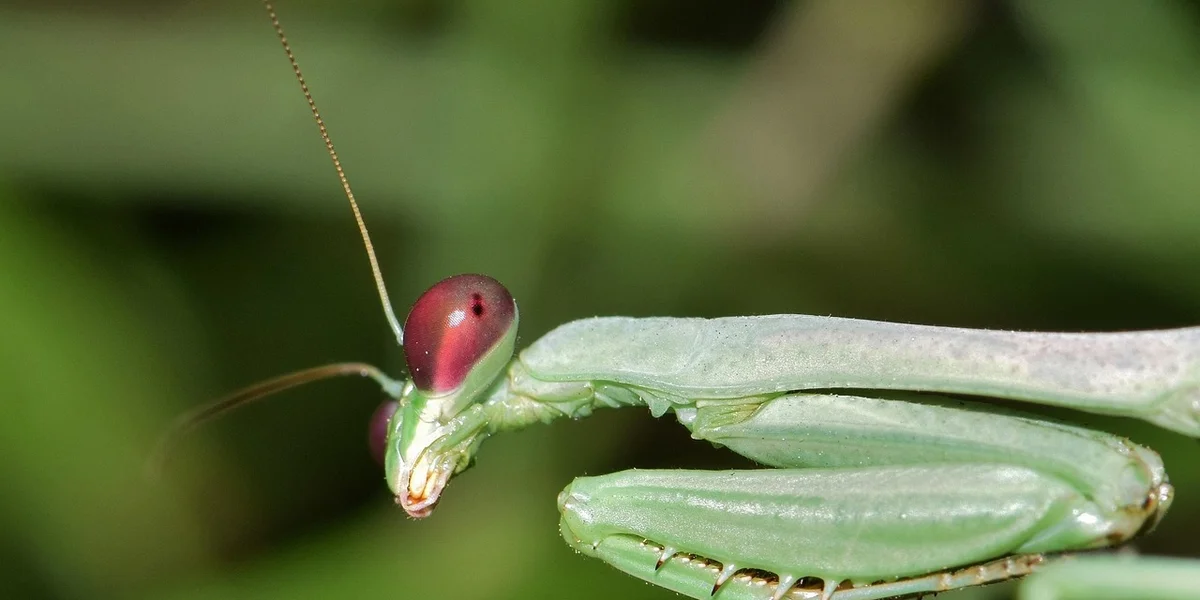
When non-native mantises settle into new territories, they can quietly reshape the local environment in ways that ripple through entire ecosystems. Their presence often triggers a cascade of effects, from altered insect populations to shifts in the delicate balance of native species.
Predation and Its Ripple Effects
Non-native mantises are skilled hunters, and their appetite can deeply affect local wildlife. They frequently target native insects, small spiders, and even tiny amphibians, reducing numbers of species that have no natural defenses against them. Their hunting methods are quite fascinating.
- These mantises often prey on pollinators like bees and butterflies, which can lead to fewer flowers being fertilized and a drop in fruit and seed production.
- Beneficial insects, such as ladybugs that control aphids, may also fall victim, allowing pest populations to grow unchecked in gardens and farms.
Competition for Ecological Niches
Non-native mantises compete directly with native species for the same resources, creating tension in shared habitats. This overlap in food and shelter can force native mantises into smaller, less ideal areas, making it harder for them to thrive. When setting up your first mantis habitat, avoid introducing non-native species and overcrowding the habitat with resources, which are common beginner mistakes. Planning with native species in mind and giving balanced food and shelter helps prevent these conflicts.
- Resource competition often leads to native mantis populations declining, as non-natives may be more aggressive or efficient at hunting.
- Changes in population dynamics can unbalance local ecosystems, with some native species fading away while non-natives spread rapidly.
Habitat Disruption
Beyond predation and competition, non-native mantises can subtly alter the physical spaces they inhabit. Their egg cases, or oothecae, may be laid in dense clusters that monopolize prime real estate on plants and structures.
- This can block nesting sites for other insects or small animals, reducing biodiversity in microhabitats.
- In areas with high non-native mantis density, the overall structure of plant communities might shift, affecting everything from soil health to water retention.
Regional Stories: Invasive Mantises Across the U.S.
Across the United States, non-native mantises have left their mark in various regions, with each state telling a unique story of adaptation and impact. From California’s gardens to Maryland’s woodlands, these insects demonstrate how quickly they can expand their range and influence local ecology. Praying mantises serve a predator role in nature, helping regulate pest insect populations. Their spread raises questions about the purpose they serve in local ecosystems.
- California: The Chinese mantis has become widespread, preying on native butterflies and bees; their egg cases are often spotted on ornamental plants, aiding their spread.
- Maryland: European mantises compete with native Carolina mantises, leading to declines in the latter; gardeners note fewer beneficial insects in areas with high non-native populations.
Case Studies from Various States
In states like Ohio and Massachusetts, careful observations and management efforts highlight the ongoing challenges with non-native mantises. Local experts and hobbyists, including those in our community, have documented how these species alter food webs and prompt conservation actions. Part of this effort includes mantis eggs identification responsibilities. Learning to distinguish egg cases and report uncertain finds helps prevent introductions.
- Ohio: The Chinese mantis has been linked to reduced numbers of native praying mantises; some parks initiate removal programs to protect local biodiversity.
- Massachusetts: Residents report non-native egg cases on fruit trees, correlating with fewer pollinator visits; educational campaigns encourage reporting sightings to track range expansion.
- Other regions: In the Pacific Northwest, occasional introductions of non-natives lead to quick population booms, stressing the need for vigilant pet keeping to prevent escapes.
Responsible Pet Mantis Care to Prevent Harm
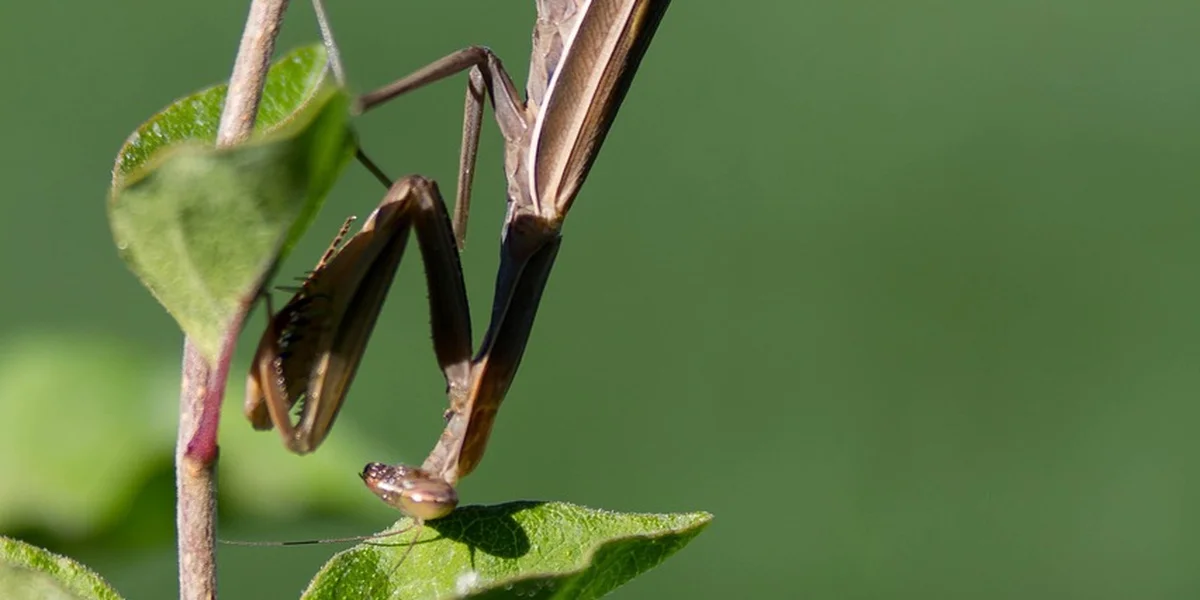
Keeping a mantis safe means thinking ahead about its home and habits. Secure housing isn’t just about comfort—it’s your first defense against accidental escapes that could impact local wildlife. If it escapes, act quickly but calmly to recapture it using a small container. Then return it to its enclosure and check for gaps that could let it get out again.
Follow these steps to create a escape-proof setup for your mantis:
- Pick an enclosure with a snug, locking lid, like a glass terrarium with clips, to stop curious climbers.
- Use fine mesh on ventilation areas so tiny nymphs can’t slip through unnoticed.
- Position the habitat away from drafty spots or open windows where a mantis might feel tempted to explore.
Before bringing home a non-native species, weigh these considerations carefully:
- Investigate whether the species has a history of invasiveness in your area-some can outcompete local insects.
- Assess if you can meet its lifelong needs, like specific humidity or prey, without cutting corners.
- Confirm that owning it aligns with local wildlife laws to avoid legal hassles down the road.
If your mantis ever gets loose, stay calm and act fast. Shut doors and windows immediately to limit its movement to one room. Gently guide it into a container using a soft brush or your hand, avoiding any sudden moves that could stress it.
Steps to Minimize Escape Risks
- Choose escape-proof enclosures with tight lids-we’ve found that acrylic cages with magnetic closures work wonders for our Giant Asian Mantis, Moss.
- Regularly check for gaps or wear in habitat setups; a weekly inspection can catch loose mesh or cracks before they become issues.
- Handle mantises in controlled, indoor spaces only, and never near open windows where a breeze might carry them away.
Ethical Purchasing and Ownership
- Suggest researching species’ invasiveness before buying; for instance, Chinese mantises are known to displace natives in some regions.
- Emphasize never releasing pets into the wild-it’s unfair to the mantis and can disrupt ecosystem balance for years.
Choosing Native and Low-Risk Mantis Species
Selecting a mantis from your own region supports nature’s delicate web. Native species are already part of the local environment, so they pose minimal risk if they ever slip out. Understanding the natural habitat distribution of praying mantises helps you pick a species that fits your local garden. This supports the balance of regional habitats and pest control.
We recommend these native options for their ease and eco-friendliness:
- Carolina Mantis (Stagmomantis carolina)-A gentle, adaptable species common in North America that blends into gardens seamlessly.
- European Mantis (Mantis religiosa)-Widely established and less disruptive than exotic imports, making it a sensible choice for beginners.
By opting for natives, you help preserve local biodiversity. These mantises are tuned to your climate, reducing the chance they’ll struggle or spread uncontrollably. For beginners, choosing the right mantis species matters. Look for native species with simple care needs that fit your region.
Use this table to compare low-risk species and their traits:
| Species | Native Region | Risk Level | Care Notes |
|---|---|---|---|
| Carolina Mantis | Eastern North America | Low | Thrives in varied temperatures; ideal for first-time keepers. |
| Ghost Mantis | Africa | Medium | Needs high humidity; less likely to survive cold winters outdoors. |
| Orchid Mantis | Southeast Asia | High | Demands precise conditions; best for experienced hobbyists. |
Questions from Fellow Mantis Friends
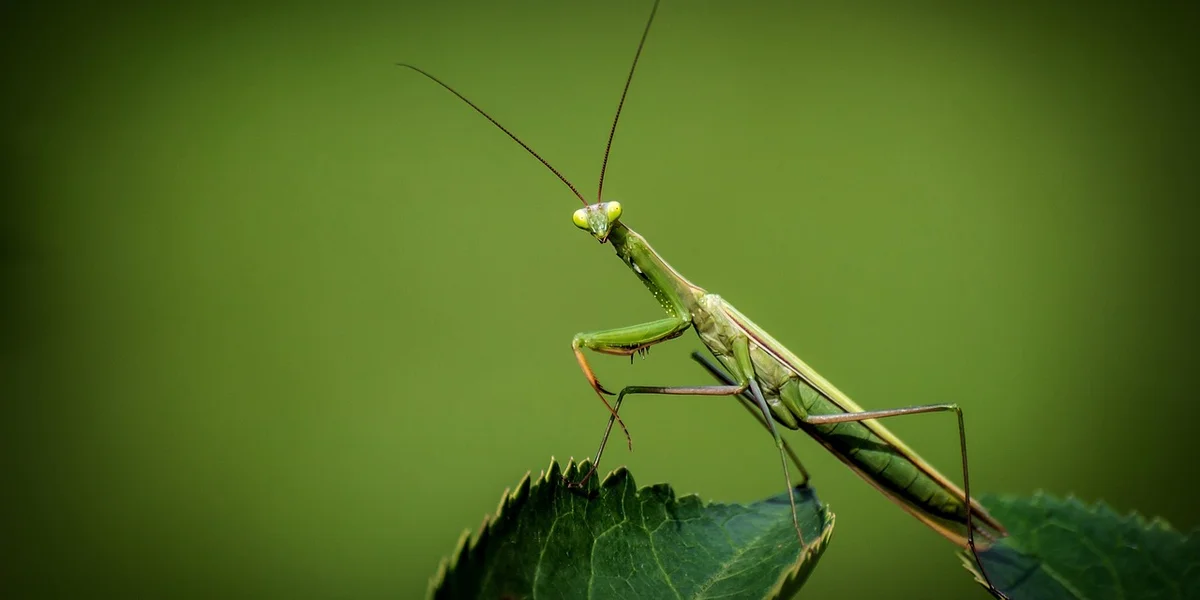
How can I distinguish between invasive and native praying mantis species?
Check for larger body sizes and exotic color patterns, as invasives often stand out compared to camouflaged natives. Refer to local field guides or online resources for species-specific traits in your area.
What should I do if I discover an invasive mantis egg case in my garden?
Carefully remove the egg case and place it in a sealed bag for disposal to prevent nymphs from hatching. Notify local extension services or wildlife groups to help monitor and manage invasive populations.
Are invasive praying mantis species a concern in Michigan?
Yes, species like the Chinese mantis have established populations in Michigan and can outcompete native insects. Responsible pet keeping and choosing low-risk species help minimize their ecological impact.
Our Final Thoughts on Mantis Care and Local Wildlife
When keeping non-native mantises, always ensure they remain securely in their enclosures to prevent any accidental release into the wild. Choosing native species for your collection supports local biodiversity and reduces ecological risks.
We encourage you to keep learning about mantis behaviour and habitat needs through trusted resources and community discussions. Understanding the essential habitat requirements helps ensure a healthy praying mantis. This awareness guides how we observe and support their needs. Your dedication to responsible care makes a real difference in preserving delicate ecosystems for generations to come.
Further Reading & Sources
- The Invasive Mantis Species | Brandywine Conservancy and Museum of Art
- Praying Mantids – Piedmont Master Gardeners
- A Newly Established Non-Native Praying Mantis Species,
- Mantids (Mantises) | Missouri Department of Conservation
Rowan Hale is a lifelong insect enthusiast who fell in love with mantises for their calm presence, alien elegance, and surprising personalities. After years of keeping and raising a variety of species, Rowan shares practical tips, creative insights, and real-world experience to help others enjoy the quiet magic of mantis care. From setting up the perfect enclosure to understanding their subtle behaviors, Rowan invites readers into a gentle, curious world where every tiny movement feels like a discovery.
Exotic Mantids