
Can a Praying Mantis Mate More Than Once?
Hello, mantis friend. That dramatic, and often infamous, moment of praying mantis courtship is one of nature’s most captivating scenes.
The answer is a definitive yes, a praying mantis can and often does mate more than once. This is true for both males and females, though their experiences and motivations for doing so are wildly different.
But the full story is far more complex than a simple yes. The world of mantis reproduction is a delicate dance of survival, instinct, and careful timing.
- We’ll explore the risky strategies males use to successfully court multiple partners.
- You’ll learn why a female might seek out several mates and what that means for her precious egg cases.
- We’ll cover the practical side, giving you the keeper’s guide to facilitating safe, successful matings for your own insects.
The Possibility of Multiple Matings
Praying mantises can indeed mate more than once, though the outcome varies between males and females due to their distinct roles and risks. Males often seek multiple partners if they survive the encounter, while females may mate several times to ensure fertile oothecae over their lifespan. In some cases, male mantises risk being eaten by females during courtship, so they adopt quick, cautious approaches to minimize that risk.
Factors like species, age, and health play a big role in how often mating occurs. Younger, healthy mantises in less cannibalistic species, such as the Ghost Mantis, tend to have higher mating frequencies compared to older or stressed individuals.
- Male behavior: They approach cautiously, using slow movements to avoid triggering aggression, and may mate with several females if they escape unharmed.
- Female behavior: They can store sperm for later use, sometimes accepting multiple mates to diversify genetics, but may become more selective or aggressive with age.
Evolutionary adaptations support repeated mating, such as males developing quicker reflexes to flee and females benefiting from genetic variety for offspring survival. These traits help mantises thrive in diverse environments, balancing risk and reward in their reproductive strategies. For hobbyist breeders, understanding mantis genetics serves as a practical primer to predict traits in offspring. This knowledge helps guide pairings and interpret hatchling variation.
How Mantis Mating Unfolds
The mating process begins with subtle courtship and can last for hours, filled with delicate movements and quiet intensity. From the first cautious approach to the final separation, each step is a dance of survival and connection.
- The male detects the female’s pheromones and approaches slowly, often from behind to reduce the chance of attack.
- He may perform a gentle rocking or swaying motion, a courtship dance that signals his intentions without startling her.
- Once close, he carefully mounts the female, aligning his body to begin copulation while she remains still or slightly responsive.
- Copulation proceeds, with the male transferring sperm; this can involve brief pauses or adjustments as both mantises stay alert.
- After completion, the male disengages quickly, sometimes leaping away to avoid potential cannibalism.
Copulation duration varies widely, from as short as 30 minutes to over 4 hours, depending on species and individual temperament. In our experience, Moss, our Giant Asian Mantis, once mated for nearly three hours in a humid enclosure, his emerald body glistening under the warm light.
Sensory details bring this to life: the soft rustle of leaves as the male creeps forward, the faint scent of damp substrate, and the female’s poised stillness, like a green statue waiting for the right moment. This hushed atmosphere underscores the delicate balance between attraction and danger in their world.
Sexual Cannibalism and Mating Risks
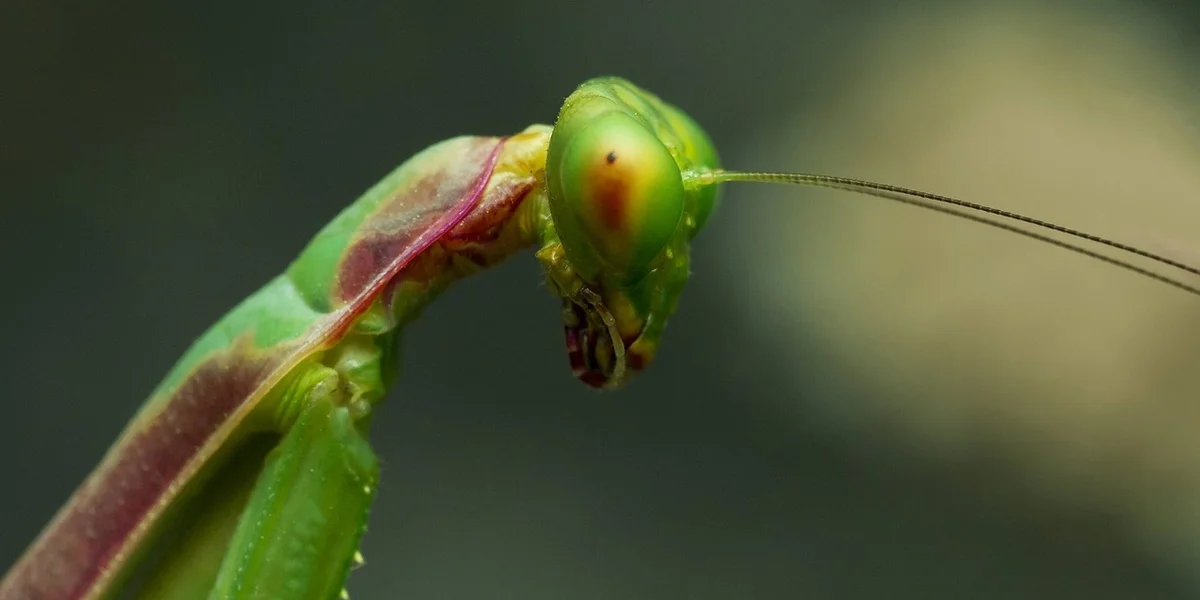
Sexual cannibalism in praying mantises is a real and dramatic event, though it happens less often than many people think. In our experience, females might eat males in about one out of every four matings, but this varies widely by species and conditions. One question this raises is why mantises engage in reasons for mantis sexual cannibalism. Some hypotheses suggest that the female gains a nutritional boost that aids egg production, while others frame it as a result of sexual conflict over mating. We have watched Luna, our Ghost Mantis, sit motionless for hours before a sudden, swift strike that ended a male’s life—a reminder of nature’s raw instincts.
Females may consume males to gain vital nutrients for egg production, especially if food is scarce. This trade-off means the male sacrifices himself to boost the female’s health and the chances of their offspring surviving. It is a harsh but effective strategy that has evolved over millions of years, balancing the male’s risk against the benefit of stronger young.
- Factors that increase predation risk: a hungry female, small male size, poor enclosure setup with few hiding spots, and high-stress environments.
- Factors that decrease risk: a well-fed female, larger or more agile males, plenty of plants and branches for cover, and calm, familiar surroundings.
Cannibalism directly limits how many times a male can mate, as a consumed male obviously cannot try again. Even if he survives one encounter, the stress or injury might reduce his ability to seek other partners. We have seen Moss, our Giant Asian Mantis male, become more hesitant after a close call, showing how these events shape behavior.
Male Strategies for Survival and Success
Male mantises use clever tactics to stay alive during mating, starting with a slow, cautious approach from behind the female. They often wait for the female to be distracted, like when she is grooming or feeding, to sneak in closer without triggering her predatory instincts. This careful dance can mean the difference between life and death in the terrarium. Their behavior during this time is quite different from other stages of their life cycle, showcasing how praying mantis behavior changes throughout their lifecycle.
Sperm competition is a key part of their strategy, where males aim to fertilize as many eggs as possible in one go or across multiple matings. By producing ample sperm and mating quickly, males increase the odds that their genes will be passed on, even if they do not survive long after. In our care, we have noticed that males like Sprig, our Orchid Mantis, seem to time their efforts to maximize this chance.
After copulation, males often employ swift escape moves, such as jumping away or using nearby foliage to hide. Some will even play dead or distract the female with subtle movements to make a clean getaway. These postcopulatory behaviors are crucial for those hoping to mate more than once.
- Key survival tips: always feed the female well before introducing the male, provide a spacious and enriched habitat with escape routes, monitor their body language for signs of stress, and avoid handling them during mating periods to reduce disruptions.
- Additional advice: choose larger or more experienced males for breeding, as they tend to be better at avoiding attacks, and keep the environment humid and calm to mimic their natural setting.
Female Reproduction and Mating Frequency
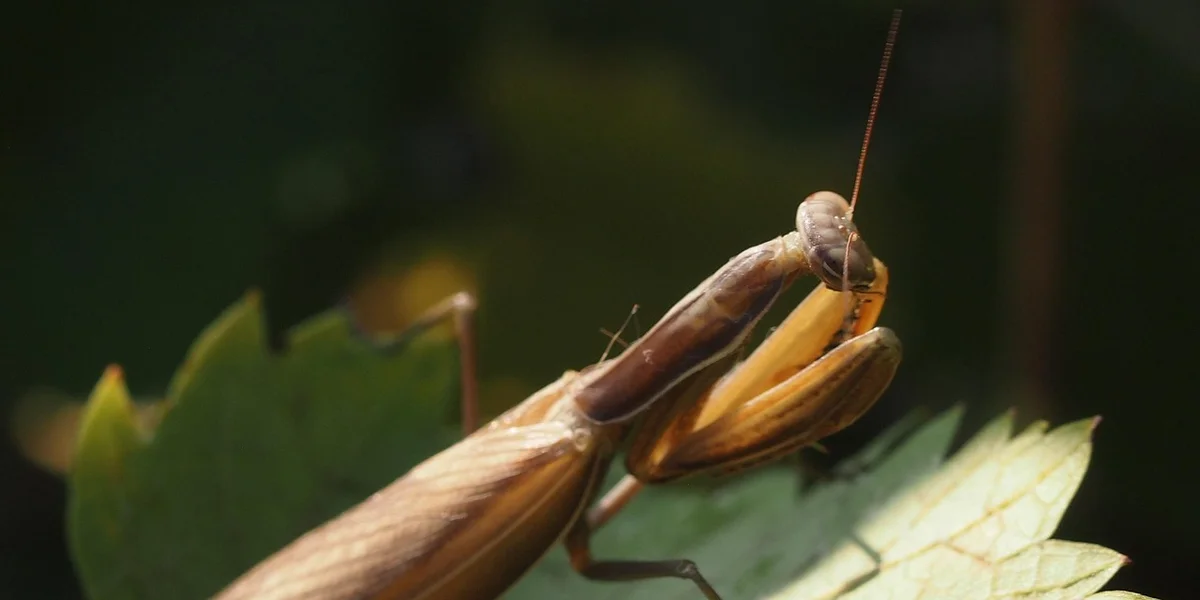
Female mantises often mate multiple times, which enriches their reproductive success and ootheca quality. Each additional mating session can boost the genetic diversity of her offspring, leading to stronger nymphs that adapt better to their environment. We’ve observed this in our own care, where females like Luna, our Ghost Mantis, produced more robust oothecae after a second mating.
Inside the female, sperm is stored in a specialized organ called the spermatheca, where it remains viable for weeks. This storage system lets her fertilize eggs gradually as she lays each ootheca, ensuring a steady supply of viable offspring without immediate remating. It’s a clever adaptation that mirrors how some plants hold onto pollen for future blooms.
After a successful mating, you might notice the female becoming more sedentary and focused on finding a secure spot. Key signs include a visibly plumper abdomen and her starting to secrete a frothy substance that hardens into the familiar brown ootheca. In our terrariums, we’ve seen females like Moss pause for long periods, almost meditative, as their bodies prepare for egg-laying.
- Higher mating frequency often results in larger oothecae with more eggs, extending her reproductive output.
- It can slightly shorten her lifespan due to the energy demands of producing and laying multiple egg sacs.
- Females that mate more than once may have offspring with improved survival rates in varying conditions.
- Infrequent mating might lead to smaller oothecae or gaps between laying, affecting population growth.
Breeding Mantises in Captivity
Breeding mantises in a home setting calls for a gentle, methodical approach to keep both partners safe. Begin by placing the male into the female’s enclosure only when she’s calm and recently fed, reducing the chance she’ll see him as a meal. We always use a roomy habitat with plenty of vertical branches, much like the setup where Sprig, our Orchid Mantis, felt at ease during introductions. This careful process is essential when learning how to safely introduce a male and female mantis for breeding.
- Choose a time when the female is relaxed, often after misting or feeding, to introduce the male slowly.
- Supervise the pair closely, ready to gently separate them if the female shows aggressive postures.
- Allow mating to proceed naturally; it can last from half an hour to several hours, depending on the species.
- Once they disengage, carefully remove the male to a separate enclosure to prevent post-mating cannibalism.
Setting up the enclosure with ample hiding spots and a calm atmosphere is vital for reducing stress. Feeding the female a hearty meal beforehand is one of the best ways to curb her predatory instincts during mating. In our experience, a well-designed space with live plants and gentle lighting helps mimic the tranquil, humid forests they adore.
- Use an enclosure that’s at least three times the female’s length to give the male room to escape if needed.
- Include vertical elements like twigs or netting where the female can lay her ootheca securely.
- Avoid sudden movements or loud noises, as mantises are sensitive to disturbances during breeding.
- Keep a small misting bottle handy to create a gentle barrier if interactions turn risky.
To confirm mating was successful, watch for the female laying an ootheca within one to two weeks. You’ll know it’s working when she attaches a firm, foam-like egg sac to a branch, often in a sheltered spot away from direct light. Care for the ootheca by maintaining slight humidity and warmth—we’ve found that a soft spray of water now and then keeps it healthy until hatching. Being mindful of common missteps can boost hatch success. We’ll cover 9 ootheca care mistakes that can prevent successful hatching and how to avoid them.
Managing the breeding season involves timing introductions for warmer months when mantises are most active. Plan ahead for the nymphs by preparing small enclosures or finding homes, as a single ootheca can yield dozens of young. We often use simple jars with ventilation for temporary housing, ensuring each tiny mantis gets a fair start in life. To support a smooth breeding program, set up a dedicated breeding enclosure for mantises with secure lids, good ventilation, and vertical space. This setup makes monitoring and managing matings and nymph growth easier and reduces stress for the insects.
Common Mantis Queries
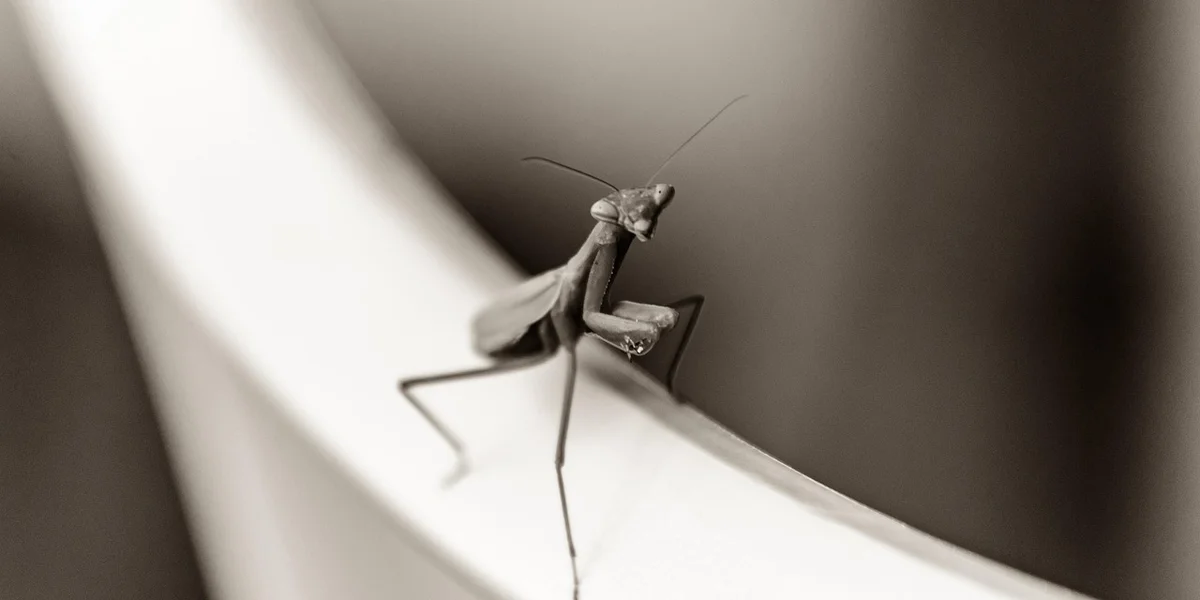
What is the purpose of the praying mantis mating dance?
The mating dance involves the male performing slow, rhythmic movements to signal his non-threatening intentions and assess the female’s receptivity. This behavior helps reduce aggression and increases the likelihood of a successful copulation.
Do praying mantises make sounds during mating?
Praying mantises do not produce specific mating sounds, as they rely on visual and chemical cues like pheromones for communication. Any noises heard are typically from environmental factors or movement, not vocalizations by the mantises. The mating season is triggered by environmental cues such as temperature and day length, which influence pheromone release and mating readiness. When these seasonal cues align, males can detect female pheromones and approach to mate.
When is the typical mating season for praying mantises?
In the wild, mating season often peaks in late summer or early fall when temperatures are warm and prey is abundant. For captive mantises, breeders can simulate this season by maintaining consistent warmth and humidity to encourage reproductive behavior. When considering line breeding or selective breeding, it helps to follow an ethical guide that prioritizes welfare and genetic health. This approach promotes responsible stewardship and ongoing genetic diversity in captive populations.
Final Reflections on Mantis Mating
Praying mantises can mate multiple times when provided with a stress-free environment and proper nutrition. We recommend closely supervising each interaction and separating partners if signs of aggression arise to prevent injury.
Responsible mantis ownership means continuously observing your pet’s health and adapting care as they grow. Embrace the journey of learning through trusted resources and fellow keepers to deepen your connection with these fascinating insects.
Further Reading & Sources
- Praying mantis hanky-panky is way weirder than you think | PBS News
- Life Cycle of a Praying Mantis – Insect Lore
- What to Know for Praying Mantis Mating Season | National Geographic
- Functional morphology of the praying mantis male genitalia (Insecta: Mantodea) – ScienceDirect
Rowan Hale is a lifelong insect enthusiast who fell in love with mantises for their calm presence, alien elegance, and surprising personalities. After years of keeping and raising a variety of species, Rowan shares practical tips, creative insights, and real-world experience to help others enjoy the quiet magic of mantis care. From setting up the perfect enclosure to understanding their subtle behaviors, Rowan invites readers into a gentle, curious world where every tiny movement feels like a discovery.
Breeding Practices