
How to Tell Your Praying Mantis’s Age
Hello, fellow mantis friend. You watch your green companion perched so still, and a quiet question forms: just how old is this remarkable little creature?
You can determine your praying mantis’s age by carefully observing its physical development, primarily by tracking its molting cycles and noting distinct changes in its size, wings, and body proportions.
Figuring out a mantis’s exact birthday is a gentle puzzle, as these insects don’t come with records. Their growth isn’t measured in years, but in a series of dramatic transformations.
Here’s a quick look at what we’ll explore together:
- The critical role of molting and how to count these sheds.
- How a mantis’s species dramatically influences its growth timeline.
- The visual clues, from wing buds to full adult wings, that mark each life stage.
- A general guide to a mantis’s lifespan, from nimble nymph to dignified adult.
Understanding the Praying Mantis Life Cycle and Instar Stages
From a tiny egg case to a graceful adult, your mantis journeys through distinct phases that mark its growth. Each stage, called an instar, represents a clear milestone where your mantis sheds its old skin to reveal a larger, more defined body. We often watch our mantises like Luna, who transforms with a delicate rustle, her frilled limbs stretching anew after every molt. This cycle begins when nymphs hatch, resembling miniature adults but without wings, and progresses through several molts until maturity.
- Nymph: The young mantis right after hatching; it looks like a tiny version of an adult but lacks wings and goes through multiple molts to grow.
- Instar: Each growth stage between molts; counting these helps you estimate age, as mantises typically have 5 to 10 instars before adulthood.
- Molt: The process of shedding the exoskeleton; it allows for size increase and is a key event in development.
- Adult: The final stage with fully developed wings and reproductive organs; once here, molting stops, and age estimation relies on other cues.
Molting is a natural, rhythmic part of your mantis’s life, much like the gentle unfurling of a fern in a humid terrarium. During each molt, your mantis will cling to a secure surface, its body softening as it splits the old skin and carefully wriggles out. This step-by-step process involves a period of stillness, a sudden split along the back, and a slow emergence that leaves behind a perfect, papery exuviae. We’ve seen Moss pause for hours, his emerald form motionless before a swift, fluid escape from his confines.
- Pre-molt preparation: Your mantis may eat less and seek a high, stable perch; its skin appears dull and tight.
- Molting initiation: It hangs upside down, body swelling slightly as it pumps fluid to loosen the old exoskeleton.
- Skin splitting: A crack forms along the thorax, and the mantis slowly pulls itself out, often taking 30 minutes to an hour.
- Post-molt hardening: The new skin is soft and pale; it darkens and hardens over several hours, during which your mantis is vulnerable.
Counting Molts to Estimate Your Mantis’s Age
Tracking molts is one of the most reliable ways to gauge your mantis’s age, using the delicate exuviae left behind as tangible records. Each shed skin, or exuviae, is a snapshot of a growth spurt, and by collecting and counting them, you can piece together a timeline of development. We keep a small journal for Sprig, noting dates and appearances of her molts, which helps us anticipate her needs and celebrate her progress. Start by gently inspecting the enclosure after a molt-look for the translucent, intact skin often clinging to branches or leaves.
- Identify exuviae: Search for shed skins after molting; they’re usually complete and fragile, resembling a ghostly version of your mantis.
- Record each molt: Note the date and instar number in a log; most species molt every 1-4 weeks when young, slowing as they near adulthood.
- Analyze frequency: Faster molts in early instars suggest rapid growth, while longer intervals in later stages indicate approaching maturity.
Observing your mantis’s behavior in captivity offers clear clues about upcoming molts, much like sensing a shift in the air before a soft rain. Pre-molt signs include a noticeable increase in appetite as your mantis stores energy, followed by a sudden refusal to eat and restless climbing to find a safe spot. These are the typical signs that a praying mantis is about to molt. We’ve learned to mist the enclosure lightly during this time, creating a humid environment that eases the molting process. Afterward, your mantis will be hungrier and more active, ready to embrace its new size.
- Watch for appetite changes: A spike in feeding often precedes molting, then a complete fast as the event nears.
- Note restlessness: Your mantis may pace or hang motionless for hours, seeking stability.
- Check skin appearance: Dull, tight skin and swollen abdomen are visual hints that molting is imminent.
Physical Signs of Age: Size, Color, and Body Changes
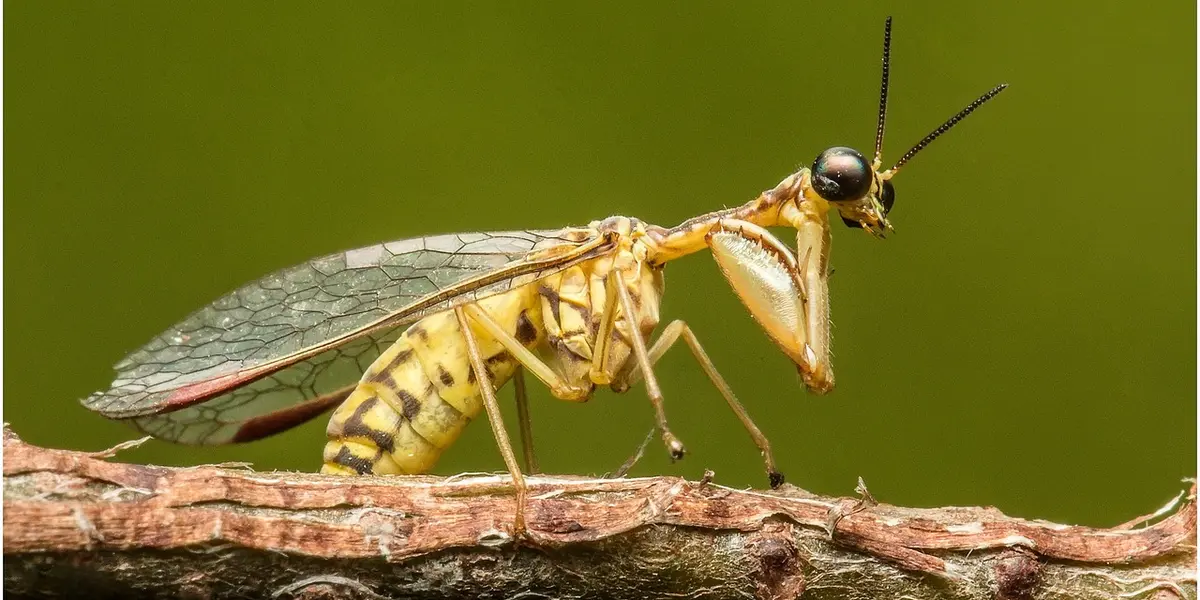
We can spot your mantis’s age by watching for shifts in its appearance over time. Observing body length, antennae development, and color changes gives you clear clues about which growth stage your mantis is in. Younger nymphs often look more delicate, while adults show fuller, sturdier builds.
| Feature | Nymph Stage | Adult Stage |
|---|---|---|
| Body Length | Smaller, often under half the adult size | Reaches maximum species length |
| Antennae | Shorter, less defined, may appear fuzzy | Longer, more segmented, and clearly visible |
| Color | Duller tones, can shift after molts | Vibrant and stable, with full patterning |
Species-specific size ranges help narrow down age estimates because each type grows at its own pace. For instance, our Ghost Mantis Luna stays petite even as a subadult, while Moss the Giant Asian Mantis towers over her once he matures. By comparing your mantis to known sizes for its species, you can make a educated guess about its life stage.
Species-Specific Clues for Age Determination
Common Pet Mantis Species and Their Growth Rates
Different mantis species grow at varying speeds, which affects how we gauge their age. Ghost Mantises like Luna typically go through 6 to 7 molts before adulthood, living about 6 to 12 months in total. Giant Asian Mantises such as Moss often have 7 or 8 instars and can thrive for 8 to 12 months with proper care. Orchid Mantises like Sprig usually complete 6 to 7 molts and enjoy a shorter lifespan of 6 to 8 months. In fact, many mantises molt several times before reaching adulthood, shedding multiple skins as they grow. The exact number of molts varies by species and conditions.
- Ghost Mantis: Slow, steady growth; prefers cooler, humid setups.
- Giant Asian Mantis: Faster development; handles warmer temperatures well.
- Orchid Mantis: Delicate growth; needs consistent warmth and high humidity.
Habitat conditions like temperature and humidity play a big role in growth speed. Warmer environments can speed up molting cycles, whilst cooler ones might slow them down, so adjusting your care helps match their natural rhythm. We find that misting the enclosure lightly each day supports healthy shedding and steady aging.
Using Growth Charts for Accurate Age Guesses
Creating or using growth charts for your mantis species makes age estimation much simpler. You can track molts and size changes in a notebook or use online resources that outline typical instar timelines. For example, noting when Sprig molted and comparing her size to charts for Orchid Mantises lets us guess she’s about halfway to adulthood.
Adapt your care based on these growth patterns to keep your mantis happy. Younger nymphs need frequent, small meals, whilst adults may eat less often but require more space to move. By tailoring feeding and habitat to their stage, you support a smooth journey from tiny hatchling to graceful adult. A graduated enclosure system lets you move nymphs into progressively larger enclosures as they grow, keeping space and airflow appropriate for each stage. This approach makes care scalable and less stressful as your mantids mature.
Recognizing Maturity: When Your Mantis Becomes an Adult
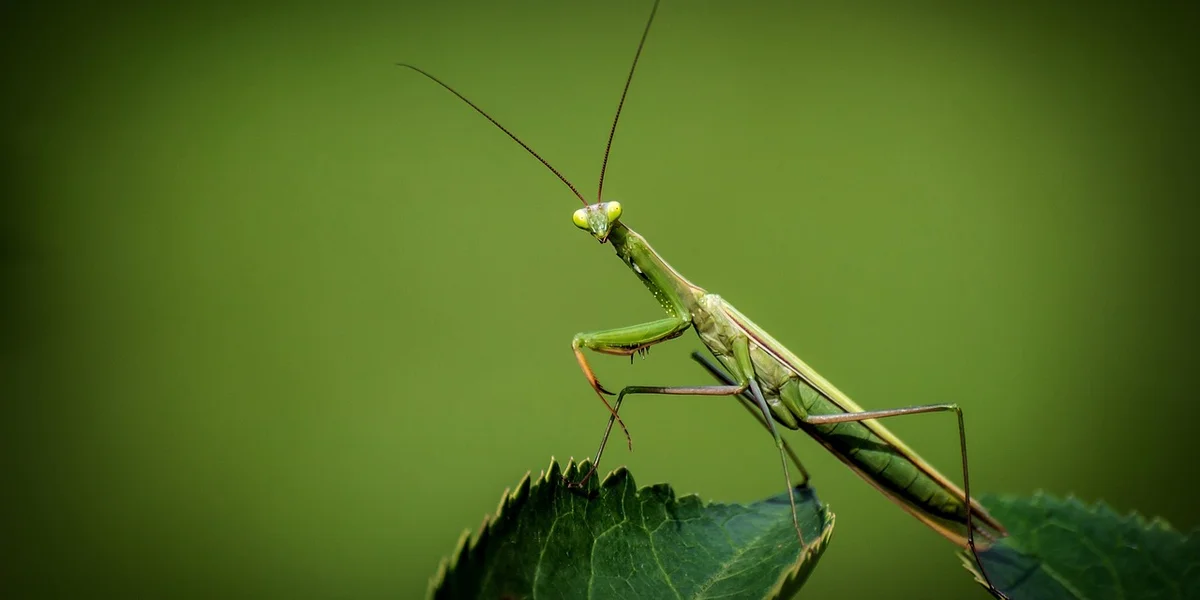
You will notice clear physical and behavioral shifts as your mantis reaches adulthood, marking a significant life stage. Wing development is a standout sign, with adults sporting fully formed wings that extend beyond their abdomen, while nymphs only have tiny wing buds. Body proportions change too; adults have a more robust thorax and a well-defined abdomen, giving them a sturdier appearance compared to the slender build of younger mantises.
Behavioral cues also signal maturity, like increased activity or a more deliberate hunting style. My Ghost Mantis, Luna, became noticeably calmer and more observant after her final molt, often perching for hours like a delicate leaf. To track these changes, follow these simple steps over time.
- Check after each molt for wing growth and body shape changes.
- Observe daily behavior, noting any increases in movement or feeding aggression.
- Record milestones in a journal to spot patterns in development.
Male and female traits become distinct in adulthood, making identification easier. Females typically have broader abdomens for egg production and may appear more sedentary, whereas males are often slimmer with longer antennae for sensing mates. Use this list to compare key differences.
- Females: Stockier body, shorter antennae, less inclined to fly.
- Males: Leaner build, longer antennae, more likely to take short flights.
Caring for Your Mantis at Different Ages
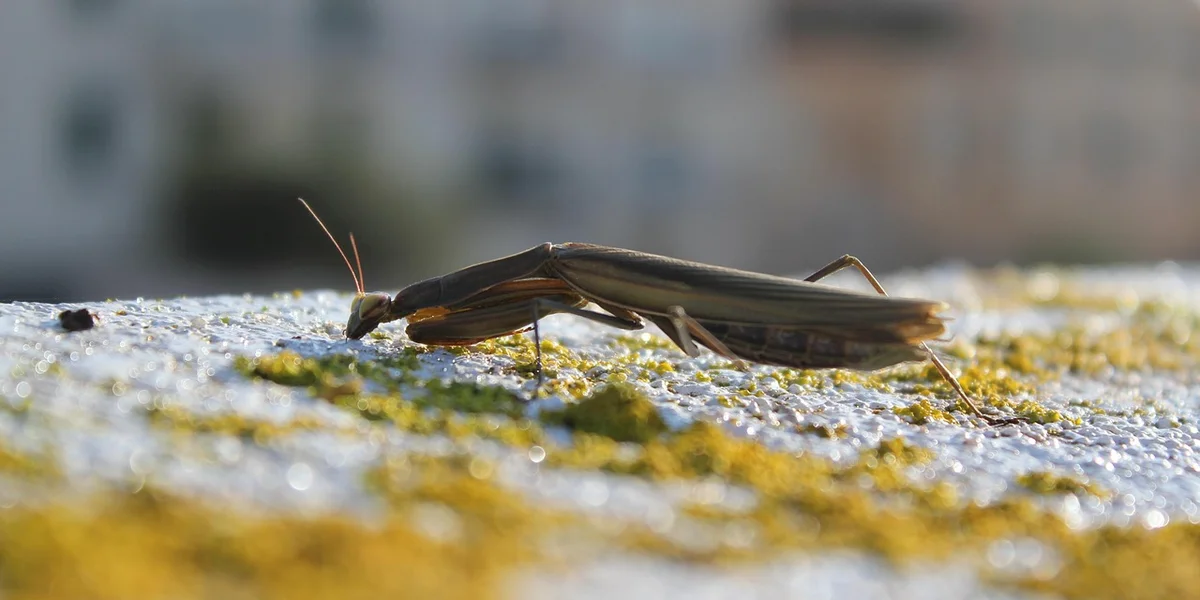
Young Nymphs: Delicate Beginnings
Young nymphs, in their early instars, need extra attention to thrive in their first weeks. Provide a diet of tiny live prey like fruit flies or pinhead crickets, as their small mouths can’t handle larger items. Habitat setup should include a small, secure enclosure with fine mesh for ventilation and plenty of tiny twigs for climbing.
Humidity is critical for proper molting, so aim for levels around 60-70% to keep their skin soft. I found that lightly misting the enclosure twice a day with warm water mimics the damp, earthy conditions nymphs love, much like the humid mornings in a forest terrarium. To set up the perfect humidity level in your praying mantis enclosure, monitor humidity with a hygrometer and adjust misting as needed. Ensure there is gentle airflow to prevent mold and keep conditions stable. Follow this step-by-step guide for feeding and maintenance.
- Offer food every other day, using a soft brush to place prey near the mantis.
- Mist the enclosure gently in the morning and evening to maintain humidity.
- Clean the habitat weekly by removing uneaten food and wiping surfaces with a damp cloth.
Juveniles to Adults: Supporting Steady Growth
As your mantis grows, adjust their care to support steady development into adulthood. Increase prey size to include small crickets or flies, and expand their cage with more perches and hiding spots for exploration. My Giant Asian Mantis, Moss, enjoyed climbing new branches as he matured, showing how enrichment boosts their confidence.
Common issues like stunted growth can arise from inadequate nutrition or low humidity. Ensure a varied diet and consistent misting to prevent molting problems, as this helps mantises like Sprig, my Orchid Mantis, maintain her vibrant colors and health. Address these challenges with simple solutions listed here.
- Stunted growth: Offer larger, nutrient-rich prey and check humidity levels regularly.
- Molting difficulties: Increase misting frequency and provide rough surfaces for gripping during sheds.
- Reduced activity: Review enclosure temperature and add more climbing structures to encourage movement.
What to Do When Age Is Uncertain
If you’re unsure about your mantis’s age, start by gently questioning the seller or breeder when you acquire your new friend. Ask specific questions like “What instar stage is it in?” or “Can you share the approximate hatch date?” to get clearer insights. Upon arrival, observe your mantis closely-note its size compared to common references, its coloration, and any behaviors like frequent molting or a calm, perched stance. With my Ghost Mantis Luna, her misty brown frills and slow movements hinted she was a subadult, which helped me gauge her growth timeline accurately.
- When contacting sellers, request details on the last molt or any growth milestones-reputable breeders often keep notes.
- Upon your mantis’s arrival, check for signs like wing buds (indicating later instars) or a plump abdomen, which can suggest recent feeding and health.
- Watch for active hunting or shy retreats; younger mantises might be more skittish, while adults often display confident strikes.
If your mantis’s growth seems slower than expected, troubleshoot by reviewing diet and habitat factors step by step. Begin by ensuring a varied diet of appropriately sized live prey, like fruit flies for juveniles or crickets for larger species, fed every 2-3 days. A praying mantis feeding schedule species comparative guide shows how feeding frequency varies by species and life stage. This helps tailor feeding plans to each species’ metabolism and growth. My Giant Asian Mantis, Moss, thrived once I adjusted his feeding schedule to match his energetic bursts. Next, evaluate the enclosure—maintain temperatures around 75-85°F and humidity levels that mimic a dewy morning, using a simple spray bottle for misting.
- Assess feeding habits: Offer gut-loaded insects to boost nutrition, and avoid overhandling during meals to reduce stress.
- Check habitat conditions: Use a thermometer and hygrometer to monitor warmth and moisture; inadequate heat can stall molting cycles.
- Review enclosure size: A cramped space may limit movement and growth-upgrade to a taller habitat for species like orchids that love to climb.
Keeping detailed records transforms guesswork into reliable age estimates over time. Maintain a simple log noting molting dates, feeding frequency, and behavioral changes to spot patterns in development. I track Sprig, my Orchid Mantis, in a small notebook, recording each delicate shed and color shift-it’s like building a gentle story of her life. This habit not only refines age guesses but also helps you respond quickly to health shifts, ensuring your mantis enjoys a calm, thriving environment.
Common Mantis Queries
How does the age span of Australian praying mantises compare to other regions?
Australian praying mantises generally have age spans similar to those in other areas, often living 6 to 12 months in captivity. In captivity, the average lifespan provides a practical baseline for keeping mantises as pets. Local species may experience slightly faster growth due to warmer climates, but care practices like proper humidity and feeding remain key to their longevity.
Why is the genus of a praying mantis relevant for age estimation?
The genus provides insights into typical growth rates and molting cycles, as different genera have distinct developmental timelines. For instance, genera like Hierodula may mature more quickly than others, helping you better gauge age through observed instar stages.
Is there a difference in age span between male and female praying mantises?
Female praying mantises often outlive males by a few weeks, especially after reaching adulthood, due to their energy reserves for egg-laying. In captivity, this means females might show a slightly extended lifespan if provided with optimal care and nutrition, especially when and how they lay their eggs.
Your Mantis’s Age: A Gentle Farewell Note
By closely watching molting stages and physical changes, you can piece together your mantis’s age with care. For first-time mantis owners, this week-by-week care guide helps you track development and adjust care as needed. Each week brings new milestones, so stay observant and follow the guide. This attentive approach lets you match their environment and diet to each life phase, fostering a thriving pet.
We encourage every keeper to embrace responsible habits and keep exploring mantis care resources. Our care pet praying mantis complete handling behavior guide offers practical, humane handling tips and behavior insights. This guide helps you interact confidently and safely with your mantis. Your dedication to learning ensures a safe, enriching home for your unique companion.
Further Reading & Sources
- Life Cycle of a Praying Mantis – Insect Lore
- Praying Mantis Lifespan: How Long Do Praying Mantis Live? – A-Z Animals
- What Are the Stages of the Praying Mantis’ Life Cycle? | Pets on Mom.com
- Mantis – Wikipedia
Rowan Hale is a lifelong insect enthusiast who fell in love with mantises for their calm presence, alien elegance, and surprising personalities. After years of keeping and raising a variety of species, Rowan shares practical tips, creative insights, and real-world experience to help others enjoy the quiet magic of mantis care. From setting up the perfect enclosure to understanding their subtle behaviors, Rowan invites readers into a gentle, curious world where every tiny movement feels like a discovery.
Egg Care